Bhubaneswar
"A city that keeps six hundred temples in one hand and a tech park in the other."
Odisha's Temple City, where a thousand years of Kalinga architecture stand a short rickshaw ride from glass office towers and roundabouts.
Bhubaneswar doesn’t announce itself the way Kolkata or Jaipur do. My first afternoon there was spent driving past wide, planned boulevards — this is one of India’s first planned cities, laid out by German architect Otto Königsberger after independence — wondering where the “Temple City” nickname was hiding. Then the auto-rickshaw turned a corner near the old town and Lingaraj Temple appeared, its curved shikhara tower rising fifty-five meters over a walled compound that has been an active site of worship for close to a thousand years, and the nickname suddenly made complete sense.
Lingaraj is closed to non-Hindus, but a raised viewing platform just outside the compound wall — famously used by British officials, including a visiting Lord Curzon — lets you look down over the whole temple town within a town: dozens of smaller shrines clustered around the main tower, priests moving between them, the smell of camphor and marigold drifting up. I stood there at dusk while a bell rang somewhere inside and dozens of pigeons lifted off the tower in a single wheeling mass, and a local student next to me, there on his lunch break the way someone in another city might duck into a coffee shop, told me he came most weeks just to sit and think.
Between Kalinga Stone and Silicon
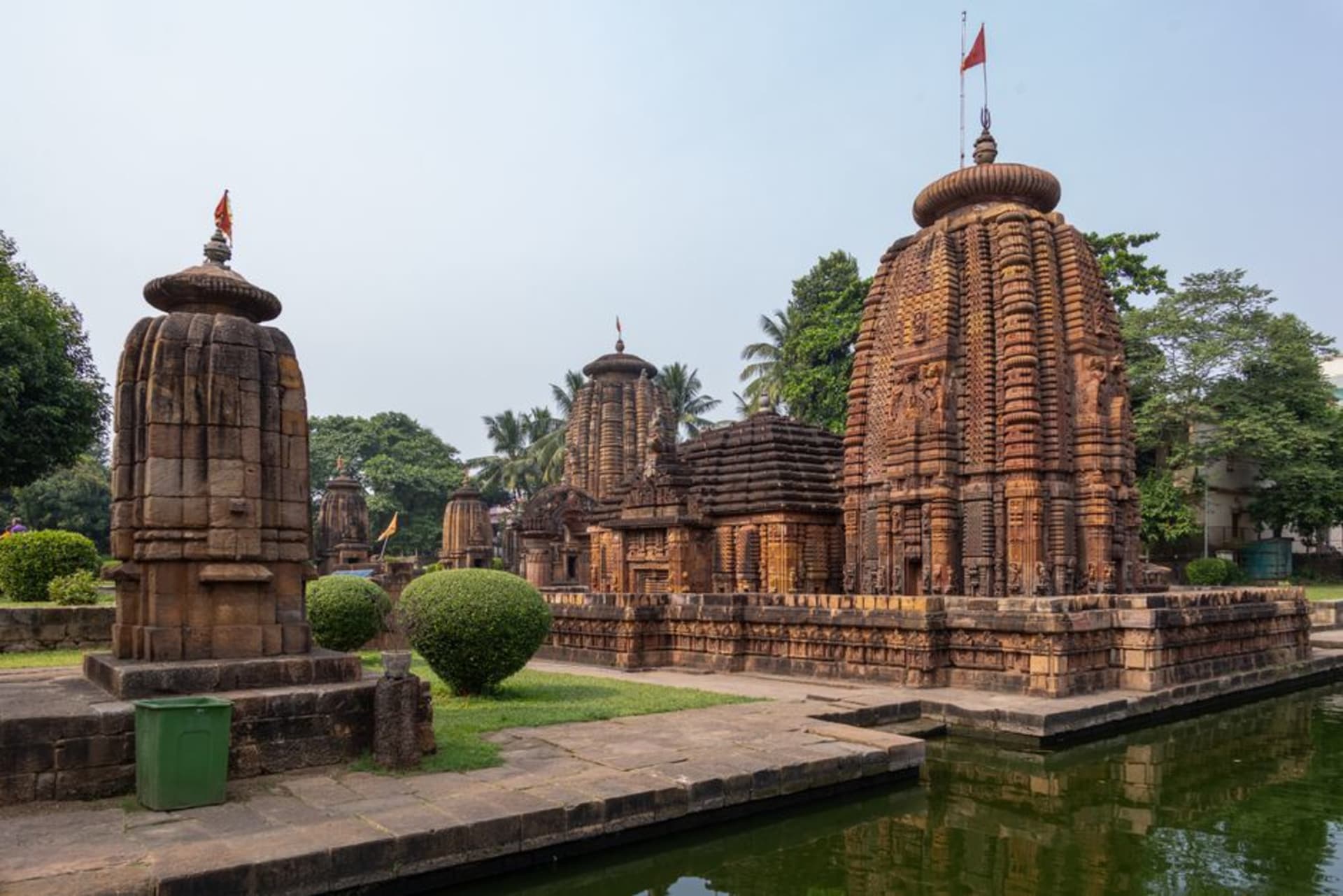
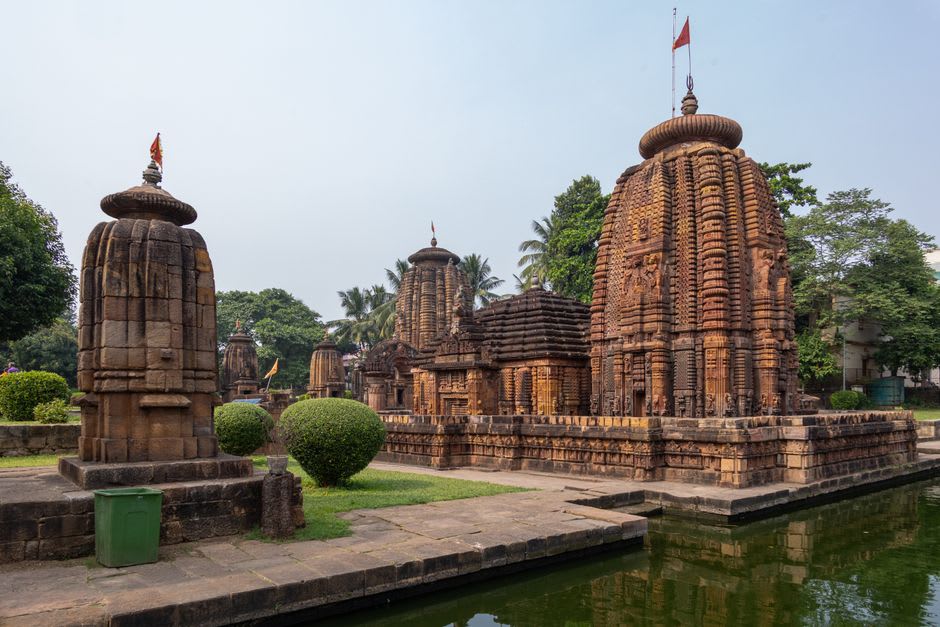
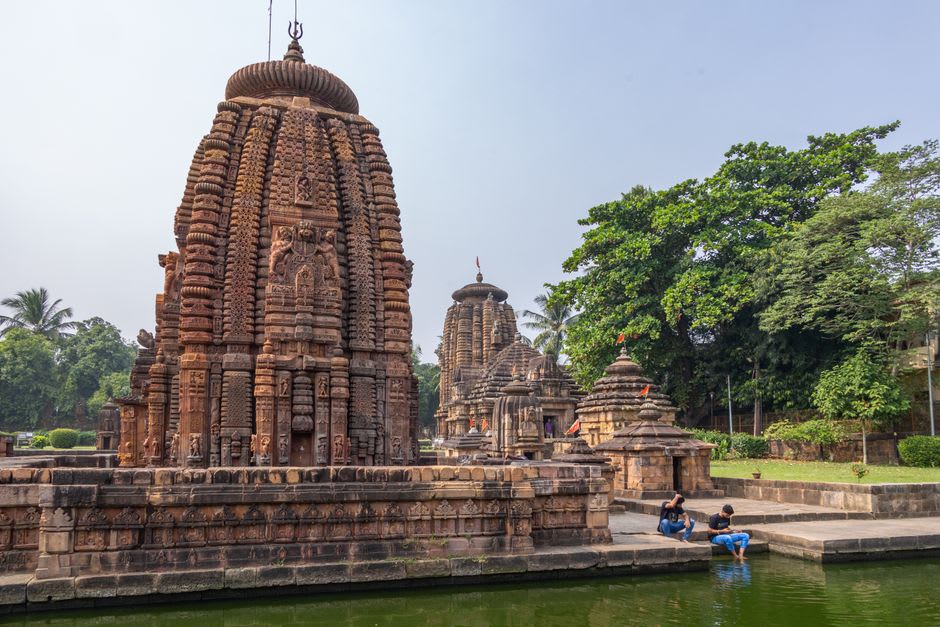
What struck me most was the density. Within a couple of kilometers of Lingaraj sit the Mukteshwar Temple — small, exquisitely carved, often called the gem of Kalinga architecture for its ornate torana gateway — and Rajarani Temple, built from a distinctive dull-red sandstone with no deity currently enshrined, more sculpture than shrine, its tower carved with figures so precise they read almost as portraits. The Kalinga architectural style that developed across this region between the seventh and thirteenth centuries directly influenced temple building across eastern India, and Bhubaneswar is essentially its open-air museum, except the museum is also a functioning, worshipping, extremely alive city.
Drive twenty minutes in the other direction and you hit the tech corridor — Infosys and Tata campuses, a growing IT and education hub that has made Bhubaneswar one of eastern India’s fastest-changing cities. I had dinner one night with a software engineer who’d grown up two streets from Lingaraj and now worked in a glass building he could see the temple tower from, and he shrugged at my fascination with the contrast. To him it wasn’t a contrast at all — just Tuesday.
When to go: November to February for pleasant temple-hopping weather. Bhubaneswar gets brutally hot from April through June, well before the monsoon offers any relief.