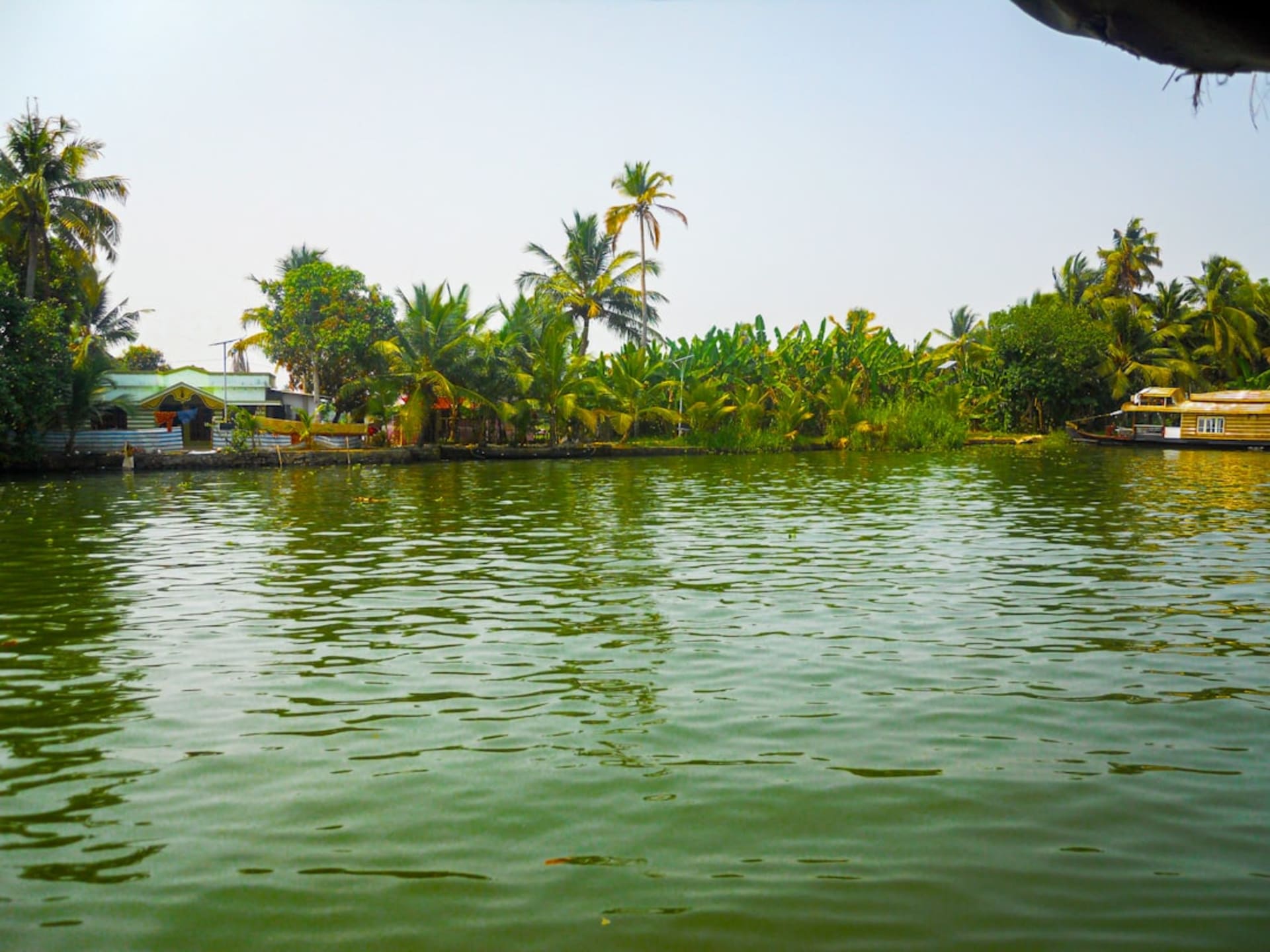
Kerala's largest fort curls along a lonely stretch of the Arabian Sea in the state's quiet north, its keyhole bastions built for cannon fire that never really came.
Getting to Bekal takes actual effort, which is precisely why I liked it. It’s tucked up in Kasaragod district, near the Karnataka border, a good five or six hours north of the temples and backwaters that dominate every Kerala itinerary, and the train up there thinned out the tourist crowd until it was mostly local commuters and me. I arrived at the fort in the late morning heat, paid the modest entry fee, and climbed the worn laterite steps to the upper ramparts to find almost nobody else there — a school group filing out as I filed in, a couple of fishermen’s kids using the old cannon emplacements as a climbing frame.
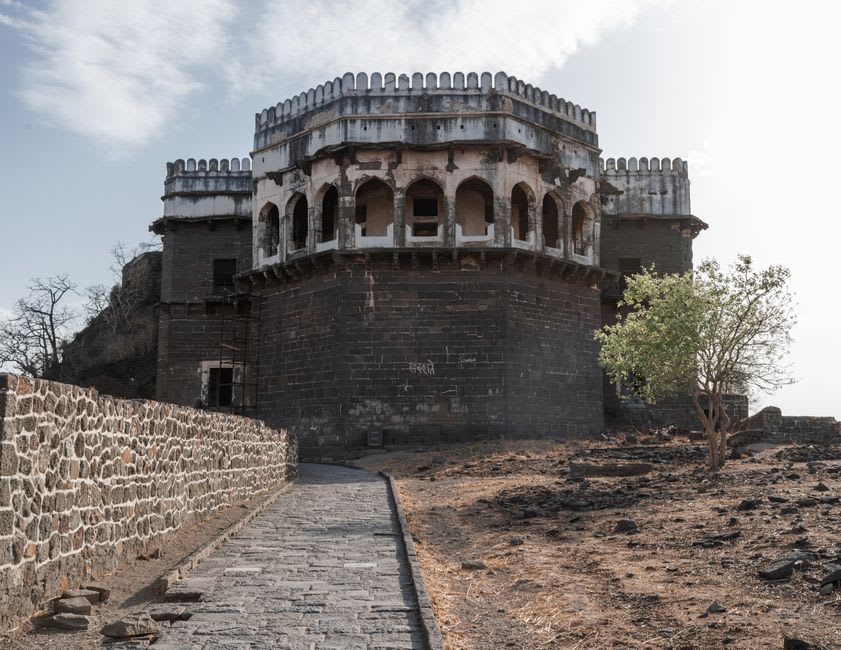
Bekal Fort is the largest in Kerala, a sprawling laterite structure built in the shape that gives it its local fame: the bastions are keyhole-shaped, a design apparently intended to let defenders fire on approaching ships from a wide angle while staying protected behind a narrow slit. Whether it was Shivappa Nayaka of Bidnur who built it in the 1650s or whether it sits on an earlier structure is still debated by local historians, but by the time Tipu Sultan and later the British took control of it, the fort had already done what forts on this coast were built to do: watch the sea and rarely need to fight for it.
A coastline still figuring out what it wants to be
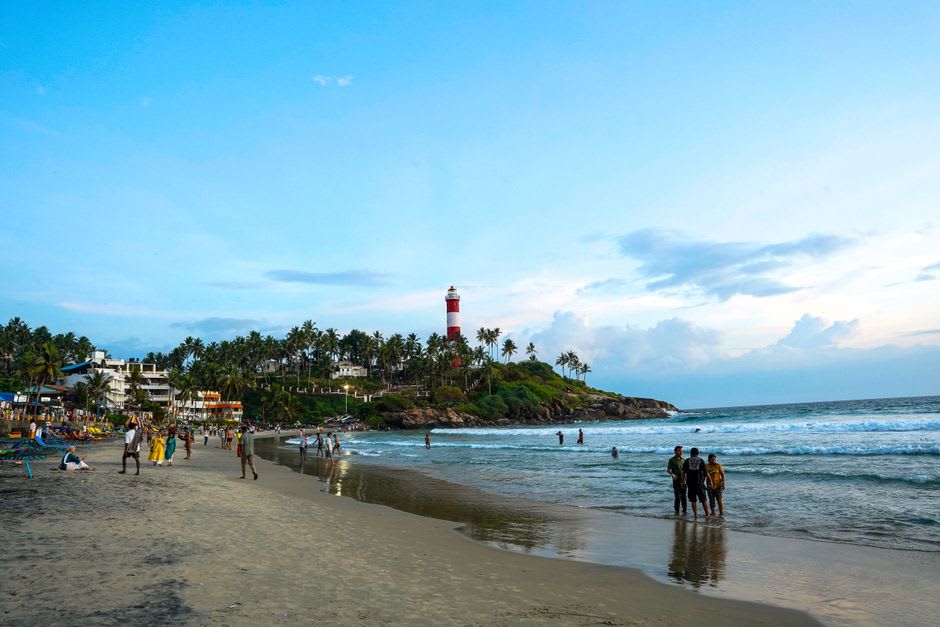
What struck me most wasn’t the fort itself but the water beyond it. Bekal Beach curls away from the fort walls in a long, mostly empty stretch of dark sand, with a single lighthouse standing near the ramparts and fishing boats working far enough offshore that they were just specks by midday. There are a handful of resorts nearby — Kerala’s tourism department has clearly been trying to turn this into “the next Kovalam” for two decades — but so far the development has stayed thin, a few upscale properties scattered along an otherwise undeveloped coast, and the fort grounds themselves remain closer to a local picnic spot than an international attraction.
I sat on the ramparts near sunset with a coconut a vendor had hacked open for me at the gate, watching the light go orange over the water and a single fishing boat cut a slow line toward the horizon, and had one of those moments — rarer than they should be in a country this visited — of feeling like I’d found something before the crowds arrive to find it too.
When to go: October to March, when the coast is dry and the sea breeze off the ramparts is at its most pleasant — avoid April and May, when the laterite stone holds the heat like an oven with the door left open.