Bandhavgarh
"The park where I stopped believing 'you'll probably see a tiger' was a lie guides tell tourists."
The tiger reserve with India's highest big cat density, where a ruined hilltop fort watches over the sal forest and the odds of a sighting are better than anywhere else in the country.
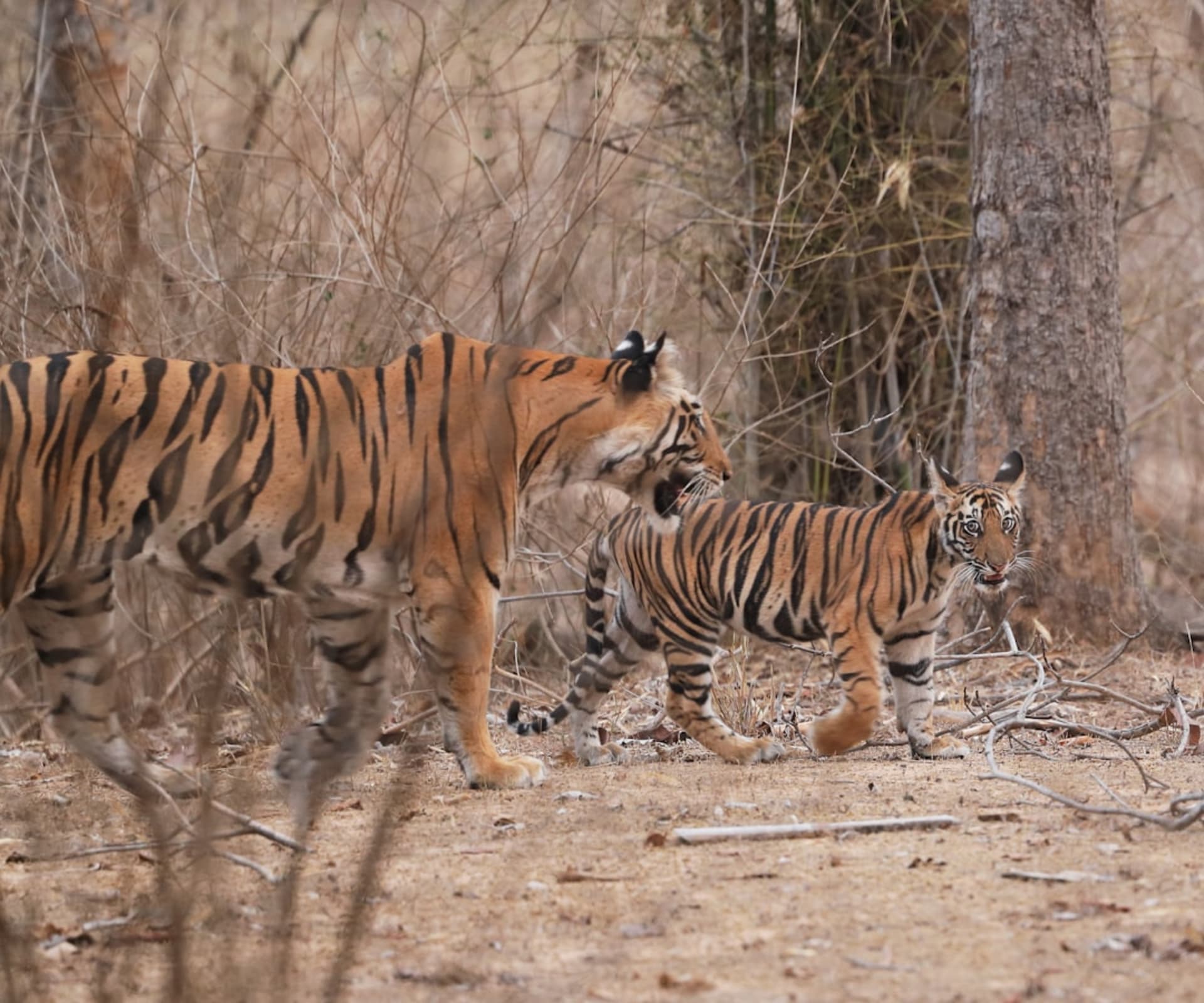
Every safari guide in India has a version of the same disclaimer — sightings aren’t guaranteed, tigers are wild, manage your expectations — and I’d heard it enough times by the time I got to Bandhavgarh that I’d stopped really listening to it. Which is why my first game drive, less than ninety minutes in, stopping the jeep dead because our driver had spotted pug marks fresh in the dirt track, still caught me off guard. Ten minutes later a tigress crossed the road forty meters ahead of us, unhurried, glancing once in our direction with an expression of complete indifference, and vanished into the sal forest on the other side. My guide didn’t even seem particularly excited. “Bandhavgarh,” he said, restarting the jeep, “she does this most mornings.”
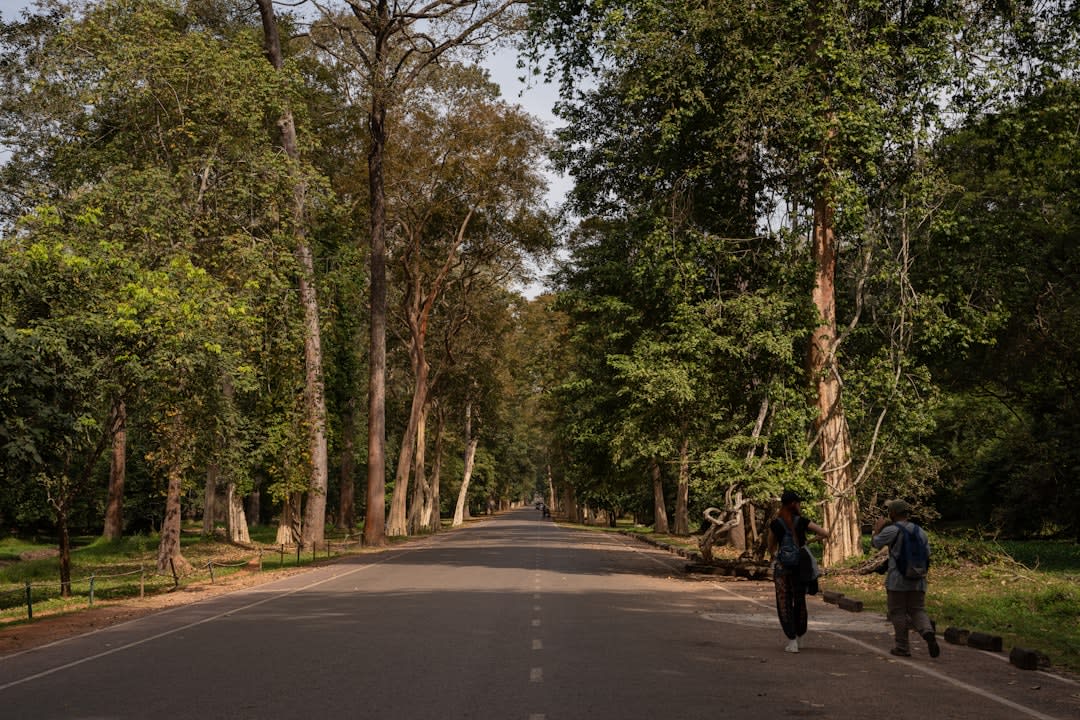
That’s the reserve’s reputation and it’s earned: Bandhavgarh has one of the highest densities of tigers anywhere in India, packed into a core zone smaller than many other reserves, which means the odds genuinely tilt in your favor here in a way they don’t in Ranthambore or Kanha. The terrain helps — a mix of sal forest, bamboo thickets, and open grassland meadows called maidans, cut through by streams that draw prey animals like chital and sambar deer, which in turn draw the tigers.
The fort, the White Tiger, and a hill that watches everything
Rising above the whole reserve is Bandhavgarh Fort itself, a crumbling hilltop structure believed to date back over two thousand years in some form, though most of what remains visible today is from later Baghel dynasty rule. It’s still technically active ground for a small number of resident priests and is only accessible with special permission, but even viewed from below, its ramparts silhouetted against the sky at the top of the core zone’s central hill, it gives the whole park a strange, watchful atmosphere — as though the tigers below have always had an audience.
Bandhavgarh also carries the legend of the white tiger. Mohan, a wild white tiger cub with the recessive gene that produces the pale coat and blue eyes, was captured here in 1951 by the Maharaja of Rewa and became the founding ancestor of every captive white tiger in the world today — there are no white tigers left in the wild anywhere, and none have been recorded in Bandhavgarh since. My guide pointed out the area near the fort’s base where Mohan was originally caught, and it added an odd melancholy to an otherwise thrilling few days: the wild population here helped create a captive one that can never come home.
When to go: February to April, when the forest canopy thins and the heat pushes tigers toward waterholes in the open, giving the clearest and most frequent sightings before the park closes for monsoon from July to September.