Badrinath
"The place where a hot spring and a glacier exist twenty metres apart, and both feel holy."
A Vishnu temple town near the Tibet border where pilgrims bathe in hot springs before entering, the final stop on the Char Dham circuit.
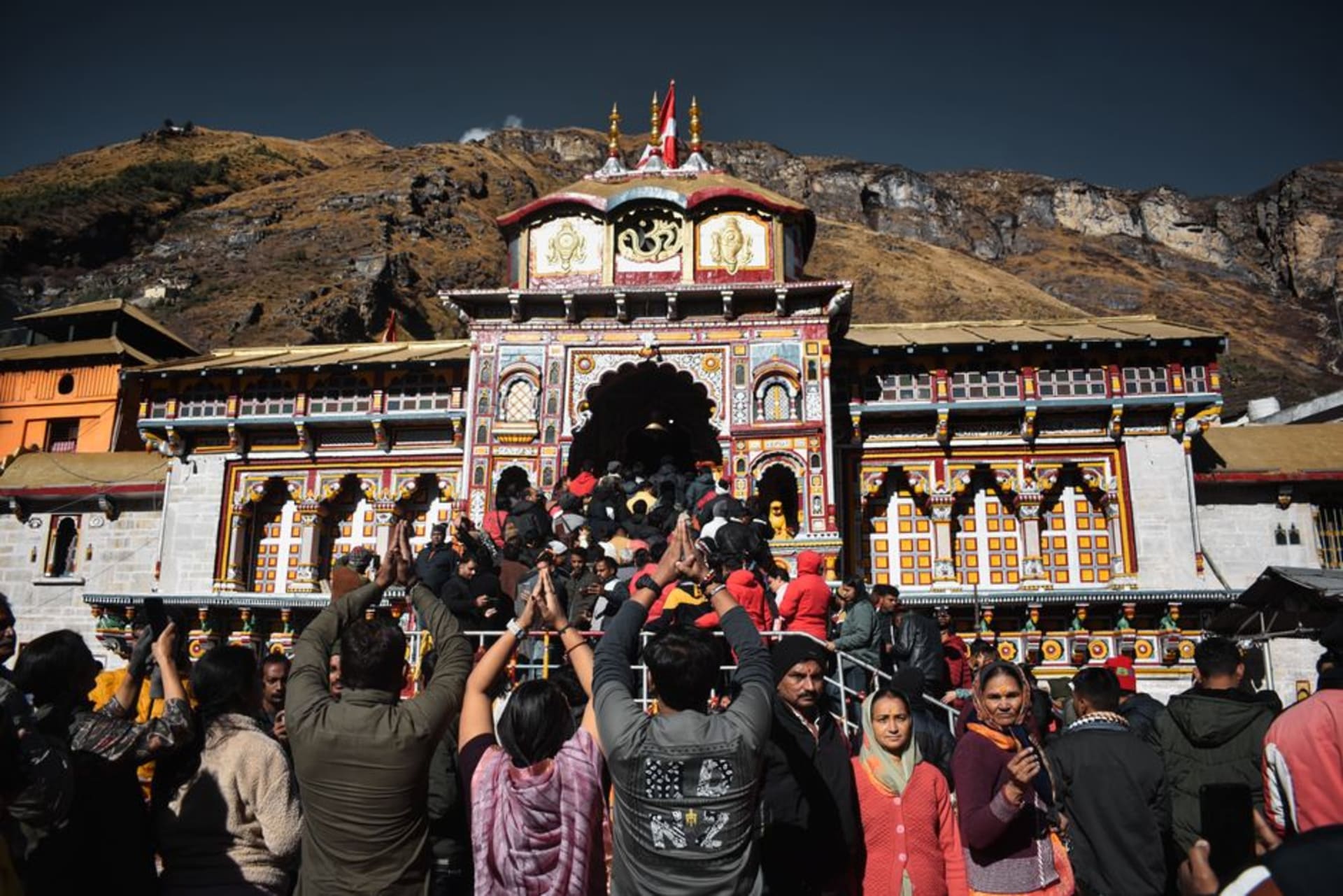
Badrinath sits at 3,133 metres in the Garhwal Himalaya, close enough to the Tibet border that the road there passes through military checkpoints and villages that feel more like outposts than towns, and it is the last and most revered of the four sites in the Char Dham pilgrimage circuit, this one dedicated to Vishnu rather than Shiva. I arrived by road from Joshimath, a route that hugs cliffsides above the Alaknanda River and includes at least one stretch where I stopped narrating the drive to myself because narrating it made it scarier. The temple itself, when it appears, is almost gaudy compared to Kedarnath’s austere stone — bright reds, yellows, and blues painted across its facade, conical in shape, set directly beneath Neelkanth peak, a mountain so perfectly pyramidal it looks designed rather than formed.
The hot spring before the shrine
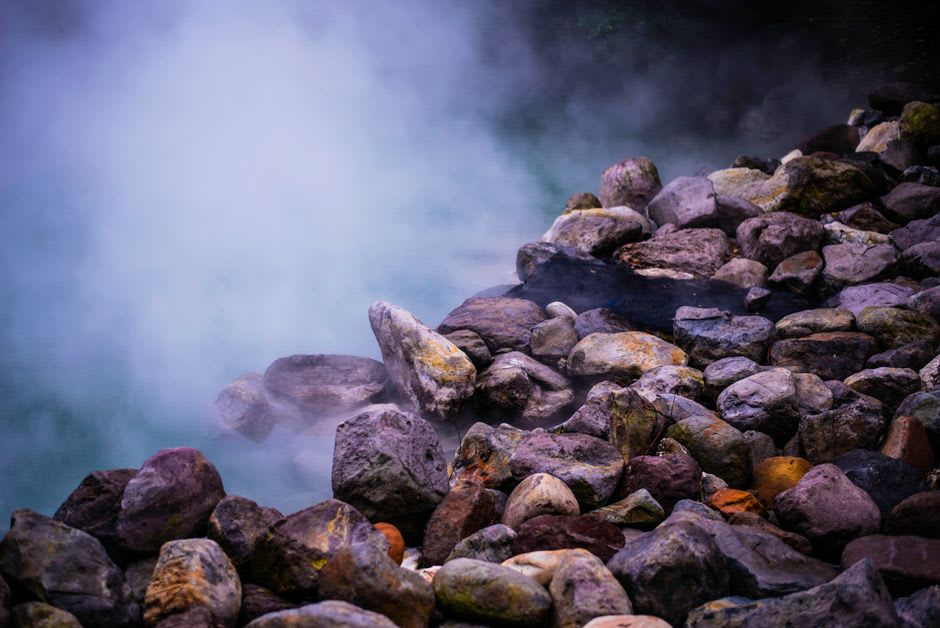
Before entering the temple, pilgrims are expected to bathe in the Tapt Kund, a natural hot spring right beside the main complex, its water reportedly reaching temperatures near 45 degrees Celsius even as the air around it sits near freezing. I went in at seven in the morning, steam rising off the pool into cold mountain air, surrounded by pilgrims of every age doing the same, an old man beside me explaining between gasps that the spring’s heat is considered a gift from the gods specifically so that devotees could purify themselves at this altitude without dying of cold first. It is, practically speaking, extremely convenient theology, and also one of the more memorable baths I’ve taken anywhere.
Inside the temple, the black stone image of Badrinarayan sits under a golden canopy, and the queue moves in a slow shuffle managed by priests who have clearly done this ten thousand times before. Just beyond the town, a short walk leads to Mana, often billed as India’s last village before the Tibetan border, where the Saraswati River is said to vanish underground at a spot called Bhim Pul, a natural rock bridge that legend attributes to Bhima of the Mahabharata, who supposedly laid it down so his wife Draupadi could cross. Sitting at that rock bridge, glacier-fed water thundering beneath it and Neelkanth glowing pink at sunset above the temple roofs, the whole valley felt like it existed at the exact seam between myth and geography.
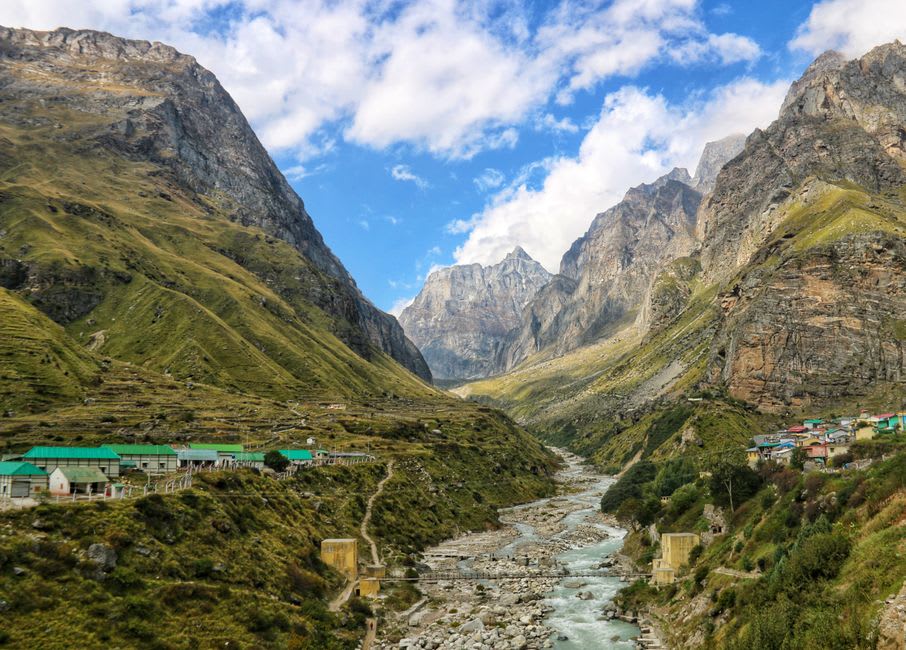
When to go: The temple is open only May through November, and the surrounding roads and villages are inaccessible in winter; aim for September or October when the monsoon crowds have thinned but the passes remain open.