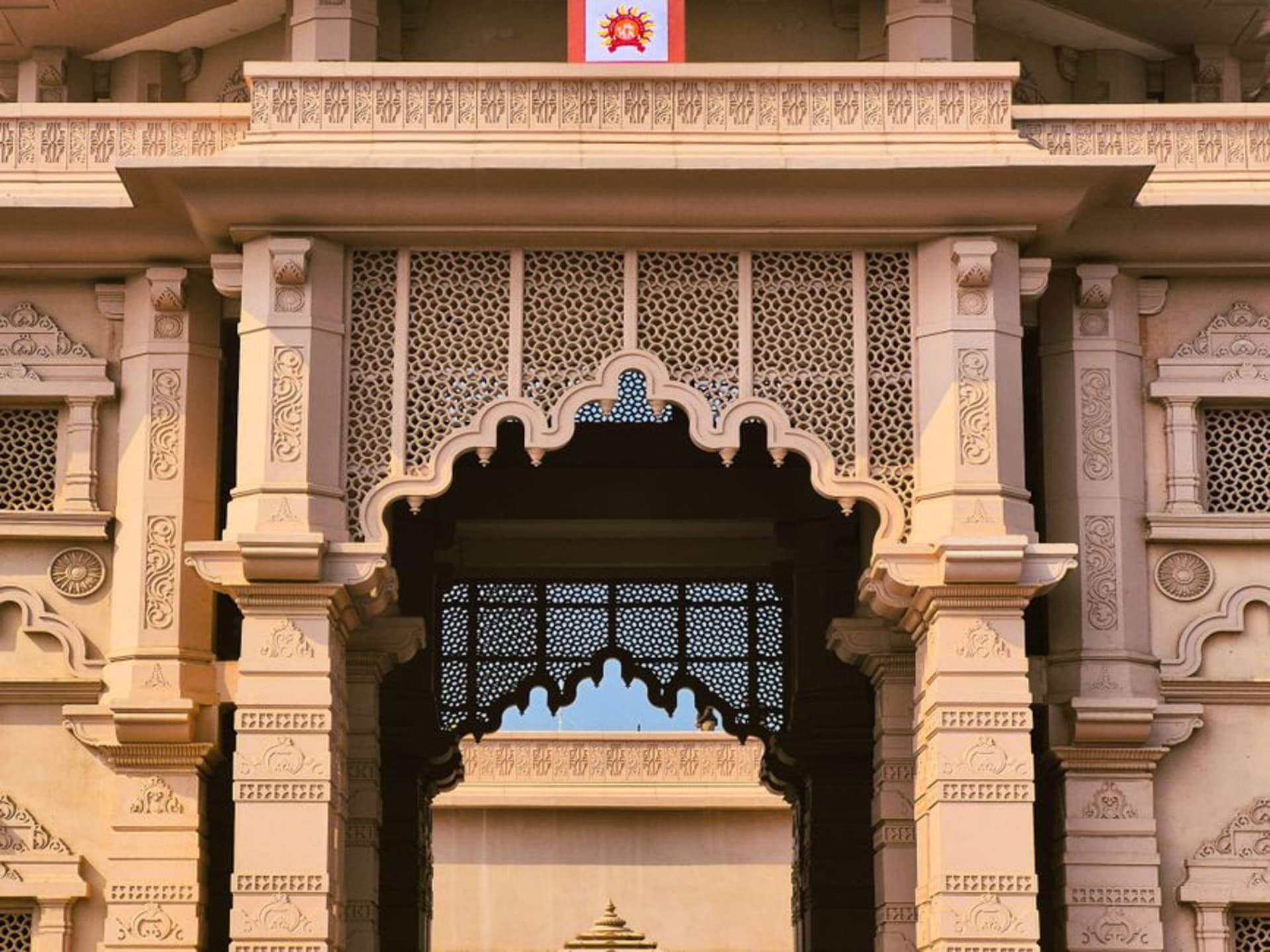
A pilgrimage town transformed almost overnight around the new Ram Mandir, where the Sarayu river ghats hold centuries of devotion and very recent history.
I’d been to Ayodhya once years before the temple opened, when it was a modest, slightly sleepy pilgrimage town with a disputed plot of land at its center and heavy security around it. Coming back after the Ram Mandir’s consecration, the difference was disorienting in the most literal sense — new roads where narrow lanes used to be, an airport where there hadn’t been one, hotel towers going up around what used to be quiet guesthouses. Ayodhya has been rebuilt at a pace and scale that few Indian cities experience even over decades, all of it oriented around a single site.
The Ram Janmabhoomi is believed by devotees to be the birthplace of Lord Ram, and the temple now standing on it — pale sandstone, intricately carved, still smelling faintly of fresh stone dust when I visited — draws pilgrims by the tens of thousands daily. I queued for close to two hours behind families who had traveled overnight from Bihar and Madhya Pradesh, some of them elderly, all of them uncomplaining, moving forward in a shuffle that felt less like a tourist queue and more like a slow-moving current. When I finally reached the inner sanctum, the noise of the crowd behind me fell away for the maybe fifteen seconds I was allowed to stand there, and I understood, briefly, what the wait had been for even as an outsider to the faith.
Sarayu ghats at dusk
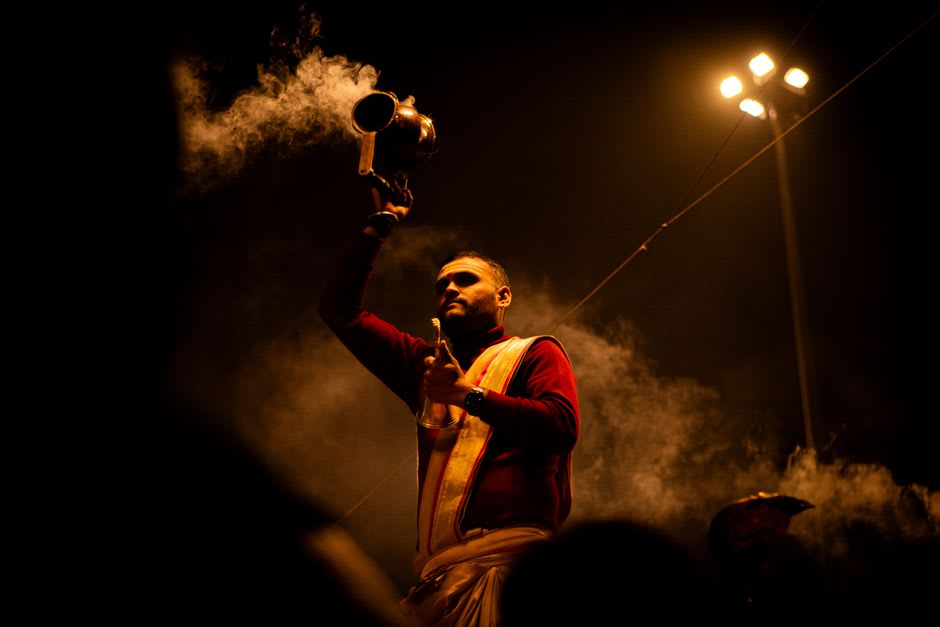
The Sarayu river, which runs along the town’s edge, has been central to Ayodhya’s religious life for far longer than the current temple has existed, and the ghats along its bank are where the town’s older, quieter rhythm still survives. I went down at dusk for the aarti, the ritual lamp offering, and found the steps lined with diyas, priests chanting into microphones that crackled slightly, and boatmen ferrying pilgrims out onto the water to release floating lamps downstream. The new temple’s illuminated silhouette was visible from the ghats, glowing gold against the darkening sky, a strange juxtaposition of the ancient river ritual and the brand-new monument sharing the same skyline.
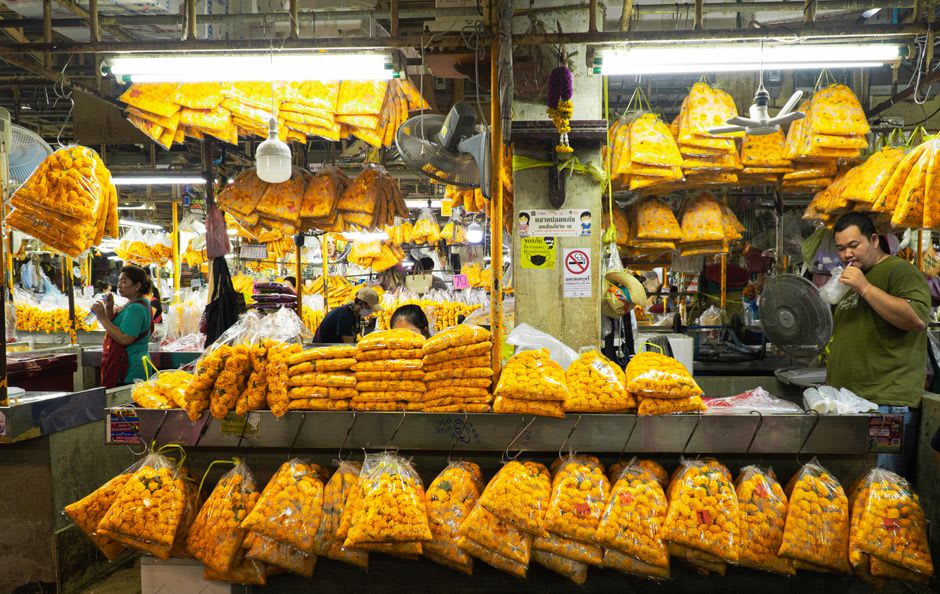
A shopkeeper near Hanuman Garhi, the hilltop temple dedicated to Ram’s devoted companion Hanuman, told me his family had sold prasad and marigold garlands from the same spot for three generations, but that the volume of visitors since the temple’s opening had multiplied beyond anything his grandfather could have imagined. He seemed both grateful and slightly bewildered by it, a reaction I noticed in several longtime residents — pride in the town’s new prominence mixed with nostalgia for how manageable it used to be.
When to go: October to March for comfortable temperatures and to avoid summer heat that makes the queues genuinely grueling. Ram Navami in spring draws the largest crowds of the year by a wide margin, so plan accordingly if you want to avoid or specifically experience the peak.