Aurangabad
"Everyone passes through Aurangabad on the way to somewhere more famous -- that's exactly why I liked it."
A dusty Deccan city that exists mainly as a gateway, but whose own ruined fort and marble tomb reward anyone who lingers a day longer than planned.
I landed in Aurangabad the way most people do: as a logistics decision. Ajanta is two hours north, Ellora forty minutes northwest, and every guidebook treats the city itself as a waiting room between the two. So I arrived with low expectations and a rickshaw driver named Iqbal who took personal offense at my plan to skip the city entirely. “One night,” he said. “See Bibi Ka Maqbara first. Then decide.” I did, and he was right to insist.
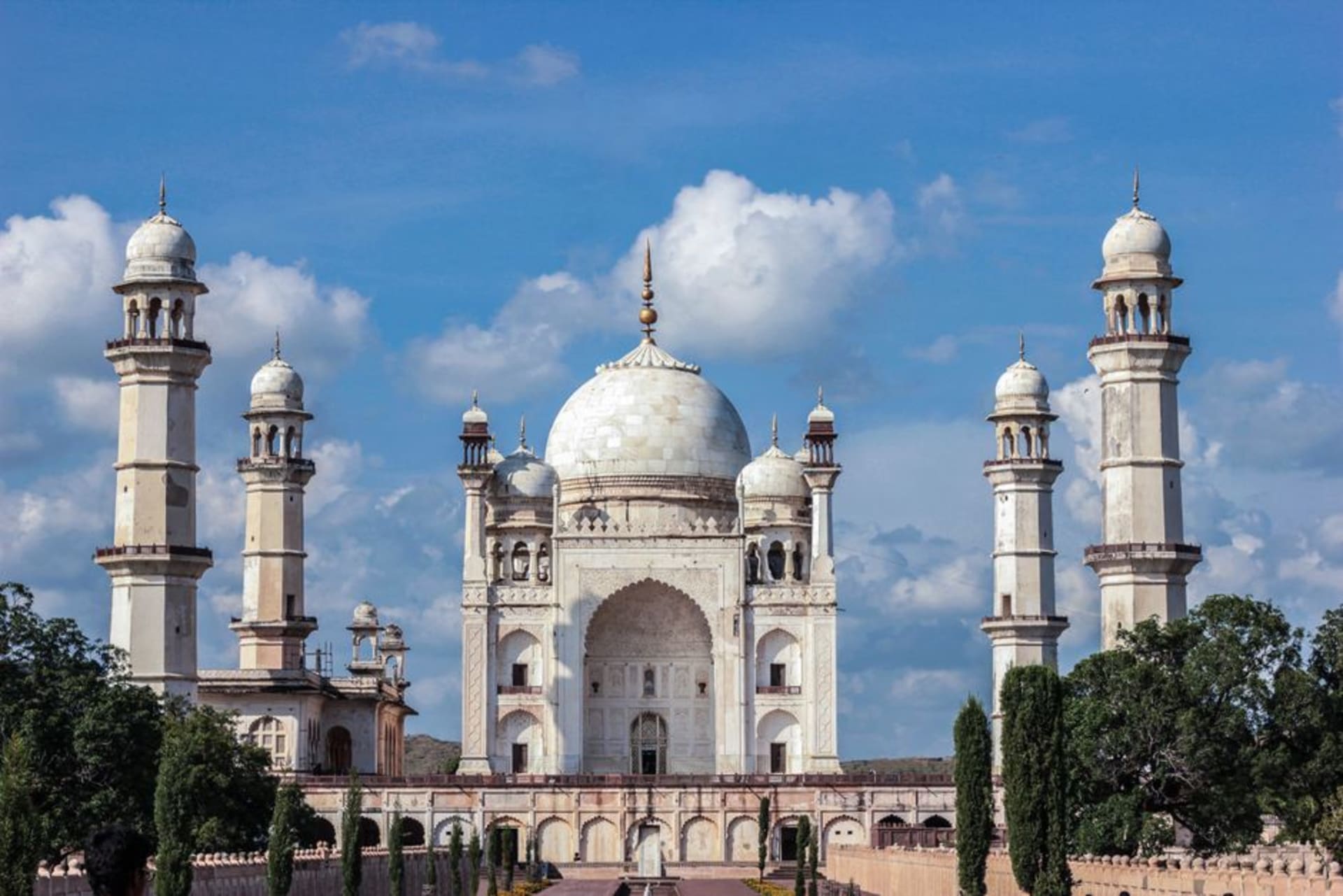
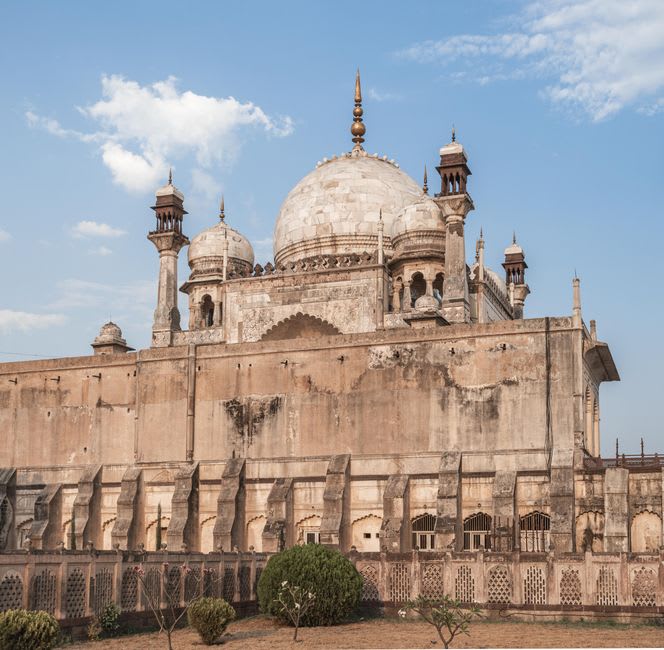
Bibi Ka Maqbara is the joke everyone makes before they see it — the “poor man’s Taj Mahal,” built by Aurangzeb’s son Azam Shah in the 1660s for his mother Dilras Banu Begum, using a fraction of the budget and, it’s often said, a fraction of the skill. Up close that comparison feels unfair. The marble cladding only covers the lower section, with plaster finishing the domes and minarets above, and the proportions are noticeably squatter than the original in Agra. But standing in the fading light with the call to prayer drifting over from a nearby mosque, watching local families picnic on the lawns rather than fight for a photo angle, I found something the actual Taj Mahal has lost entirely: a monument you can simply sit with.
Daulatabad’s spiral trap
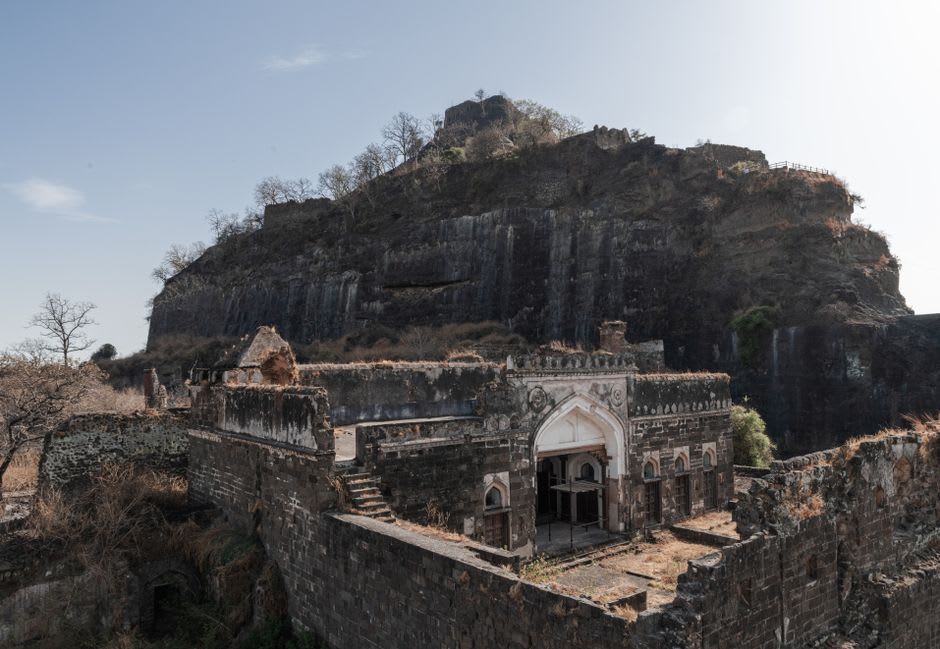
The next morning Iqbal drove me to Daulatabad Fort, and this is the part of Aurangabad that stayed with me longest. Built on a conical hill and originally named Devagiri, it was briefly — and disastrously — made the capital of the Delhi Sultanate in 1327, when Muhammad bin Tughluq forced the entire population of Delhi to march here, a thousand kilometers south, only to march most of them back a few years later when the water supply failed. The fort itself was engineered to be unconquerable: a moat that could be flooded with crocodiles, a pitch-black spiral tunnel carved through the rock that attackers would have to navigate blind while defenders poured oil and smoke in from above, and walls that climb nearly two hundred meters to a citadel at the summit. I climbed the whole thing in the mid-morning heat, sweating through the dark tunnel with my phone flashlight and a stranger’s hand on my shoulder for balance, and came out the other side onto a rampart with views stretching across the entire Deccan plateau.
Aurangabad’s old city carries its Mughal and Nizam-era history in quieter ways too — gateways, mosques, and bazaars selling Himroo, a local silk-and-cotton weave developed centuries ago to imitate the far more expensive Kinkhwab brocade once reserved for royalty. I bought a scarf from a third-generation weaver whose grandfather had supplied the Nizam of Hyderabad’s court, and he showed me the handloom itself, still in use, still slower and better than anything mechanized.
When to go: October through February, when Deccan heat drops to something climbable — Daulatabad’s exposed stone stairs are brutal by 10am from March onward. This window also lines up perfectly with visiting Ajanta and Ellora on the same trip.