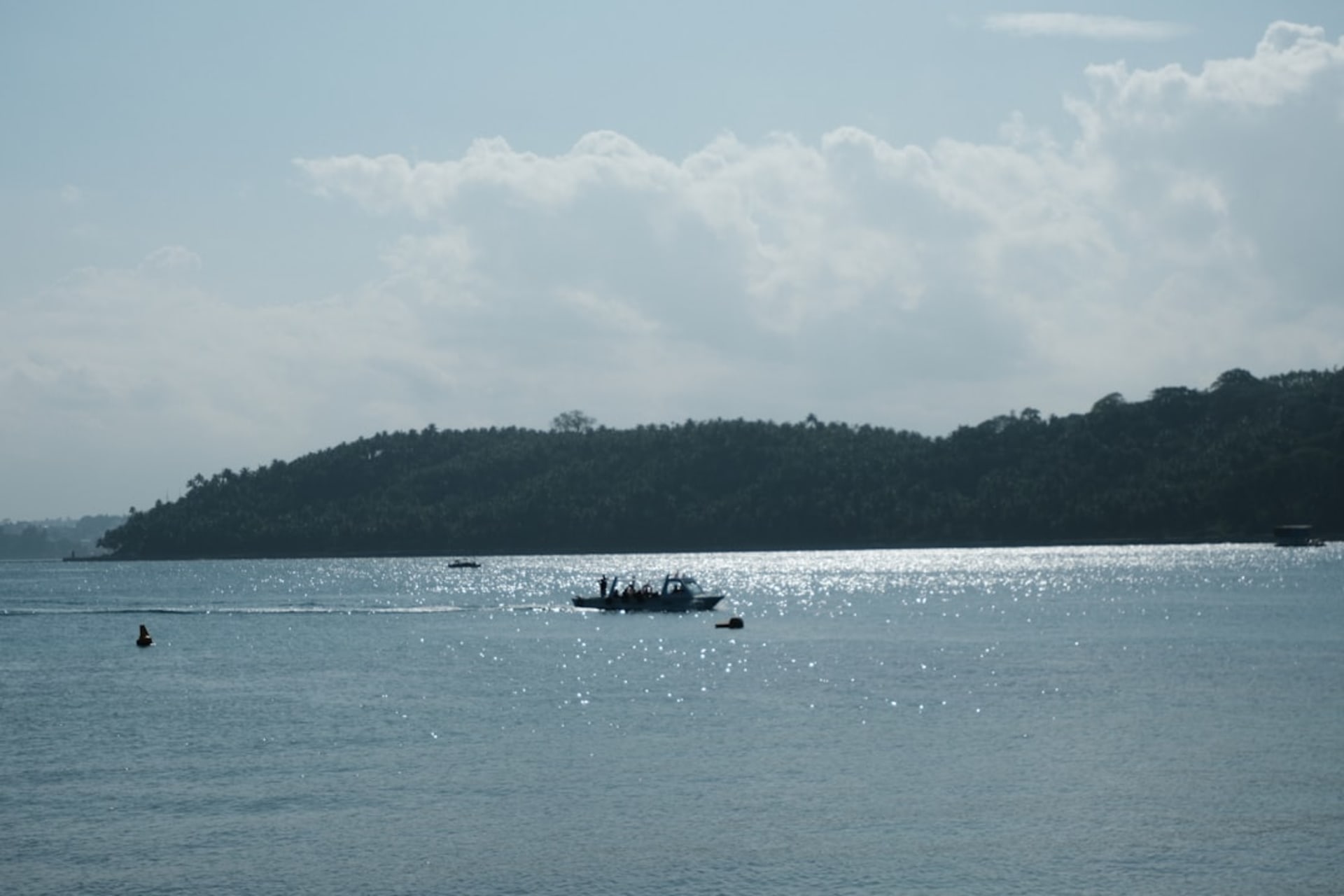
Andaman Islands
"The India that doesn't feel like India at all -- until the ferry breaks down and reminds you exactly where you are."
A colonial prison, a tribal territory the modern world is asked to leave alone, and some of the clearest water in the Indian Ocean, scattered across a remote archipelago.
The flight into Port Blair drops you over water so many shades of blue that I found myself pressing my forehead against the window like a kid, trying to work out where the reef ended and the open sea began. It’s a strange sensation, arriving in the Andamans — geographically closer to Myanmar and Thailand than to mainland India, culturally still unmistakably Indian in its bureaucracy and its chai stalls, and ecologically its own universe entirely. I landed with a list of permits to sort out (foreigners need a Restricted Area Permit, issued on arrival, valid for thirty days) and a mild sunburn by the end of my first hour simply standing in line for it.
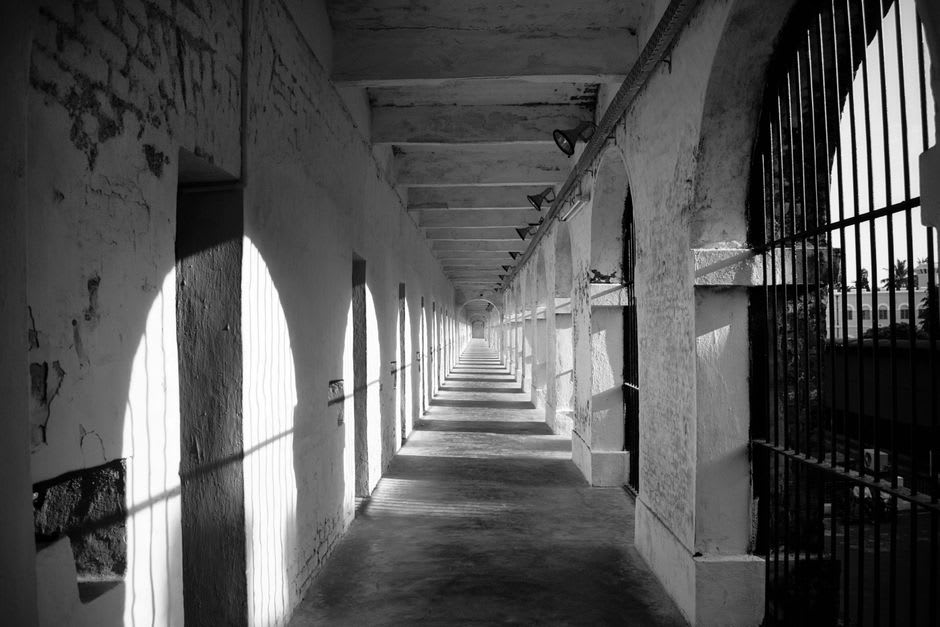
Port Blair’s essential stop is the Cellular Jail, and it’s heavier than most people expect from an island paradise’s main city. Built by the British between 1896 and 1906, it was designed on a radiating, spoke-like plan so that guards at the center could observe every wing without the prisoners seeing each other — a nineteenth-century panopticon used specifically to isolate India’s freedom fighters and political prisoners from each other and from the mainland. I walked the corridors in the late afternoon, past cells barely large enough to lie down in, and stood in the courtyard for the sound-and-light show that plays out the jail’s history each evening. It’s not an easy visit, and it shouldn’t be — this was one of the darker instruments of colonial control anywhere in British India, and the museum inside doesn’t soften it.
The reefs, and the people who ask you to keep your distance
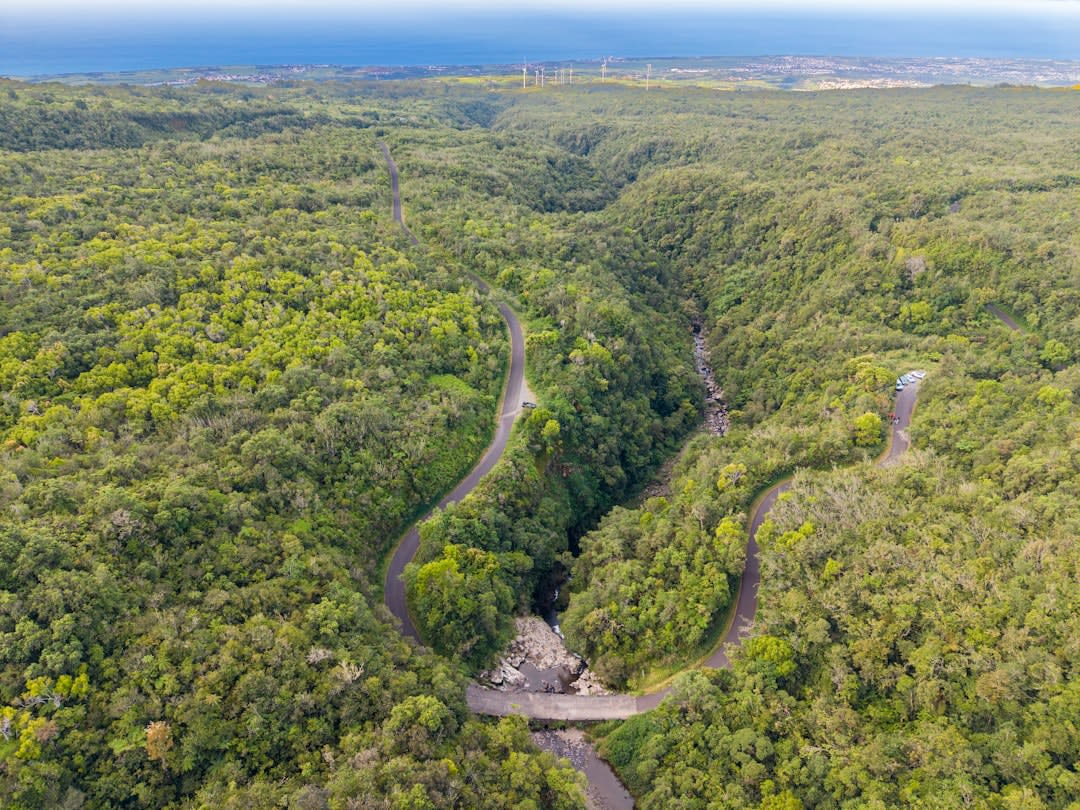
What draws most visitors, understandably, is the water. The archipelago’s reefs are among the healthiest in Indian territory, and day trips out of Port Blair to North Bay and Ross Island turn up parrotfish, clownfish, and coral gardens in visibility that regularly hits twenty or thirty meters. But the Andamans hold something else too: parts of the islands, particularly around the Jarawa Tribal Reserve that the Andaman Trunk Road cuts straight through, are home to indigenous communities who have lived here for tens of thousands of years and have made it clear, through decades of activism and government policy, that they want no contact with the outside world. Photographing or attempting to interact with Jarawa individuals is illegal, and the bus convoy I took through the reserve en route to Baratang was under strict instruction: windows up, no photos, no stopping. It was a sobering reminder that not every remote place wants to be discovered, and that “untouched” is sometimes a description of a boundary people are actively fighting to keep, not an invitation.
When to go: November to April for calm seas and the best diving visibility; avoid May through September, when the southwest monsoon churns the water and cancels inter-island ferries without much warning.