Ahmedabad
"Ahmedabad doesn't announce its history -- you have to walk into a courtyard to find it."
India's first UNESCO World Heritage City, where Gandhi's ashram sits quietly on the Sabarmati riverbank and the old pol houses hide centuries of carved wooden facades.
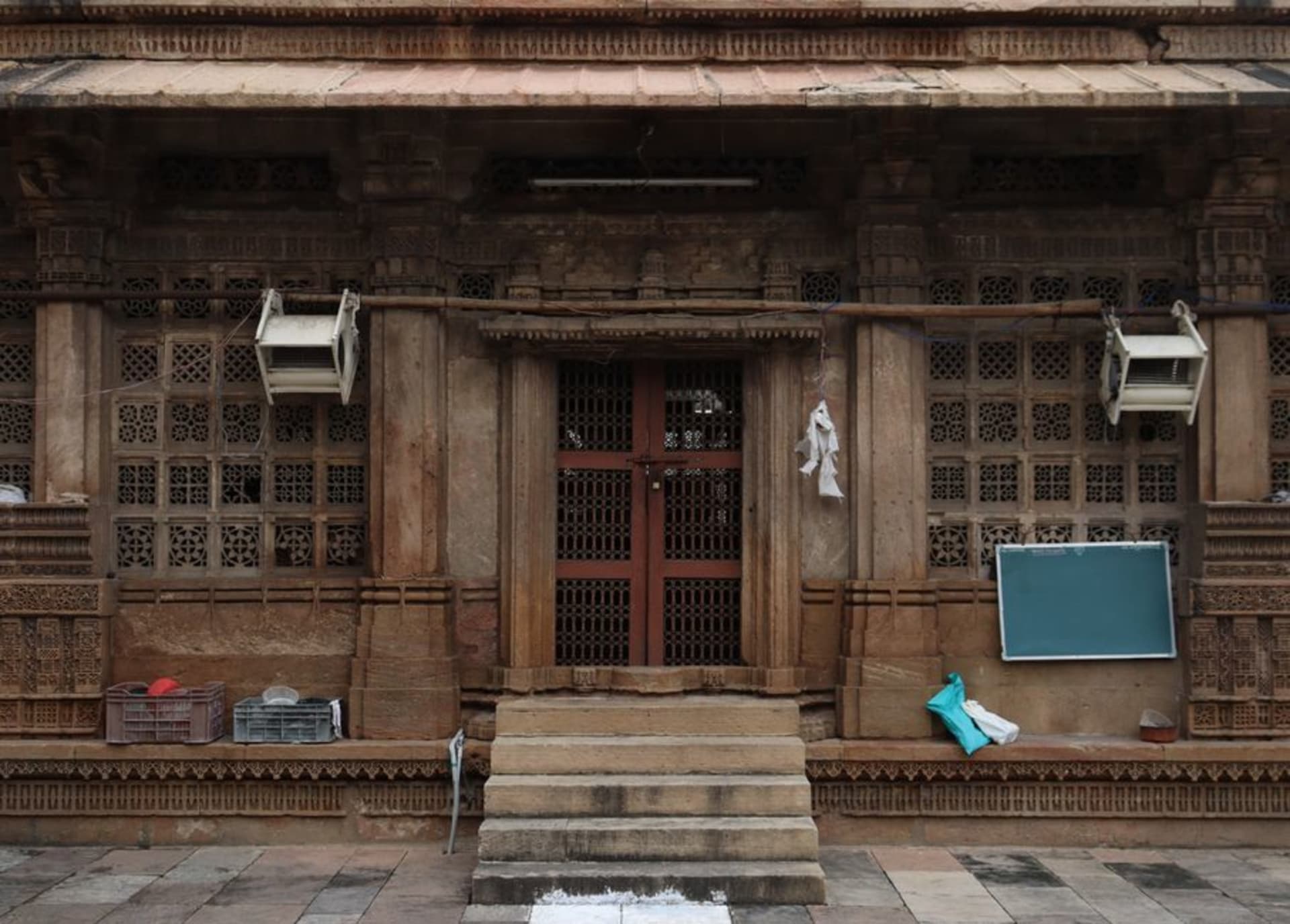
I spent my first hour in Ahmedabad completely lost inside a pol, one of the old city’s tightly packed residential clusters, and it turned out to be the best possible introduction. Pols are gated micro-neighborhoods built centuries ago for mutual defense and community life, and walking through one — Mandvi ni Pol, in my case, with a local architecture student who’d offered to show me around after we struck up a conversation at a chai stall — means passing beneath carved wooden lintels, past havelis with elaborately latticed jharokha balconies, and through communal squares where kids were flying kites between buildings that predate most European capitals’ oldest surviving quarters. Ahmedabad became India’s first UNESCO World Heritage City in 2017, largely on the strength of this six-hundred-year-old urban fabric, and yet almost nobody outside Gujarat seems to know it exists.
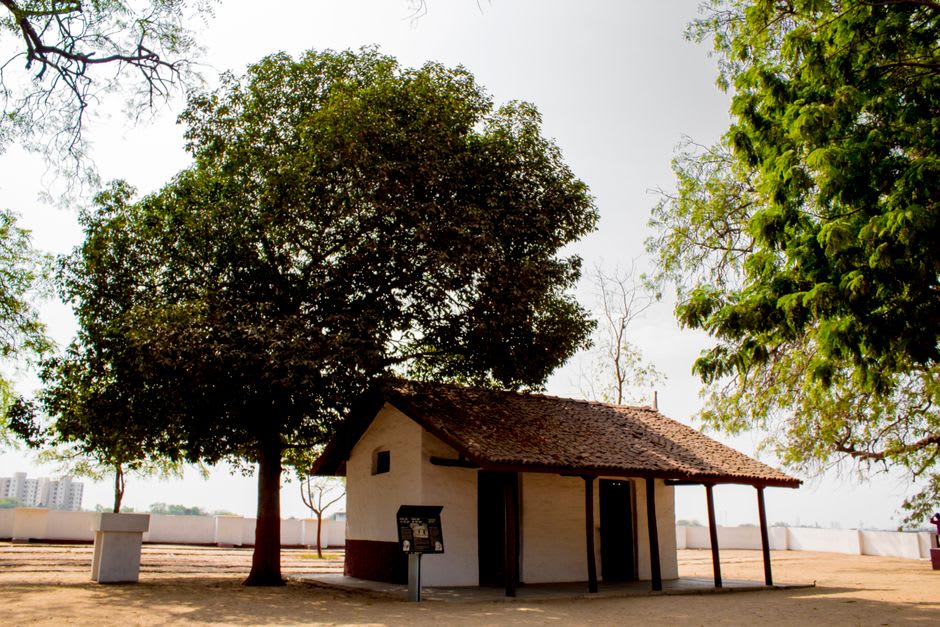
The Sabarmati Ashram sits on the quieter, calmer side of that same history. Gandhi established it in 1917 on the banks of the Sabarmati River, and it was from here, in 1930, that he began the Salt March to Dandi in protest of the British salt tax — a 240-mile walk that became one of the defining acts of the independence movement. The ashram today is deliberately plain: a few simple cottages, Gandhi’s spartan living quarters preserved almost exactly as he left them, a spinning wheel, a small museum of photographs and letters. I sat on the riverbank steps outside for close to an hour after the museum closed, watching the Sabarmati move past in the evening light, and the quiet felt intentional — a monument to restraint, in a country that doesn’t always default to it.
Stepwells, street food, and a river reborn
Adalaj Vav, a stepwell about twenty minutes outside the city, is the kind of structure that photographs poorly and stuns in person. Built in 1499, it descends five stories underground in an octagonal shaft carved with intricate floral and geometric relief, engineered so that travelers and villagers could reach cool water and shade even in Gujarat’s punishing dry-season heat. Standing at the bottom looking up through the carved stone levels toward a distant square of sky, the temperature dropped noticeably with each flight, an air-conditioning system built five centuries before anyone had the word for it.
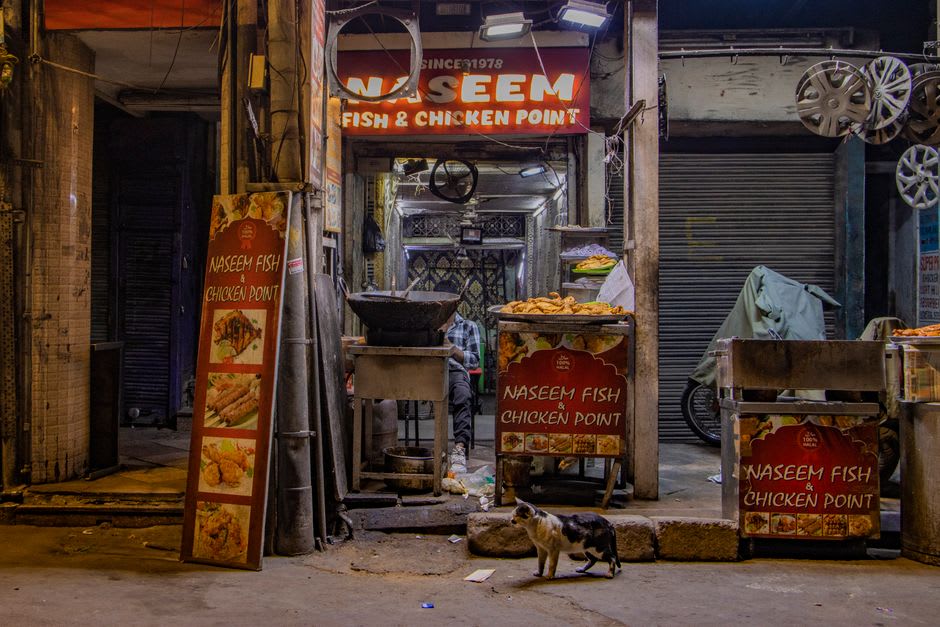
Ahmedabad’s food scene, meanwhile, is where the city stops being solemn. I ate my way down Manek Chowk after dark — pav bhaji fried on a giant tawa, dabeli, and a bizarre, wonderful chocolate-and-cheese sandwich toasted on a street cart — surrounded by families out for the evening in a market that transforms completely between its daytime jewelry-and-vegetable trade and its nighttime food-stall identity.
When to go: November to February, when daytime temperatures are manageable enough to actually walk the old city’s pols — Ahmedabad’s summers are among the hottest of any major Indian city and best avoided entirely.