Puerto Iguazú
"Every town built around one extraordinary thing develops a particular quality of patience. Puerto Iguazú has it in spades."
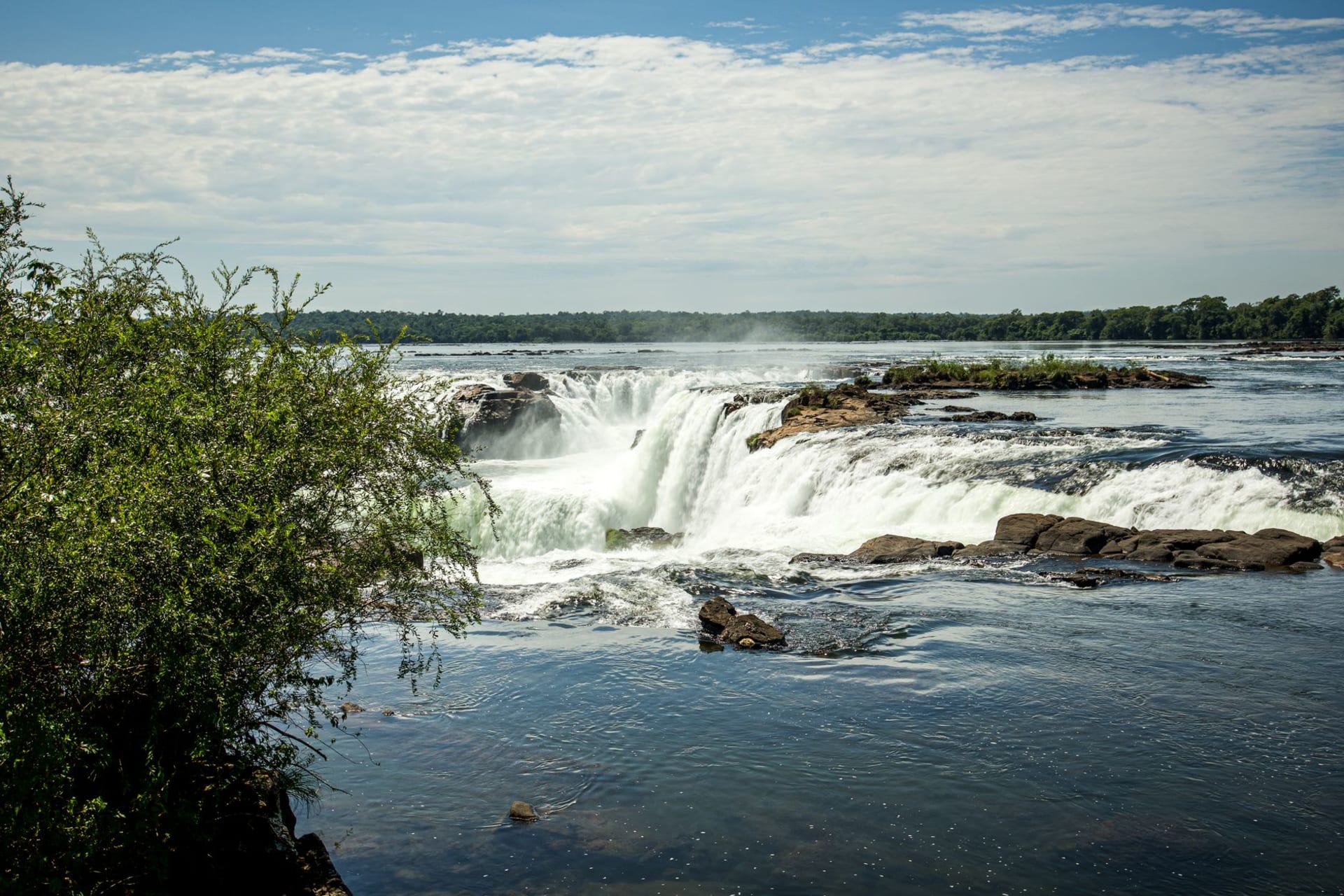
Puerto Iguazú smells like diesel and fried dough in the morning, which I mean as a compliment. The chipa vendors near the bus terminal are there before the tourist agencies open, and the small cheese-bread rolls they sell — dense and slightly elastic, still warm — are exactly the kind of food that makes a border town feel like itself rather than like a staging post. I bought two my first morning and ate them walking toward the waterfront, where the rivers converged through the trees and the sun was still low enough to make the Paraná go orange.
The town gets dismissed in travel writing — “just a base for the falls,” the phrase goes — but this is the kind of dismissal that comes from people who stayed two nights and didn’t explore past the main drag. Puerto Iguazú is a small city of sixty thousand people who have built something genuinely liveable around the edges of an enormous tourist infrastructure, and the gap between tourist-facing streets and the residential barrios behind them is not very large. Walk four blocks from the main street and you’re in quiet residential streets with fruit trees in the gardens and dogs asleep in driveways and the smell of someone’s lunch coming through an open window. The town earns its living from the falls but it doesn’t perform for the tourists who pay that living.
The waterfront strip near the hito argentino — the stone marker where Argentina, Brazil, and Paraguay converge — is the best place to sit and feel the particular geography of where you are. Three countries visible from one spot, each with a different relationship to the same river. The Brazilian lights of Foz do Iguaçu wink from across the water. Paraguayan Ciudad del Este hums in the distance. Puerto Iguazú sits at the point quietly, as if accustomed to being the vertex of this particular triangle.
For dinner, the surubí is the right call. This large, whiskered river catfish is to the Iguazú basin what the trout is to Patagonia — the fish you eat when you’re here, not everywhere else. El Quincho del Tío Querido does it best: grilled with chimichurri, served with plain rice and a cold Quilmes. The room is loud with the specific noise of an Argentine restaurant that’s been doing the same good thing for thirty years: the clatter of heavy plates, conversations competing without effort, the waitstaff moving with efficient certainty.
The night market on the central street runs until late and sells the usual artisan things — mate gourds, leather goods, paintings of the falls on black velvet that achieve a quality of kitsch so sincere it circles back around to something endearing — but also produce, and it’s worth picking up fresh fruit for the next morning’s park visit before the vendors pack up.
When to go: Puerto Iguazú is comfortable year-round. The town is liveliest during Argentine school holidays in July and January, but this is also when accommodation books up fast. The quietest and most pleasant time is May through August: cooler temperatures, shorter queues at the park, and the same surubí at the same tables.