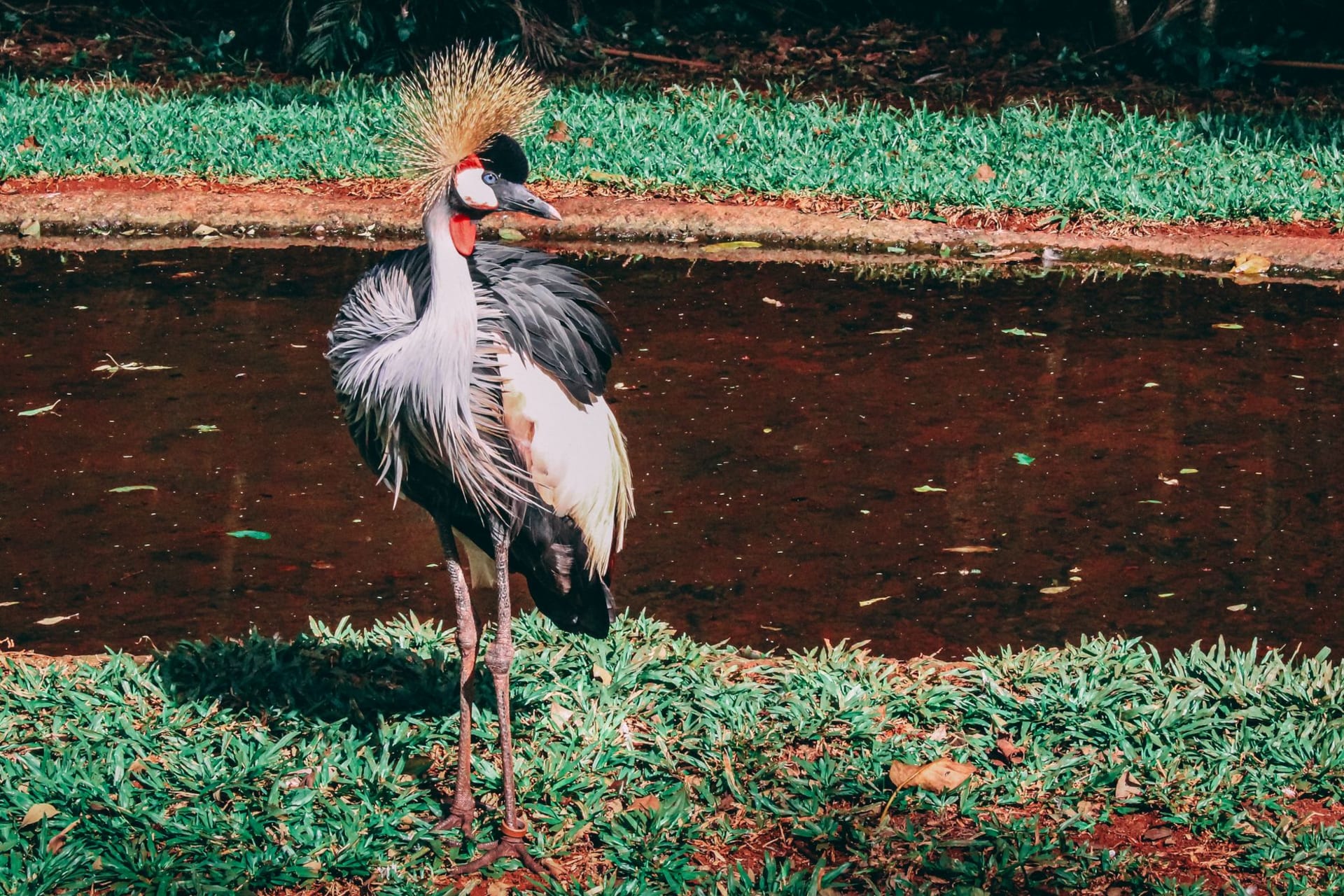
Parque das Aves
"At Parque das Aves, the birds don't perform for you. You just happen to be in their space for a while."
I arrived at Parque das Aves with moderate expectations and a camera with a nearly full battery, both of which I’m grateful for in retrospect. The park sits adjacent to the entrance of the Parque Nacional do Iguaçu on the Brazilian side, which means most visitors walk past it on the way to and from the falls, and the ones who stop rarely stay longer than ninety minutes. I stayed three hours and would have stayed longer if my ferry back to Puerto Iguazú hadn’t set a hard deadline. The park is not a zoo and it’s not quite a wildlife sanctuary in the conventional sense — it’s something stranger and more personal: a series of walk-through aviaries large enough to have their own microclimates, each built around the specific ecological requirements of different bird communities.
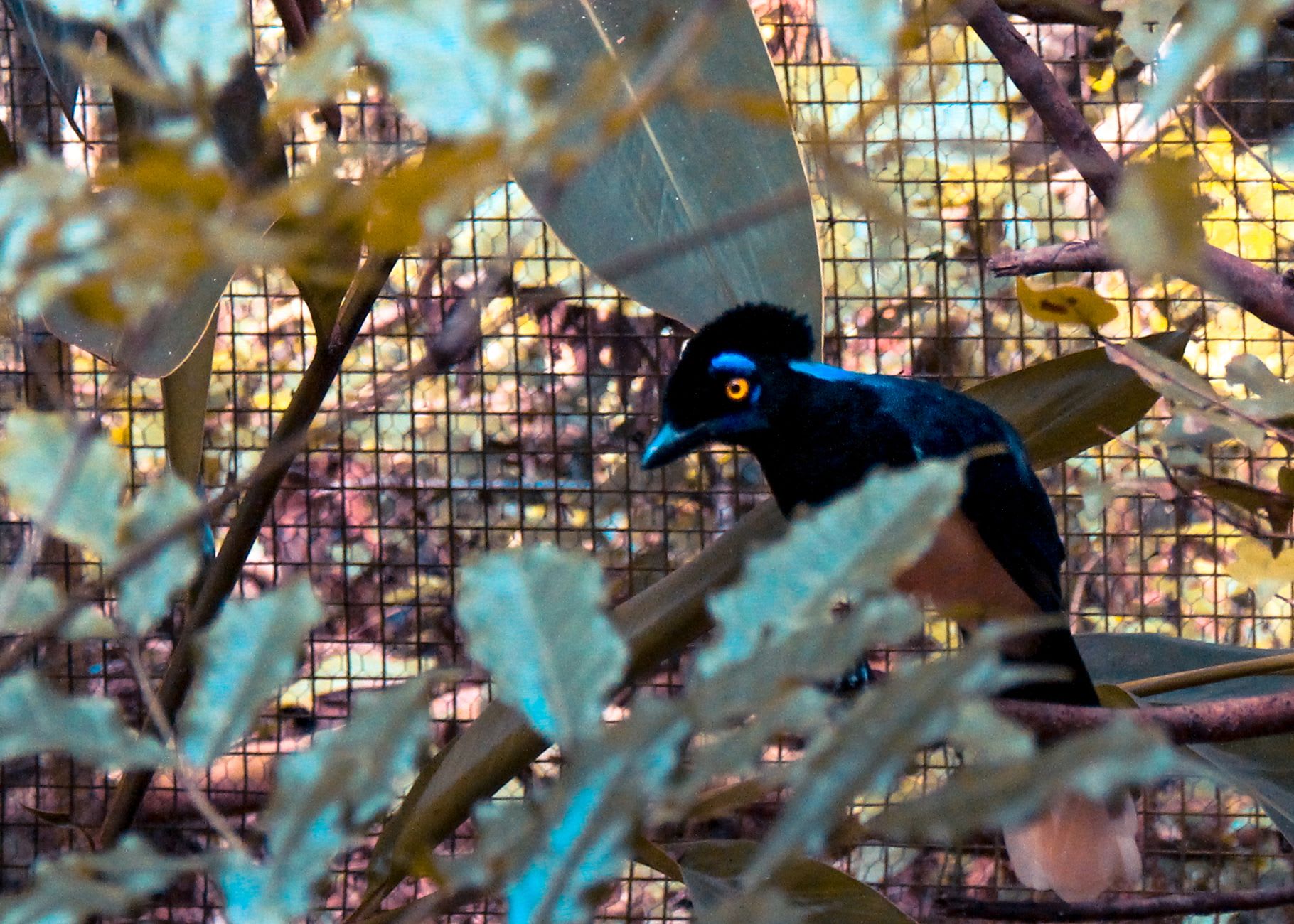
The toucan aviary alone would justify the entrance fee. I walked in through the double-door entrance and stood still for a few minutes, and within ninety seconds a toco toucan had landed on a branch six feet from my face and was regarding me with the specific combination of intelligence and composure that toucans carry as though they know their bill makes them photogenic and have decided to be blasé about it. The bill was larger in person than photographs suggest — a third of the bird’s entire body length, primarily orange with a stripe of blue near the base, and when it tilted its head the light caught different facets of it. I took thirty photographs. Most of them were blurred because my hands were unsteady with the proximity.
The scarlet macaw aviary is the most disorienting: several hundred birds in a space with full-grown trees, and when a group of them decides to relocate across the canopy simultaneously, the noise is a wall of sound and the colour is a moving painting. But the most affecting moment came in the hummingbird enclosure — a small greenhouse building entered through yet another double door — where something between sixty and eighty different hummingbird species share a space filled with flowering plants, and the constant motion of wings invisible at their operating speed creates a sound like someone running a thumb along the teeth of a very fine comb, everywhere at once. I stood in the middle of it for ten minutes without moving and something about the scale of that sound, so small and so total, made me feel calmer than anything had all week.
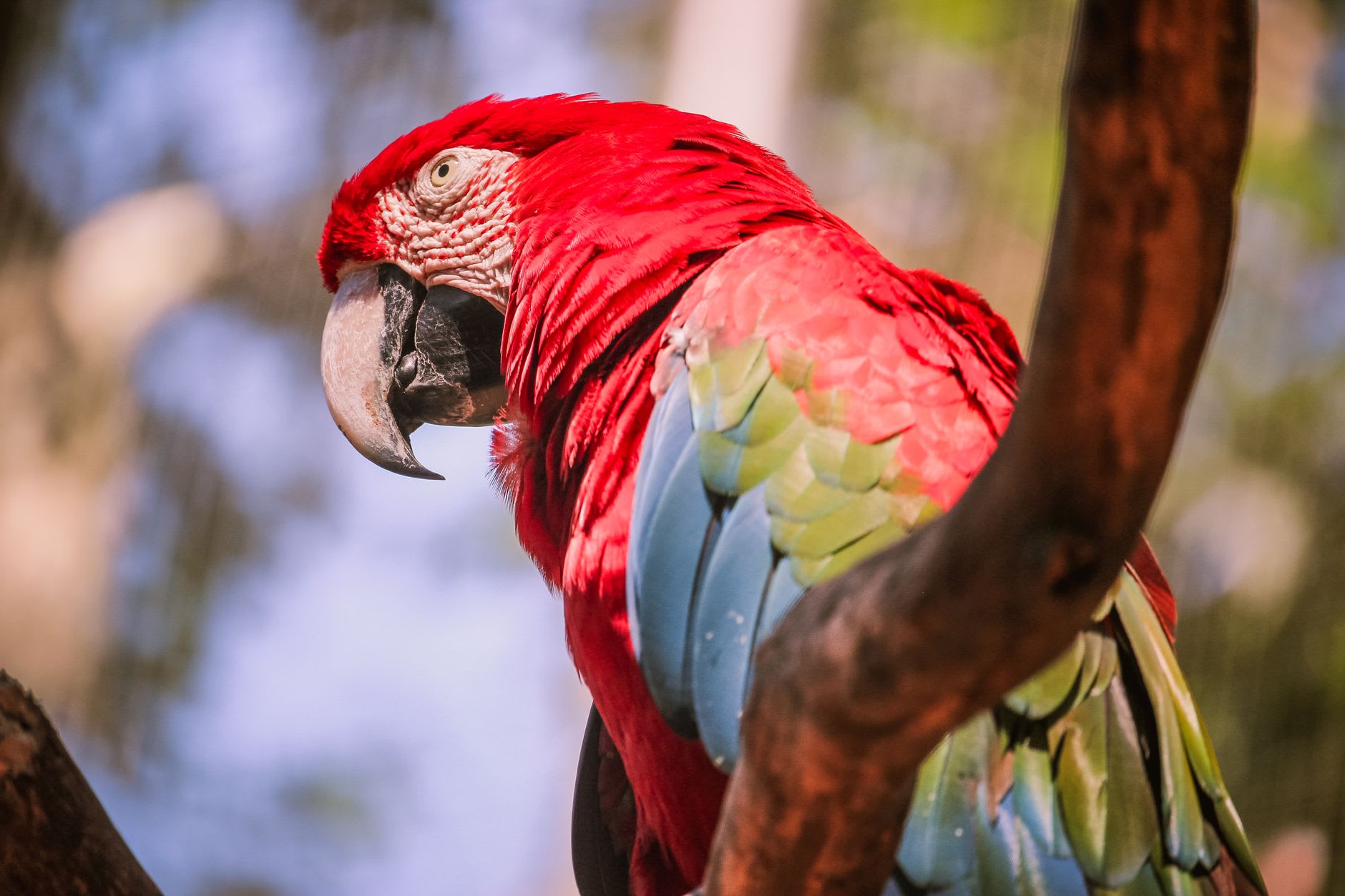
The park also runs a conservation program for the Spix’s macaw — the blue bird made famous by the film Rio and assumed extinct in the wild since 2000 — along with several other critically endangered Atlantic Forest species. The program is not theatrical about this but the information boards are sobering. Atlantic Forest, I read, is one of the most biodiverse biomes on Earth and one of the most threatened, with less than 12% of its original coverage remaining. The birds in these aviaries are not just attractions. Several of them represent the last living representatives of their ecological community.
When to go: Parque das Aves is open daily and is one of the few attractions in the area that rewards a visit regardless of weather — the aviaries provide cover and the birds are active in all conditions. Allow at least two hours; three is better. Combine it with the Brazilian side of the falls and you’ll have a full day on the Brazilian side before crossing back to Argentina in the evening.