Itaipú Dam
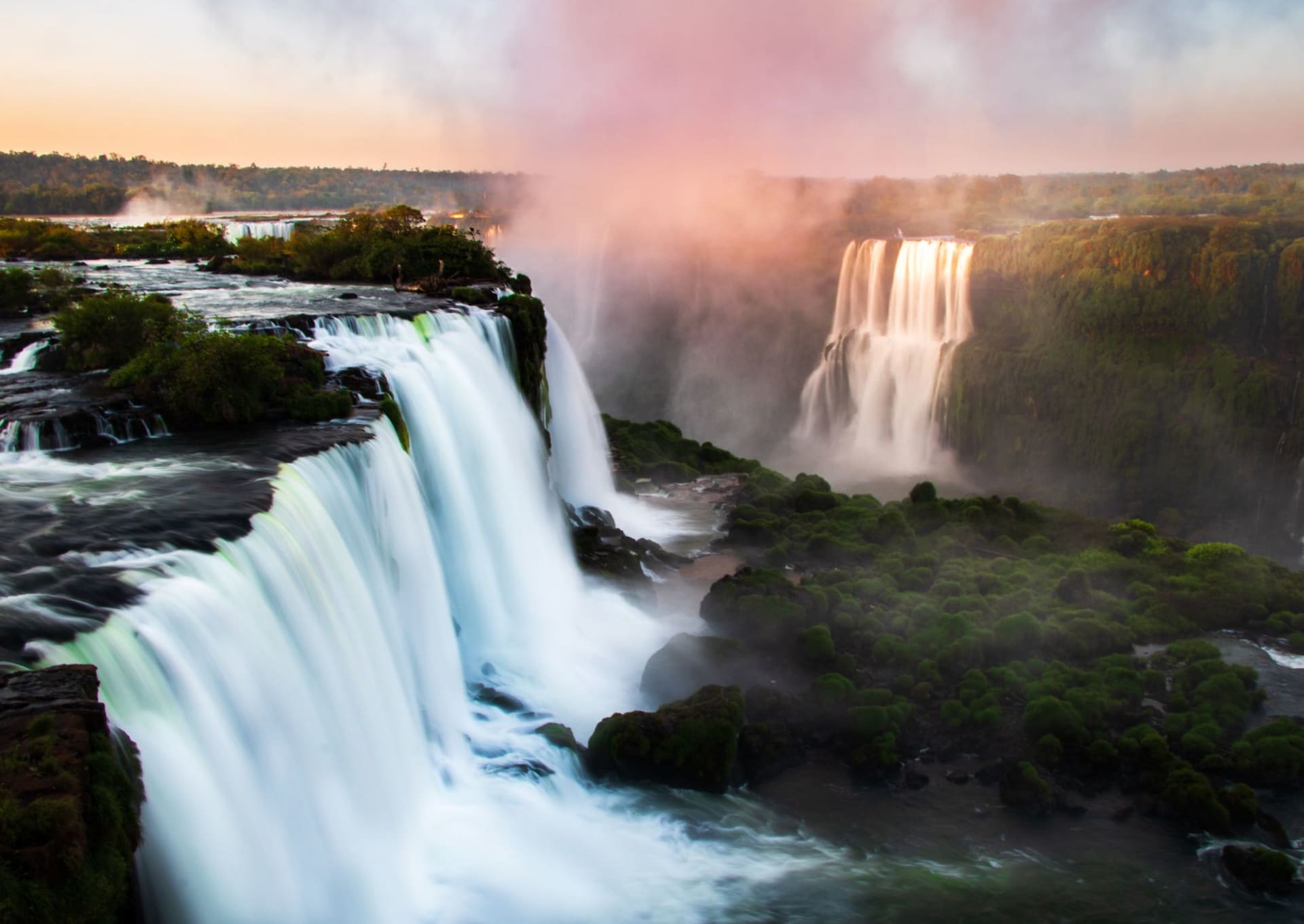
"Standing at the base of the Itaipú Dam, I felt something close to what I felt at the Devil's Throat — the helplessness of being very small near something that doesn't notice."
I went to Itaipú on an impulse, which is probably the right way to arrive at a dam. The idea had seemed too industrial on paper — a concrete wall across a river, the antithesis of the organic spectacle up the road at the falls — but a Brazilian traveller at my hostel table in Foz do Iguaçu had said, with the conviction of someone who’d been surprised by something, that it was worth the afternoon. She was the third person to say it. So I took a taxi the eighteen kilometres north along the Paraná and arrived at the visitor centre two hours before the last tour of the day.
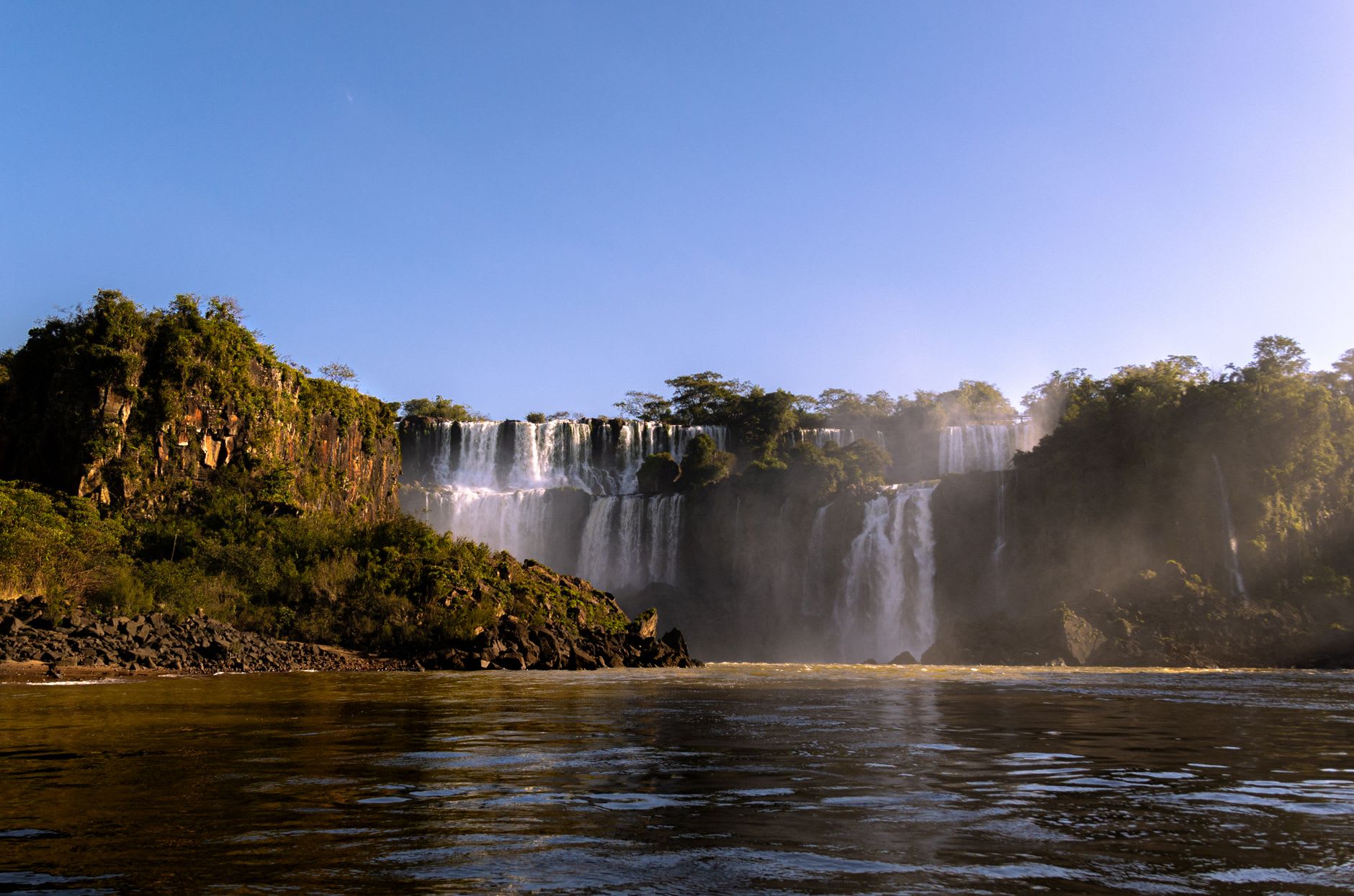
Itaipú is, by electricity generation, the world’s most productive hydroelectric plant. The numbers on the tour are delivered with the practiced energy of guides who understand that raw statistics fail to communicate scale, so they’ve developed analogies: the amount of concrete used to build it could construct 210 football stadiums. The steel and iron could build 380 Eiffel Towers. The reservoir flooded an area the size of Luxembourg. The dam produces enough electricity to power the entire country of Paraguay and supply around 16% of Brazil’s energy needs simultaneously. I wrote these numbers in my notebook and then stared at the dam wall trying to make them real and could not, quite.
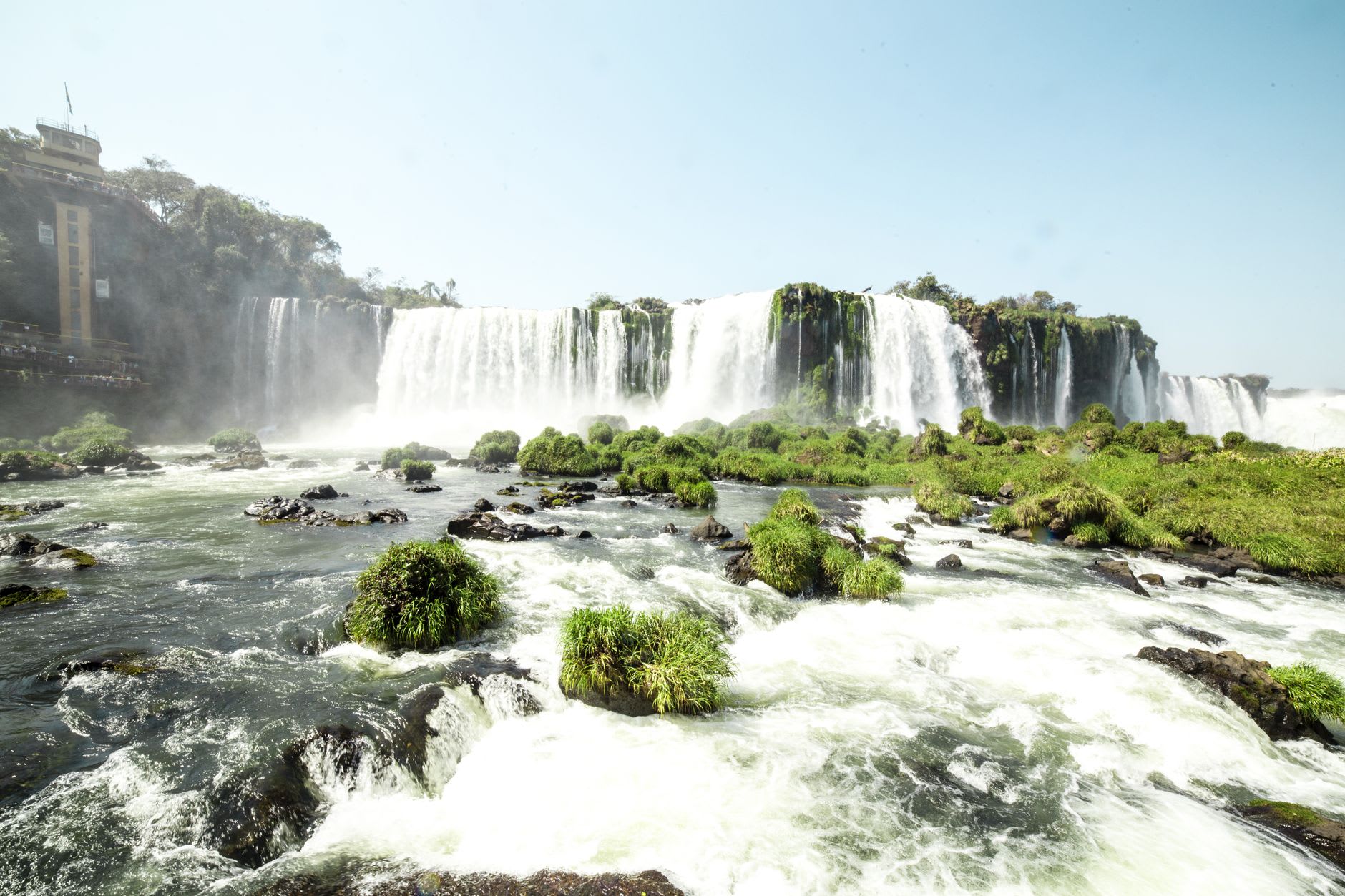
What the numbers don’t prepare you for is the sound. The spillways, when active, produce a roar audible from several kilometres away. The day I visited, only two of the fourteen spillway channels were open, and even the partial flow — over 3,000 cubic metres per second — sent a vibration through the concrete of the viewing platform that I felt in my molars. The mist came up off the churning water below in a column that recalled the Garganta del Diablo, which made an odd symmetry: one end of the Paraná system producing mist through wild geological chaos, the other through managed engineering excess.
The dam is jointly owned by Brazil and Paraguay, which gives the whole complex a slightly uncanny bi-national administrative quality — bilingual signage, two separate sets of generators on each bank, a border running exactly down the middle. The visitor centre has a surprisingly good exhibition on the ecological mitigation efforts and the resettlement of affected communities, which is presented with more honesty about the human costs than I expected from institutional PR. They explain what was lost alongside what was gained. I appreciated the candour, though the Sete Quedas falls — once the most voluminous waterfall in the world, now entirely submerged beneath the reservoir — represent a loss that no exhibition can adequately account for.
When to go: Tours run daily and depart frequently throughout the day. The afternoon light makes the dam more photogenic and the spillways more dramatic. Book the panoramic tour rather than the basic version — the additional viewing points from the top of the dam wall justify the price difference. If you’re already at the falls, this is an easy half-day excursion from either Foz do Iguaçu or Puerto Iguazú.