Tihany
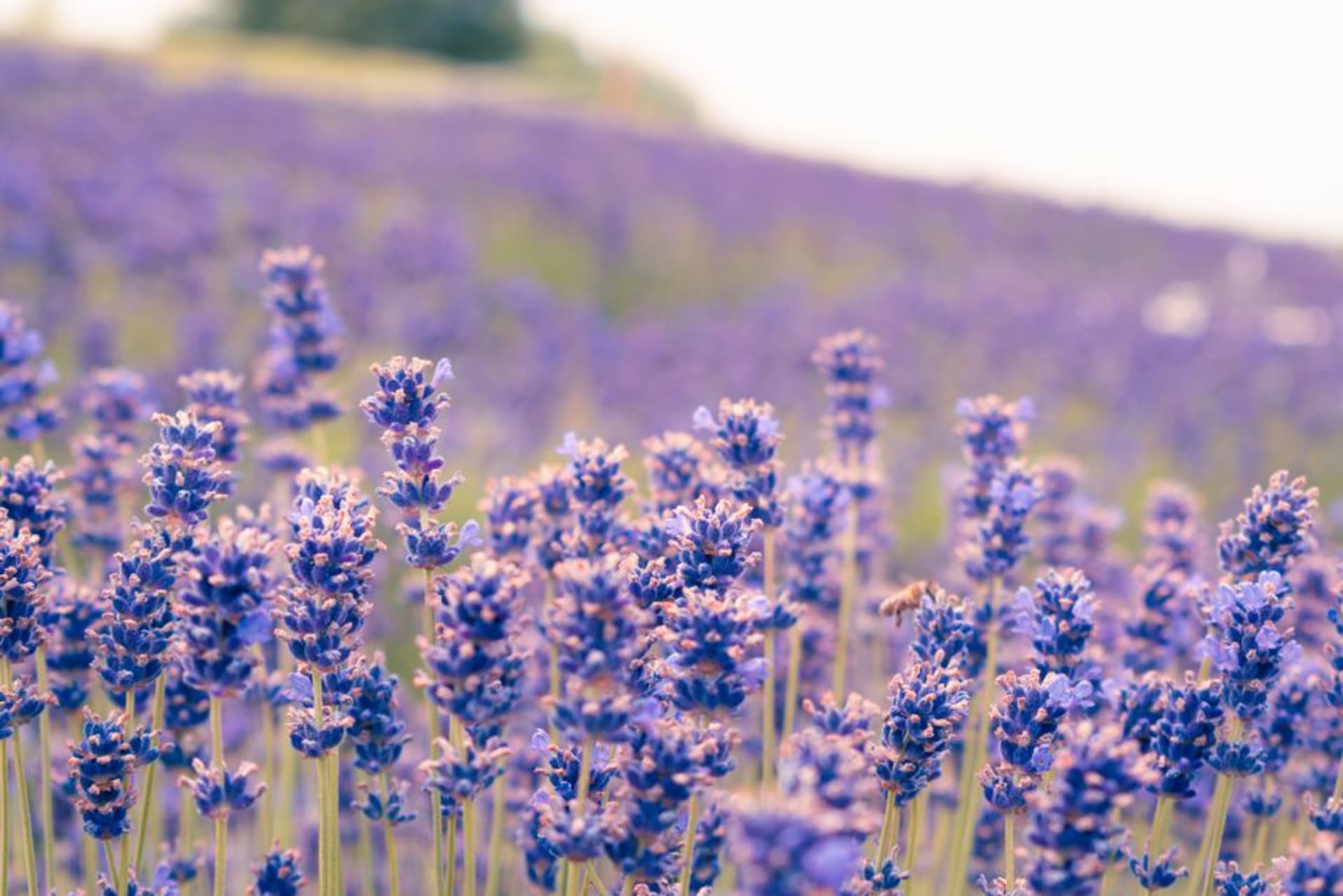
"Lia stopped the car halfway up the hill because the lavender field just appeared, purple rows running straight down toward Balaton, and neither of us said anything for a minute."
A peninsula on Lake Balaton where purple lavender fields roll down to the water beneath a Benedictine abbey standing watch since 1055.

Everyone who’s spent a summer in Hungary tells you to go to Balaton, and most of them mean the party towns on the southern shore — Siófok, mainly, with its beach clubs and boat parties. Tihany is the other Balaton, the one people mention more quietly, almost like they want to keep it for themselves. It’s a peninsula jutting into the lake’s northern side, and it holds two things that don’t usually belong in the same sentence: a working Benedictine abbey founded in 1055 and fields of lavender that turn the hillsides violet every July.
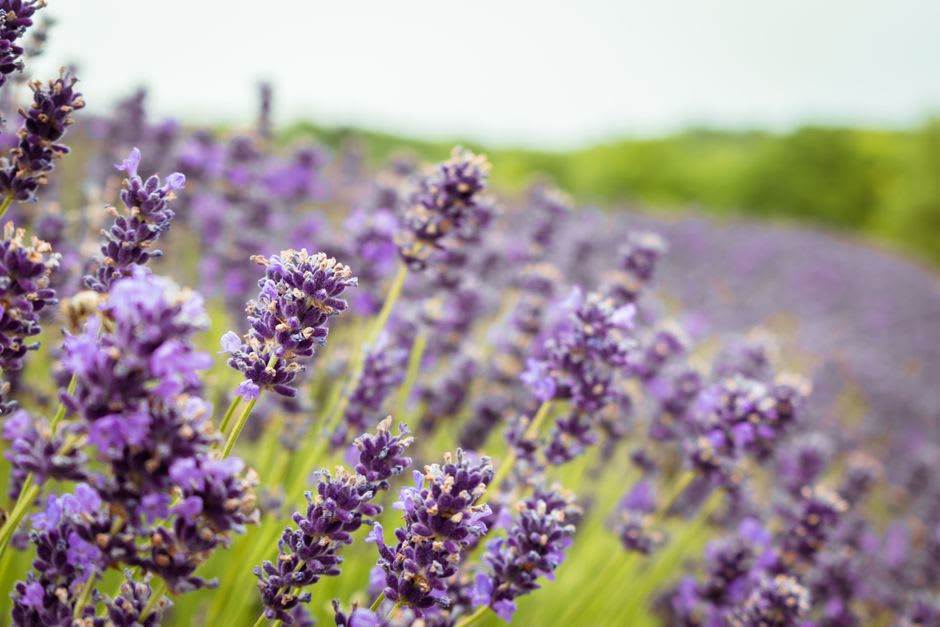
We drove up in early July, which turned out to be exactly right — the lavender was at full bloom, rows of it running down the slope of the old crater toward the lake, and the smell hit before the view did, drifting through the car windows while we were still climbing the hill. Lia actually pulled over before we’d even reached the visitor area, just to stand at the edge of a row and take it in. It’s a small operation compared to Provence, but it doesn’t need to compete — the backdrop of Balaton’s water instead of French hills makes it its own thing entirely.
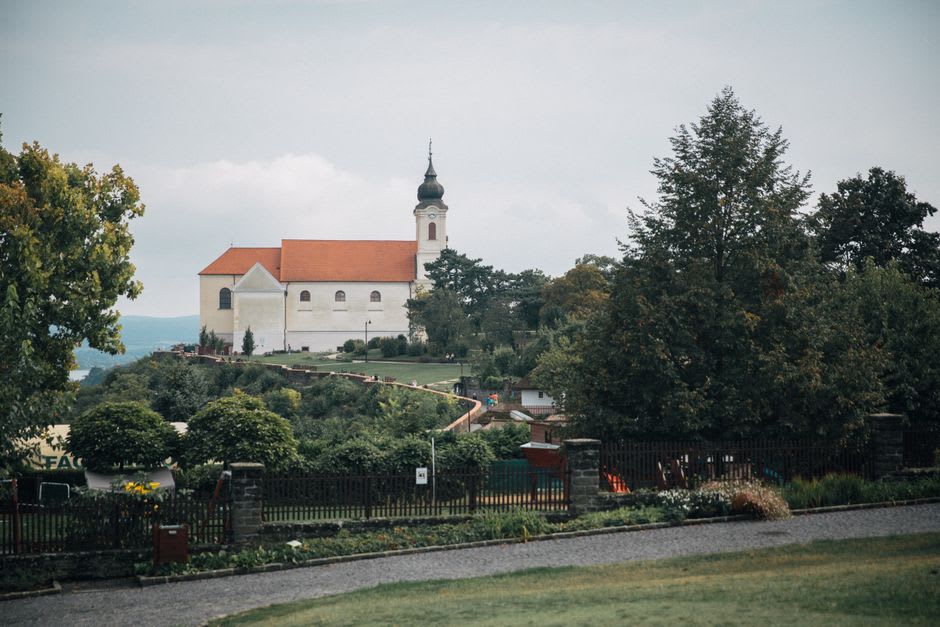
The Abbey sits at the peninsula’s high point, its twin baroque towers visible from most of the lake’s northern shore, and inside is the foundation charter of the original 1055 monastery — one of the oldest surviving documents with Hungarian words in it, mixed into the Latin text. I’m not usually one to linger over old documents behind glass, but knowing those handful of Hungarian words are considered a founding artifact of the language itself gave it real weight. The crypt below holds the tomb of King Andrew I, who founded the abbey, which is a strange thing to stumble into on what started as a lavender day trip.
We ended the afternoon at one of the small terraces below the abbey, eating lángos with sour cream and garlic while watching sailboats cross the lake, and I remember thinking Tihany does the thing a lot of famous viewpoints fail at — it’s genuinely as good as its photos, maybe better, because the photos don’t carry the lavender smell or the church bells rolling down the hill every hour.
When to go: Come in the first half of July for peak lavender bloom, ideally on a weekday morning before the day-trip crowds arrive from the southern shore.
Keep exploring
More from Hungary
 hungary
 Tokaj
The wine region that made kings weep, where volcanic hills and misty river valleys produce the world's most storied sweet wine.
Explore hungary
 Visegrad
A dramatic Danube Bend fortress town where medieval kings held court and the river carves its most spectacular turn.
Explore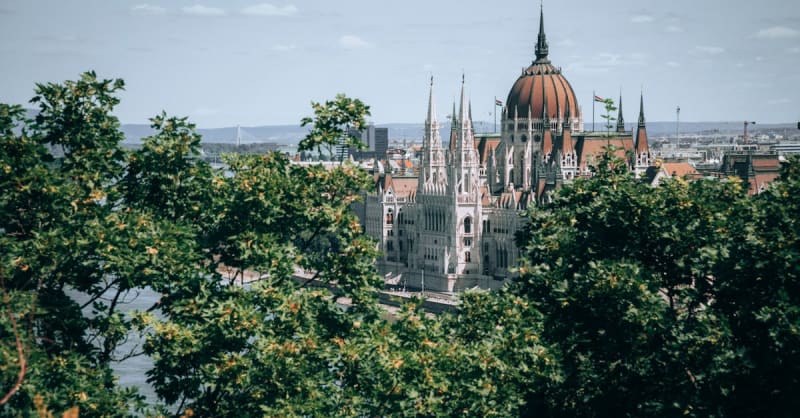 hungary
 Budapest
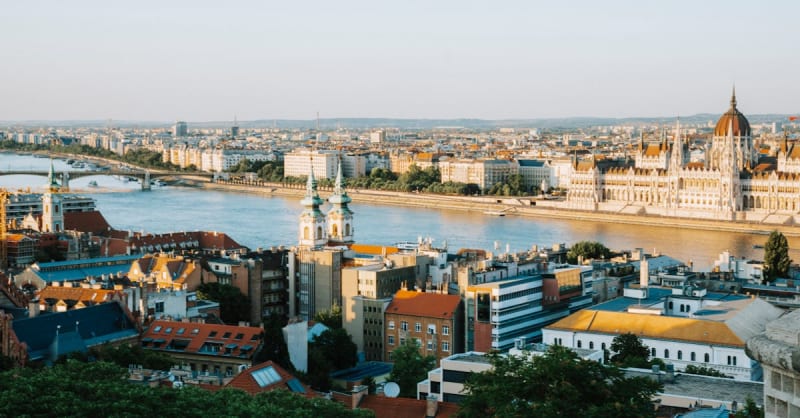
A city split by the Danube where thermal baths, ruin bars, and Art Nouveau grandeur collide in the most atmospheric capital in Central Europe.
Explore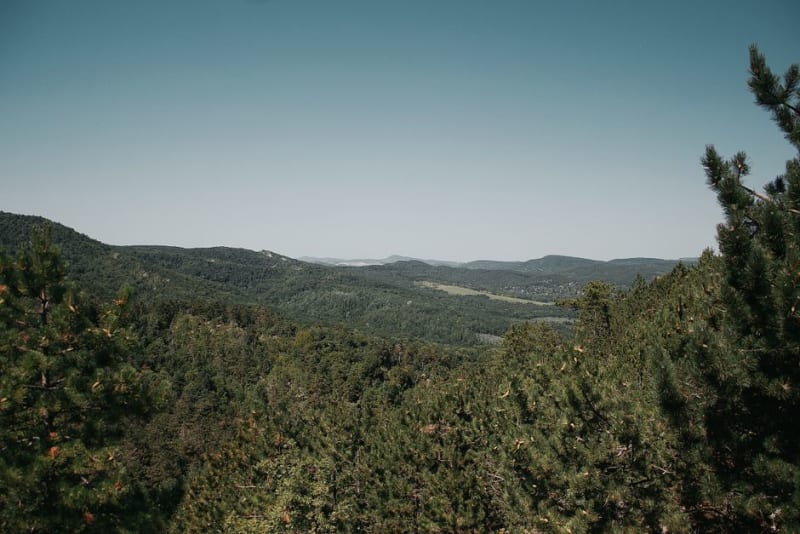 hungary
 Bukk Hills
A limestone karst range in northeastern Hungary honeycombed with caves, cooled by beech forest, and anchored by the Lillafured waterfall.
Explore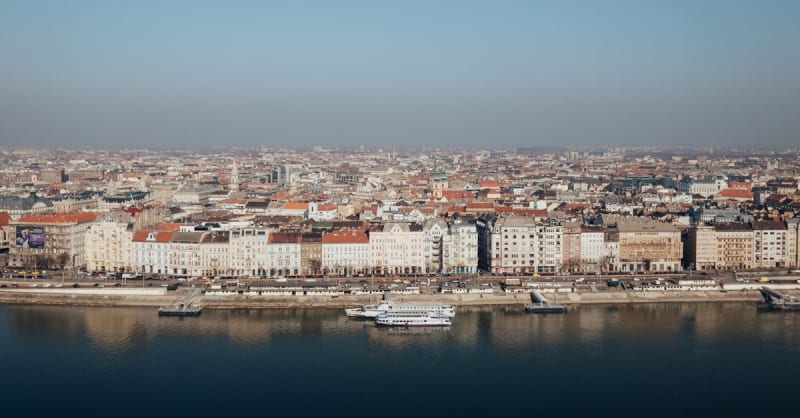 hungary
 Debrecen
Hungary's second city on the edge of the Great Plain, where Calvinist tradition meets thermal spas and the wild grasslands of Hortobágy.
Explore hungary
 Eger
A Baroque gem at the edge of wine country, famous for its castle, thermal baths, and the legendary Valley of the Beautiful Women.
Explore