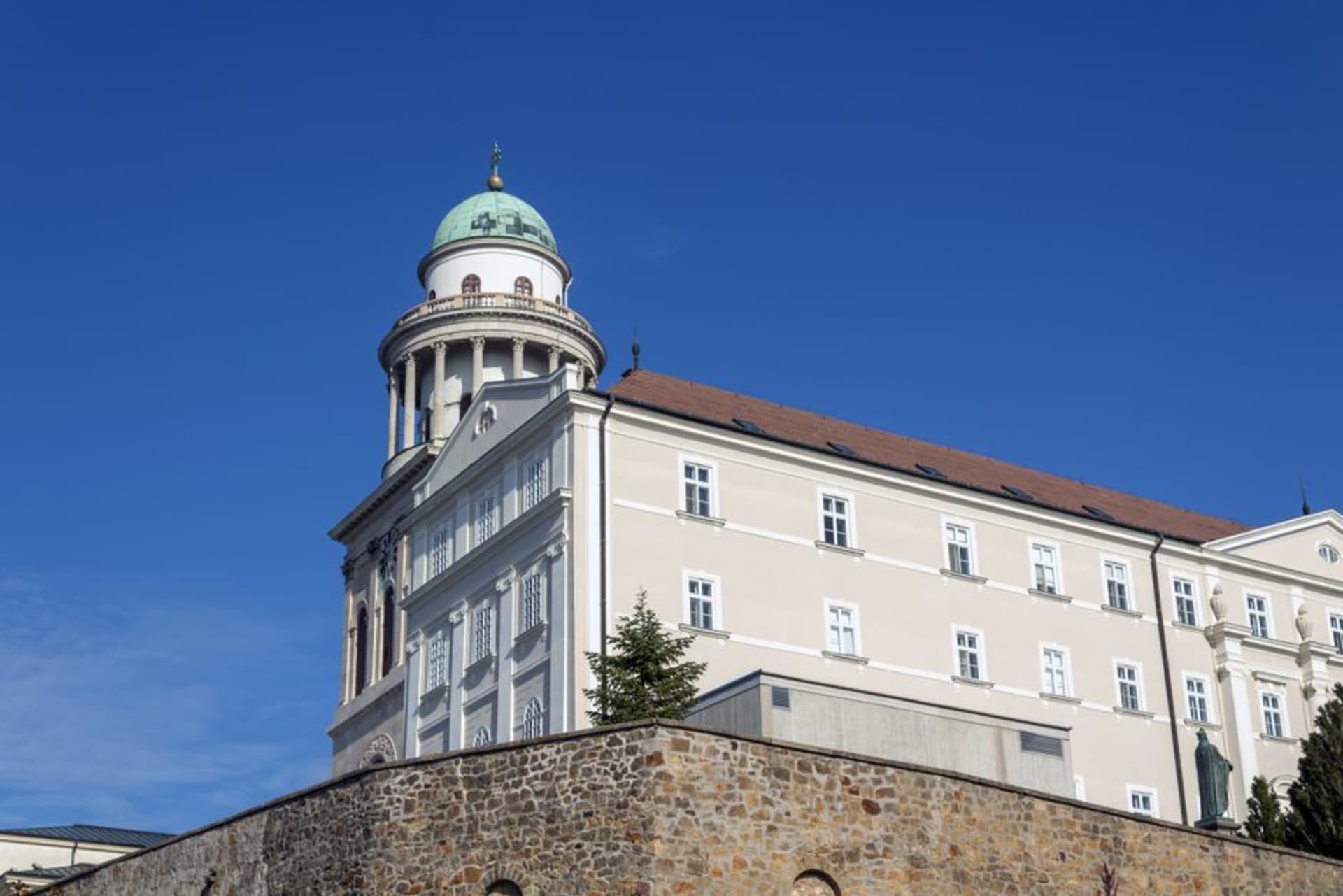
Sopron
"I climbed the fire tower expecting a view of Hungary and got a view of Austria instead — that's how close Sopron sits to the line."
A baroque border town so loyal to Hungary after WWI that it earned the nickname 'the most faithful city,' wrapped around a fire-tower and cobbled lanes.

I almost skipped Sopron. It sits so far in Hungary’s western pocket, wedged against Austria, that on the map it looks like an afterthought, a town that wandered off from the rest of the country and forgot to come back. Then I read why it’s still Hungarian at all — after WWI, when the empire was carved up and this whole region was slated to go to Austria, the town held a plebiscite in 1921 and voted to stay. Hungary still calls it “Civitas Fidelissima,” the most faithful city. I like places with a chip on their shoulder like that, so Lia and I detoured off the Vienna road and gave it two days.
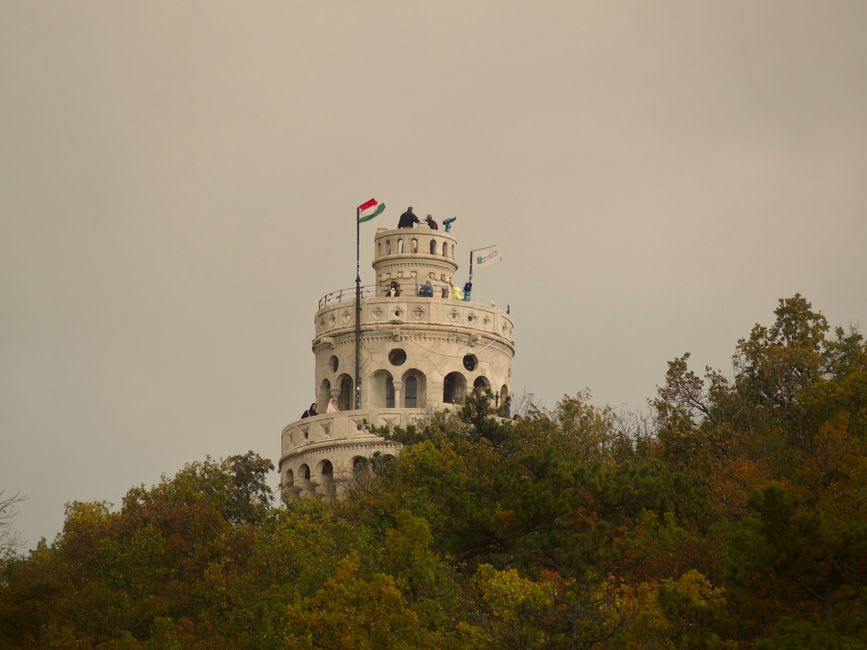
The old town is tiny, walkable in twenty minutes end to end, and almost absurdly intact — Sopron dodged the worst of WWII bombing because Vienna and Budapest were the priority targets, so what you’re walking through is genuinely medieval-into-baroque, not a reconstruction. I climbed the Fire Tower on Fő tér, paid my few hundred forints, and got a 360-degree view where I could see Austrian church spires on the horizon in one direction and the flat Hungarian plain in the other. It’s a strange, small thrill, standing somewhere that history almost erased from the map.
We ate dinner at a cellar restaurant just off Új utca — “New Street,” which is actually one of the oldest in town, a very Hungarian joke — and the owner told us Sopron’s wine tradition predates most of what tourists associate with Hungarian wine. Kékfrankos is the grape to order here, not Tokaji or Egri Bikavér. I had two glasses with a plate of goose leg and cabbage that was heavier than anything I’d normally choose in July, but the cellar was cool and the wine was sharp enough to cut through it.

What stuck with me more than the architecture, honestly, was the quietness of it. Sopron doesn’t perform for visitors the way Budapest does. There’s no queue for the fire tower, no group tours clogging the square. Lia and I sat on a bench near the Goat Church — yes, that’s really its name, after a legend about a goat digging up buried gold that funded its construction — and just watched locals go about a completely ordinary Tuesday. It felt less like sightseeing and more like being let in on something.
When to go: Late spring through early autumn, when the wine cellars are open late and you can sit outside on Fő tér without needing a coat; September brings the grape harvest and noticeably fewer visitors than Budapest’s peak season.
Keep exploring
More from Hungary
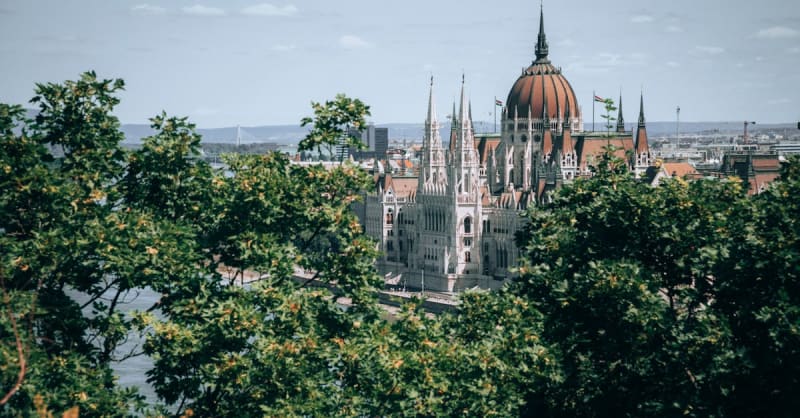 hungary
 Szentendre
An artists' colony on the Danube Bend where Serbian churches, colorful Baroque houses, and galleries create a village that lives for beauty.
Explore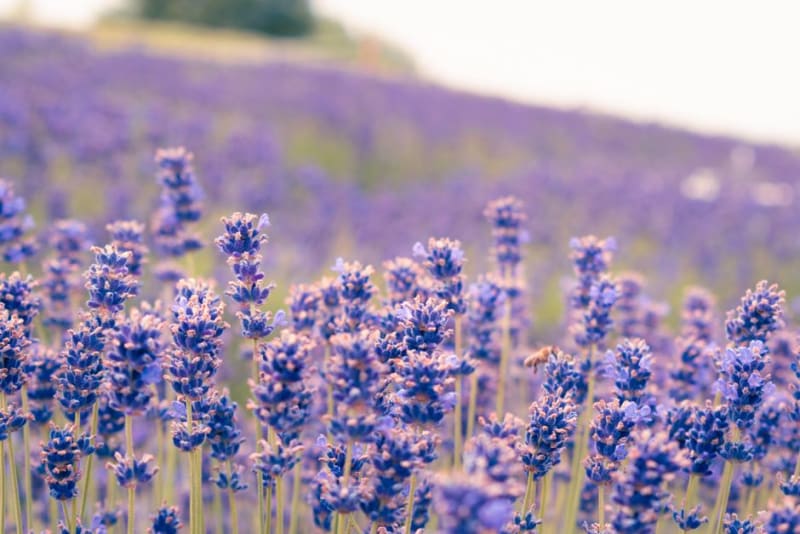 hungary
 Tihany
A peninsula on Lake Balaton where purple lavender fields roll down to the water beneath a Benedictine abbey standing watch since 1055.
Explore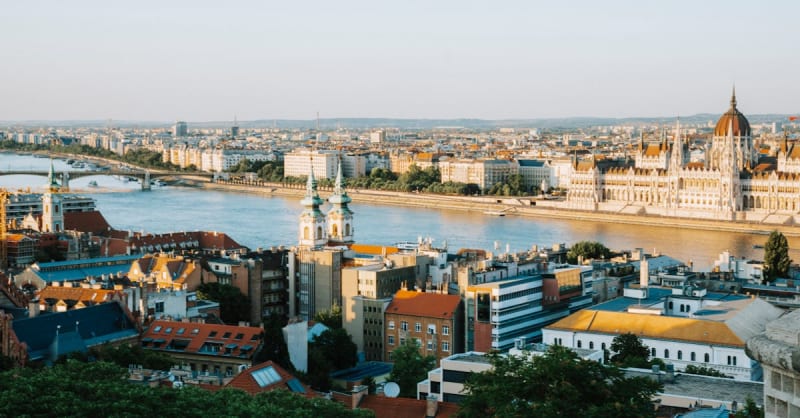 hungary
 Tokaj
The wine region that made kings weep, where volcanic hills and misty river valleys produce the world's most storied sweet wine.
Explore hungary
 Visegrad
A dramatic Danube Bend fortress town where medieval kings held court and the river carves its most spectacular turn.
Explore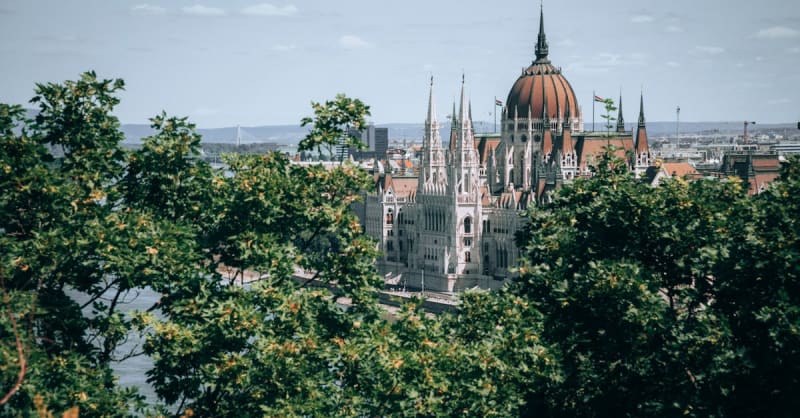 hungary
 Budapest
A city split by the Danube where thermal baths, ruin bars, and Art Nouveau grandeur collide in the most atmospheric capital in Central Europe.
Explore hungary
 Bukk Hills
A limestone karst range in northeastern Hungary honeycombed with caves, cooled by beech forest, and anchored by the Lillafured waterfall.
Explore