Home to the world's largest biologically active thermal lake, where you float among water lilies in naturally heated water year-round.

Hévíz exists because of a geological improbability: a thermal spring powerful enough to fill an entire lake with warm, mineral-rich water. I arrived skeptical — thermal tourism can veer into the clinical, the sanitized, the aggressively wellness-branded — and left converted. The lake stays between 24 and 36 degrees Celsius year-round, its surface covered with Indian water lilies and wisps of steam on cool mornings. Swimming here — or rather, floating, since the mineral content makes you extraordinarily buoyant — is unlike any other bathing experience I have had, and I have bathed in cenotes in the Yucatán, in onsens in Japan, in hammams in Morocco.
The water smells faintly of sulfur and feels silky, and the covered wooden pavilion at the lake’s center has been welcoming bathers since the 19th century. I floated on my back, watching steam curl into the November sky, and realized I had been in the water for over an hour without noticing. Time behaves differently at Hévíz — it softens, stretches, becomes irrelevant.

Beyond the Lake
The town around the lake has grown into a full spa resort, with thermal hotels, mud treatments, and wellness programs that attract visitors from across Europe — particularly from Germany and Austria, who seem to have discovered Hévíz’s therapeutic properties long before anyone else. But the lake itself remains the main event.
Keszthely, with its grand Festetics Palace and Balaton shoreline, is just eight kilometers away and makes a natural pairing. I visited the palace — a Baroque pile that reminded me of a Hungarian Versailles, scaled down but no less ambitious — and then returned to float in Hévíz as the sun set. The combination of cultural grandeur and physical surrender felt very Hungarian: a country that builds palaces and then soaks in hot water until the ambition dissolves.

When to go: Year-round — the lake’s temperature barely fluctuates. Winter bathing, with steam rising into cold air, is particularly magical.
Keep exploring
More from Hungary
 hungary
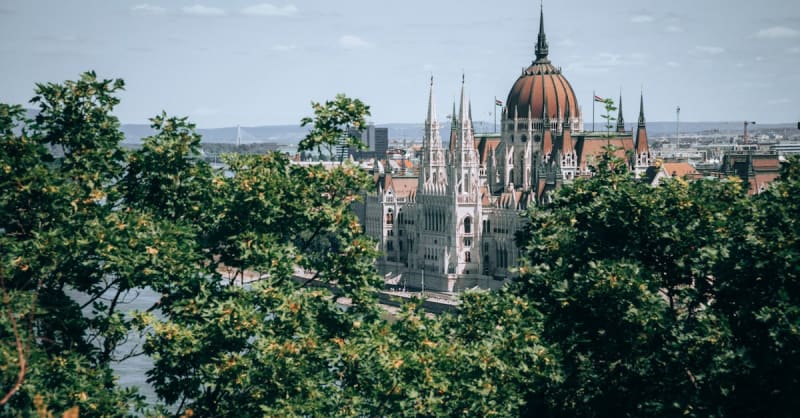
 Holloko
A UNESCO-listed Palóc village frozen in time, where whitewashed houses and living folk traditions preserve a vanishing way of life.
Explore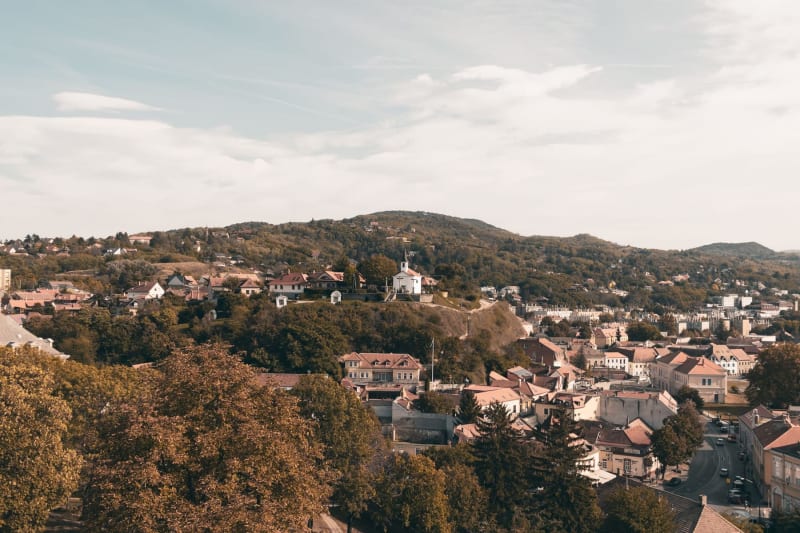 hungary
 Hollókő
A UNESCO Palóc village of white-washed houses and a hilltop castle in the Northern Hungarian highlands, unchanged since 1700.
Explore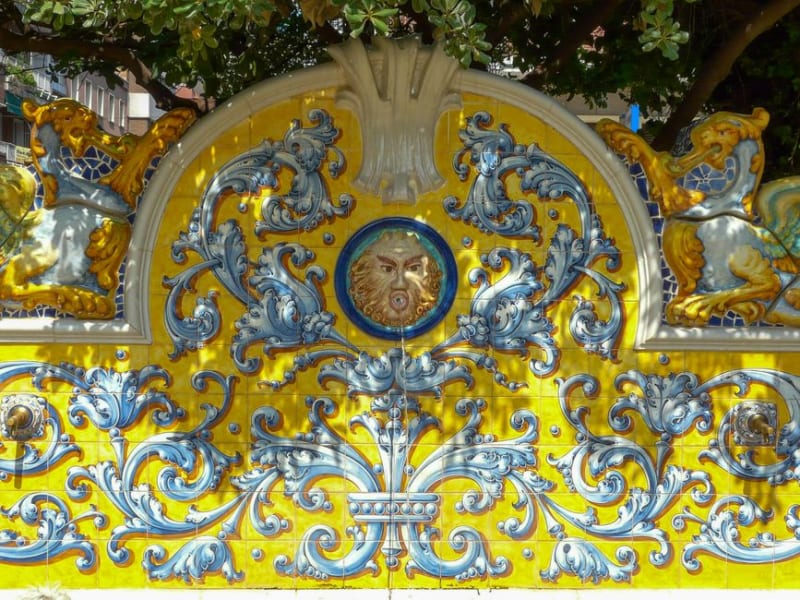 hungary
 Kecskemet
A Great Plain city where art nouveau facades drip in Zsolnay tiles and the local apricot brandy will knock you sideways by noon.
Explore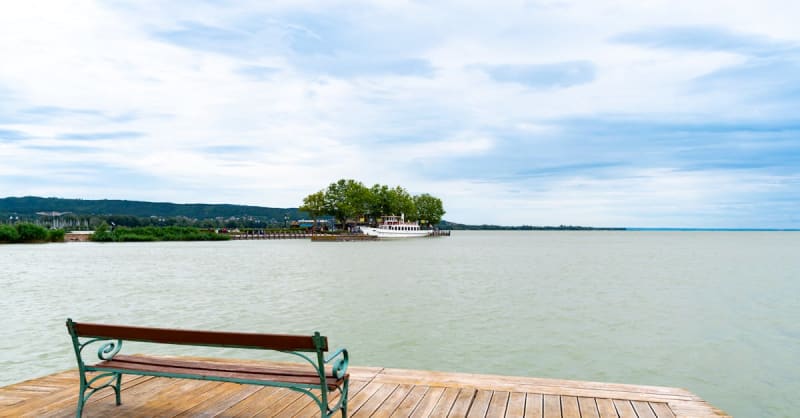 hungary
 Lake Balaton
Central Europe's largest lake, where Hungarians have been escaping summer heat for generations among vineyards, volcanic hills, and reed-lined shores.
Explore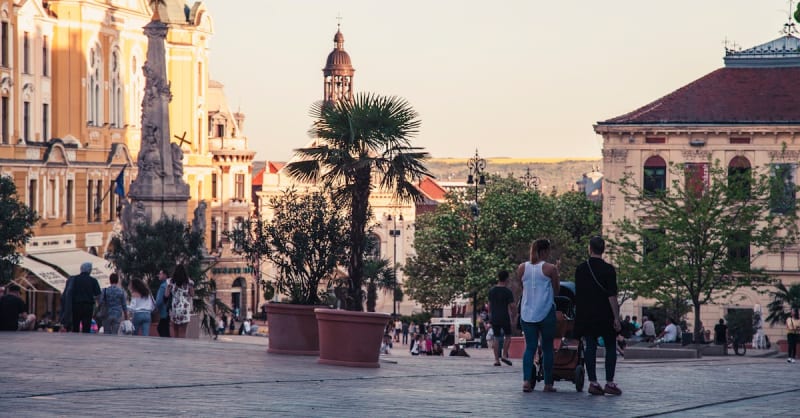 hungary
 Pecs
A Mediterranean-spirited city in southern Hungary with Roman tombs, Ottoman mosques, and a creative energy fueled by its university and mild climate.
Explore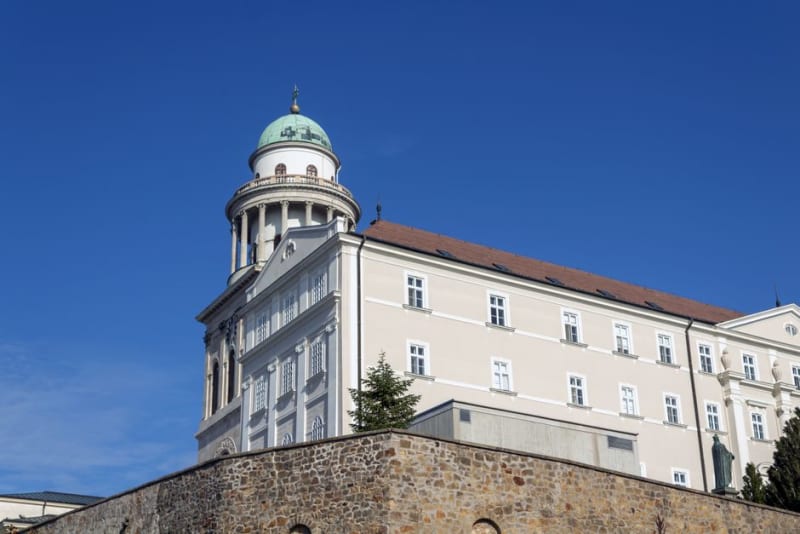 hungary
 Sopron
A baroque border town so loyal to Hungary after WWI that it earned the nickname 'the most faithful city,' wrapped around a fire-tower and cobbled lanes.
Explore