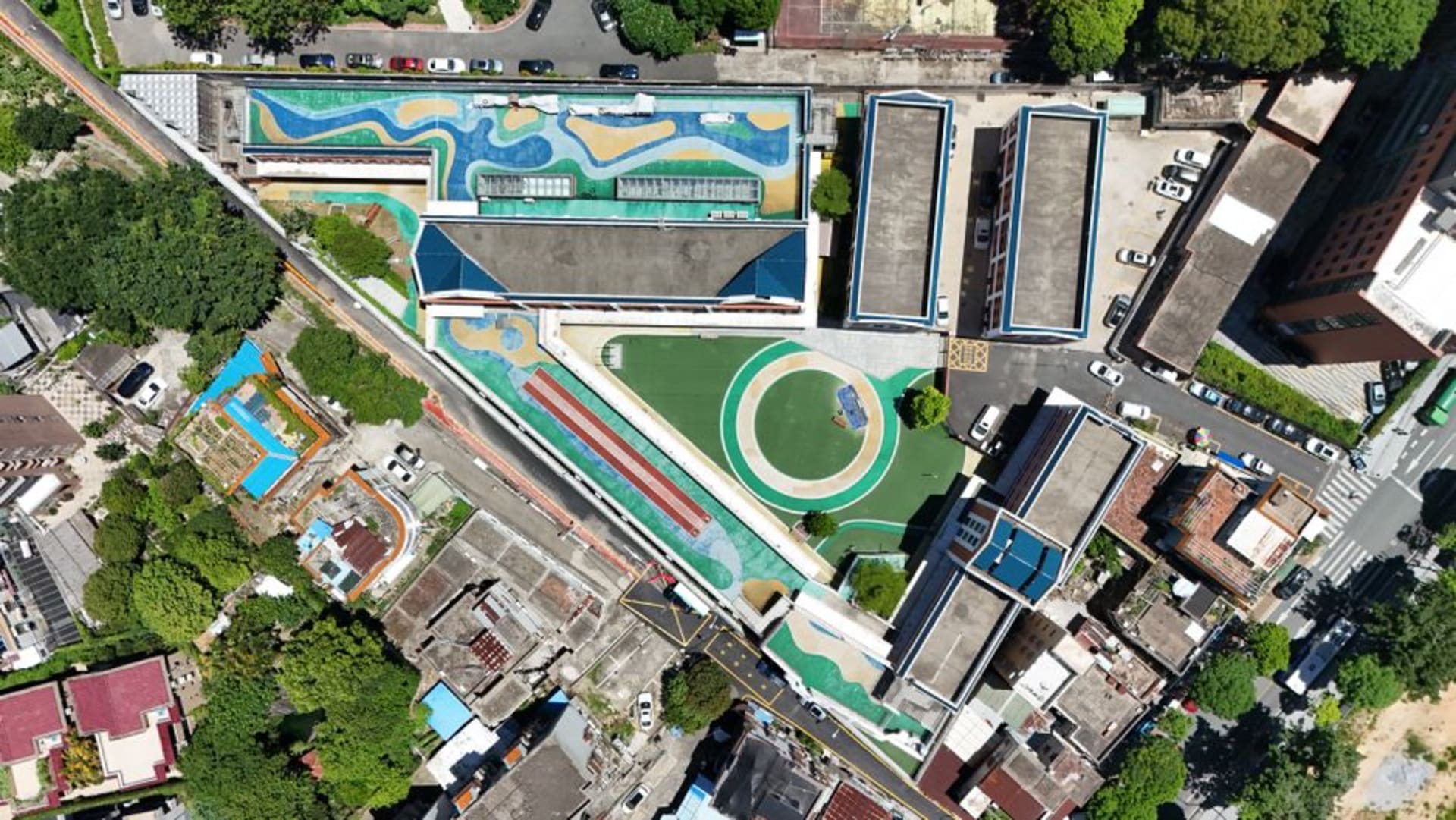
Yuen Yuen Institute
"It took us three buses and a taxi to get there, and I would still call it one of the more underrated hours of the whole trip."
A Tsuen Wan hilltop temple built around one idea: that Taoism, Buddhism, and Confucianism are really the same conversation.
Yuen Yuen Institute sits on a hillside above Tsuen Wan, high enough that by the time we arrived — after a bus, a minibus, and a short taxi ride when we ran out of patience for public transit — the New Territories sprawl below had shrunk to a manageable, almost abstract pattern of towers and green ridgeline. The institute was founded in the 1950s on an explicitly syncretic premise: that Taoism, Buddhism, and Confucianism aren’t competing systems but complementary expressions of a shared underlying truth, and the temple complex reflects that conviction architecturally, with halls dedicated to figures from all three traditions arranged across the same hillside site.
The centerpiece is a circular, tiered building modeled directly on Beijing’s Temple of Heaven, its blue-and-gold roof rings visible well before you reach the main gate. Unlike the original in Beijing, this one is fully active — worshippers moving in and out steadily, incense burning at multiple altars simultaneously dedicated to different deities depending on which tradition you’re drawing from that day. I found the layout slightly disorienting at first, several distinct shrine buildings connected by outdoor walkways and gardens, until I stopped trying to map it like a single temple and started treating it more like a small campus of related but separate spaces.
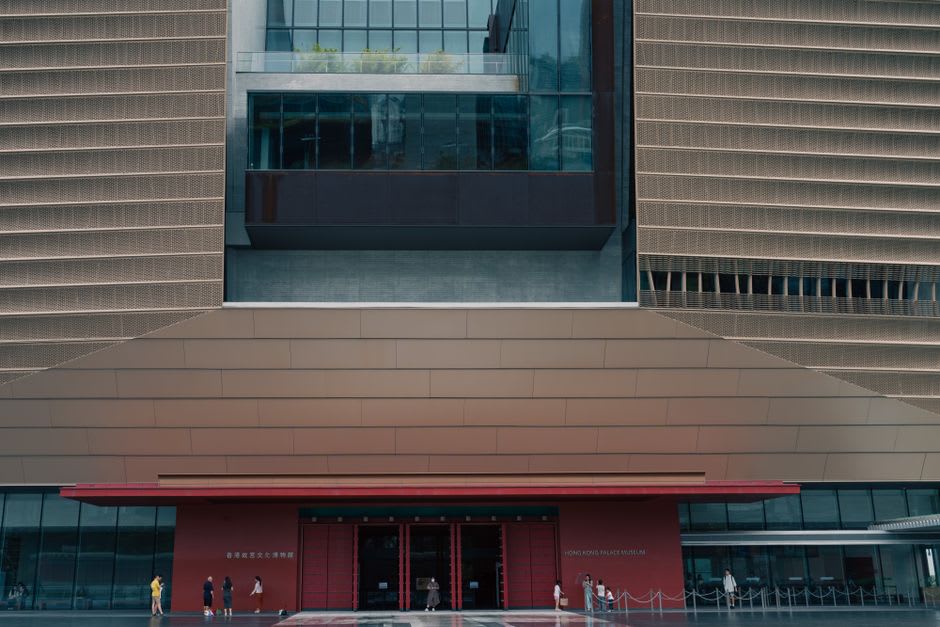
A garden section further into the complex holds a scaled replica of a stretch of the Great Wall, along with statues representing the twelve animals of the Chinese zodiac lined along a path — a slightly kitsch addition against the otherwise serious religious architecture, but one that families with kids clearly appreciate, and Lia and I found ourselves photographing our respective zodiac animals with more enthusiasm than either of us expected to bring to the exercise.
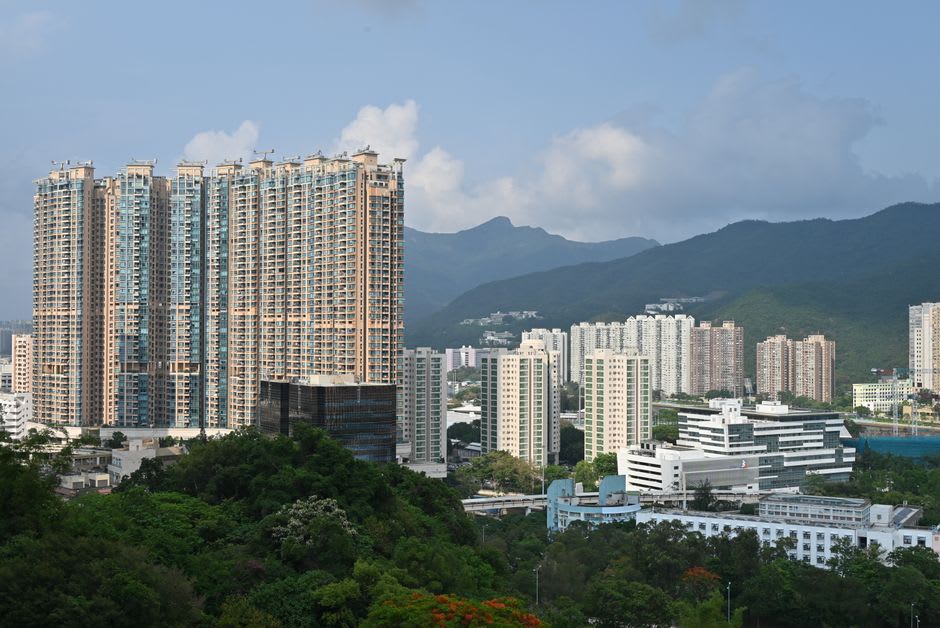
The vegetarian canteen on site serves a full meal at a genuinely low price, run more as a community service than a business, and it’s worth timing your visit around lunch if the schedule allows — simple, filling food eaten at long communal tables with a view back down toward Tsuen Wan.
When to go: Clear days matter here more than most temple visits, since the views down toward Tsuen Wan and the harbour beyond are a real part of the appeal — check the forecast and aim for autumn or spring when haze is less likely to flatten the view.