Asia
Hong Kong
"Nowhere else have I felt so small and so alive at the same time."
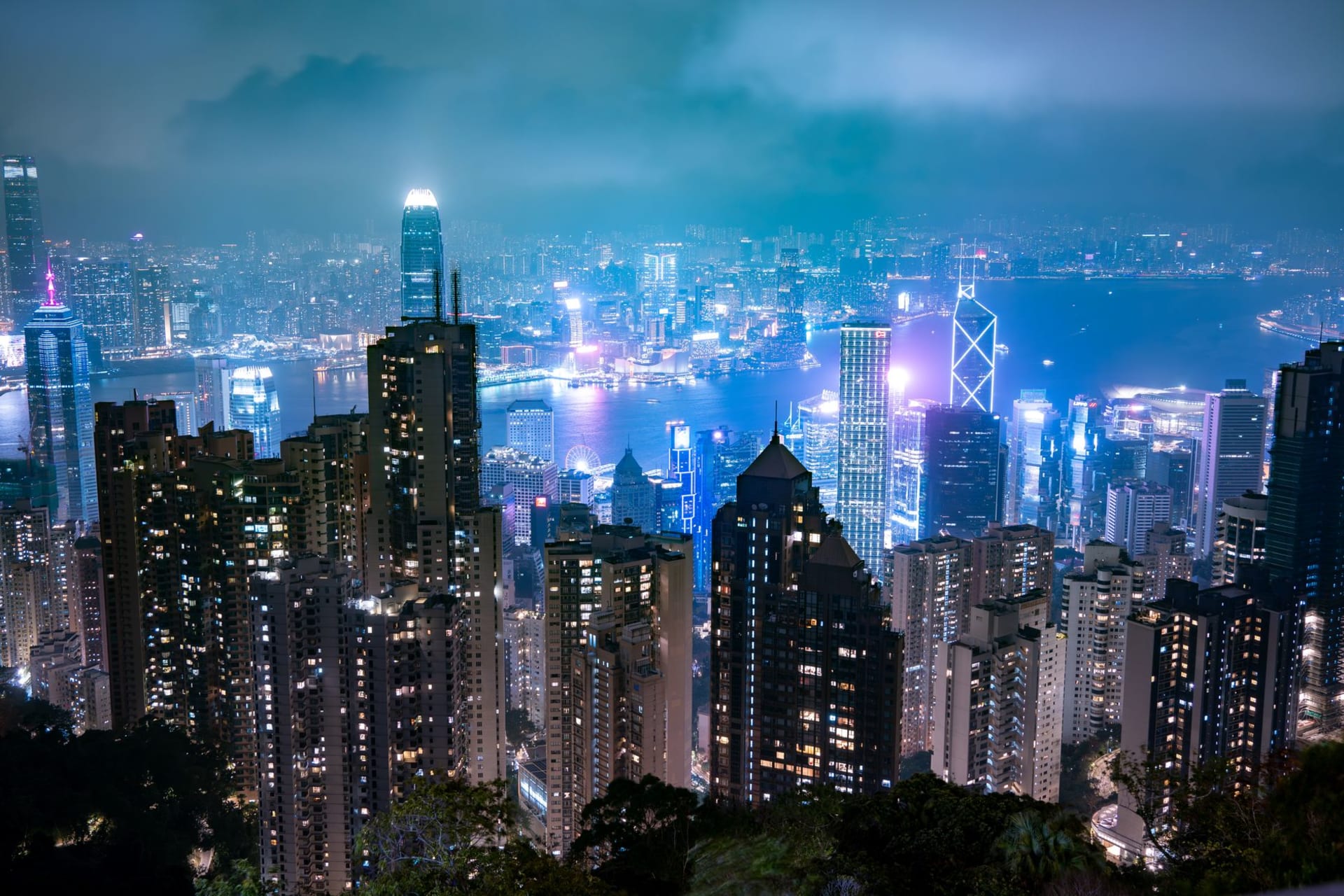
The first time I landed in Hong Kong, it was almost midnight and the taxi from the airport tunneled through mountains before the harbor appeared — an eruption of neon and glass that looked less like a city and more like some collective fever dream about what a city should be. I pressed my face against the window like a kid. I was thirty-one years old and had been to a lot of places. It still got me.
Hong Kong operates at a frequency that is difficult to describe without sounding like you’re overselling it. The density is part of it — more than seven million people stacked into a territory smaller than Luxembourg, with most of the land protected as country parks. So everyone and everything gets compressed into these corridors of towers and narrow streets, which creates an intensity you either find electrifying or overwhelming, sometimes both within the same hour. What I did not expect, arriving from a year in Mexico where time moves differently, was how much the city rewards the moments you step out of it. Fifteen minutes on the Peak Tram and you are above the skyline in a park so green it feels like the city forgot to build on it. An hour on a kaido boat from Aberdeen and the South China Sea opens up around you, and the towers recede into something almost painterly.
But the thing that has stayed with me most vividly is the food. Not the Michelin-starred restaurants that show up on every list — though Lung King Heen at the Four Seasons is worth the splurge once if you can manage it — but the dai pai dongs in the Western District, the clay pot rice shops in Sham Shui Po at 11pm, the roast goose at Yat Lok on Stanley Street where the line starts before the door opens. Cantonese cuisine is one of the great culinary traditions in the world, and Hong Kong is where you eat it at its finest, with zero ceremony and maximum conviction.
When to go: October through early December is the sweet spot — clear skies, cooler temperatures around 20-24°C, no typhoons. Spring (March to April) also works well. Avoid July and August: typhoon season makes plans unreliable and the humidity is punishing. Chinese New Year (January or February) is extraordinary for energy but expect everything to be either very closed or very crowded.
What most guides get wrong: They treat Hong Kong as a shopping destination with nice views. The shopping is fine, but it is the least interesting thing here. What most guides also miss is the contrast between the districts — Kowloon and Hong Kong Island feel like different cities, and the outlying islands like Cheung Chau or Lamma are different again, quieter and almost village-like. Also: the MTR is genuinely one of the best metro systems on earth. Use it constantly. The city makes sense through its transit map.