Tap Mun
"A cow looked at me with total indifference and I felt, briefly, like the most out-of-place thing on the island."
Grass Island — a wind-scoured outcrop off the northeast coast where cattle graze wild above the cliffs and the ferry ride is half the experience.
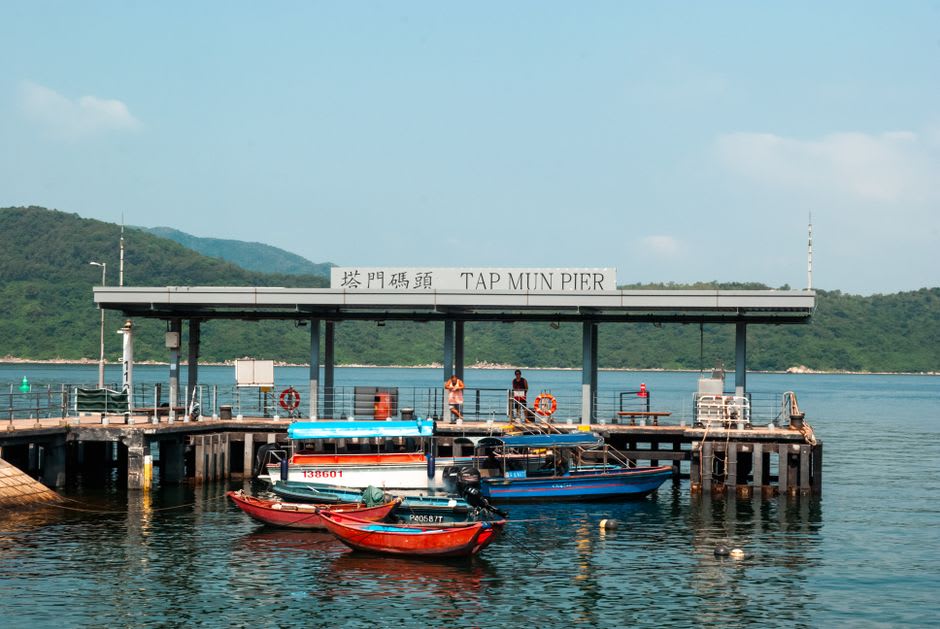
Tap Mun, known locally as Grass Island, sits off the northeastern tip of the New Territories, and reaching it involves a small chain of transport decisions that turns into most of the appeal — a minibus to Wong Shek Pier, then either a direct kaido from there or the longer scenic ferry that loops through Sai Kung’s inner waters first. I took the longer route on the way there and the direct one back, and I’d recommend the same order: let the approach build slowly, and let the return be quick once you’re ready to leave.
The island’s defining feature, and the source of its nickname, is the open grassland that covers much of its high ground — rolling, treeless, wind-flattened turf that looks more like something from the Scottish coast than anything I associated with Hong Kong before visiting. Wild cattle, descendants of animals abandoned when farming here declined decades ago, now roam this grassland freely, entirely unbothered by hikers, and watching them graze against a backdrop of the open sea and the distant hills of the mainland was one of those small dissonant moments Hong Kong seems to specialize in — this is still, technically, the same city as Causeway Bay.
The walk out to Tap Mun Beacon at the island’s northern tip takes you along cliffs that drop straight into the water, with views across to Crooked Island and, on a clear day, toward the mainland border itself. The village at the pier, small and quiet, has a Tin Hau temple dating back over two centuries and a handful of simple seafood restaurants where the catch is whatever came in that morning. I ate a plate of stir-fried mantis shrimp there that I still think about, cooked simply enough that the shrimp itself, rather than the seasoning, did all the work.
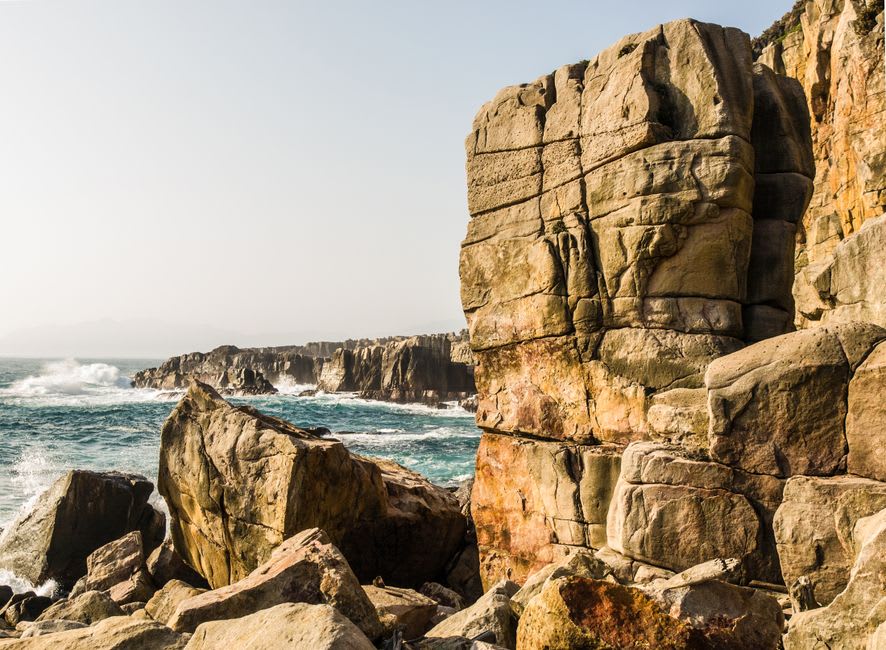
When to go: Autumn and winter for the clearest air and the most comfortable walking across the exposed, shadeless grassland. The island gets genuinely windy year-round, which is part of the character, but pack a layer regardless of season — it’s noticeably cooler out here than in the city.
Keep exploring
More from Hong Kong
 hong-kong
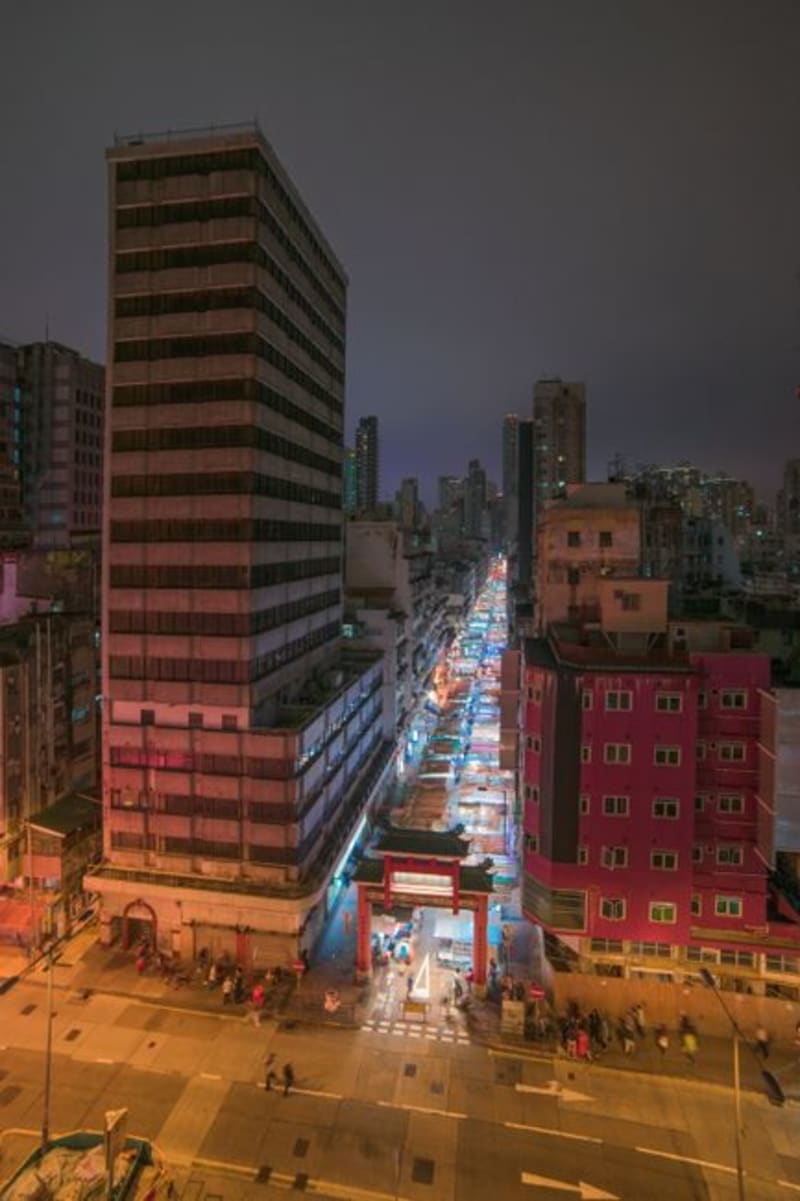
 Temple Street
Kowloon's night market where dai pai dong steam tables and fortune tellers share the same stretch of pavement after dark.
Explore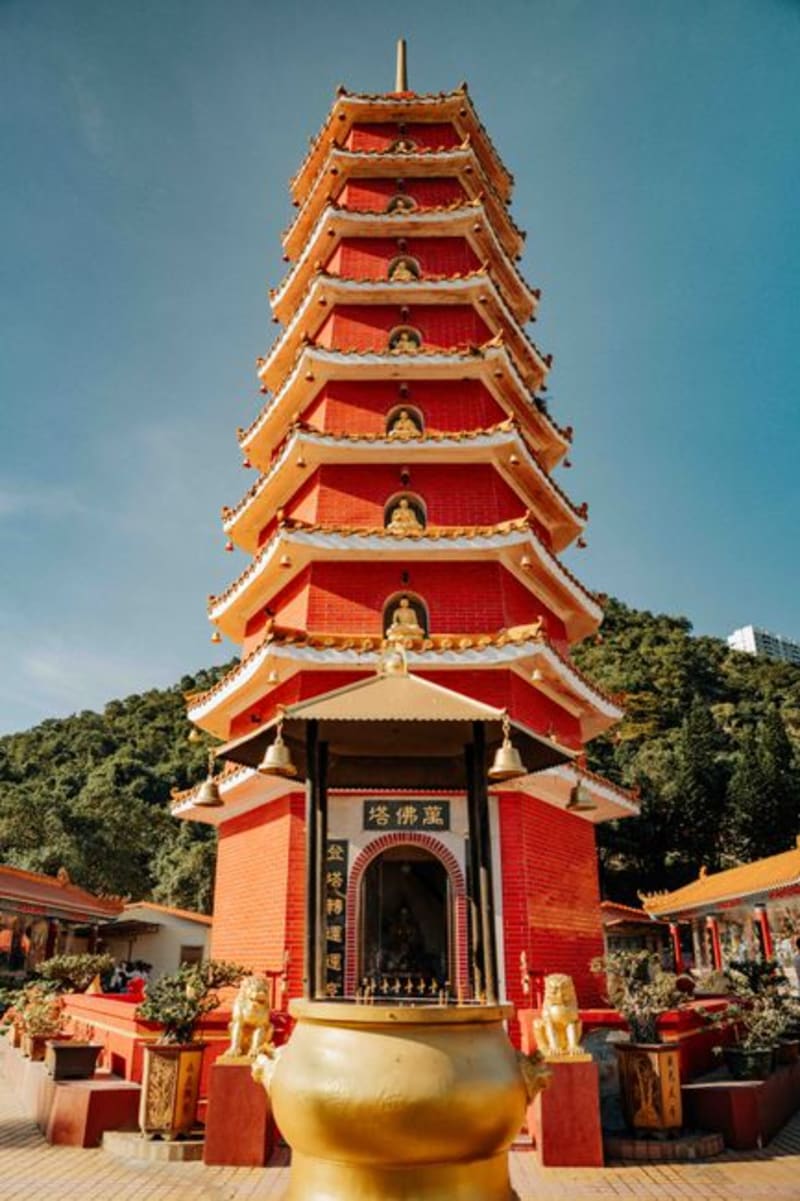 hong-kong
 Ten Thousand Buddhas Monastery
Nearly 500 steps up a Sha Tin hillside lined with life-size gilded arhats, each one carved with a slightly different expression.
Explore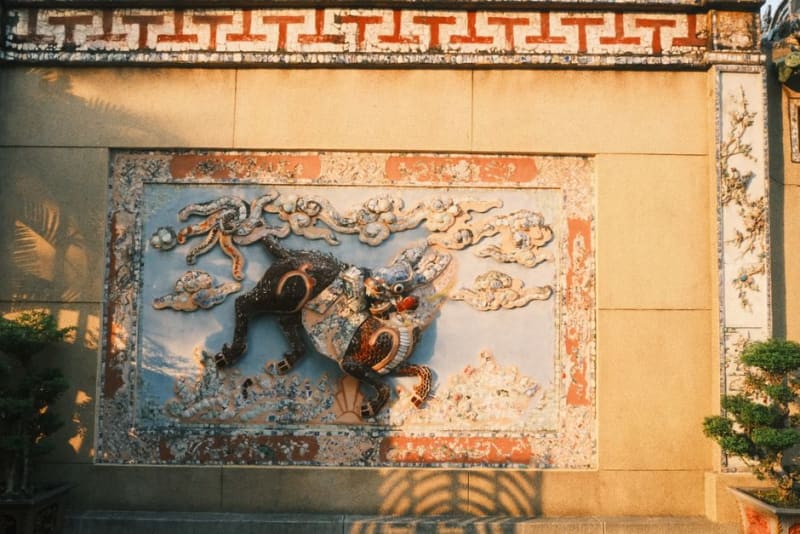 hong-kong
 Tin Hau Temple, Yau Ma Tei
A sea goddess's temple that ended up two streets from the harbour it once faced, as Kowloon's reclaimed land grew up around it.
Explore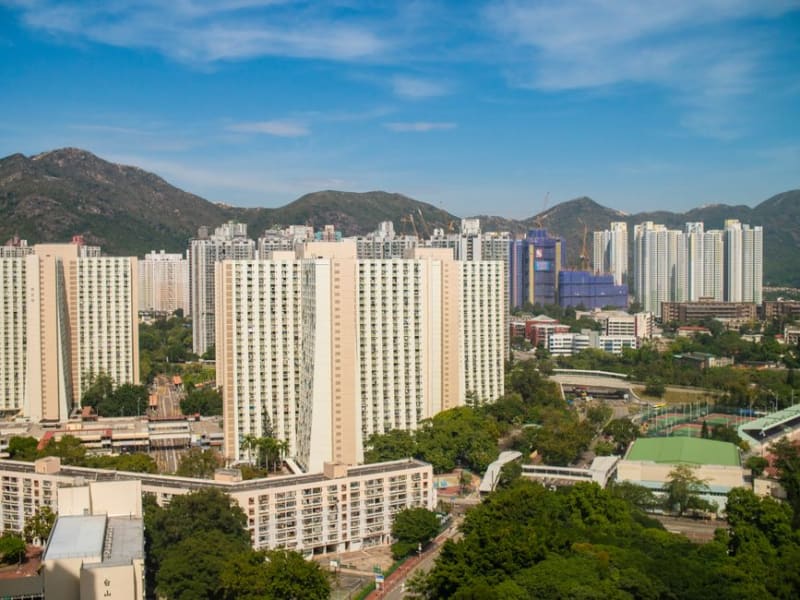 hong-kong
 Tsang Tai Uk
A granite-walled Hakka clan village in Sha Tin that's still lived in, laundry drying over two-century-old courtyards.
Explore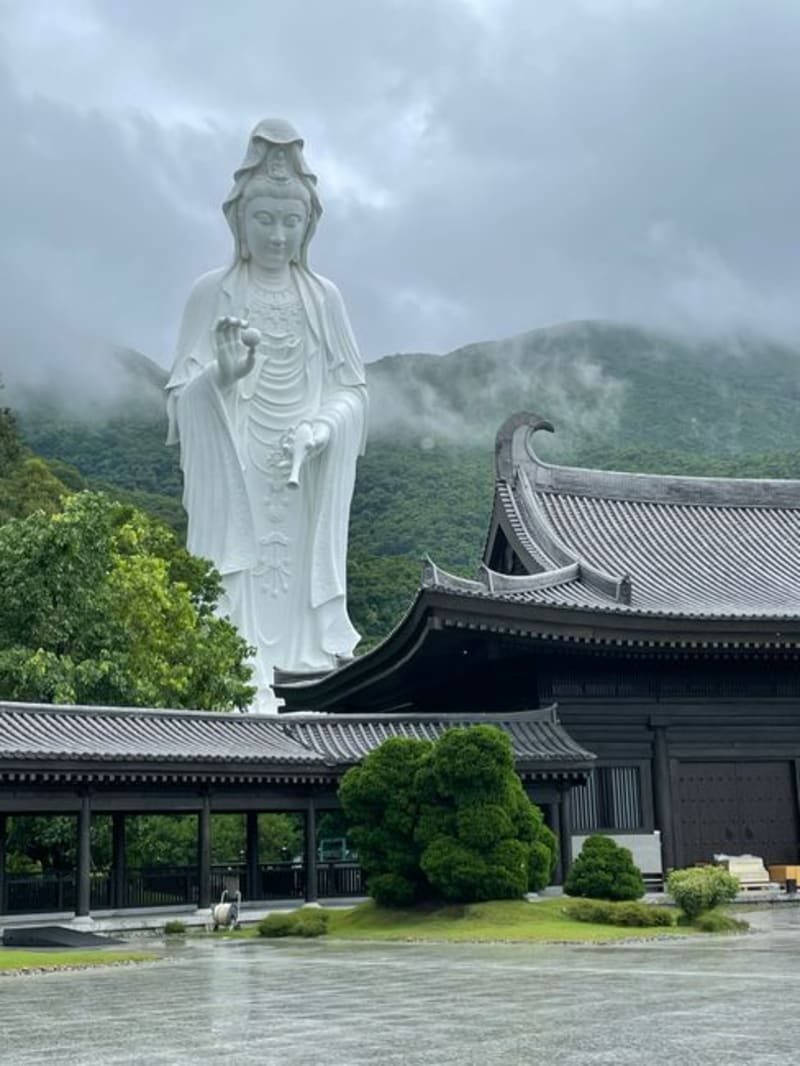 hong-kong
 Tsz Shan Monastery
A vast, hushed Buddhist complex in the hills above Tai Po, built around one of the tallest bronze Guanyin statues on earth and a policy of deliberate, capped calm.
Explore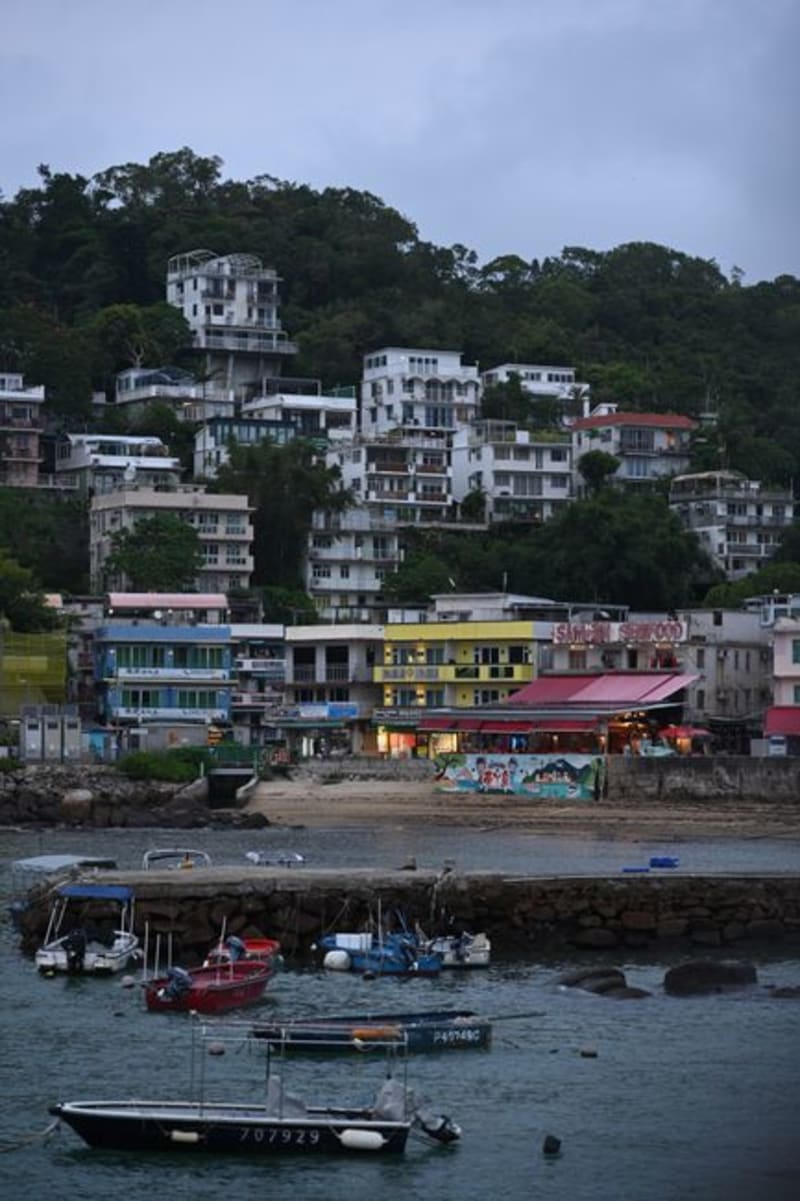 hong-kong
 Tung Ping Chau
A remote, crescent-shaped island near the mainland border with striated shale cliffs and coral reefs — Hong Kong's most far-flung weekend escape.
Explore