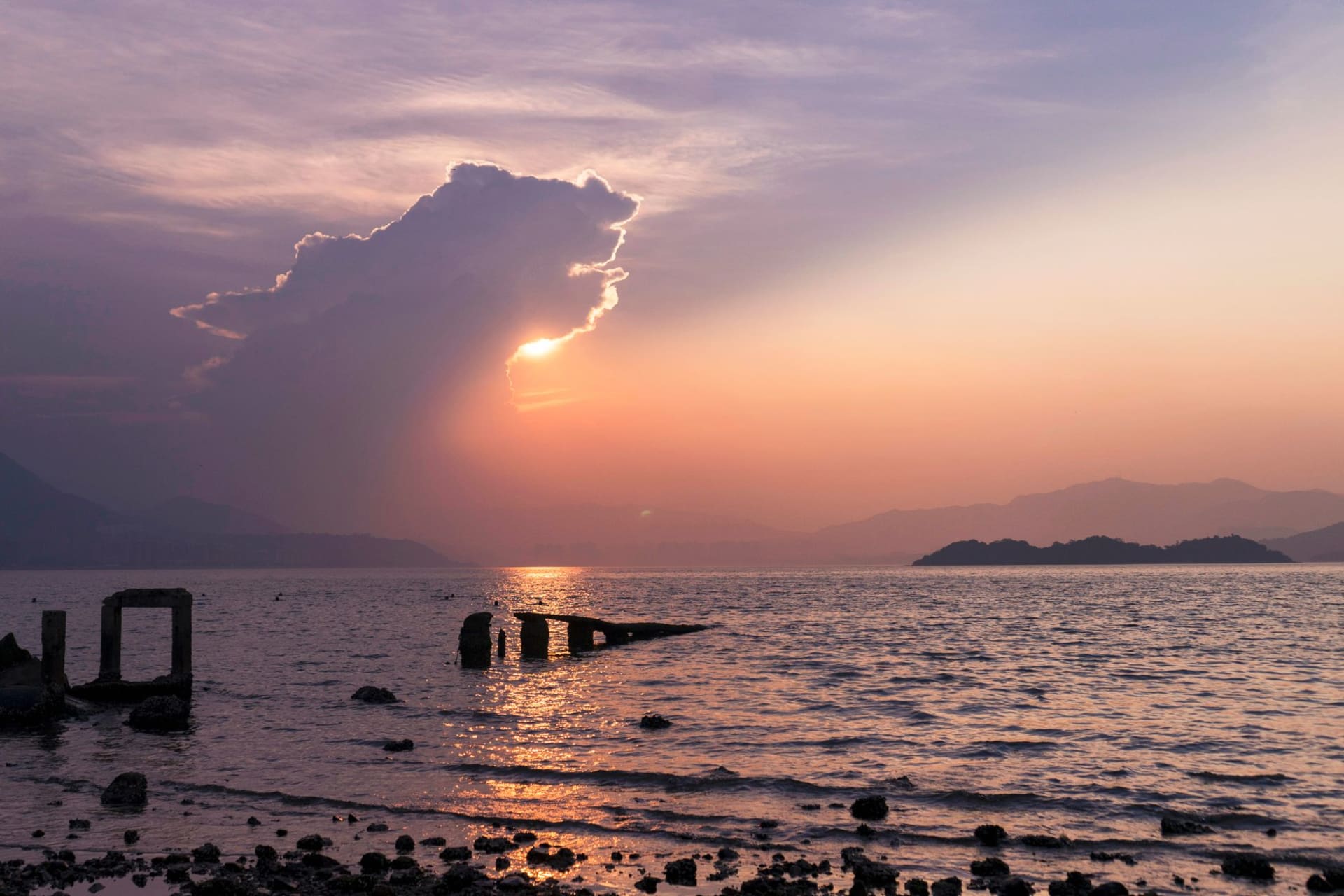
Tai O
"The planks creaked under my feet and the water was very close and somehow that felt exactly right."
Tai O sits at the western extremity of Lantau Island, facing nothing but the Pearl River estuary and the open South China Sea, and it takes some effort to get there — bus from Tung Chung, or ferry from Mui Wo — which means the people who arrive tend to actually want to be there. The stilt houses that give Tai O its identity were built by the Tanka fishing people who lived on the water because the land was not always available to them; now they are the reason the village appears in every photograph of Hong Kong’s other face. Their wooden frames and corrugated roofs cluster above the tidal channel in colours that have faded beautifully over decades into something between rust and rose and weathered grey.
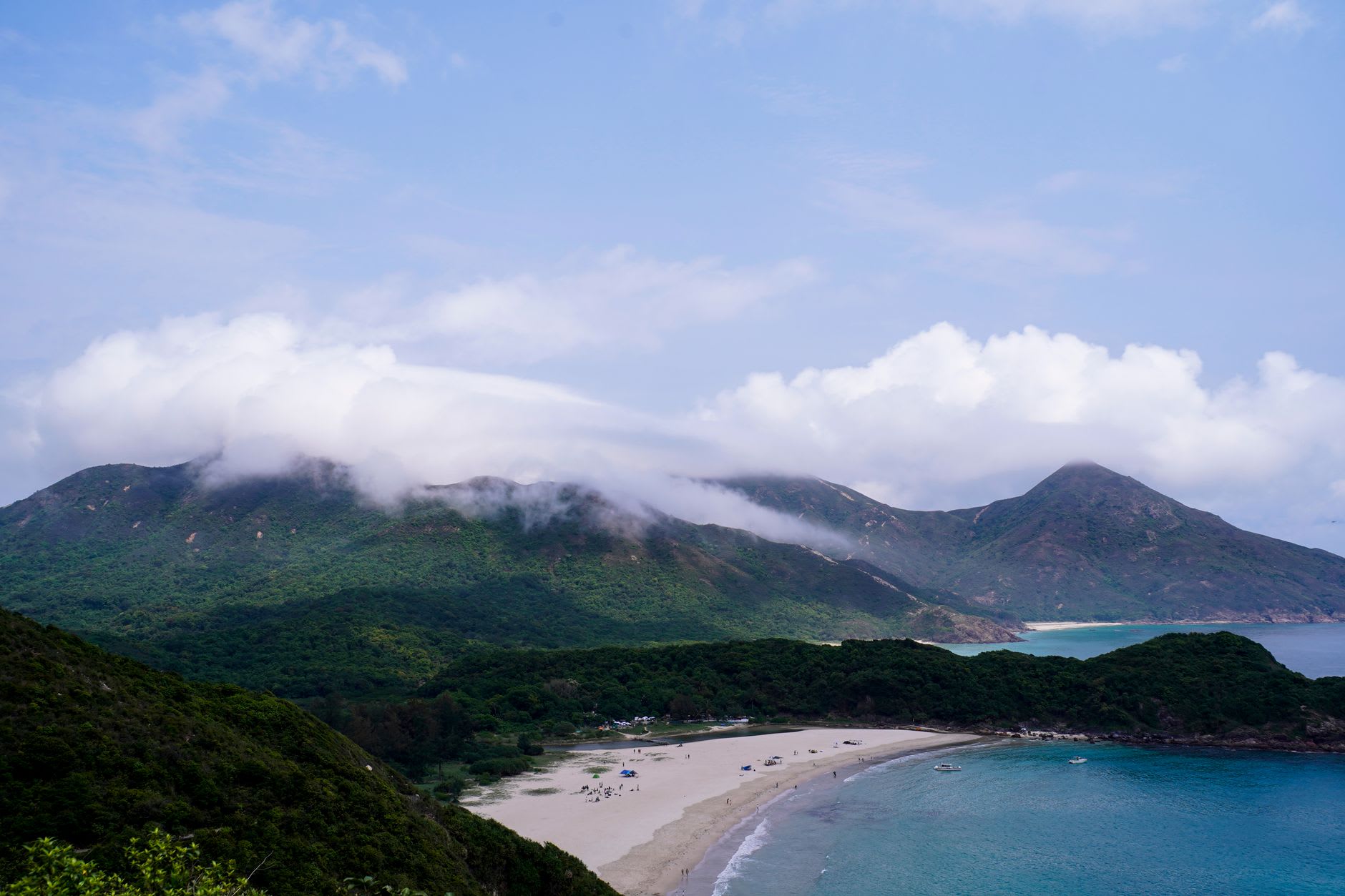
I walked the main bridge across the channel on a weekday morning and the planks flexed under my feet in a way that made me continuously aware of the water below. The houses on both sides are still occupied — elderly residents moving between them on narrow walkways, the smell of shrimp paste rising from the workshops where it is still made in the traditional way, spread in shallow pans and left to ferment slowly in the sun. Tai O shrimp paste is a distinct ingredient from what you find elsewhere — saltier, more complex, made from a small local shrimp species that lives in the estuary. A jar of it from one of the village shops is the most useful souvenir I brought back from Hong Kong. I have been stretching it carefully for months, adding a small spoonful to cooking that has nothing to do with Hong Kong, and each time it brings something back.
The small-boat tours of the channel are worth the modest cost for one specific reason: the Chinese white dolphins. These pink-tinged animals live in the Pearl River estuary and can sometimes be spotted in the waters just off Tai O in the early morning. The tours run for thirty minutes and the dolphins are not guaranteed — no honest operator would claim they are. But the light on the estuary in the early morning, the cargo ships on the horizon, the silence broken only by the outboard motor, makes the trip valuable regardless of whether the dolphins appear.
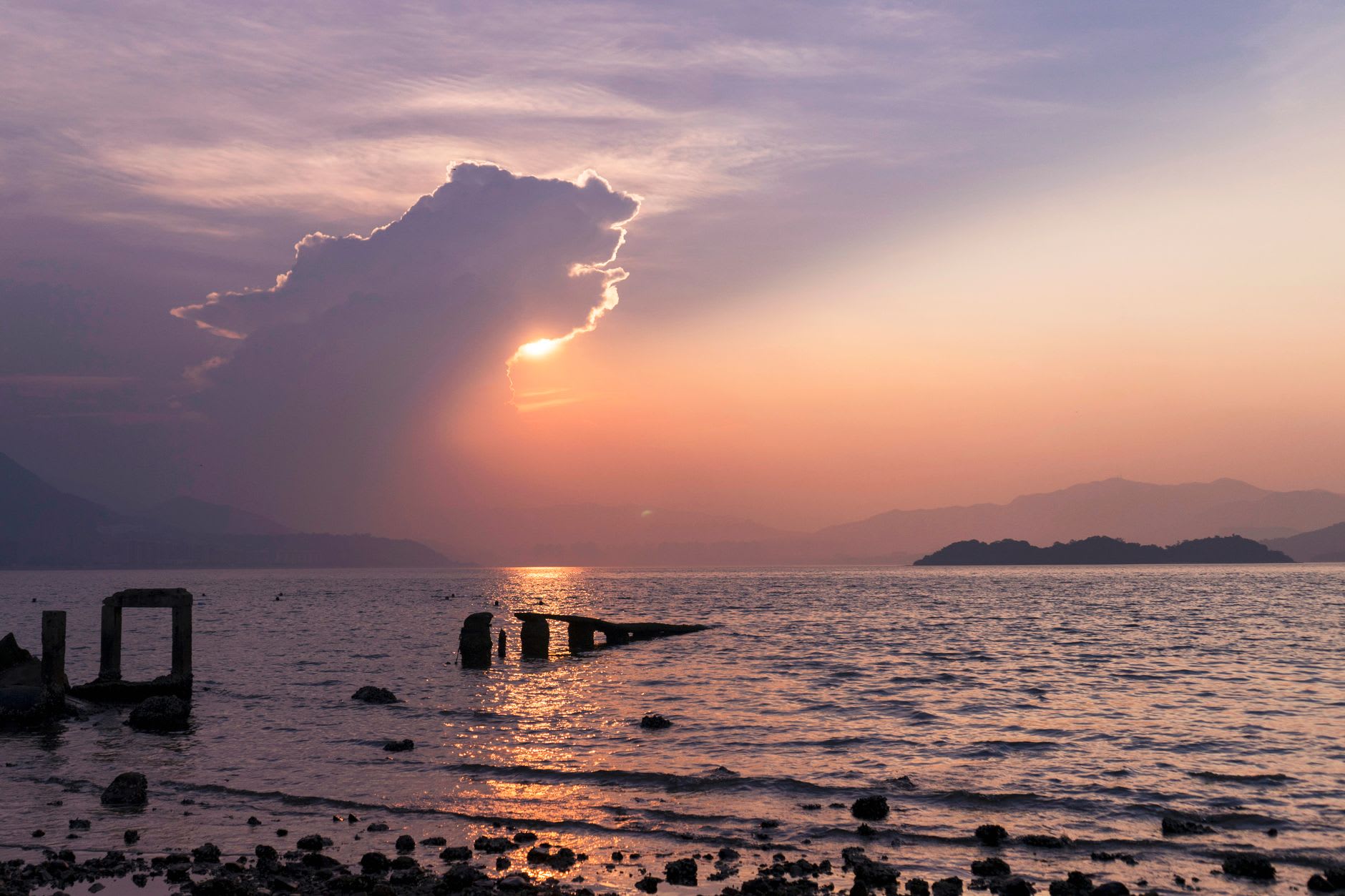
The village temple at the hill above the main street dates to the 17th century and holds festivals that nobody organises for tourists — the residents simply continue to do what their grandparents did, at the times that have always been correct. On quieter days, the temple square is the domain of cats and old men playing chess. The noodle shops on the main street serve congee and fish ball noodles that are not especially remarkable and are exactly what you want after a long morning of walking slowly through somewhere this quiet.
When to go: October through March for comfortable walking temperatures and clear estuary views. In summer, the heat and humidity on Lantau are significant and afternoon clouds often obscure the longer views out to sea. Arrive early — by midday on weekends, Tai O is a different and considerably busier place than it is at 9am on a Tuesday.