Tai Kwun
"I had a drink on a rooftop terrace built above what used to be a prison yard, and nobody around me seemed to find that strange except me."
A former colonial police station and prison reborn as Central's arts and heritage compound, where cell blocks now hold contemporary galleries and a rooftop bar.
Tai Kwun occupies one of those Hong Kong sites where the history is so dense it’s almost comic — sixteen heritage buildings across what used to be the Central Police Station, Central Magistracy, and Victoria Prison, all functioning together for over a century and all sitting essentially untouched in the middle of one of the most expensive real estate markets on earth until the Jockey Club took it on as a restoration project. It reopened in 2018 as a combined arts, heritage, and leisure compound, and walking through it for the first time, I kept losing track of which building had been which — this cell block is now a contemporary gallery, that exercise yard is now an open plaza where kids run around on weekends.
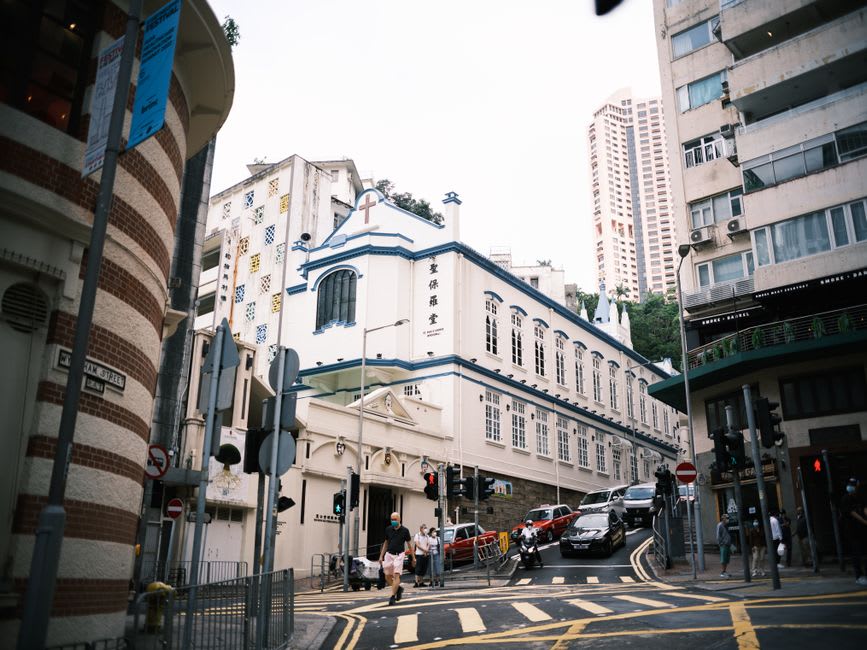
The contemporary art programming, run through JC Contemporary, tends toward serious, well-curated shows of Asian and international artists — nothing decorative or safe, which surprised me given how easily a heritage-conservation project like this could have played it timid. But it’s the smaller architectural details that stayed with me longest: barred windows left deliberately visible in what’s now a restaurant, a watchtower you can climb that gives you a view straight down onto the old exercise yards, cell doors preserved in a corridor that now smells like coffee from the cafe next door. Herzog & de Meuron, the same firm behind M+, designed the two new structures that thread through the historic buildings, and the contrast between the raw granite of the old prison walls and the perforated aluminium of the new additions is genuinely one of the better pieces of adaptive reuse I’ve seen anywhere.
By evening the Prison Yard fills with people drinking on the steps, and the bars tucked into the old buildings get a crowd that’s noticeably more low-key than Lan Kwai Fong a few blocks away — less about being seen, more about actually talking to whoever you came with. I ended up there twice on the same trip, once for an exhibition and once, unplanned, because a friend suggested a drink and I hadn’t clocked it was the same place.
When to go: Late afternoon into evening works best — daylight for the architecture and heritage tours, then the Prison Yard fills in naturally as the sun goes down. Exhibitions rotate every few months, so check the current show before making JC Contemporary the centrepiece of your visit.
Keep exploring
More from Hong Kong
 hong-kong
 Tai Long Wan
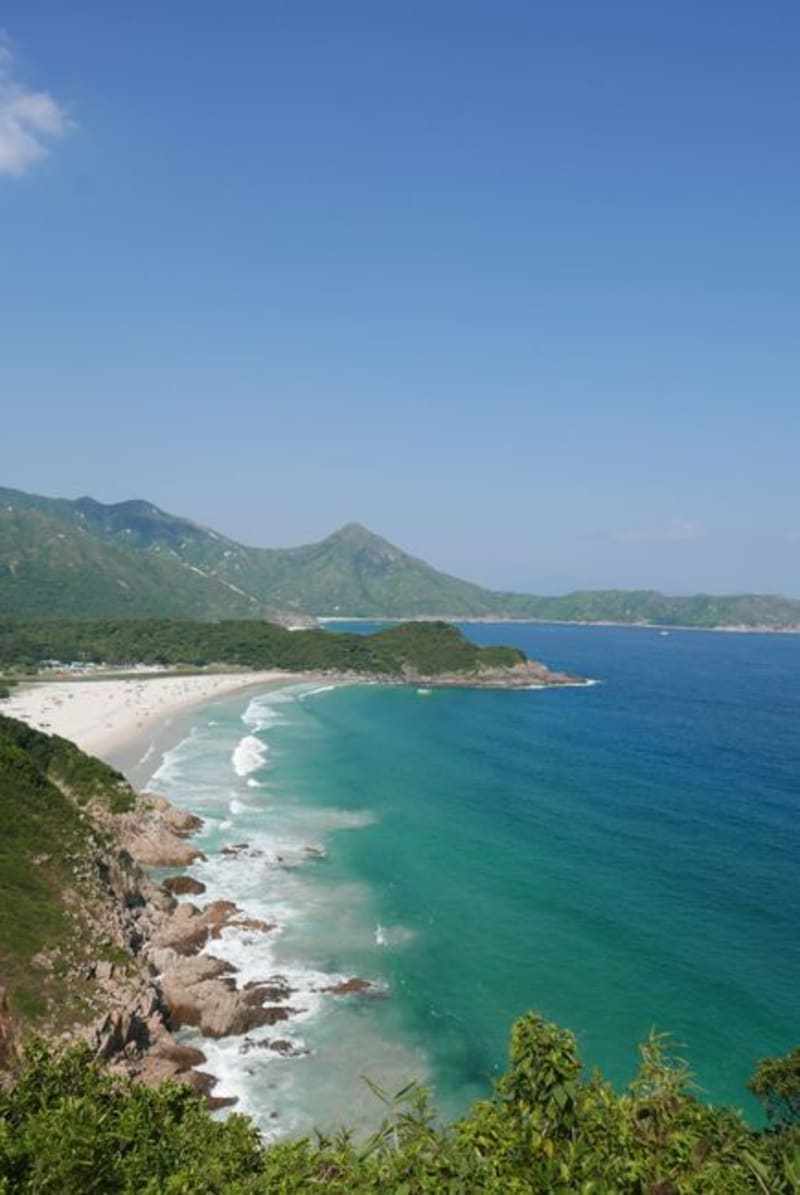
Sai Kung's reward-for-effort beach — a two-hour hike through the geopark to what most people who've seen it call Hong Kong's finest stretch of sand.
Explore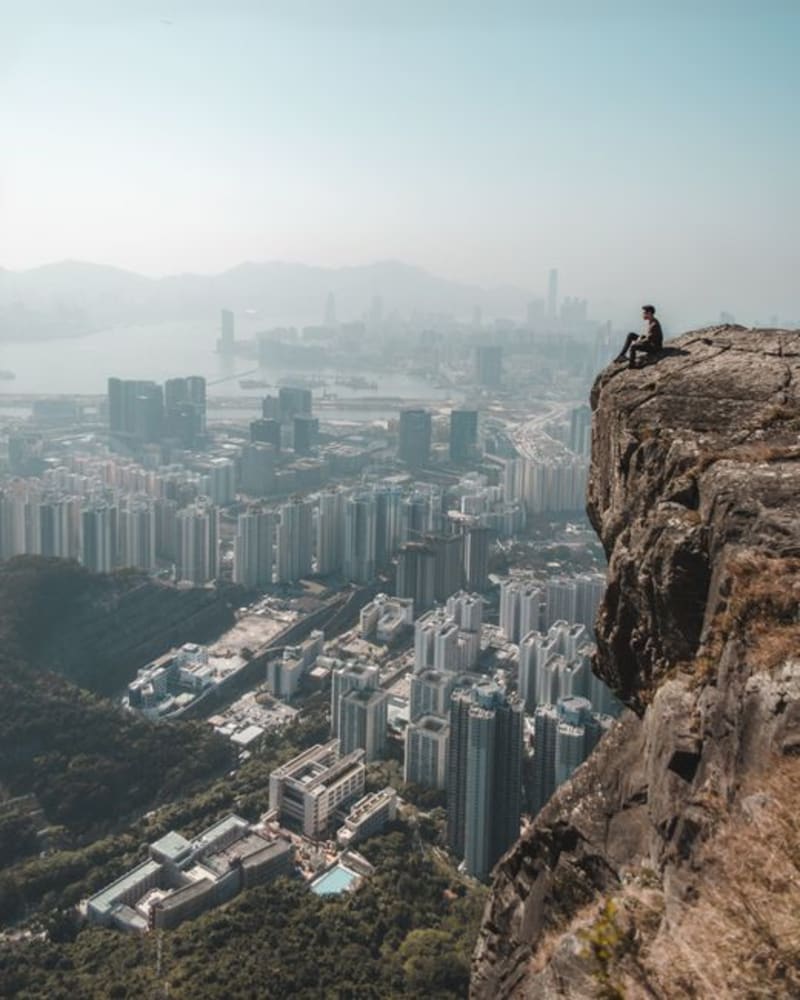 hong-kong
 Tai Mo Shan
Hong Kong's highest peak, where the clouds actually sit below you and the summit trail is quiet enough to hear your own breathing.
Explore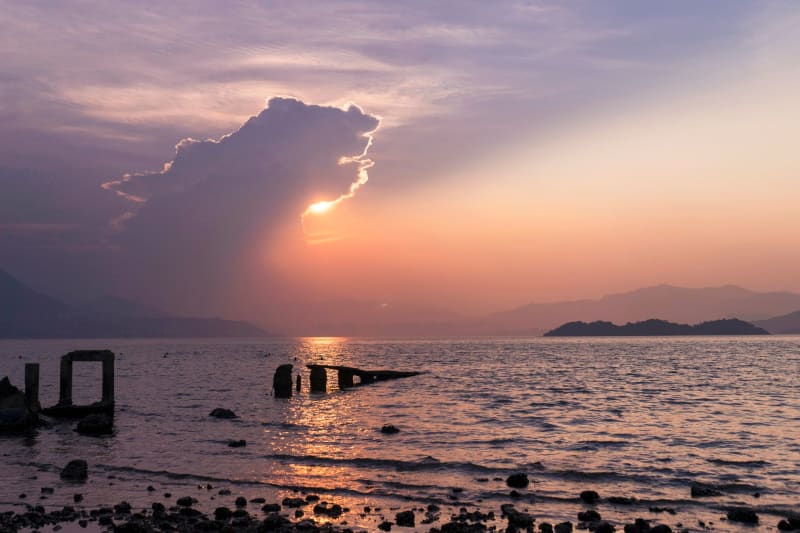 hong-kong
 Tai O
A stilt village at Lantau's western tip where time and the tides both move at their own pace, and the shrimp paste is unlike anywhere else.
Explore hong-kong
 Tai Po Market
A New Territories market town built around its century-old wet market, where the KCR railway once decided which vegetables reached the city.
Explore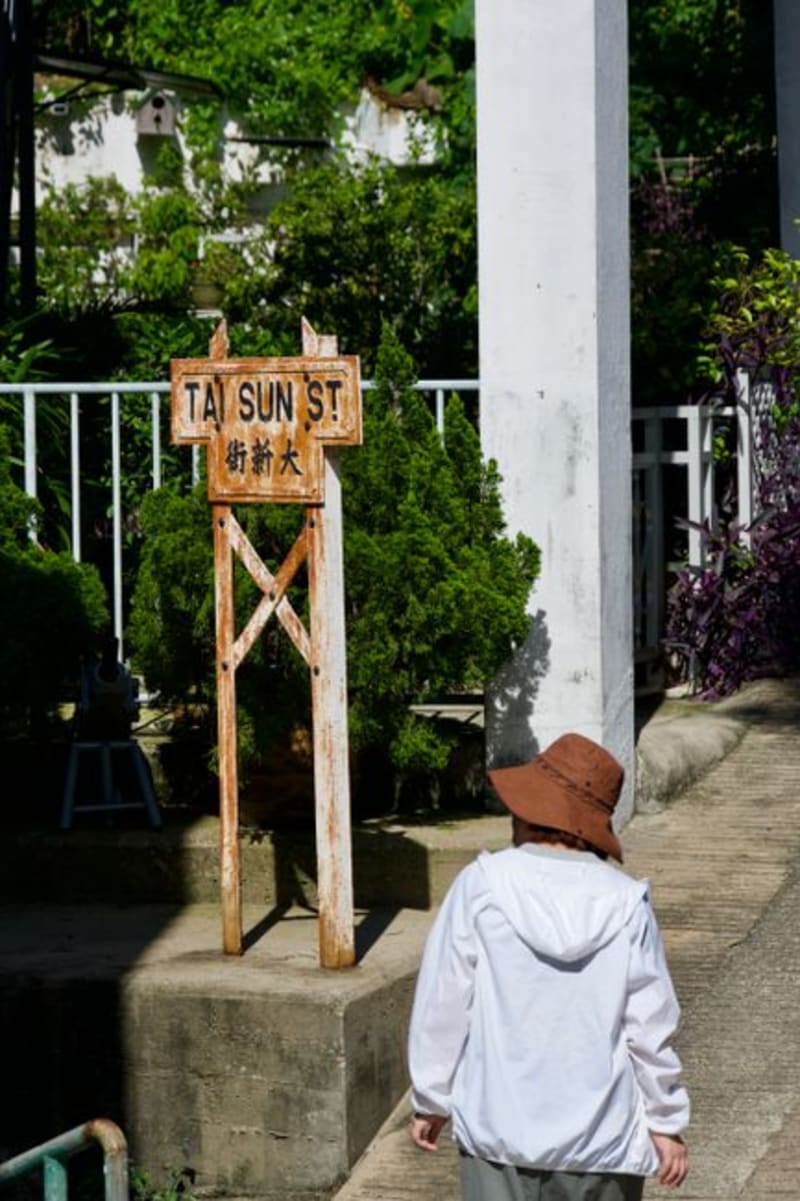 hong-kong
 Tai Po & the Railway Museum
An old market town where a disused colonial train station has become a museum, and the wet market still runs the way it always has.
Explore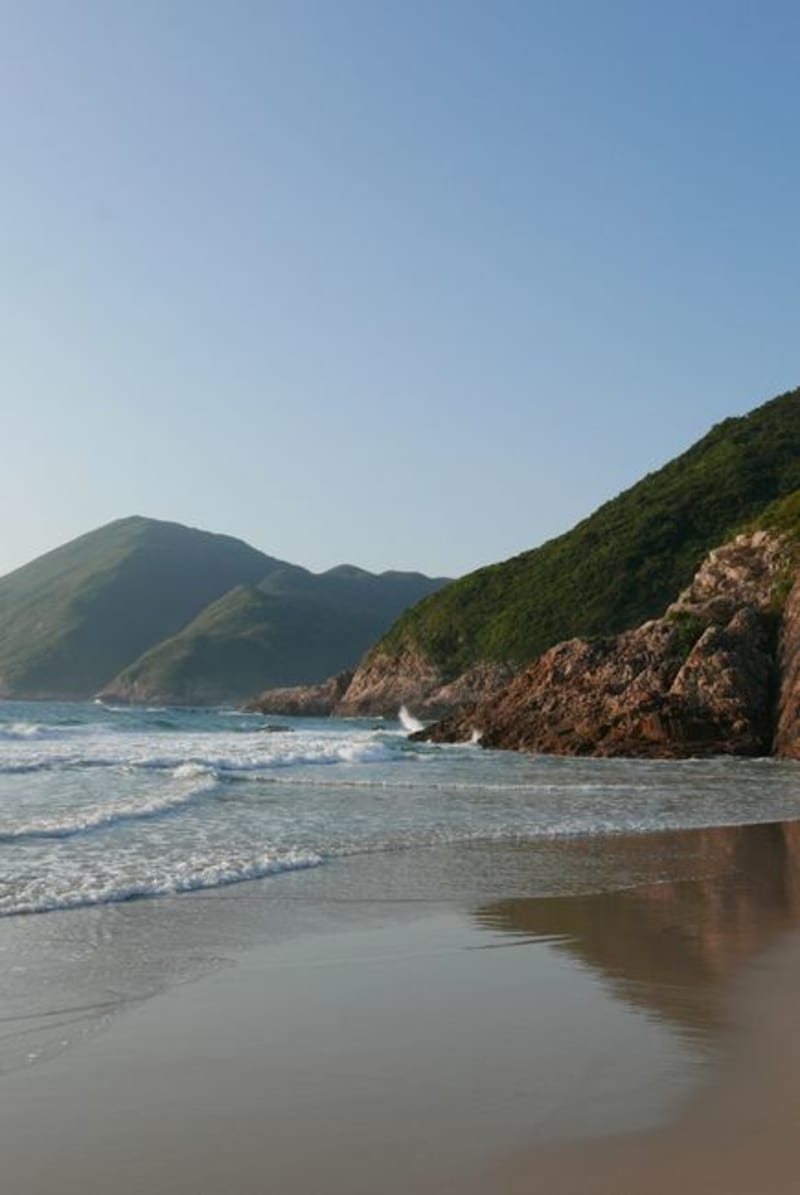 hong-kong
 Tap Mun
Grass Island — a wind-scoured outcrop off the northeast coast where cattle graze wild above the cliffs and the ferry ride is half the experience.
Explore