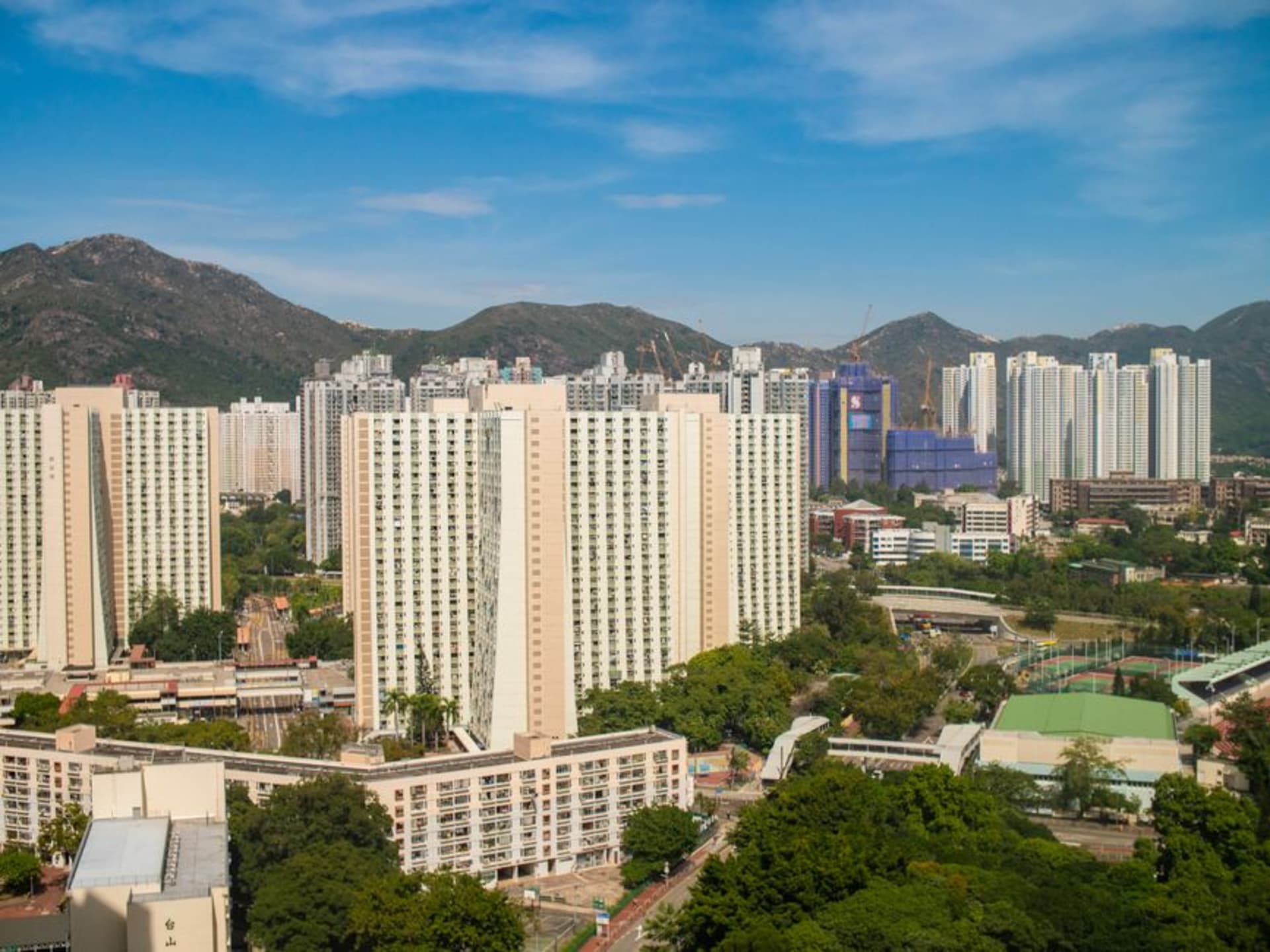
Tai Fu Tai Mansion
"We were the only visitors for nearly forty minutes, and the caretaker seemed almost surprised that we'd found the place at all."
A Qing dynasty scholar's house buried in the New Territories, its plaster carvings and shell-lime walls barely touched by the century since.
Getting to Tai Fu Tai Mansion took more effort than almost anywhere else I visited in Hong Kong, and that’s precisely why I’m including it here rather than something easier. It sits in San Tin, a village near the border with mainland China, reached by a bus route that Lia and I had to double-check twice on the map before committing, followed by a walk down a quiet lane past duck ponds and vegetable plots that made it hard to believe we were still within the same administrative territory as Central’s glass towers.
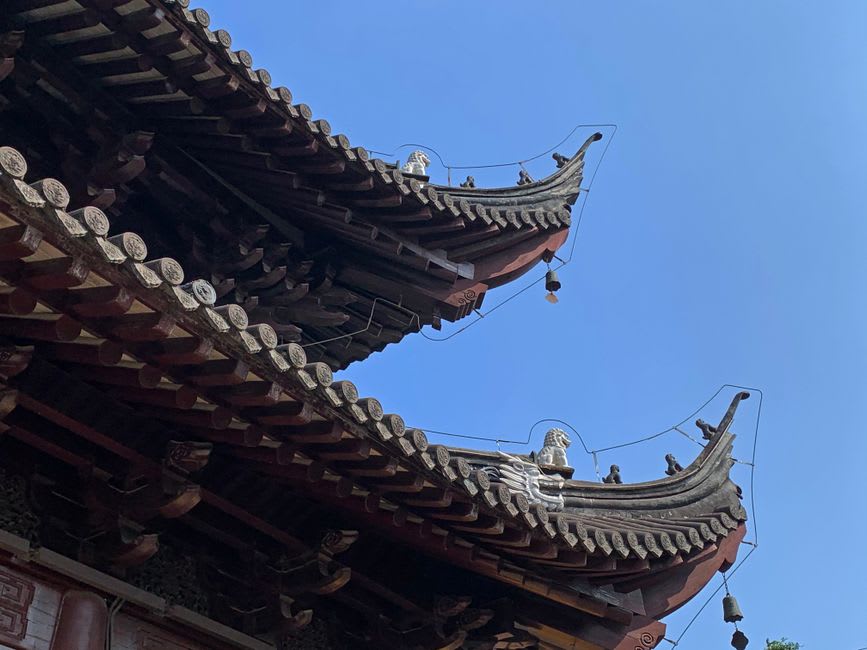
The mansion was built in 1865 by Man Chung-luen, a scholar from the Man clan who had passed the imperial examinations, and it remains one of the best-preserved traditional Chinese houses in the New Territories — a two-hall, two-courtyard structure with grey brick walls, elaborate plaster mouldings depicting flowers and auspicious symbols above the doorways, and carved wooden panels that somehow survived over a century of humidity, war, and the general entropy that swallows most wooden buildings in this climate. Restoration work has kept it stable, but nothing about it feels reconstructed for effect. It feels genuinely old, in a way that some heritage sites, however well-meaning, don’t quite manage.
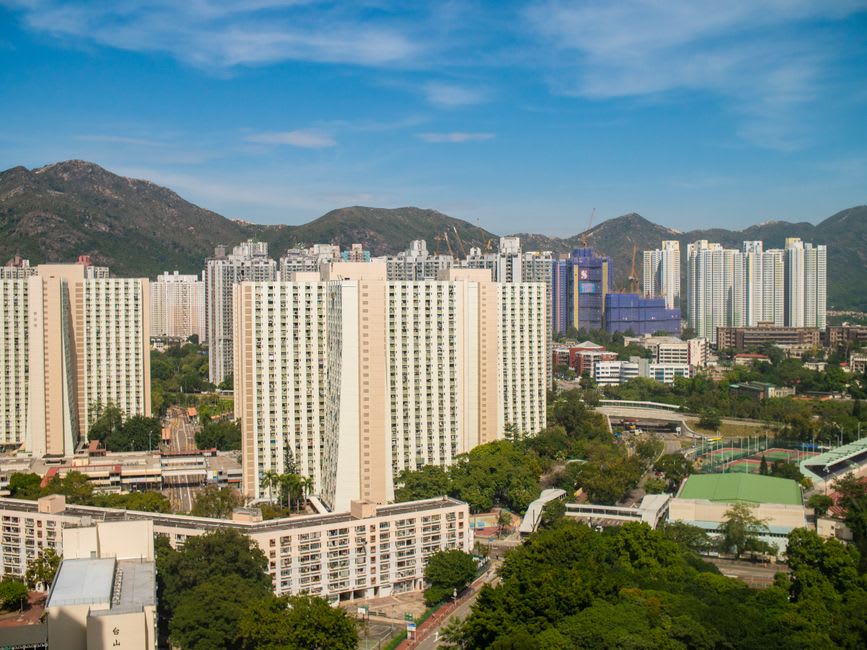
The shell-lime plaster used on the exterior walls has a soft, slightly luminous quality in late afternoon light, a construction technique specific to the region’s coastal geology that most modern buildings have no reason to replicate anymore. Inside, the layout follows a strict hierarchy typical of Qing-era gentry homes — an entrance hall, a courtyard for light and air, a main hall for ancestral worship and family gatherings, bedrooms tucked to the sides. Standing in the empty main hall, I tried to picture generations of the Man family moving through these same rooms across a century of enormous change happening just outside the walls, from imperial China through British colonial rule, and the house itself giving almost no visible sign of any of it.
There is no café, no gift shop, no queue. A caretaker sat near the entrance doing something on her phone and glanced up mildly when we arrived, as though visitors were a rare but unremarkable occurrence. That absence of any commercial framing around the place is, honestly, most of its appeal.
When to go: Weekday afternoons, when you’re likely to have the mansion largely to yourself. Check opening days before setting out — it keeps limited hours and closes on some weekdays, and the trip out to San Tin is long enough that you don’t want to arrive to a locked gate.