SoHo & PMQ
"SoHo is Hong Kong deciding, for a few blocks, to slow down and have a glass of wine about it."
A hillside grid of wine bars, indie galleries, and a converted police married quarters that became the city's best design incubator.
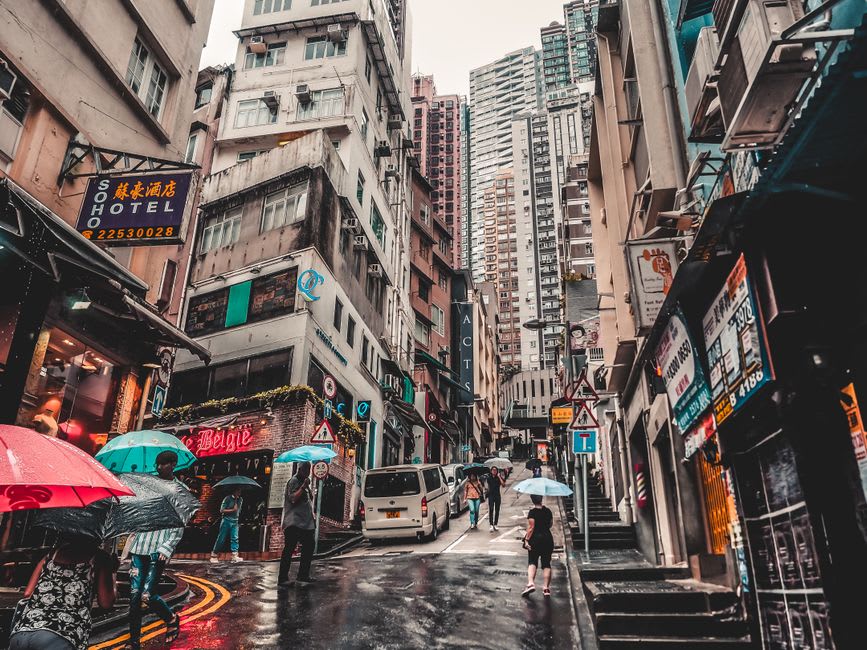
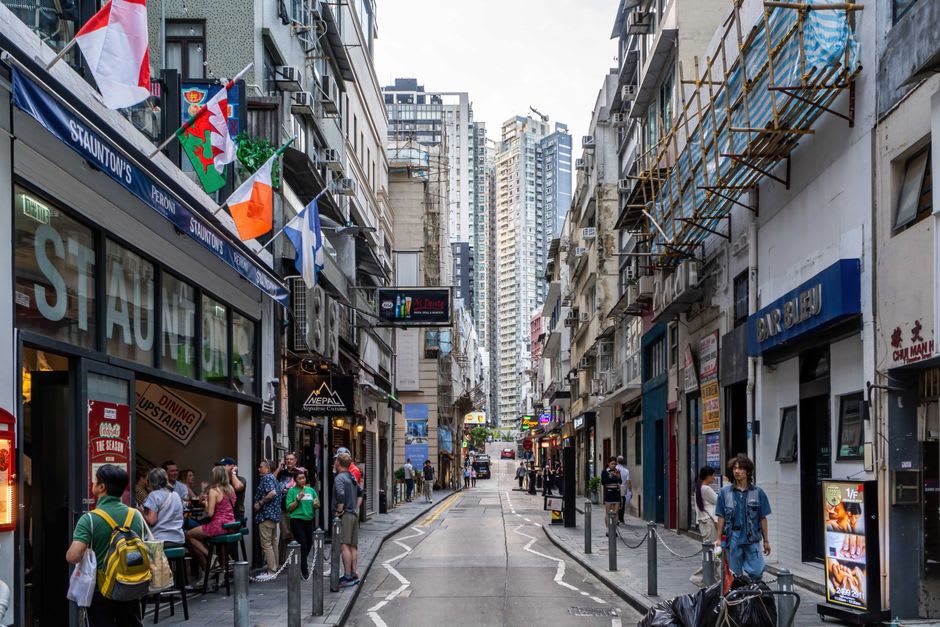
The name is a joke that stuck — South of Hollywood Road, a nod to the New York original — but SoHo earned its own identity fast enough that nobody questions it anymore. It’s a tight grid of steep lanes climbing up from the Mid-Levels escalator, packed with restaurants representing cuisines you wouldn’t expect to find within a five-minute walk of each other: a Nepali place next to a Spanish wine bar next to a ramen counter with four stools. Lia and I ate our way through three different countries in one evening here without ever getting in a taxi.
What makes SoHo work as a neighborhood rather than just a restaurant strip is the elevation. Because everything is built on a slope, restaurant terraces stack above each other, and on a warm evening the whole hillside hums with conversation drifting between levels. Staunton Street and Elgin Street are the two arteries worth wandering without a plan — just walk until something smells good enough to stop.
PMQ, a few minutes further up the hill, used to be married quarters for police officers back in colonial days — functional, boxy, unglamorous — and has been converted into one of the more interesting design spaces in the city. Local designers, ceramicists, and independent fashion labels rent studio space here, and unlike a lot of “creative hub” redevelopments, it hasn’t been scrubbed of character. You can still see the old building’s bones: the courtyard layout, the utilitarian stairwells, the small rooms that once housed families now housing someone’s letterpress studio. I bought a set of hand-thrown tea cups here that I still use every morning, three years and one continent later.
Hollywood Road itself, running along the bottom of the neighborhood, is where the antique dealers cluster — genuine Qing dynasty furniture next to shops selling propaganda posters and Mao-era enamel mugs, and it takes a practiced eye to know which is which. I am not that eye, so I mostly just browsed, but the street art tucked into the side alleys off Hollywood Road, especially around Tai Ping Shan Street, turned out to be more memorable than most of the antiques: a rotating gallery of murals painted directly onto the shutters of closed shops, changing every few months.
When to go: Evenings, any day of the week, for the restaurant scene at full tilt. PMQ’s studios are best visited on weekend afternoons when more designers are actually in residence and working.
Keep exploring
More from Hong Kong
 hong-kong
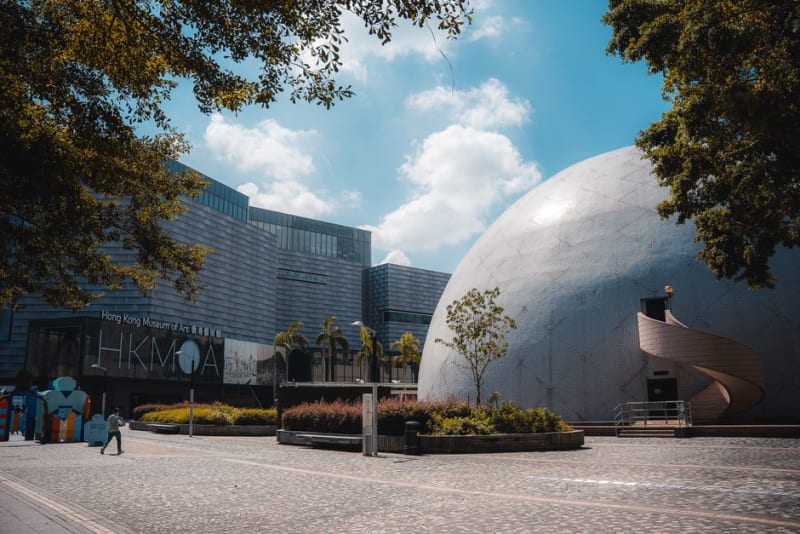
 Hong Kong Space Museum
A golden dome on the Tsim Sha Tsui waterfront hiding a planetarium and a genuinely excellent tour through the history of getting off this planet.
Explore hong-kong
 Stanley
A colonial-era market town on Hong Kong Island's southern shore where the pace is easier and the light on the bay unexpectedly soft.
Explore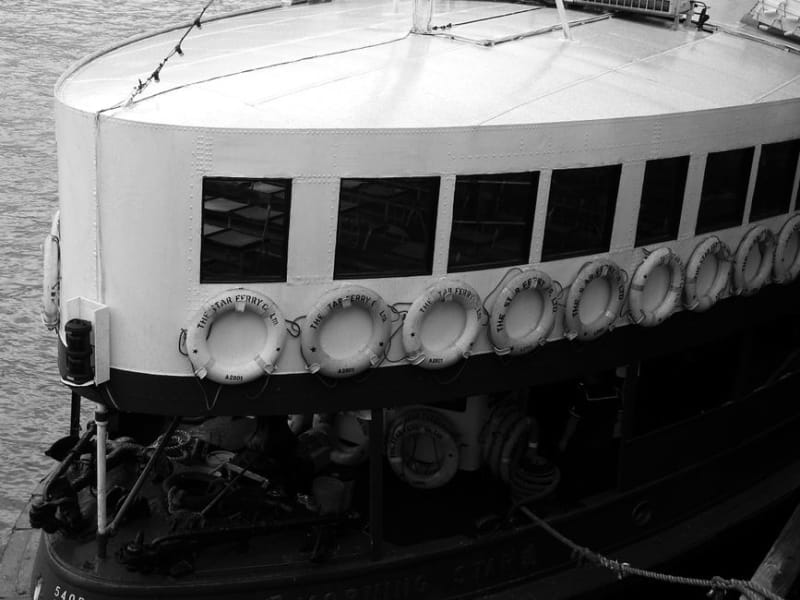 hong-kong
 Star Ferry
A seven-minute harbour crossing on a hundred-year-old green-and-white ferry that still costs less than a coffee.
Explore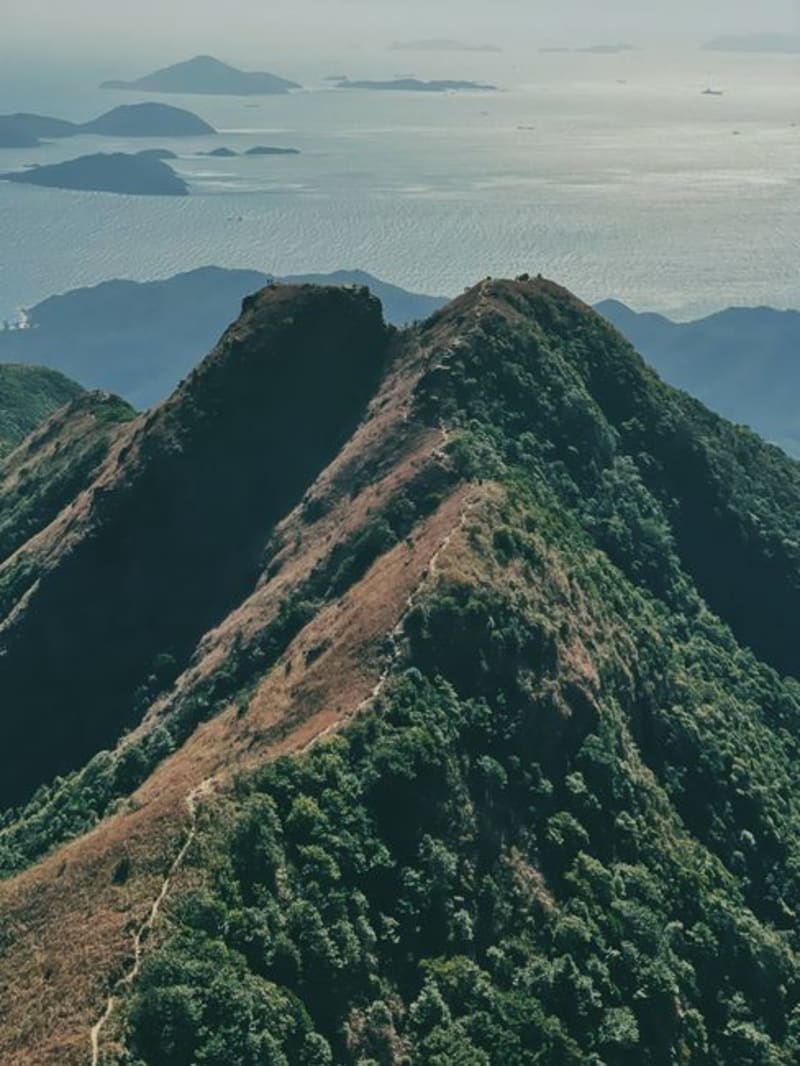 hong-kong
 Sunset Peak
Lantau's second-highest summit, ringed with abandoned stone huts and grassland that turns gold exactly when its name promises.
Explore hong-kong
 Tai Fu Tai Mansion
A Qing dynasty scholar's house buried in the New Territories, its plaster carvings and shell-lime walls barely touched by the century since.
Explore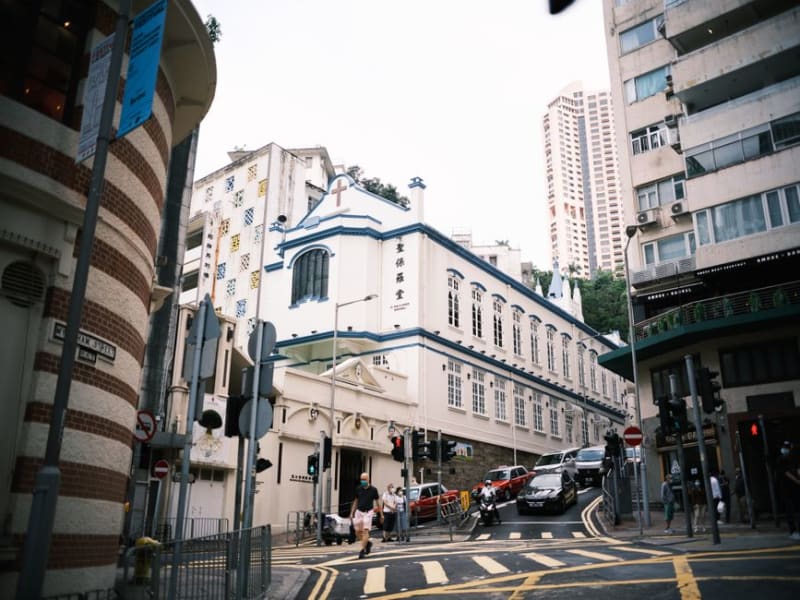 hong-kong
 Tai Hang
A former squatter village turned quiet café district, famous once a year for a 67-meter fire dragon made of straw and incense sticks.
Explore