Sheung Wan
"The smell hit me a full block before I turned the corner — fish and salt and something ancient."
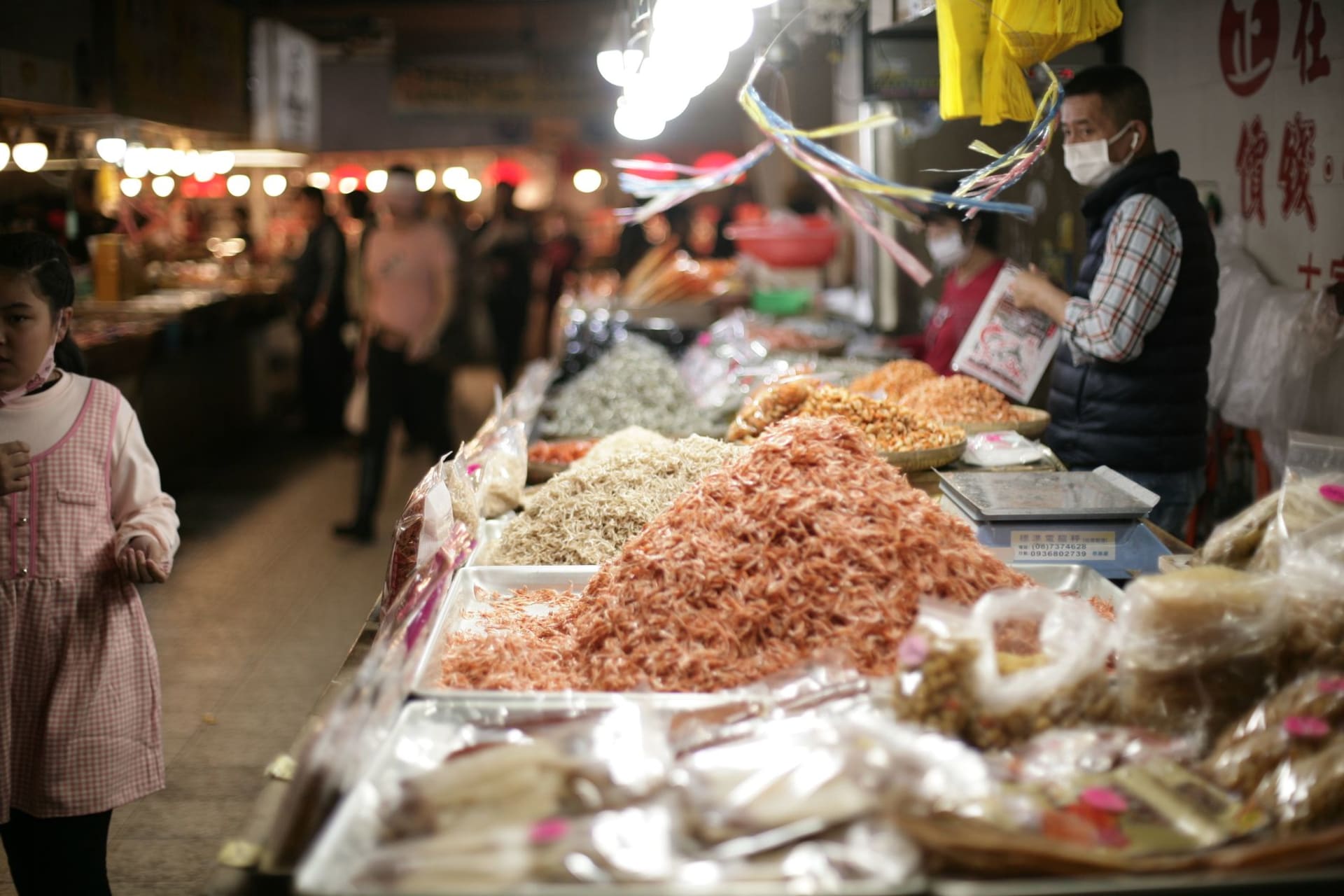
The smell arrives before you see anything. Walking west from Sheung Wan MTR station along Des Voeux Road West, the air shifts somewhere around the intersection with Sutherland Street — a deep, complex smell of dried fish, shrimp paste, salt, and something almost medicinal that I later learned was dried scallop fermenting slowly in open sacks. The dried seafood shops here have been operating in more or less the same way for over a century, stacking their wares and hanging bundles of dried octopus and abalone from hooks above the pavement. Travel writing routinely oversells sensory experiences. This one actually earns it.

Sheung Wan sits immediately west of Central on Hong Kong Island, and the contrast between the two neighbourhoods is instructive. Central is all glass towers and private banking and luxury malls; Sheung Wan is antique dealers, temple incense, and streets that still have names in both English and traditional Chinese on the same corner signs, as if the neighbourhood couldn’t quite decide which era it belonged to. Man Mo Temple on Hollywood Road is one of the city’s oldest, built in 1847, and on weekday mornings elderly women come to burn incense in a space that smells of camphor wood and centuries of accumulated slow smoke. The great coils of incense hanging from the ceiling glow red at their tips. It is not a performance for visitors. It is simply still happening, as it has been, quietly and continuously, for longer than most countries I’ve visited have existed.
The art galleries moved into Sheung Wan’s old warehouses sometime in the 2000s and have been quietly thriving since. Hollywood Road remains the axis — genuine Qing-era ceramics sold alongside tourist-grade replicas, contemporary Chinese painting in spaces tucked between the antique shops. PMQ, the converted police married quarters a little further up the hill, now holds design studios and a food hall that skews younger and more experimental than anything in Central. The navigation requires patience: addresses here don’t follow the logic of the newer districts, and many of the best spaces are up an unmarked staircase or through a gate that looks like it leads nowhere worth going.

Sheung Wan repays the kind of walking without a clear destination. West of the main seafood street, the residential blocks grow quieter and the street-level shops sell things for local life — hardware, medicinal herbs in drawers behind glass, newspapers in a language I can’t read but whose page layouts tell me everything I need to know about the morning’s mood. The afternoon light comes in low from the harbour direction and makes even the most ordinary corner look considered, as if someone with taste had arranged it.
When to go: Any season works, but the cooler months — October to December — make the walking considerably more pleasant. If you’re there in January or February around Chinese New Year, the preparation is its own spectacle: families buying lap cheong sausage and dried fish for the holiday table, the seafood shops at their busiest and most fragrant.