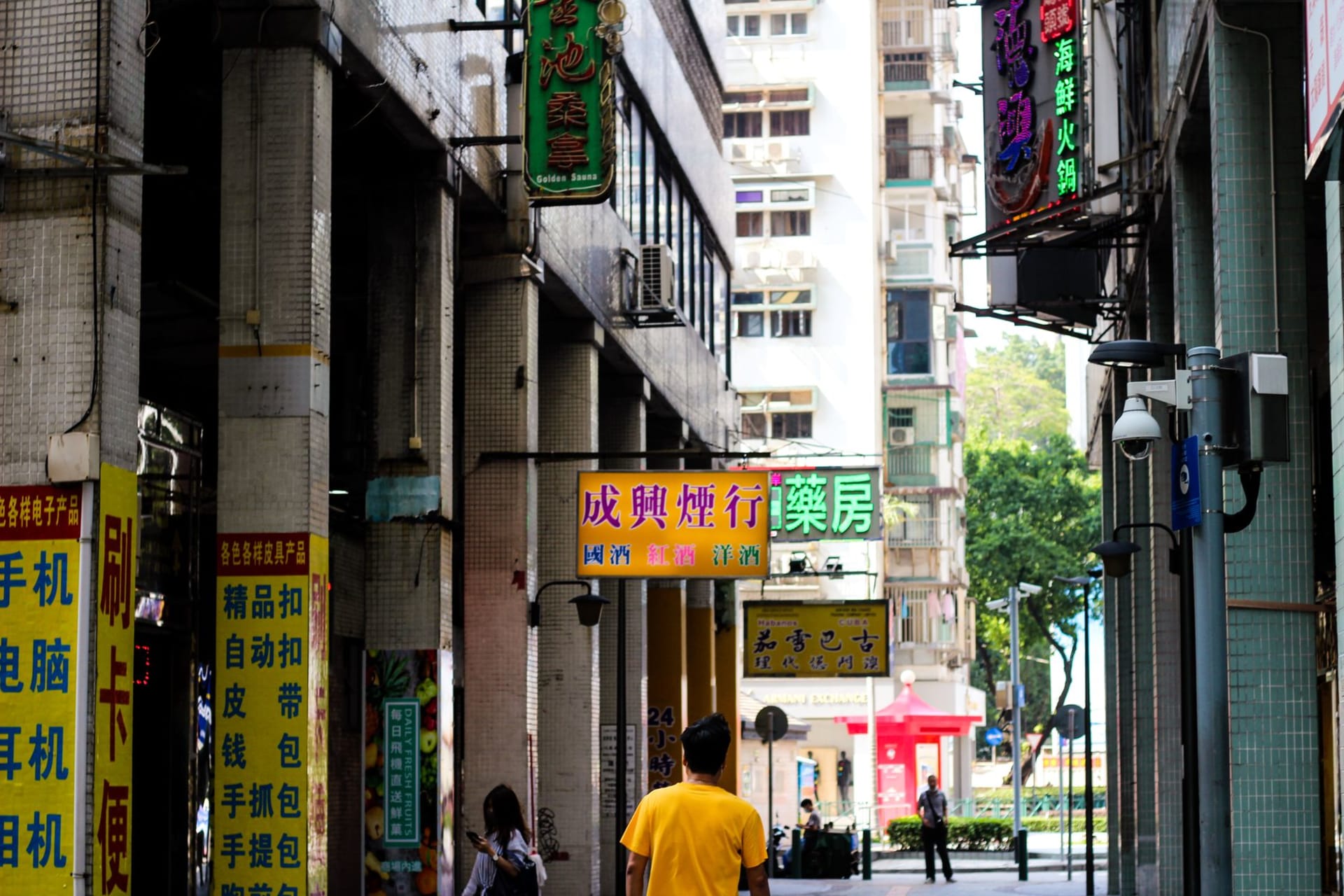
Sham Shui Po
"You can find anything in Sham Shui Po — you just have to know what you're looking for first."
I went to Sham Shui Po to find a replacement camera cable I had snapped somewhere between Kowloon and the airport. This is exactly the kind of errand the neighbourhood exists for, and it performed flawlessly: I was out of the electronics district with the right cable within fifteen minutes and seven Hong Kong dollars poorer. The shop occupied maybe four square meters, was stacked floor to ceiling with components in small labelled bags, and was staffed by one man who found what I needed before I had finished describing it. This is Sham Shui Po’s gift — not breadth, but depth. If you know what you need, it will have it.
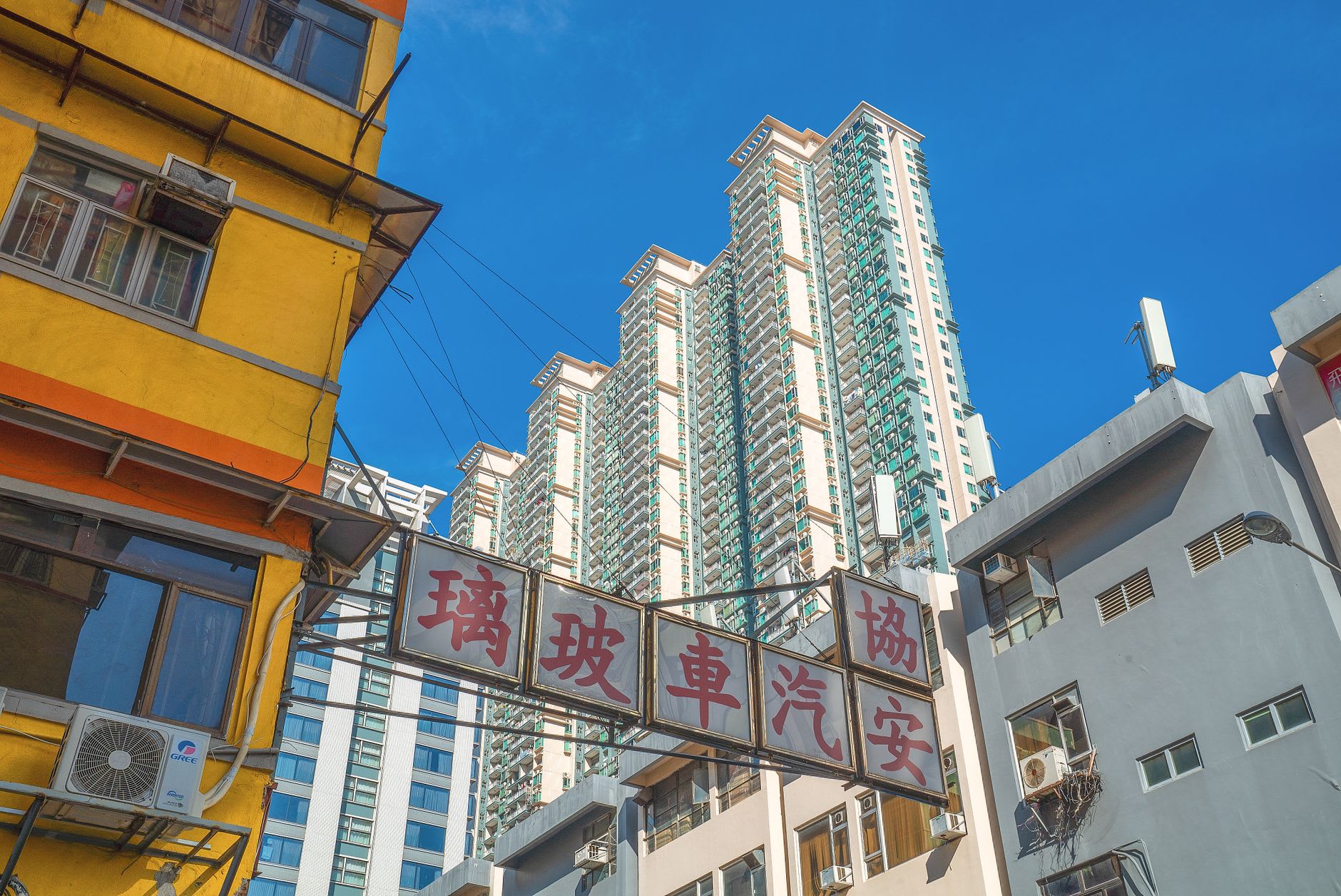
The electronics markets run along Apliu Street and the blocks around it — a dense network of stalls and shopfronts selling everything from assembled phones to individual transistors. The new-and-second-hand distinction blurs here in interesting ways: a vendor might have last year’s iPhone beside a gutted circuit board beside an unpacked smart speaker in its original Korean packaging, all at prices that make you check the conversion rate twice. The implicit assumption of the whole district is that you have a reason for being there and know roughly what that reason is. People who wander in expecting the guided experience of a tourist market tend to look confused. People hunting for a specific model of vintage Walkman, or who know what a capacitor is, tend to leave extremely happy.
The food is why I stayed a second and third visit. Clay pot rice shops appear on these blocks around 5pm, setting their pots of raw rice and marinated meat over slow charcoal heat, and by 7pm the queues start. The clay pot rice at Kwan Kee — a restaurant that has operated on Fuk Wing Street in one form or another since the 1950s — involves a crust of toasted rice that forms at the bottom of the pot, which you mix with the soy and meat drippings at the table. Technically humble. Actually revelatory. I ate it three nights in a row and thought about it for weeks after I left.
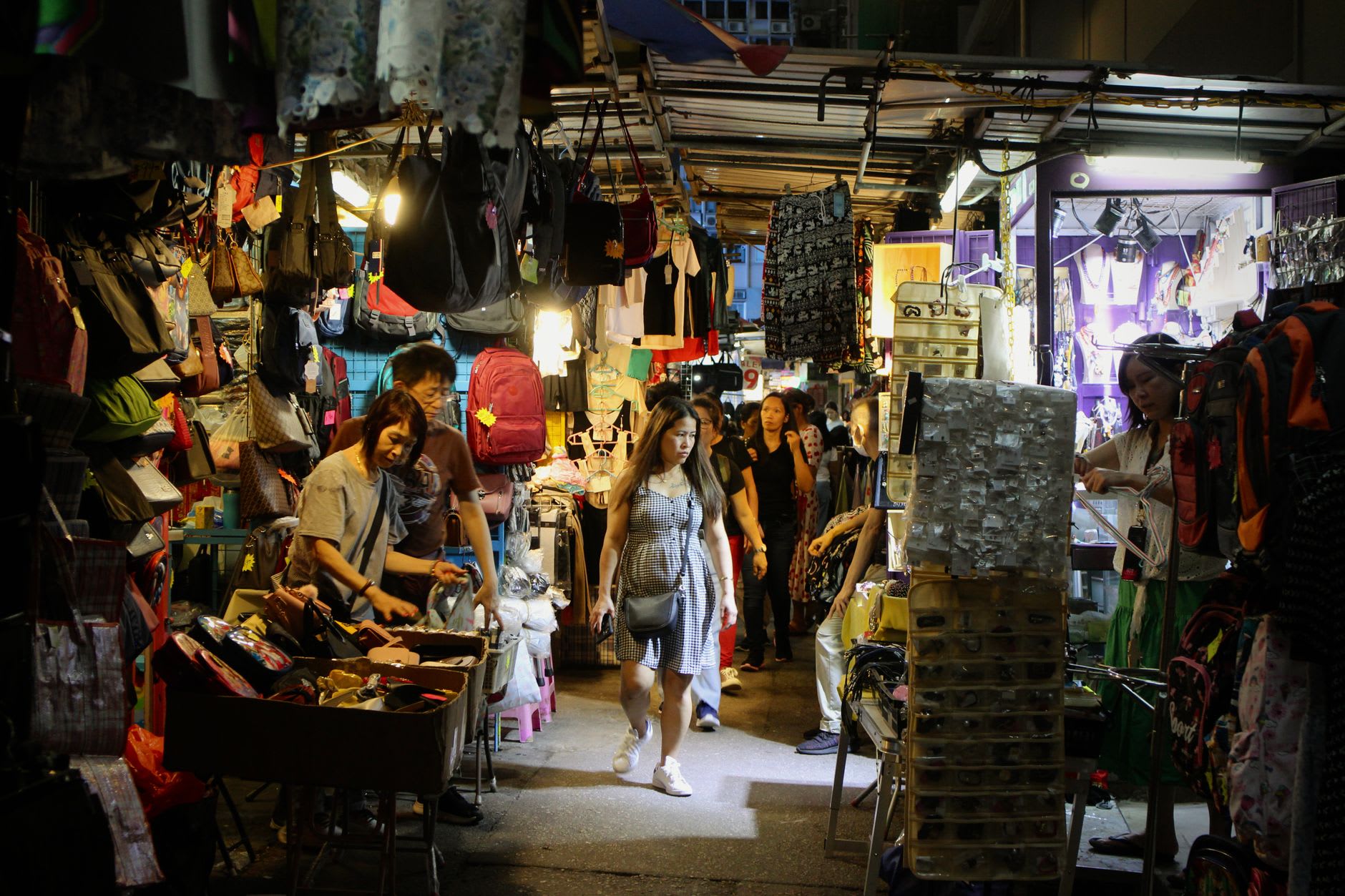
The fabric and craft markets along Ki Lung Street form a softer parallel to the electronics district — silk brocade, denim off the bolt, haberdashery shops with buttons in every diameter, wool and embroidery thread in drawers. Hong Kong’s remaining garment industry sources from here, and so do home sewers who take the MTR from across the city. It is not a place designed for display. It is designed for use, which is what makes it feel real in a way that planned markets rarely do.
When to go: Evenings year-round for street food, with clay pot season feeling most appropriate in the cooler months of October through February. The electronics markets are most active on weekday mornings when trade buyers come through. Avoid Sunday afternoons when family foot traffic peaks and the narrower stall lanes become genuinely difficult to navigate.