Sai Ying Pun
"The espresso bar and the sixty-year-old dai pai dong sit on the same block, and somehow neither one seems out of place."
A quiet grid of dai pai dong veterans and tofu pudding shops holding out against the third-wave coffee moving in around them.
Sai Ying Pun sits just west of Sheung Wan, close enough that they blur together on a map, but the neighbourhood has its own quieter identity once you’re actually walking it — steep residential streets, a MTR station that only opened in 2015 and instantly changed the area’s fortunes, and, tucked into the grid, some of the last proper dai pai dong operations left on Hong Kong Island. Sing Kee, an open-air stall that’s been cooking on First Street for decades, does a wok-fried beef in black pepper sauce over rice that arrives so hot the plate is still hissing when it lands on your table. Lia ordered a second beer purely to have something cold to counter it.
Dai pai dong once meant something specific and endangered in Hong Kong — a licensed open-air food stall, a category the government stopped issuing new permits for decades ago, so every one still operating is effectively grandfathered in and slowly disappearing as owners retire. Sai Ying Pun’s remaining handful cook the way they always have: woks over open flame, plastic stools on the pavement, a menu that rarely changes because it’s never needed to. Eating at one feels less like visiting a heritage site and more like being let in on something that’s simply still true, for now.
What makes the neighbourhood interesting rather than just nostalgic is what’s grown up alongside those dai pai dong since the MTR arrived. Third-wave coffee shops, small-batch bakeries, and a scattering of natural wine bars have moved into ground-floor units within a few blocks of Sing Kee, run mostly by a younger generation of Hong Kongers who grew up eating at these same stalls and clearly have no interest in displacing them. I had genuinely excellent coffee two doors down from a sixty-year tofu pudding shop, and nobody involved seemed to think that combination was strange.
The tofu pudding — dau fu fa, silken and barely set, served warm with a ginger or plain sugar syrup — is worth seeking out specifically. A few shops in the neighbourhood have made almost nothing else for generations, grinding their own soybeans daily, and the texture difference between a shop that does this properly and one that doesn’t is immediately obvious even to someone who’d never had it before that afternoon.
When to go: Evenings for the dai pai dong at full service, when the wok flames and the pavement crowd are part of the appeal. Afternoons are better for the tofu pudding shops and coffee, when the steep streets are at their quietest.
Keep exploring
More from Hong Kong
 hong-kong
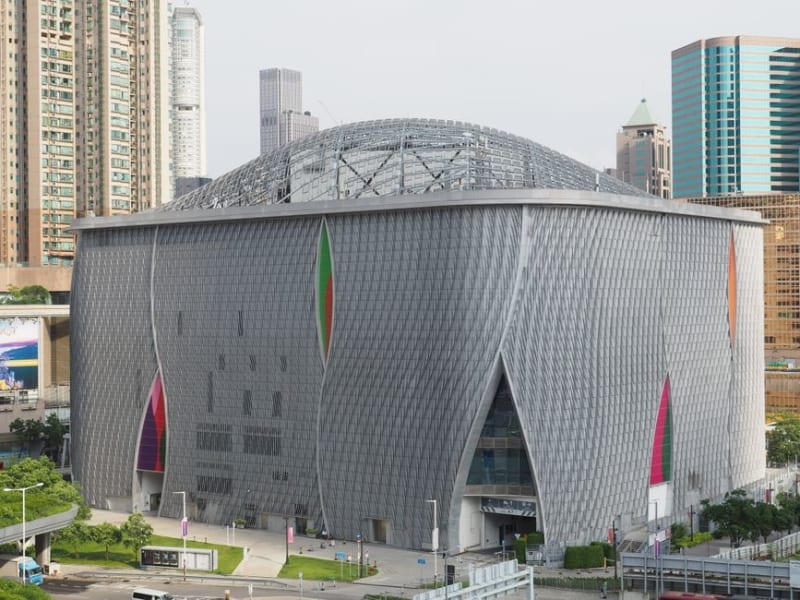
 Sam Tung Uk Museum
A 18th-century Hakka walled village preserved whole inside Tsuen Wan, its ancestral hall standing exactly where the town grew up around it.
Explore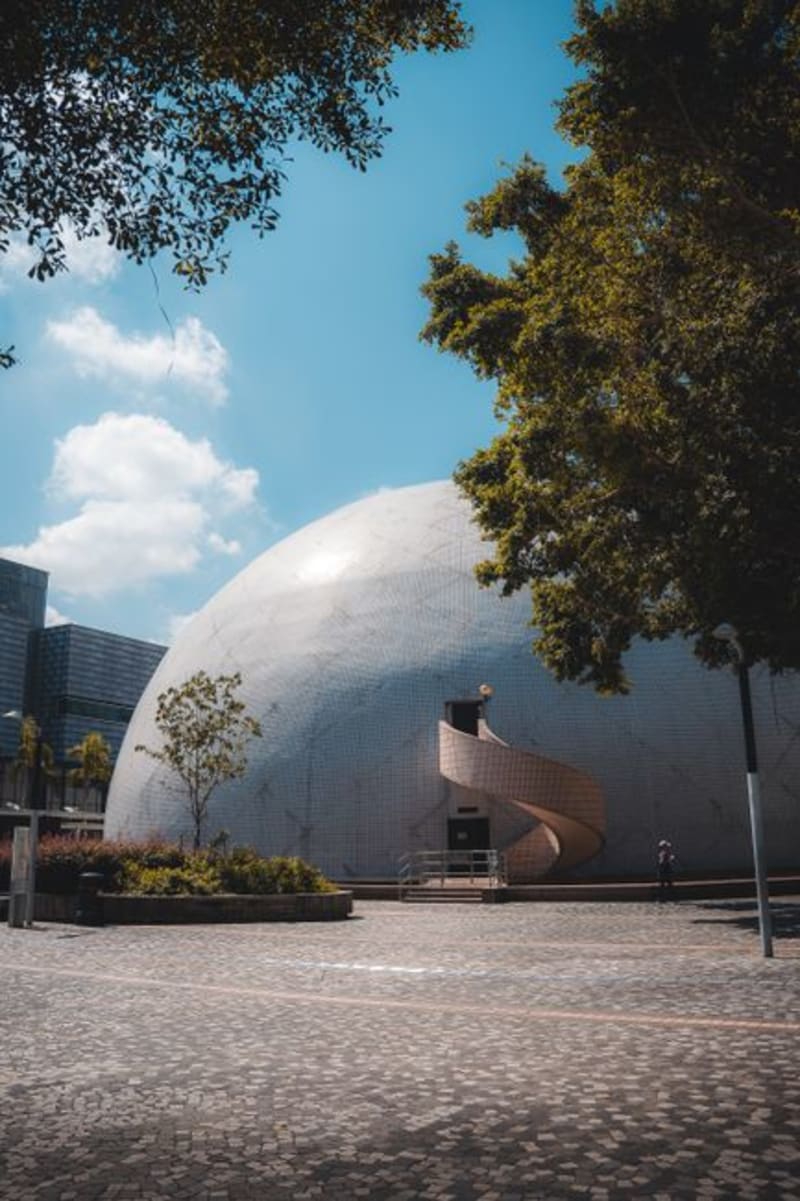 hong-kong
 Hong Kong Science Museum
A hands-on museum in Tsim Sha Tsui East built around a genuinely mesmerizing energy machine, thirty meters of chain reaction that only runs once a day.
Explore hong-kong
 Sha Ha Beach
Sai Kung's windsurfing and kitesurfing beach — a working watersports scene ten minutes from town, more rigging and rope than sunbathing towels.
Explore hong-kong
 Sha Tin
A New Territories new town where ten thousand Buddha statues climb a hillside and one of the world's busiest racecourses sits beside a placid river.
Explore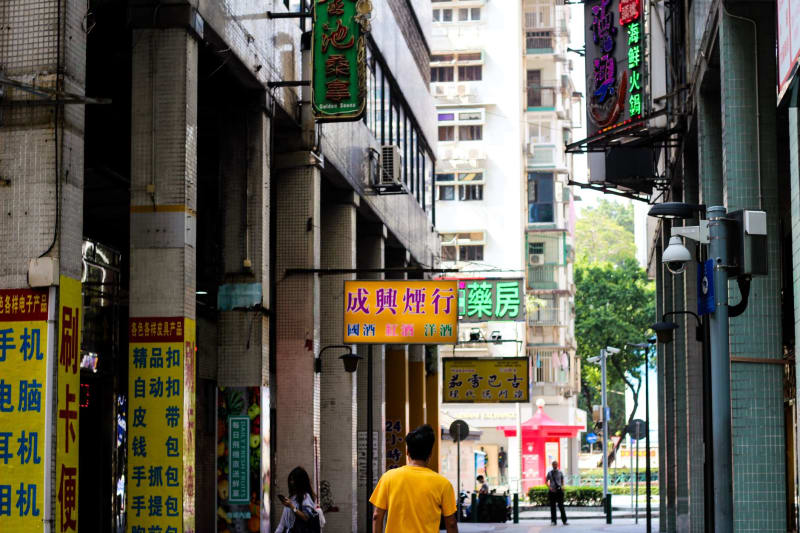 hong-kong
 Sham Shui Po
Hong Kong's electronics bazaar and street food heartland, where nothing is designed for tourists and everything works better for it.
Explore hong-kong
 Sharp Peak
Sai Kung's most striking summit — a steep, scrambly cone of rock that rewards the effort with the best panorama in the entire territory.
Explore