Po Toi
"The whole island seemed to be waiting for something that, happily, never showed up."
Hong Kong's southernmost inhabited island — wind-carved rock formations, a near-empty seafood pier, and a ferry that runs on its own schedule.
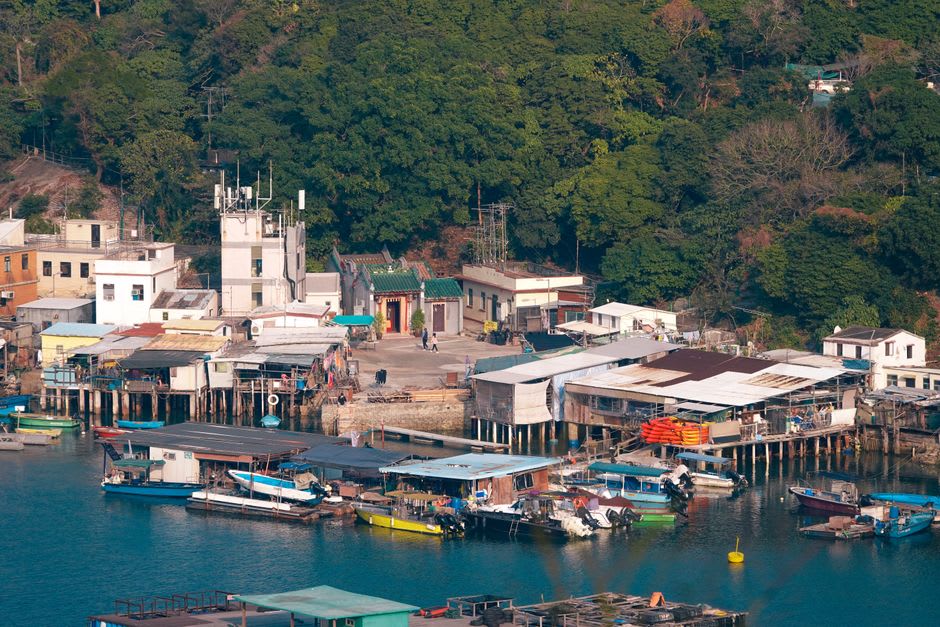
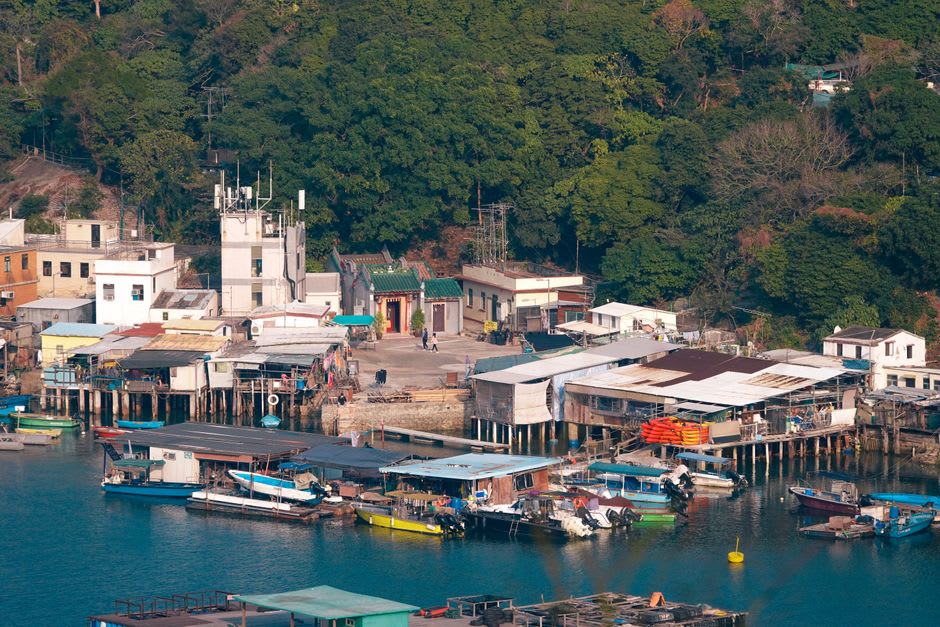
Po Toi sits at the far southern edge of Hong Kong’s waters, closer to open ocean than to anything resembling a city, and the limited ferry schedule from Aberdeen or Stanley — a handful of sailings a day, fewer on weekdays — means most people who bother making the trip give it a full day rather than a rushed half-visit. I went on a Sunday specifically because the ferry frequency doubles, and even then the island absorbed the visitors without feeling remotely crowded; there is a genuine sense out here of having reached the edge of something.
The island’s main draw is its collection of naturally sculpted rock formations, worn over centuries by wind and salt spray into shapes with names like the Palm Cliff and the Buddha Rock, best appreciated by following the coastal path that loops around much of the southern shore. It is not a difficult walk, but the exposure to sun and wind out here is considerable, and I was glad for the hat I’d almost left at the hotel. The views from the path — nothing but open South China Sea in most directions, the occasional container ship on the horizon reminding you this is still Hong Kong waters — have a scale and emptiness that nowhere else in the territory quite matches.
The tiny settlement near the ferry pier is home to maybe a few dozen permanent residents and a small cluster of seafood restaurants that have built a genuine following among Hong Kong Island diners willing to make the boat trip specifically to eat there. The abalone and the drunken prawns, soaked live in Chinese wine right before cooking, are the dishes people come for, and I understood why after one bite — there is a briny, almost floral sweetness to seafood this fresh that no amount of good technique back in the city quite replicates.
When to go: Weekends for the more frequent ferry schedule, ideally in autumn when the coastal walk is comfortable rather than punishing. Check the sailing times carefully before you go — missing the last boat back means an unplanned and fairly basic overnight stay on an island with very few beds.
Keep exploring
More from Hong Kong
 hong-kong
 Pui O
A Lantau beach where feral water buffalo graze the wetlands behind the sand — the strangest, most memorable beach combination anywhere in Hong Kong.
Explore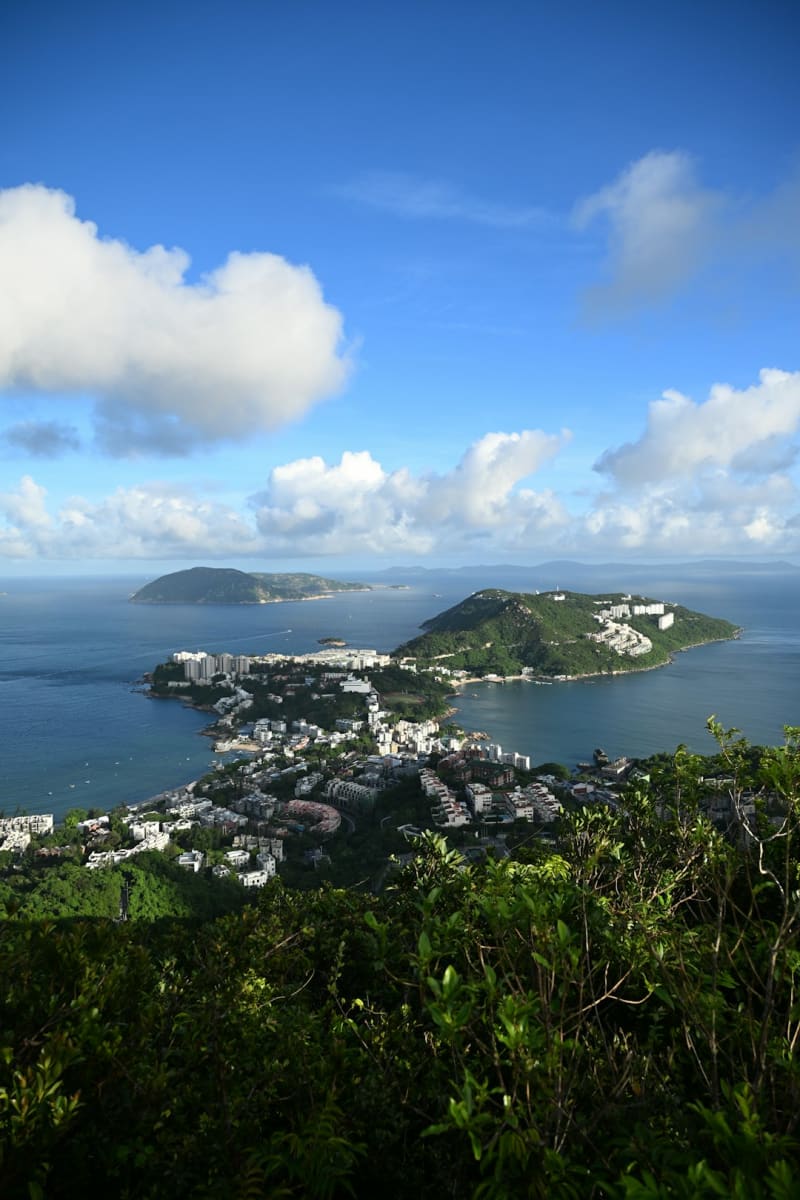 hong-kong
 Repulse Bay
A curved sand beach backed by luxury towers and guarded by giant statues of the goddess Tin Hau — Hong Kong's most improbable seaside afternoon.
Explore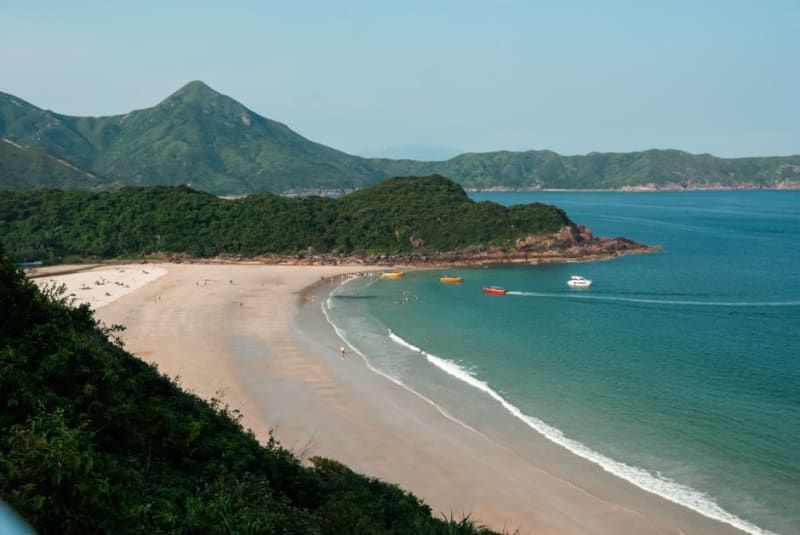 hong-kong
 Sai Kung
A fishing town on the edge of Hong Kong's 'back garden' where the seafood is chosen from tanks and the geopark islands wait just offshore.
Explore hong-kong
 Sai Ying Pun
A quiet grid of dai pai dong veterans and tofu pudding shops holding out against the third-wave coffee moving in around them.
Explore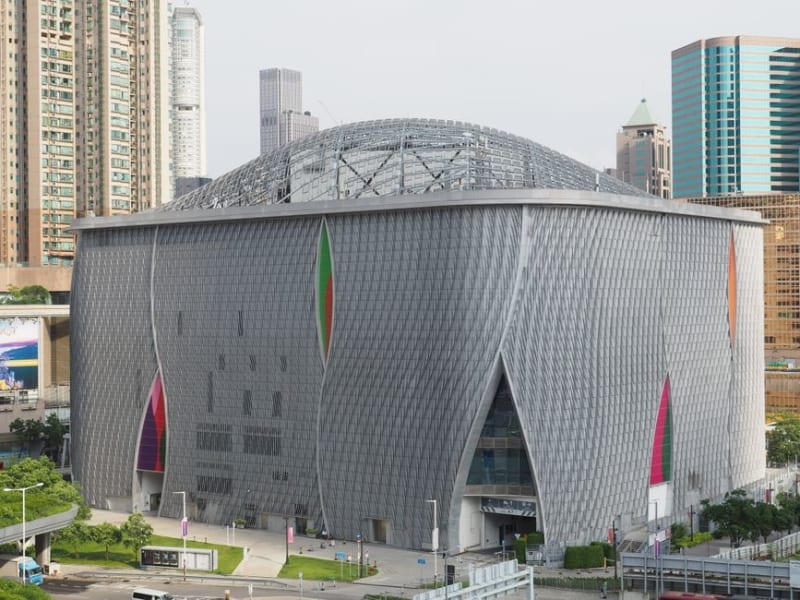 hong-kong
 Sam Tung Uk Museum
A 18th-century Hakka walled village preserved whole inside Tsuen Wan, its ancestral hall standing exactly where the town grew up around it.
Explore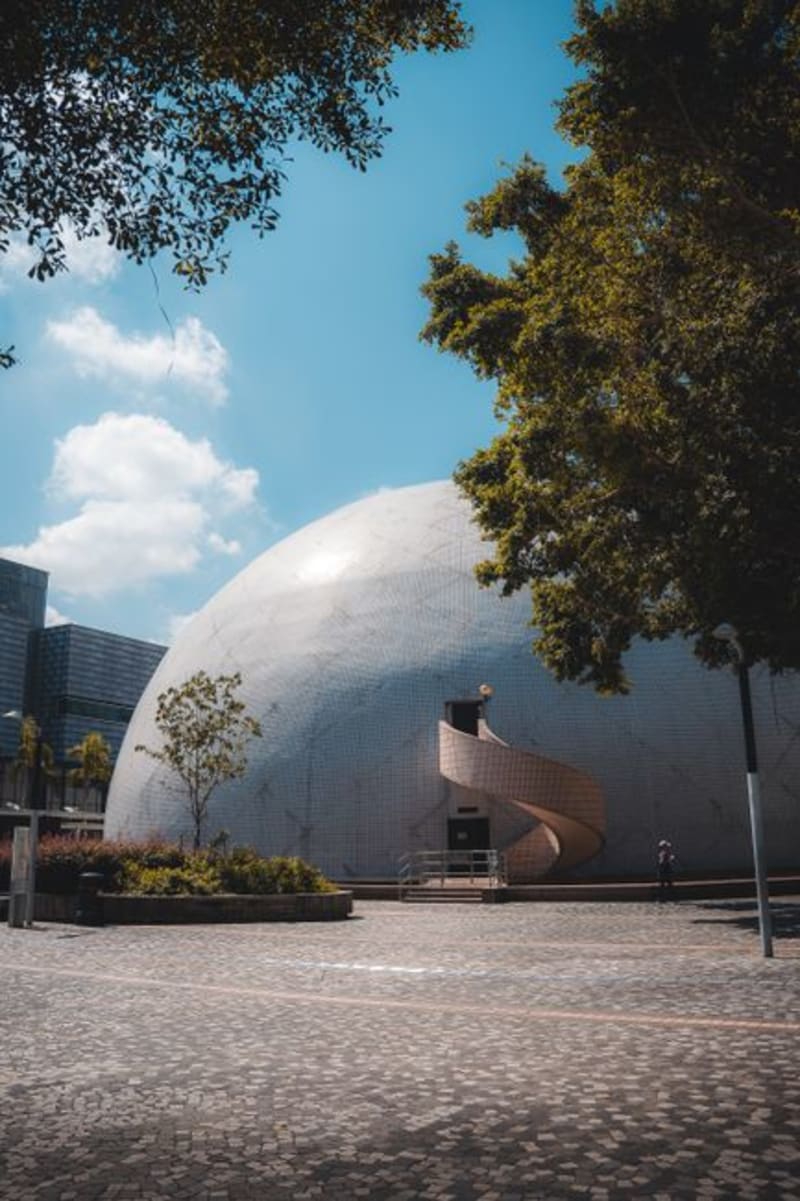 hong-kong
 Hong Kong Science Museum
A hands-on museum in Tsim Sha Tsui East built around a genuinely mesmerizing energy machine, thirty meters of chain reaction that only runs once a day.
Explore