Peng Chau
"You could walk the entire island before your coffee got cold, and somehow that felt like the whole point."
The smallest of Hong Kong's inhabited outlying islands — a fifteen-minute loop of narrow lanes, a defunct match factory, and almost no one else around.
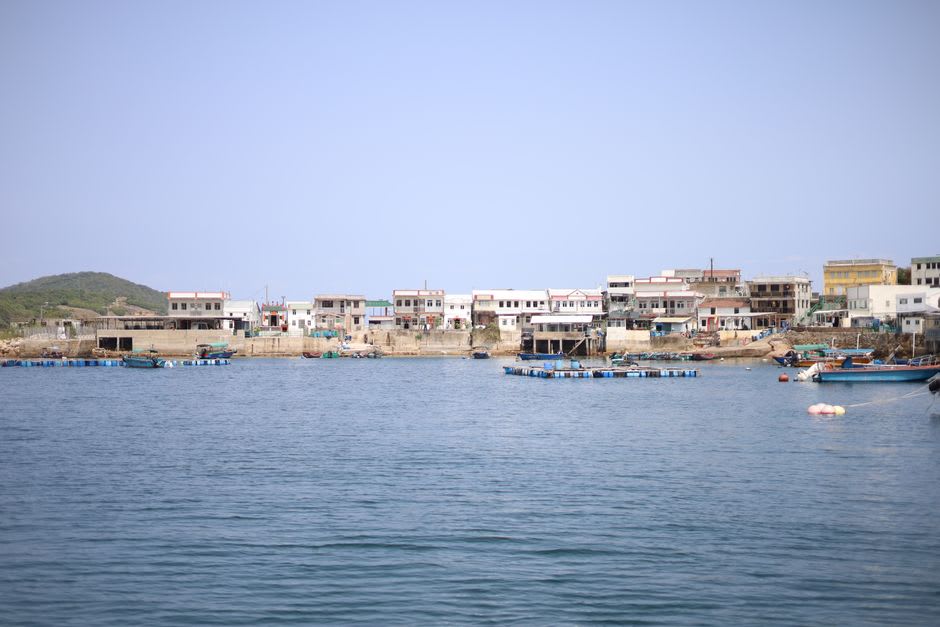
Peng Chau gets skipped over constantly in favor of its bigger, better-marketed neighbors, and I think that is exactly why I liked it. The ferry from Central takes about forty minutes, and by the time you step off the pier you have arrived somewhere with a total area smaller than most urban parks — no cars beyond a handful of small utility vehicles, no chain stores, a population that has been quietly shrinking for decades as younger residents move to the city. I walked the entire perimeter loop, including a detour up to the modest viewpoint at Finger Hill, in under two hours, and stopped twice for no reason other than the views were good and nobody was waiting on me.
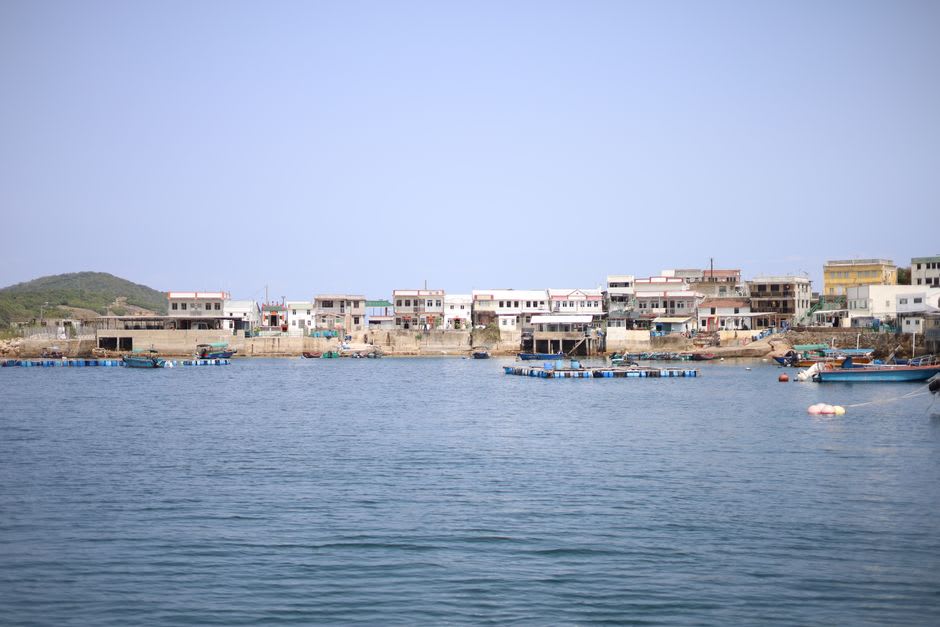
What surprised me was the industrial history hiding underneath the sleepy fishing-village surface. Peng Chau once had a match factory, a lime kiln, and even a small glassmaking operation, all now abandoned and slowly being reclaimed by vegetation — the ruins of the old Nam Fung glassworks, half-collapsed, sit not far from the main settlement, and finding them without a map felt like a small private discovery even though plenty of people clearly know they’re there. The contrast between that industrial past and the current stillness — laundry hanging between buildings, cats asleep on scooter seats, an elderly man doing tai chi alone on the small waterfront plaza — makes the island feel like a place that has cycled through an entire life and settled into a quiet retirement.
Tin Hau Temple near the ferry pier is small but active, incense curling up through a beam of afternoon light, and the seafood restaurants along the promenade serve the kind of unfussy, fresh, reasonably priced meal that gets overpriced and over-plated the moment you’re within view of a tour bus. I had a plate of salt and pepper squid there that cost less than a coffee back in Mexico City and was better than most squid I’ve had anywhere, prepared by a woman who did not look up from her wok once during the entire process.
When to go: Any weekday works, since Peng Chau rarely gets crowded even on weekends, but the softer light of late afternoon suits the island’s low-key, slightly melancholic character best. Autumn and winter bring the clearest air for the short climb up Finger Hill.
Keep exploring
More from Hong Kong
 hong-kong
 Ping Shan Heritage Trail
Hong Kong's oldest heritage trail, threading through clan halls and a 600-year-old pagoda in a part of the New Territories most visitors never reach.
Explore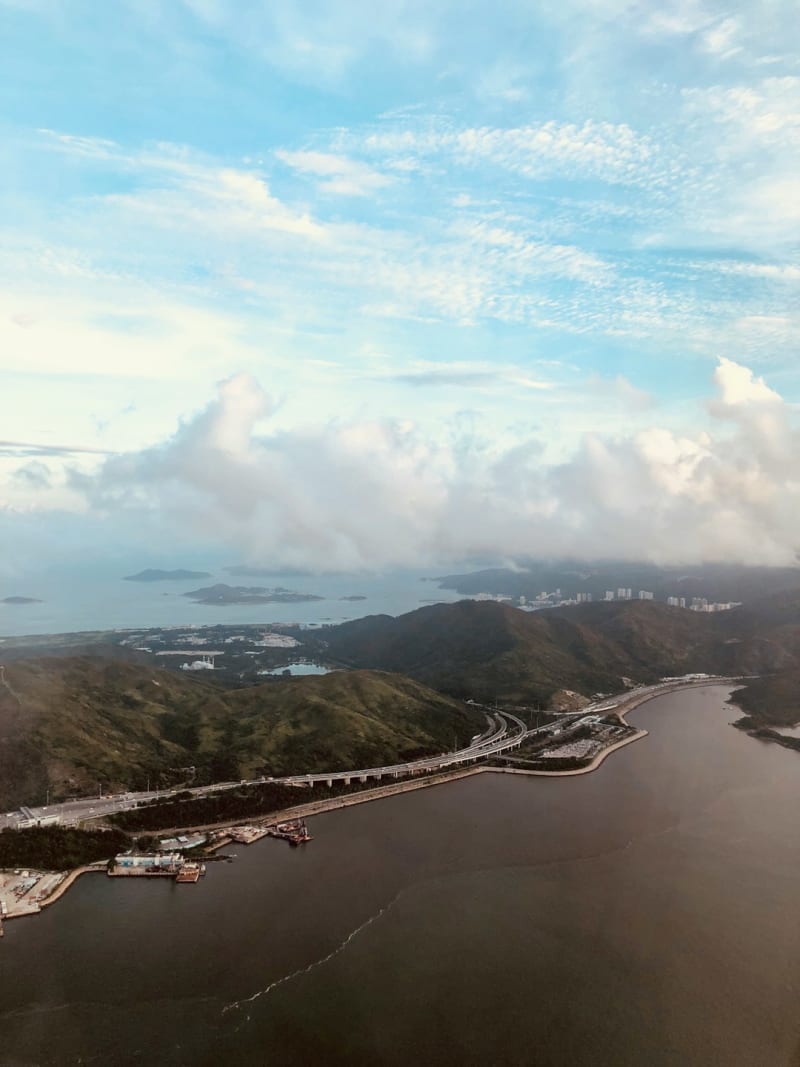 hong-kong
 Plover Cove
A reservoir built by damming the sea itself, ringed by one of Hong Kong's longest and least-crowded coastal hiking trails.
Explore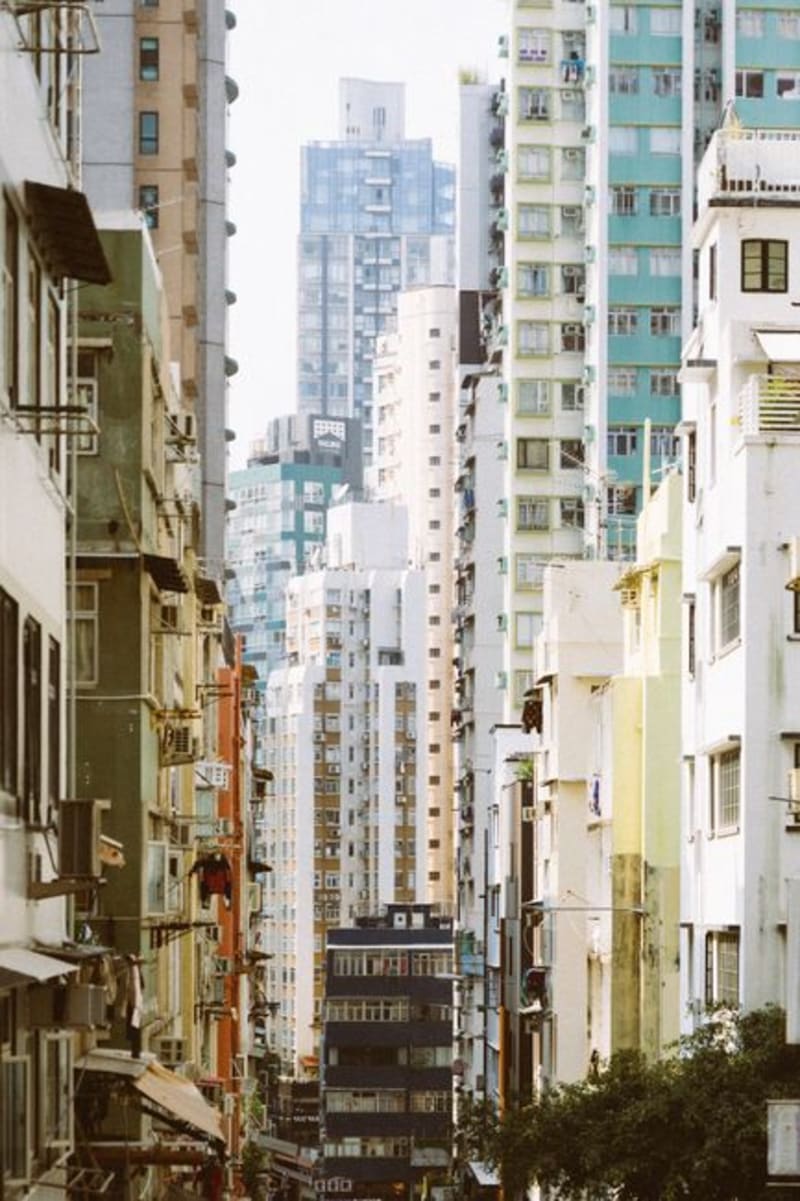 hong-kong
 PMQ
A former police married quarters turned design incubator, where Hong Kong's independent fashion, ceramics, and product designers get studio space instead of storefronts.
Explore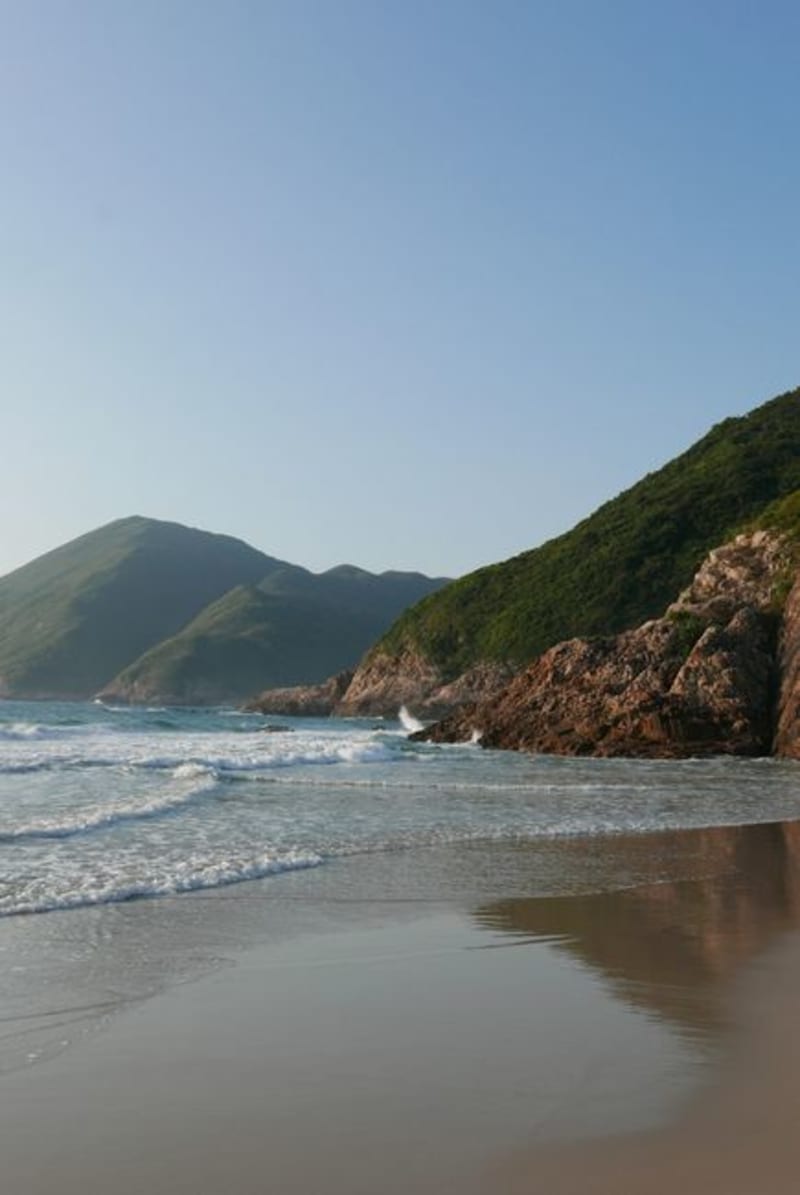 hong-kong
 Po Toi
Hong Kong's southernmost inhabited island — wind-carved rock formations, a near-empty seafood pier, and a ferry that runs on its own schedule.
Explore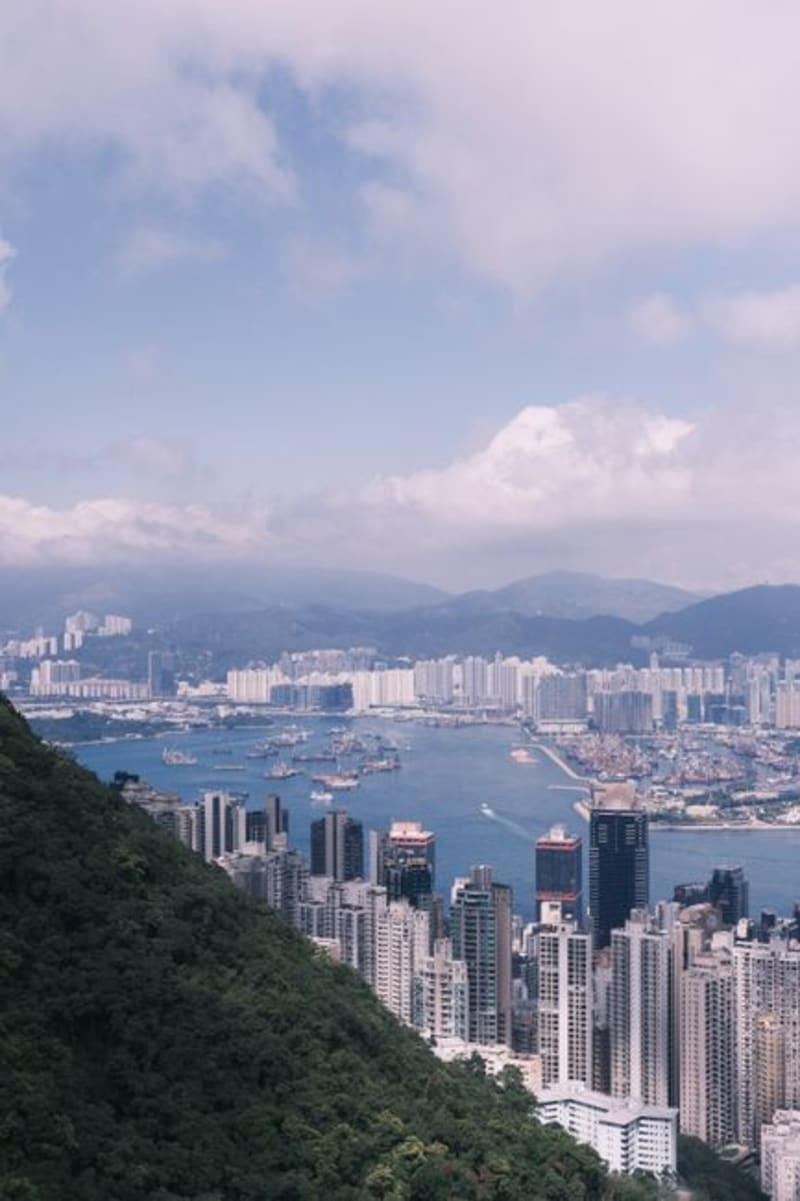 hong-kong
 Pui O
A Lantau beach where feral water buffalo graze the wetlands behind the sand — the strangest, most memorable beach combination anywhere in Hong Kong.
Explore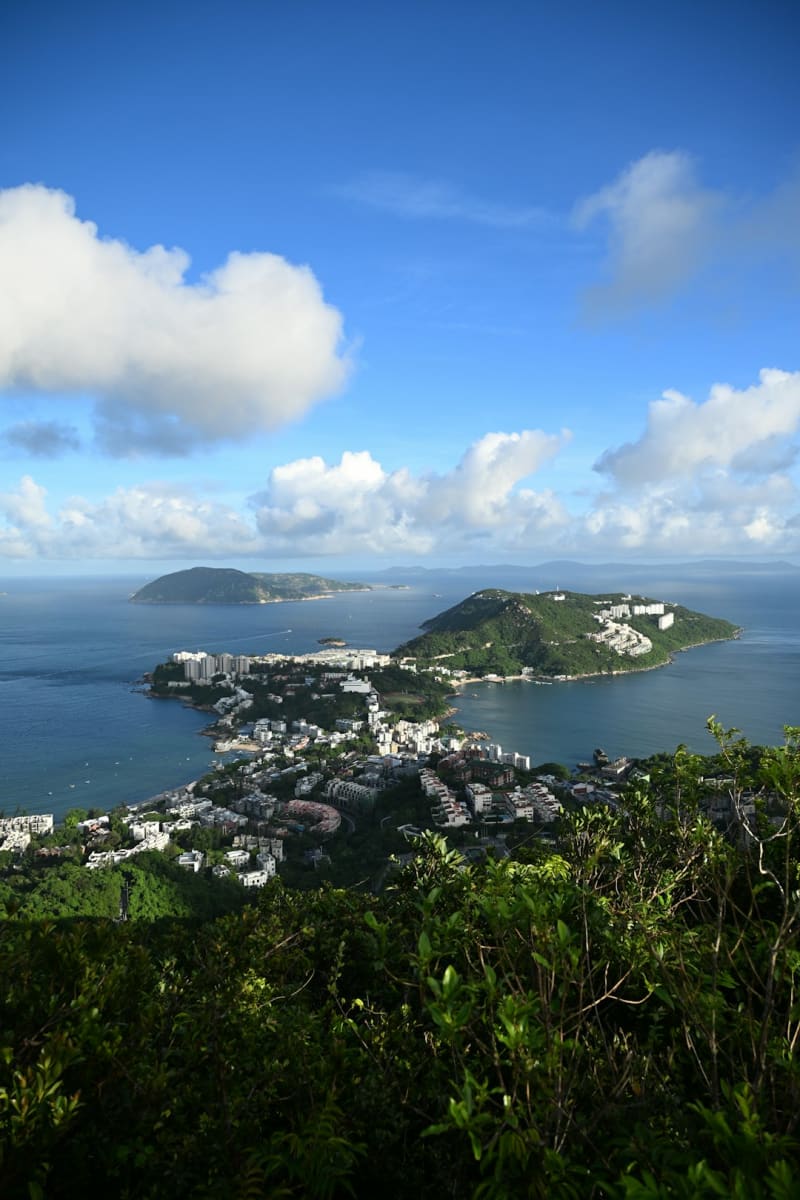 hong-kong
 Repulse Bay
A curved sand beach backed by luxury towers and guarded by giant statues of the goddess Tin Hau — Hong Kong's most improbable seaside afternoon.
Explore