
Kadoorie Farm and Botanic Garden
"A rehabilitated eagle watched us from its enclosure with what I can only describe as complete indifference, and it was somehow the highlight of the day."
A hillside wildlife rescue and conservation farm in the New Territories, where rehabilitated eagles, pangolins, and a genuine sense of purpose replace the usual tourist checklist.
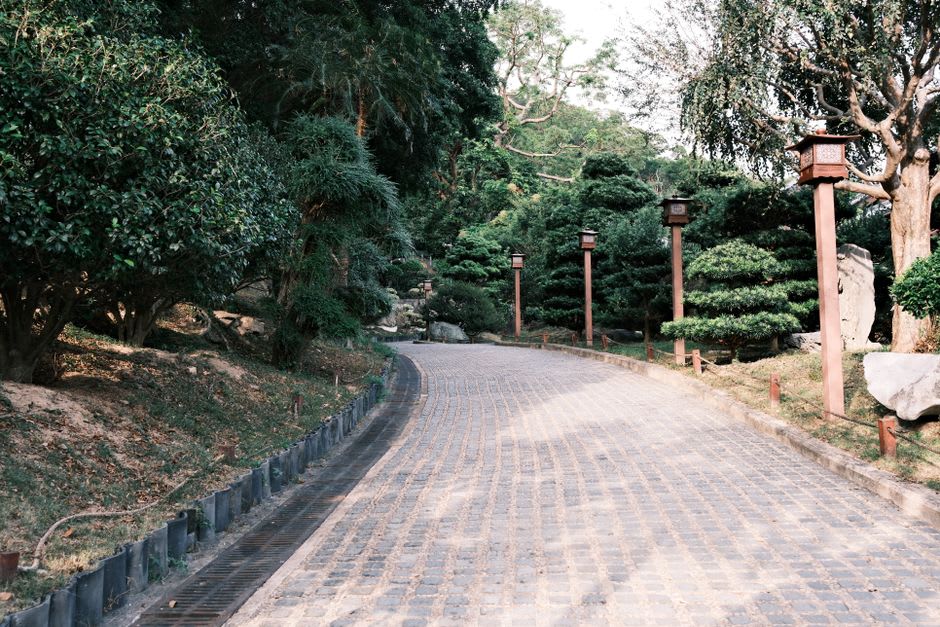
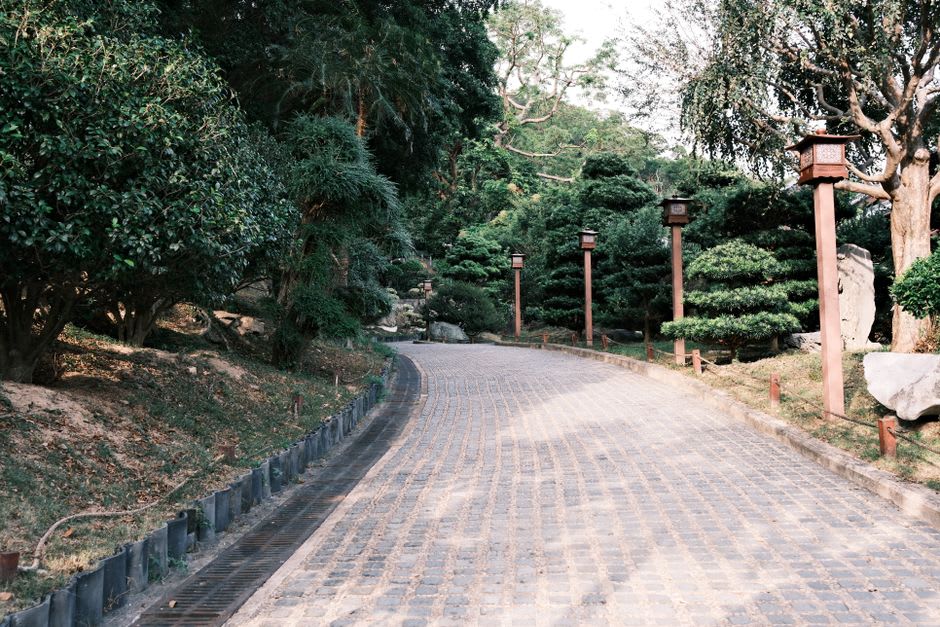
Kadoorie Farm began in the 1950s as an agricultural aid scheme for refugee farmers arriving from mainland China, and it has since become something closer to a working conservation center — part botanic garden, part wildlife rescue facility, spread across a steep hillside in the northern New Territories that takes a genuinely serious hike to climb in full. Lia and I came expecting a gentle nature walk and left having climbed several hundred meters of terraced paths, stopping every few minutes at another rescue enclosure or native plant collection, more winded than either of us anticipated from what we’d assumed would be a leisurely afternoon.
The wildlife rescue center is the emotional core of the place. Confiscated and injured animals — birds of prey unable to be released, civets, a pangolin rescue and rehabilitation program that runs some of the most important conservation work of its kind in the region — live here under long-term care rather than public performance, and the enclosures are built for the animals’ wellbeing first, visitor viewing second. We watched a rescued eagle owl track our movement past its enclosure with an unreadable stare that Lia found unexpectedly moving; she’d assumed a wildlife center would feel more like a zoo and instead it felt like walking through someone’s actual, ongoing rescue work.
Higher up the hill, the native woodland and butterfly garden sections shift the mood from rescue center to simple forest walk, dense native planting replacing the manicured look of Hong Kong’s more formal parks, and the views back down over the valley toward Tai Mo Shan opened up gradually as we climbed. A rammed-earth building near the summit houses the Kadoorie family’s original farmhouse, preserved as a small museum on the farm’s founding mission, worth the last stretch of climbing if your legs have anything left by that point.
The full climb to the summit and back took us most of a day including stops, and I’d recommend budgeting for that rather than treating it as a quick add-on, since the site rewards slow, attentive walking far more than a rushed pass through.
When to go: October to December for cooler hiking temperatures on the climb, since the humidity of summer makes the steeper sections genuinely demanding. Weekday visits are considerably quieter than weekends, when local families and school groups fill the lower terraces.