Discovery Bay
"A golf cart passed me on the promenade and I had to remind myself I was still in Hong Kong."
A car-free suburb on Lantau where golf carts outnumber cars, the beach is oddly quiet, and Hong Kong briefly feels like a different country.
Discovery Bay does not appear on most first-time visitor itineraries, and I understand why — it is essentially a planned residential community, built in the 1980s for expats and now home to a mix of long-term foreign residents and Hong Kong families, connected to Central by a twenty-five minute ferry rather than the MTR. But I went out on a whim one Sunday, mostly because a friend living there kept describing it as “the strangest place in Hong Kong,” and she undersold it. Private cars are banned. Residents get around on foot, on bicycles, or on small electric golf carts that putter along the promenade at a speed that makes Hong Kong Island feel like it exists in a different decade of urgency.
The beach itself — a sheltered, gently curved stretch of imported sand facing the bay — is not going to compete with anything in Southeast Asia, but on a weekday afternoon it was close to empty, and there is something disorienting and pleasant about lying on a beach with Hong Kong’s skyline theoretically an hour away and feeling like you have left the territory entirely. The Plaza, the town’s central shopping and dining strip, has a low-key, almost suburban-Californian feel to it — cafes with outdoor seating, joggers, dogs on leads, families with strollers, none of it what people picture when they picture Hong Kong.
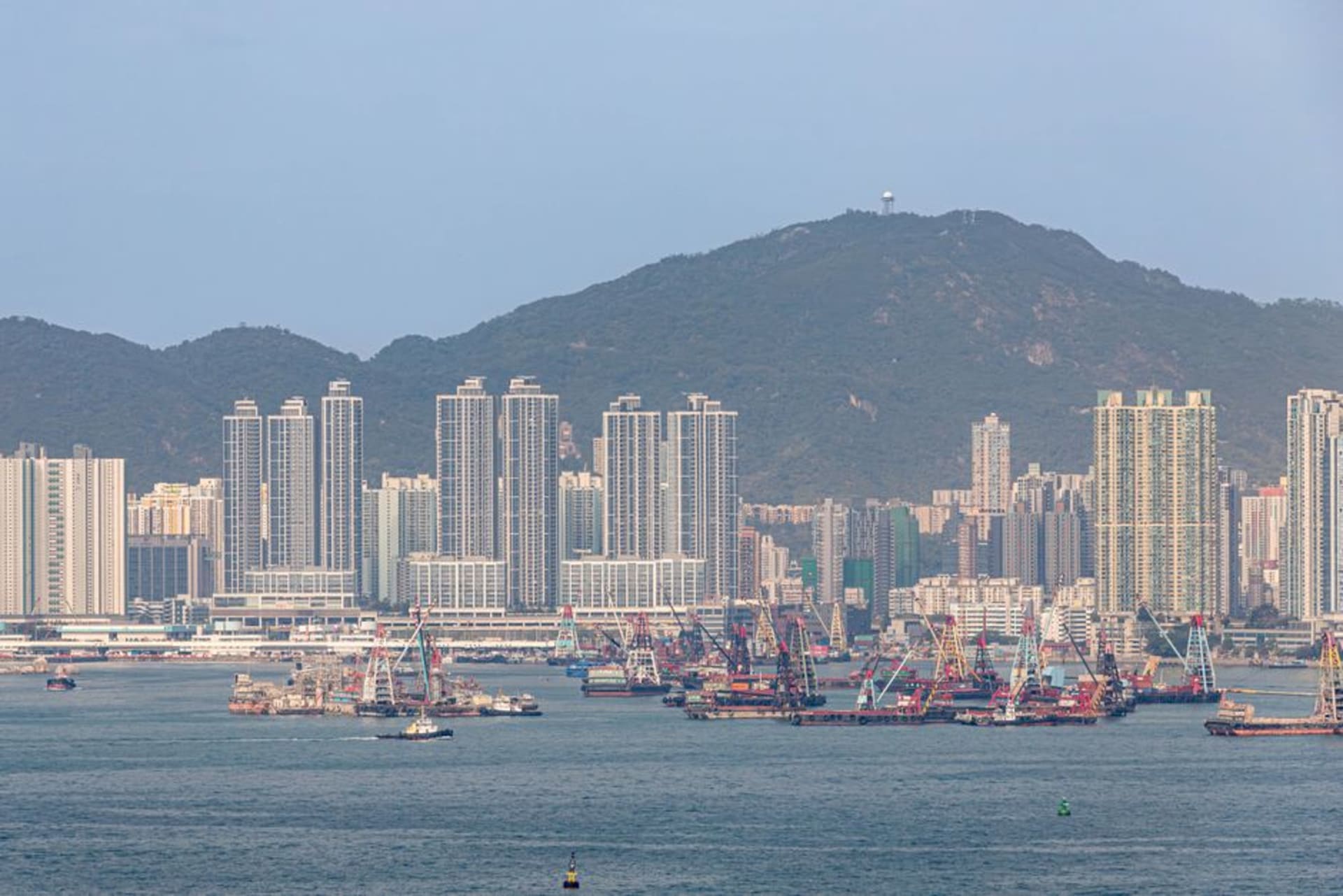
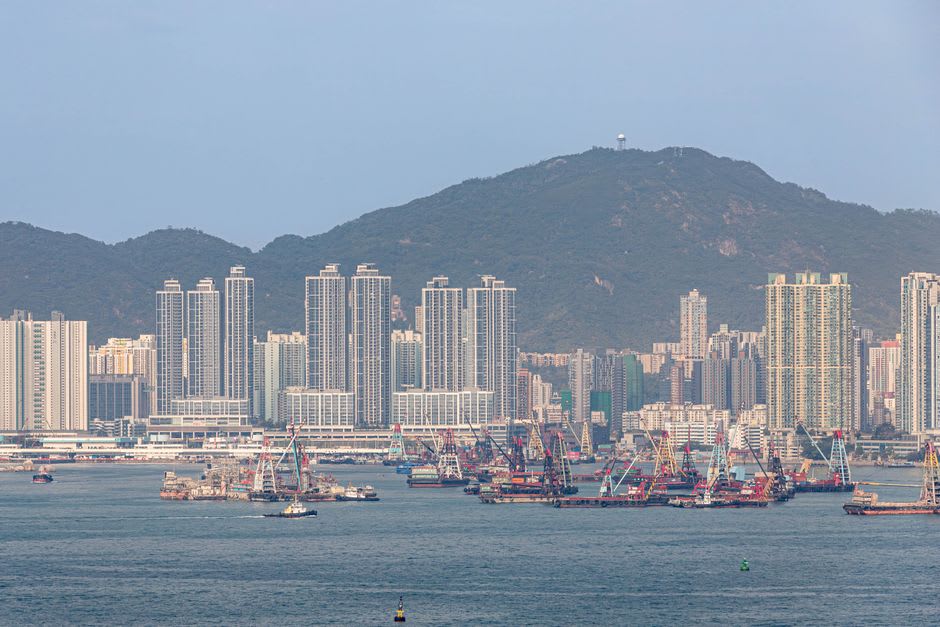
What made the trip worthwhile for me, beyond the novelty, was the ferry ride itself. The route from Central cuts past the western edge of Hong Kong Island and out into open water with views back toward the container port and Stonecutters Bridge that you don’t get from the usual harbor crossings. Lia spent most of the ride photographing the container cranes, which she insists are underrated as urban architecture, and I have come around to her position more than I expected to.
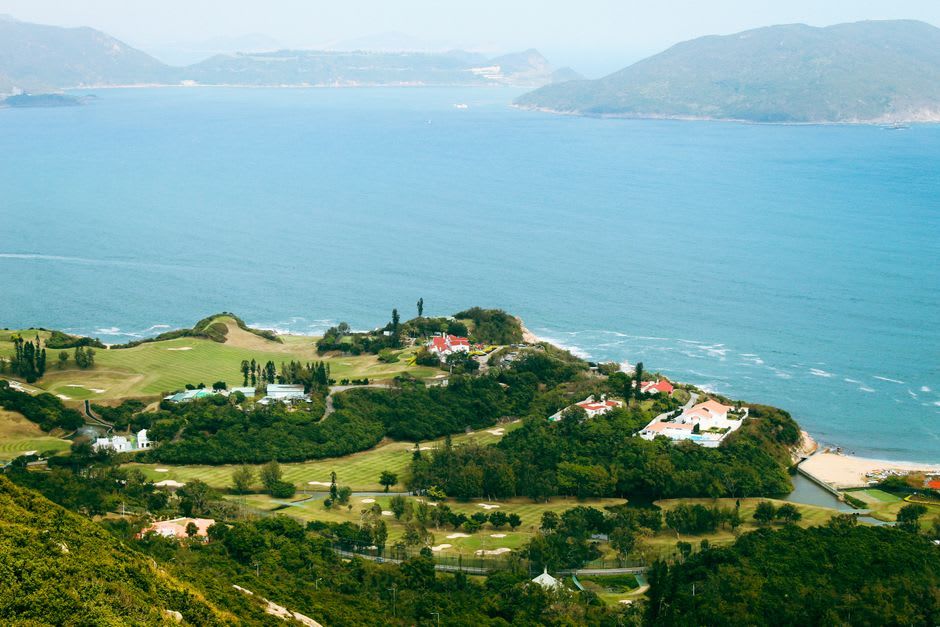
There is a statue of a bronze cow near the plaza that has become an unofficial local mascot, and a small hiking trail up toward Fu Shan that gives decent views back over the settlement’s grid of low-rise blocks against the green hillside. Neither is essential. What is worth the trip is the sheer contrast — twenty-five minutes from Central and the entire register of the city changes.
When to go: Spring or autumn weekdays for a quiet beach and empty promenade. Weekends bring day-tripping families from the rest of Hong Kong, which is not unpleasant but changes the character of the place considerably from the ghost-town calm of a Tuesday morning.
Keep exploring
More from Hong Kong
 hong-kong
 Hong Kong Disneyland
The smallest Disney park in the world, tucked onto reclaimed land off Lantau, where a Cantonese-inflected Magic Kingdom does more with less.
Explore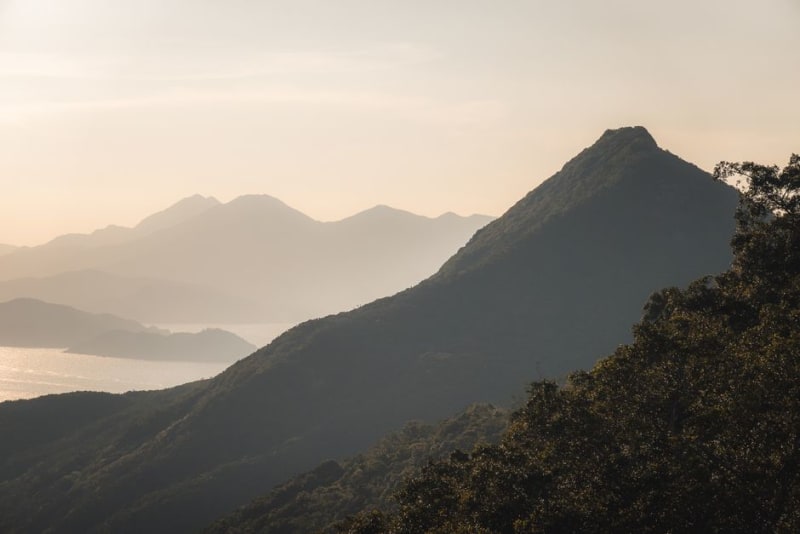 hong-kong
 Dragon's Back
A ridge trail on Hong Kong Island's south side with sea views on both flanks — the hike everyone recommends, and for once the reputation is earned.
Explore hong-kong
 Graham Street Market
Hong Kong's oldest wet market, squeezed between Central's glass towers, still selling vegetables off wooden carts the way it has since the 1840s.
Explore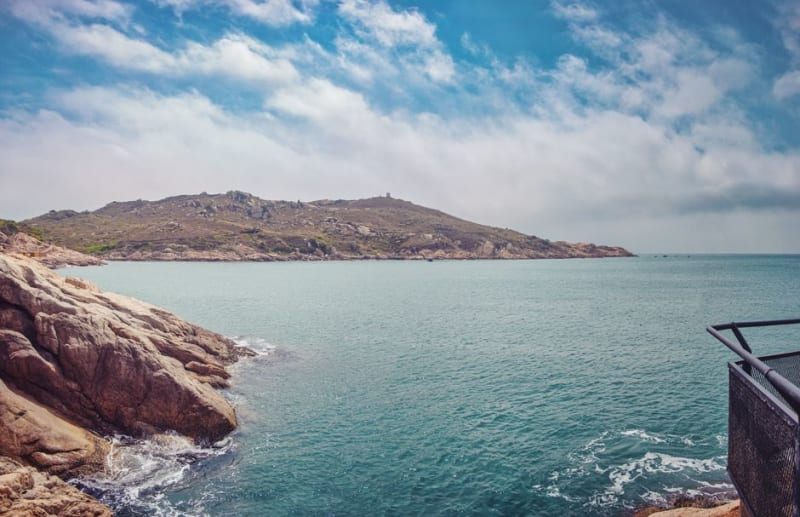 hong-kong
 Hap Mun Bay
A boat-only beach on Sharp Island reached from Sai Kung pier in fifteen minutes — one of the few places in Hong Kong where a natural sandbar connects two islands at low tide.
Explore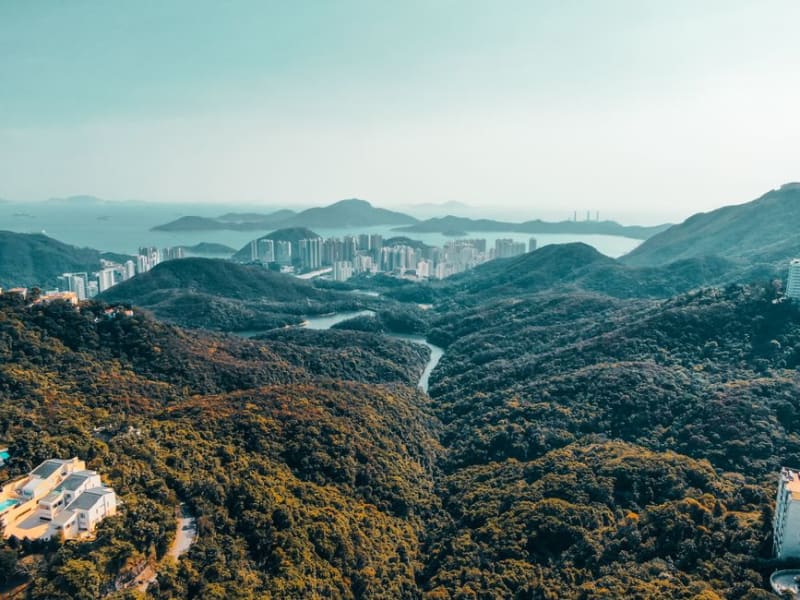 hong-kong
 Happy Valley
A racecourse ringed by residential towers and, before that, a cemetery — Wednesday nights here are pure organized chaos under floodlights.
Explore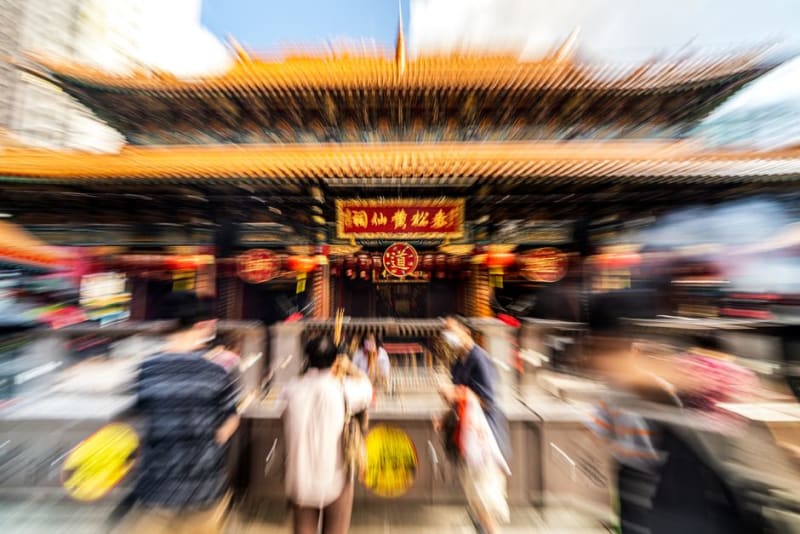 hong-kong
 Hau Wong Temple
A small, weathered Kowloon City temple honouring a loyal Song dynasty official, standing in the shadow of the old Kai Tak flight path.
Explore