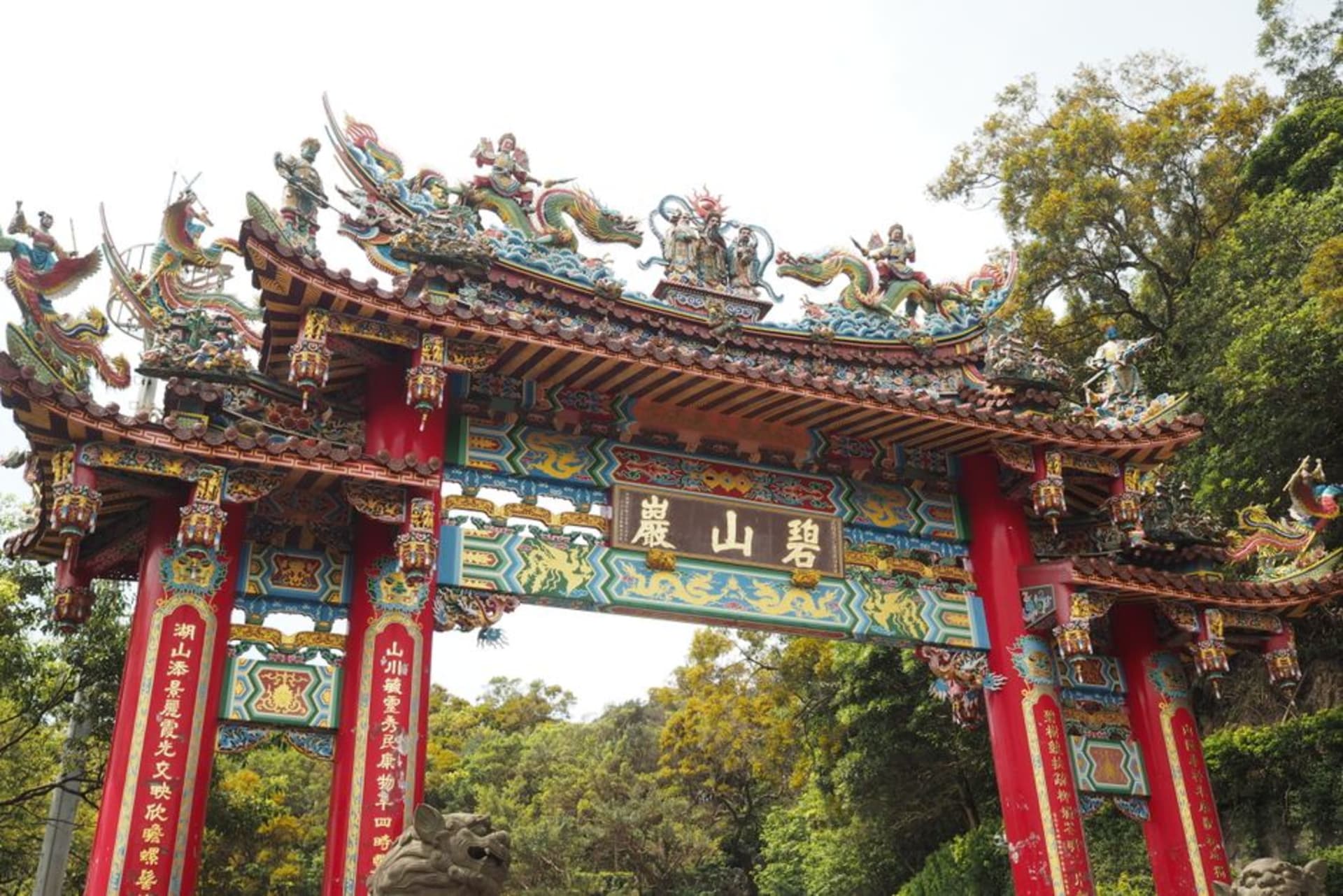
Che Kung Temple
"An old man showed me exactly how many times to spin the wheel, then walked off before I could thank him properly."
A Sha Tin temple where locals spin a bronze pinwheel for luck, and the incense smoke gets thick enough to taste.
Che Kung Temple is dedicated to a Song dynasty general who is said to have suppressed a plague in the area centuries ago, and the temple that bears his name in Sha Tin has become one of the most functionally alive religious sites I visited in Hong Kong — not a museum piece, but a place people actually go to ask for something. Locals come here specifically to spin a large bronze pinwheel mounted near the entrance, three times clockwise, for a change of fortune in the year ahead. I watched a woman in her sixties do it with the brisk efficiency of someone running an errand, then move straight to the incense burners without breaking stride.
The temple gets its busiest on the second day of Chinese New Year, when the crowds queuing to spin the wheel stretch out into the plaza and the incense smoke hangs so thick over the courtyard it becomes its own weather system. I was there on an ordinary Tuesday and it was still genuinely full — mostly older residents from the surrounding Sha Tin housing estates, a few families with kids, almost no other visitors. Nobody paid me any attention, which is its own kind of welcome.
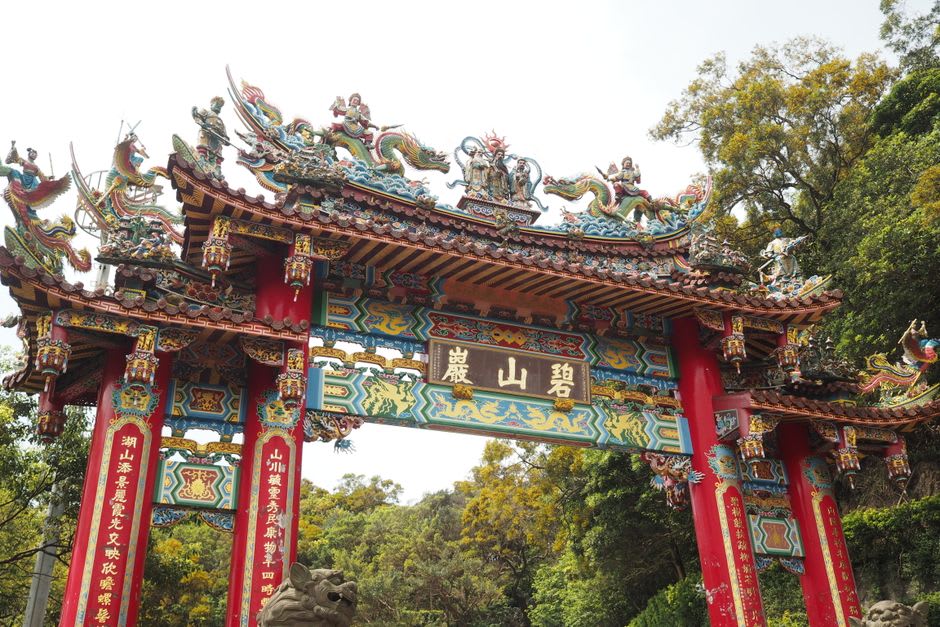
The current temple building dates only to the 1990s, replacing a much older and smaller structure nearby that still stands a short walk away — a squat, weathered building that gets far less attention despite being centuries old, and which I actually preferred for the twenty minutes I spent there alone. The contrast between the two buildings, one grand and current and one quiet and original, says something true about how faith practices in Hong Kong keep renewing their physical form while the underlying devotion stays constant.
Sha Tin itself, once you’re out of the temple grounds, is a useful reminder that most of Hong Kong’s population lives nowhere near the postcard skyline — dense new town housing blocks, a horse racing track, a river promenade that locals actually use for jogging rather than sightseeing. It’s a good corrective if you’ve spent your whole trip so far on Hong Kong Island.
When to go: Any day works for a quiet visit, but Chinese New Year (the second day especially) is the temple at its most alive if you don’t mind serious crowds. Weekday mornings outside festival periods give you space to actually watch the rituals without feeling like you’re in anyone’s way.
Keep exploring
More from Hong Kong
 hong-kong
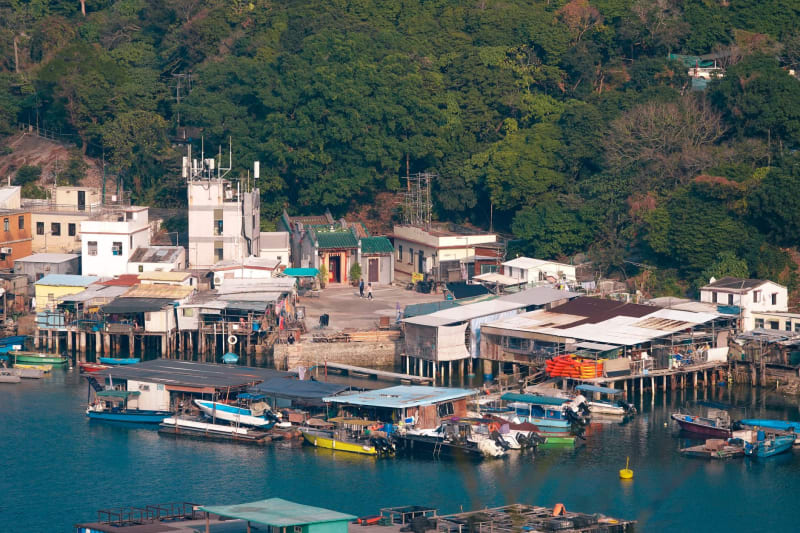
 Cheung Chau
A car-free island where fishing boats still outnumber tourists and the bun towers rise every May like something from a dream.
Explore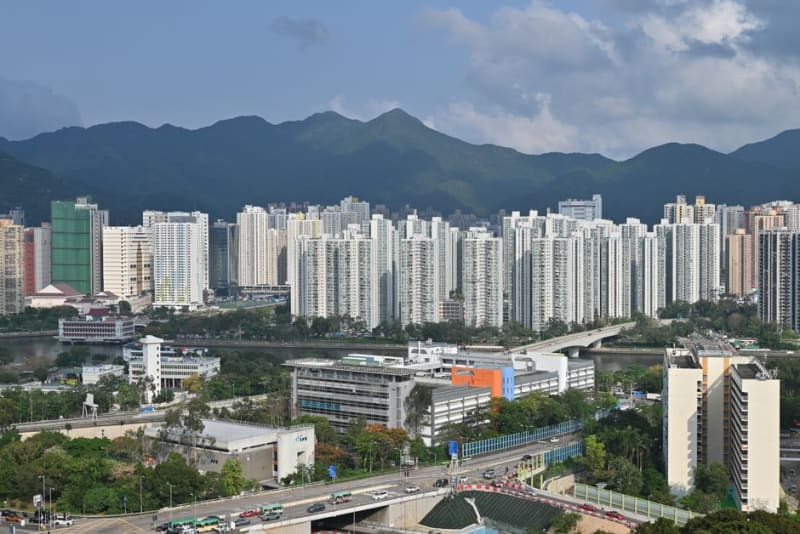 hong-kong
 Cheung Sha
Lantau's longest beach — nearly three kilometres of sand facing the South China Sea, with a laid-back strip of beach bars behind it.
Explore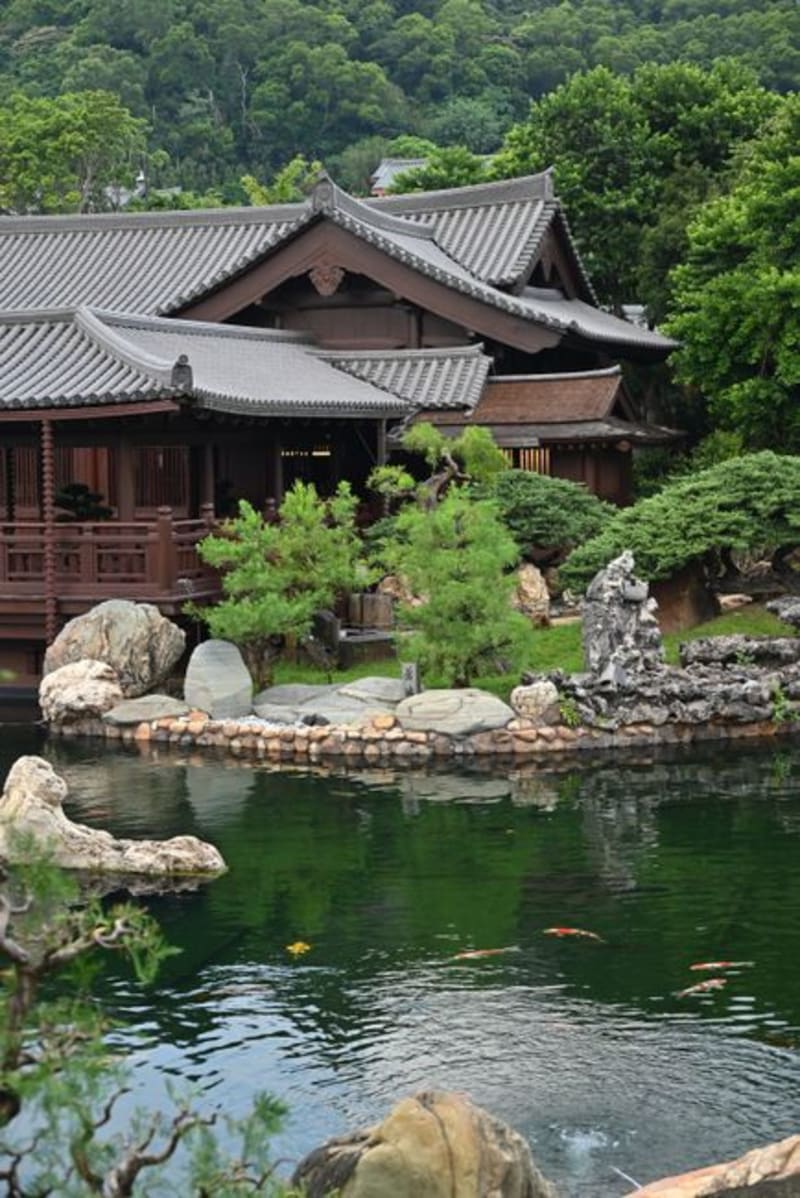 hong-kong
 Chi Lin Nunnery and Nan Lian Garden
A Tang dynasty temple complex built without a single nail, rising out of Diamond Hill's concrete like it slipped through a crack in time.
Explore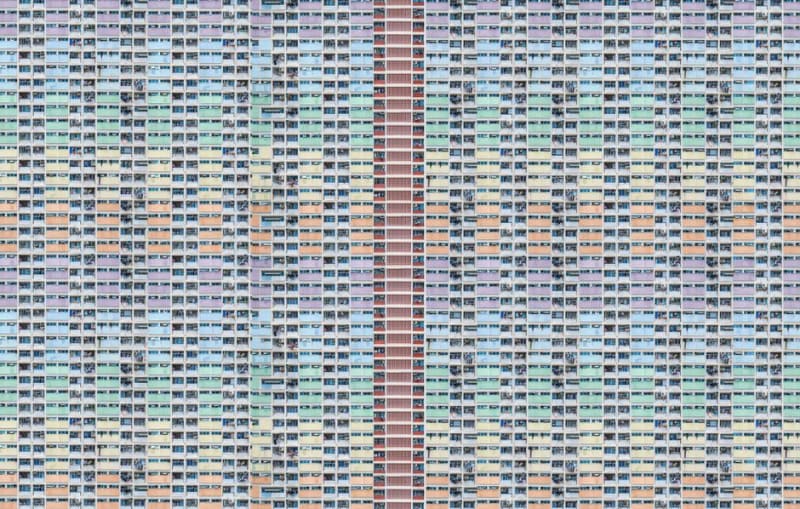 hong-kong
 Choi Hung Estate
A 1960s public housing estate whose rainbow-painted basketball court has become one of the most photographed spots in Hong Kong, tourists and residents sharing the same railing.
Explore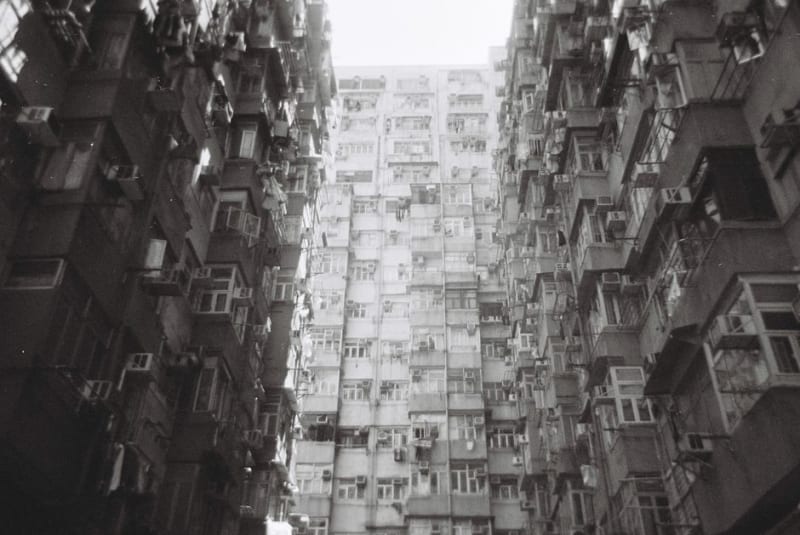 hong-kong
 Chungking Mansions
A seventeen-storey building on Nathan Road that is essentially its own country — curry houses, guesthouses, and a hundred nationalities in one stairwell.
Explore hong-kong
 Clear Water Bay
A pair of clean, lifeguarded beaches on the Sai Kung peninsula named with unusual honesty — the water really is that clear.
Explore