Central Market
"Half the building still looks exactly like the wet market it was in the 1930s. The other half sells artisan coffee. Somehow it's not jarring."
A 1930s Bauhaus market building revived into a food hall and creative space, its original wet-market stalls and butcher counters preserved as a monument to what the building used to be.
Central Market operated as a wet market from the 1930s until it closed in 2003, and for the better part of two decades afterward it sat empty, a genuine architectural landmark slowly decaying in the middle of one of the most valuable pieces of real estate on the planet. Its 2021 revival kept me skeptical going in — this is exactly the kind of project that usually results in a building stripped of everything that made it interesting, repackaged as a generic mall with a heritage plaque bolted on somewhere near the entrance. Lia and I went in expecting to be disappointed and instead found ourselves genuinely won over by how much of the original building’s character survived the renovation.
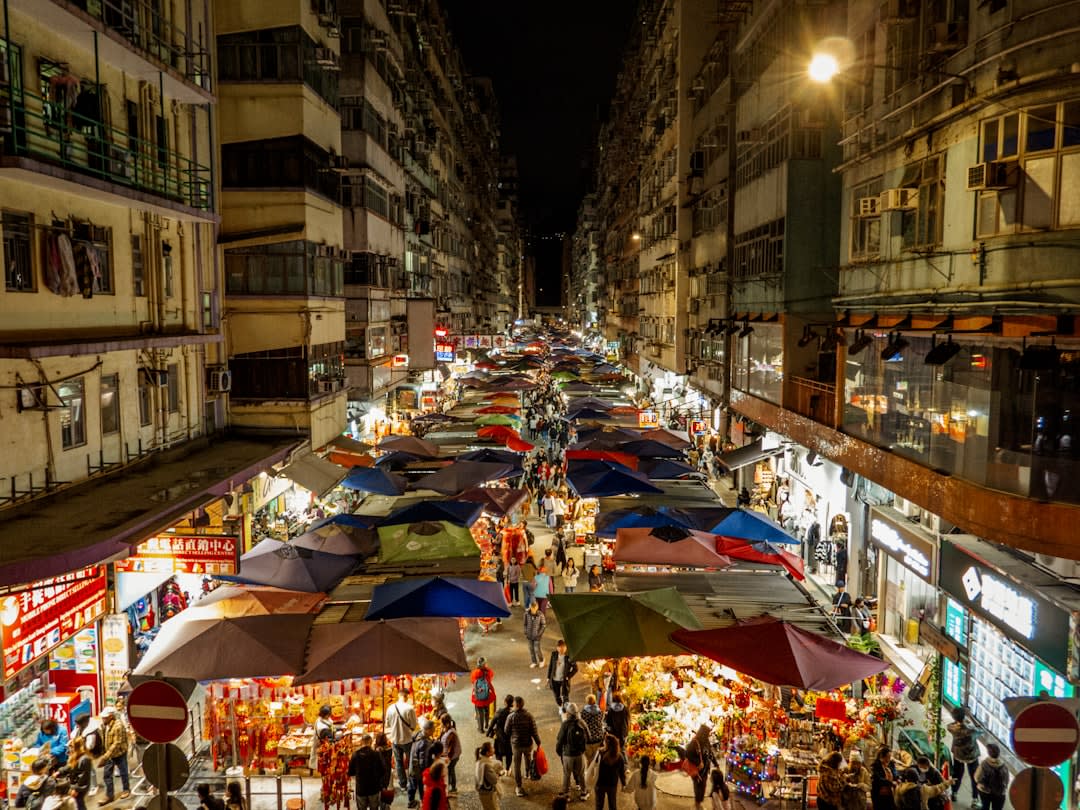
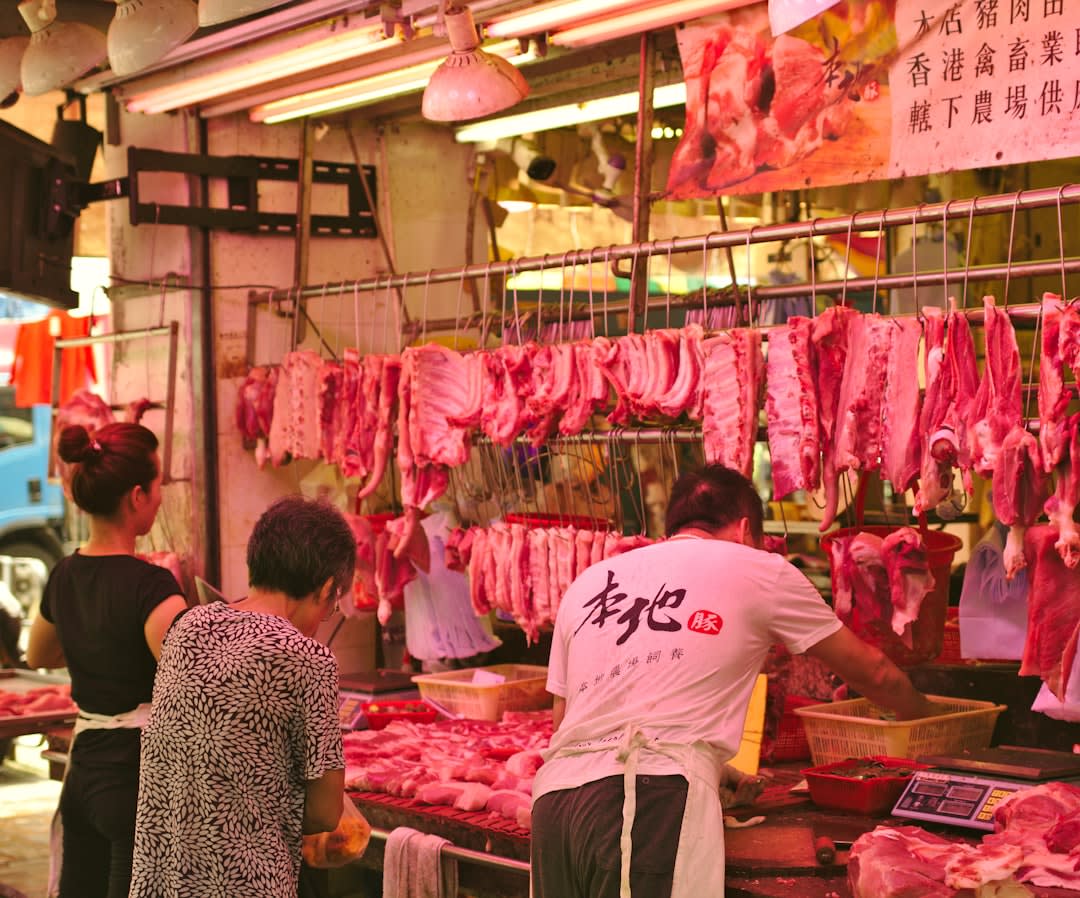
The building’s Bauhaus-influenced architecture — clean horizontal lines, streamlined curves, a modernist restraint unusual for 1930s Hong Kong — was restored rather than replaced, and an entire section of the ground floor keeps the original butcher counters and stall dividers intact, cold marble slabs and meat hooks preserved as a kind of open-air museum piece beside working food vendors selling everything from dim sum to specialty coffee. Walking from the preserved stalls into the newer retail sections happens without a clear boundary, old and new blurring into each other in a way that felt considerably more thoughtful than I’d expected walking in.
The central escalator, itself an original 1930s feature and reportedly the first escalator installed in Hong Kong, still connects the market’s two main floors, and riding it up past the exposed structural columns gives you the clearest sense of the building’s original bones. We spent a slow hour just working through the ground floor food stalls, picking up a few small dishes to share rather than committing to a full sit-down meal, which felt like the right way to experience a space built around variety and grazing rather than a single destination restaurant.
The upper floor hosts rotating exhibitions, pop-up shops, and design markets on weekends, giving the building a second life as a creative venue alongside its food-hall function, and checking what’s running before you visit is worth the extra few minutes online.
When to go: Weekday lunchtimes for the calmest visit to the food stalls, avoiding the office worker rush that fills the building around midday. Weekends bring the pop-up markets and exhibitions if that’s more your interest, though the crowds are noticeably heavier.
Keep exploring
More from Hong Kong
 hong-kong
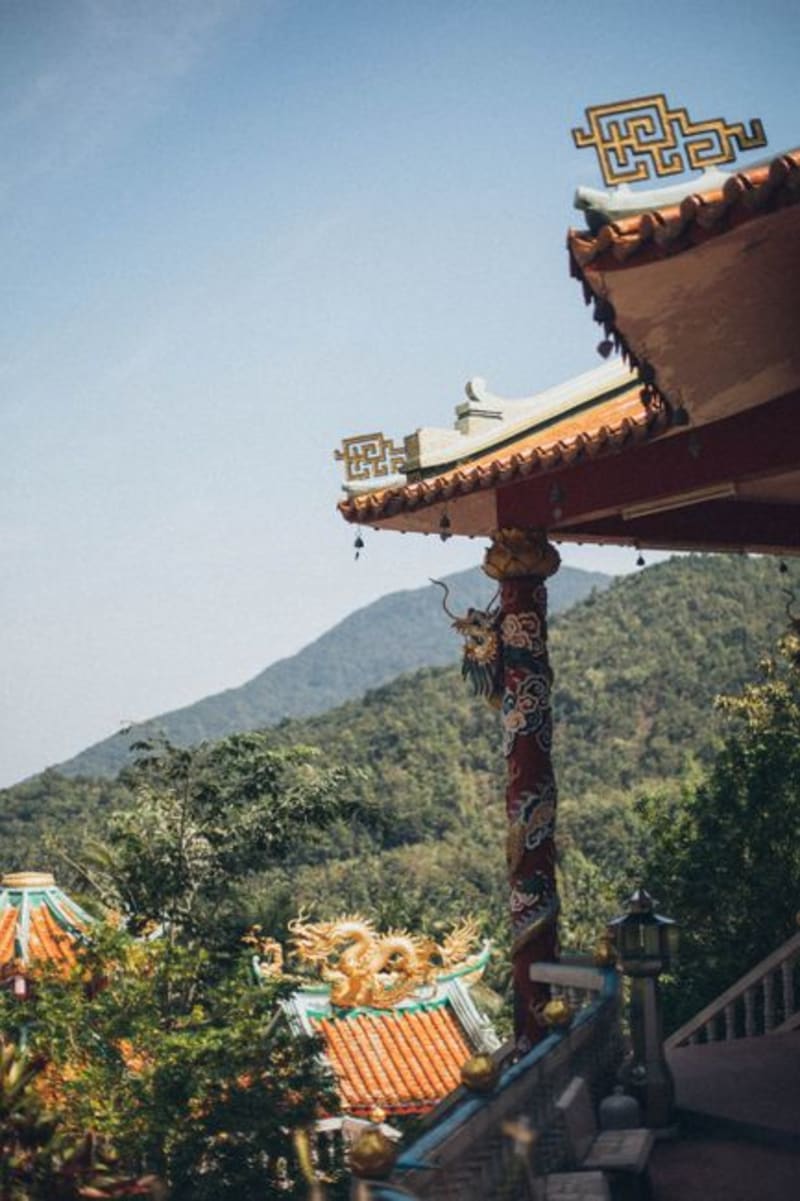
 Che Kung Temple
A Sha Tin temple where locals spin a bronze pinwheel for luck, and the incense smoke gets thick enough to taste.
Explore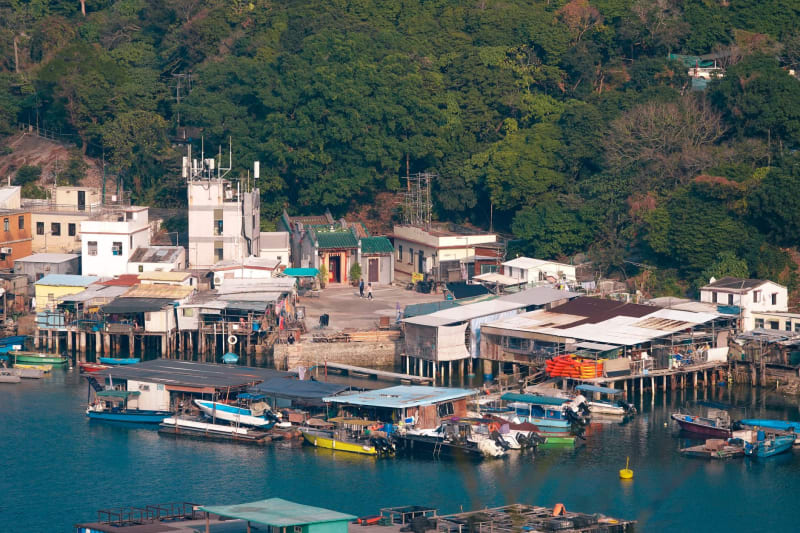 hong-kong
 Cheung Chau
A car-free island where fishing boats still outnumber tourists and the bun towers rise every May like something from a dream.
Explore hong-kong
 Cheung Sha
Lantau's longest beach — nearly three kilometres of sand facing the South China Sea, with a laid-back strip of beach bars behind it.
Explore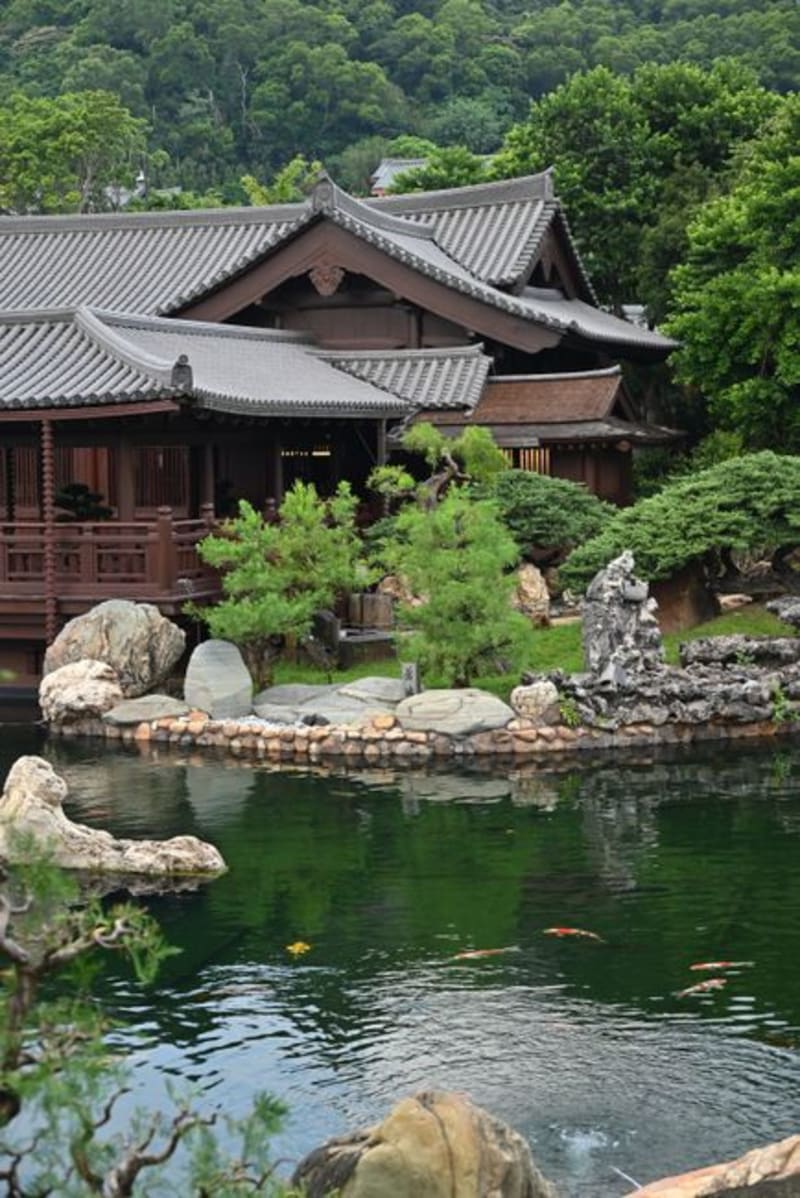 hong-kong
 Chi Lin Nunnery and Nan Lian Garden
A Tang dynasty temple complex built without a single nail, rising out of Diamond Hill's concrete like it slipped through a crack in time.
Explore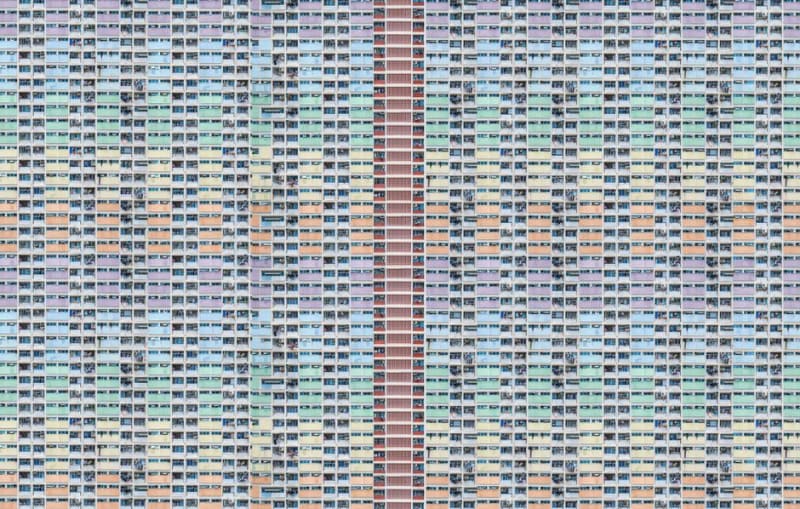 hong-kong
 Choi Hung Estate
A 1960s public housing estate whose rainbow-painted basketball court has become one of the most photographed spots in Hong Kong, tourists and residents sharing the same railing.
Explore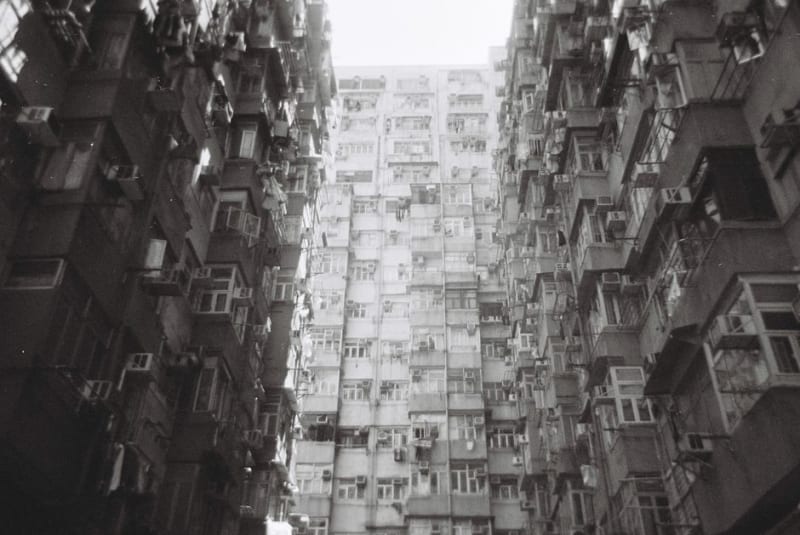 hong-kong
 Chungking Mansions
A seventeen-storey building on Nathan Road that is essentially its own country — curry houses, guesthouses, and a hundred nationalities in one stairwell.
Explore