Bride's Pool
"The legend is tragic and the water is completely calm, and somehow both things are true of the same place at once."
A cascading waterfall and swimming pool in Plover Cove Country Park, wrapped in a sad local legend and surrounded by some of the New Territories' calmest woodland.
Bride’s Pool sits in Plover Cove Country Park in the northeastern New Territories, a waterfall and pool reached by an easy, well-paved nature trail that makes it one of the most accessible pieces of genuine wilderness in Hong Kong — no scrambling required, no technical sections, just a pleasant walk through mixed forest along a stream. The name comes from a local legend, one of those stories that gets repeated at the trailhead by every guide with slightly different details: a bride being carried to her wedding in a traditional sedan chair fell into the pool and drowned, on her wedding day, in the version I heard most often. It’s the kind of story that adds a layer of melancholy to a place that is otherwise almost aggressively pleasant.
I went with a Hong Kong friend who grew up nearby and used to swim here as a teenager before it became more heavily monitored, and she pointed out details I would have missed entirely — the specific bend in the stream where her cousins used to catch small fish, the exact rock ledge everyone used to jump from before it was fenced off for safety. The walk in from the Bride’s Pool car park takes maybe twenty minutes past smaller cascades and stone bridges, through forest dense enough to keep the whole path shaded and several degrees cooler than the open road.
The pool itself, when you reach it, is smaller than the photographs suggest but genuinely lovely — water falling over a series of layered rock shelves into a green, still basin, the whole scene framed by overhanging trees that keep most of it in shade for much of the day. Swimming is officially discouraged now, and rangers do patrol, but people still wade in at the shallow edges on hot weekends, testing the cold water with visible relief after the walk in.
We continued afterward along the connecting trail toward Wu Kau Tang, a semi-abandoned Hakka village a further hour’s walk on, which turned the afternoon into something more substantial than a simple waterfall visit — old stone houses, a handful of remaining residents, and a stillness that felt entirely disconnected from the density we’d left behind that morning.
When to go: After periods of rain for the fullest waterfall flow, ideally in the cooler months of October through March when the walk in stays comfortable. It gets busy on weekends and public holidays; a weekday visit gets you the pool close to yourself.
Keep exploring
More from Hong Kong
 hong-kong
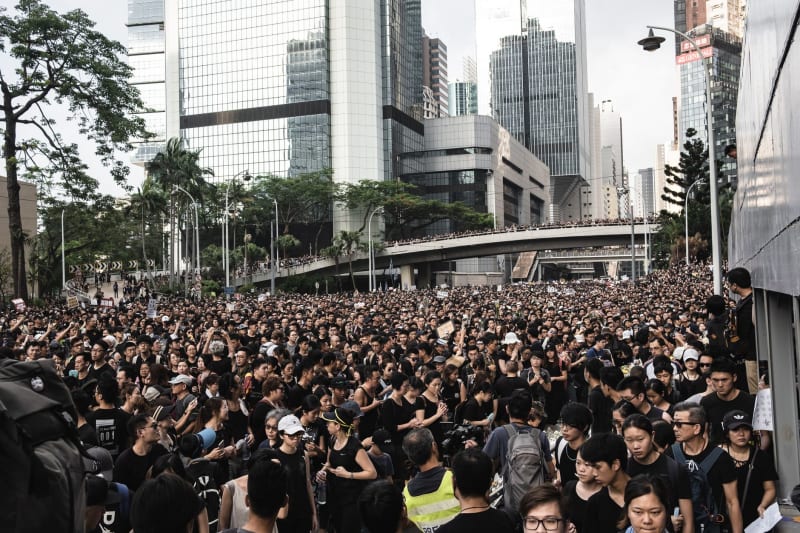
 Causeway Bay
Hong Kong Island's most commercially alive district, where the energy is genuinely its own and the noodle shops open past midnight.
Explore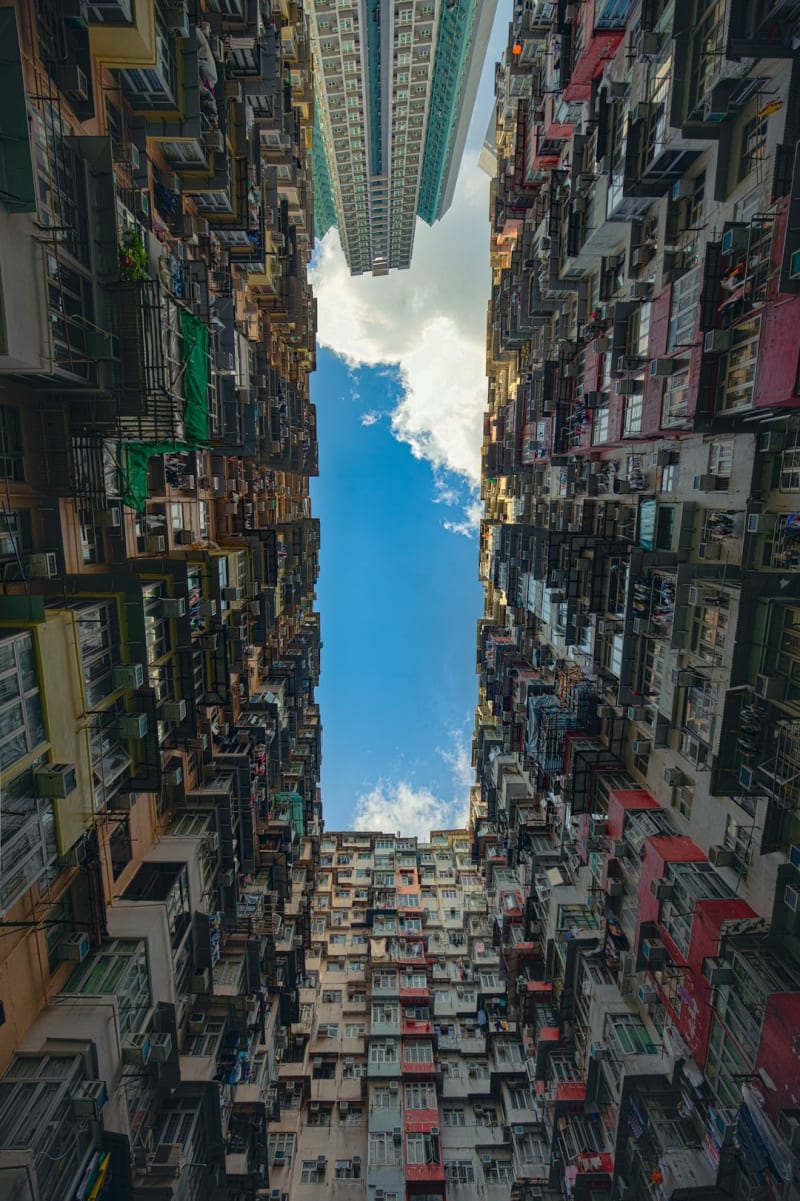 hong-kong
 Central
Hong Kong's financial engine room — where escalators climb through the hillside and lunch happens standing up, fast, and seriously.
Explore hong-kong
 Central Market
A 1930s Bauhaus market building revived into a food hall and creative space, its original wet-market stalls and butcher counters preserved as a monument to what the building used to be.
Explore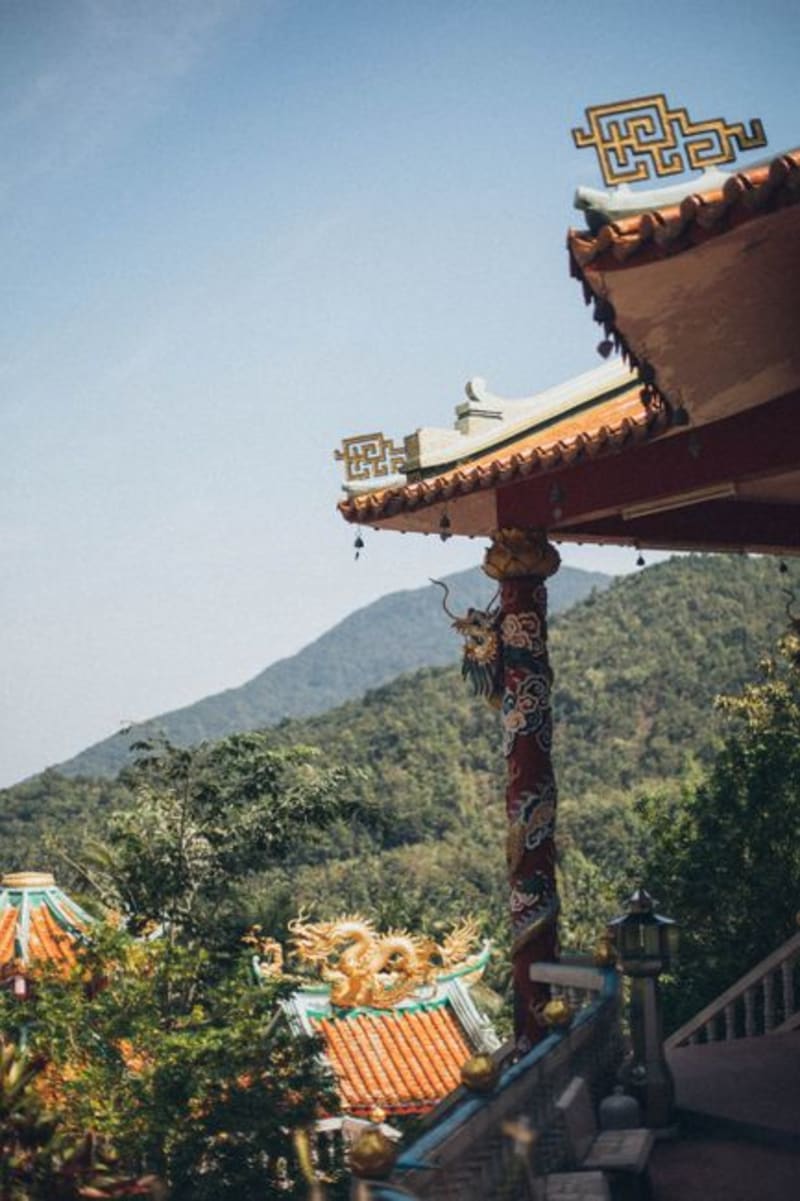 hong-kong
 Che Kung Temple
A Sha Tin temple where locals spin a bronze pinwheel for luck, and the incense smoke gets thick enough to taste.
Explore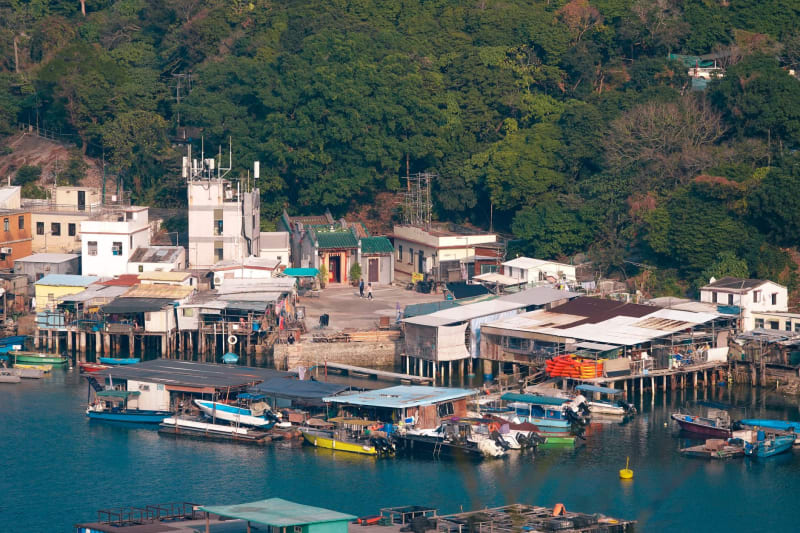 hong-kong
 Cheung Chau
A car-free island where fishing boats still outnumber tourists and the bun towers rise every May like something from a dream.
Explore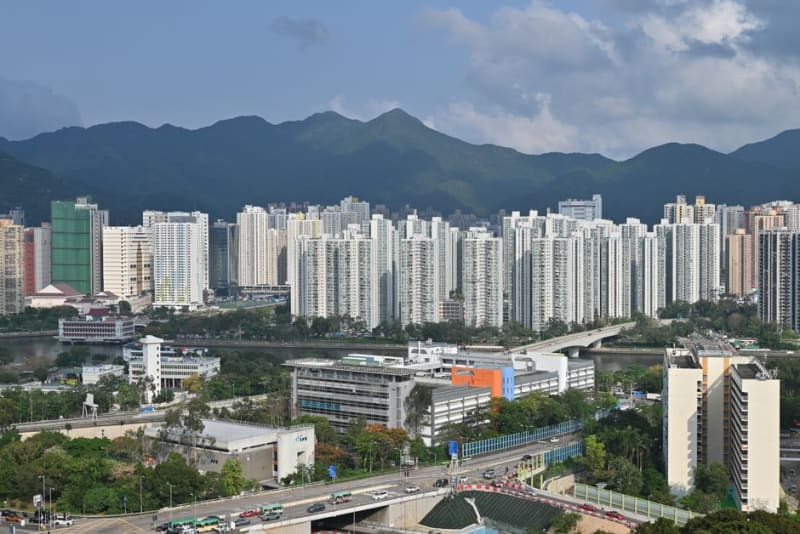 hong-kong
 Cheung Sha
Lantau's longest beach — nearly three kilometres of sand facing the South China Sea, with a laid-back strip of beach bars behind it.
Explore