Valle de Ángeles
"Forty minutes from Tegucigalpa and the air smells like pine instead of diesel. I'll take that trade every time."
A cobblestoned mountain town outside Tegucigalpa built on woodworking and weekend escape, where pine air replaces the capital's heat in under an hour.
I came to Valle de Ángeles on a Saturday, which I later learned is exactly the day capital residents flood in for the same reason I did — to escape Tegucigalpa’s heat and noise for a few hours of pine-scented cool at nearly 1,400 meters. The drive out of the capital climbs steadily through forested hills, and by the time the bus dropped me at the edge of town, the temperature had dropped enough that I was glad of the jacket I’d almost left in my bag.
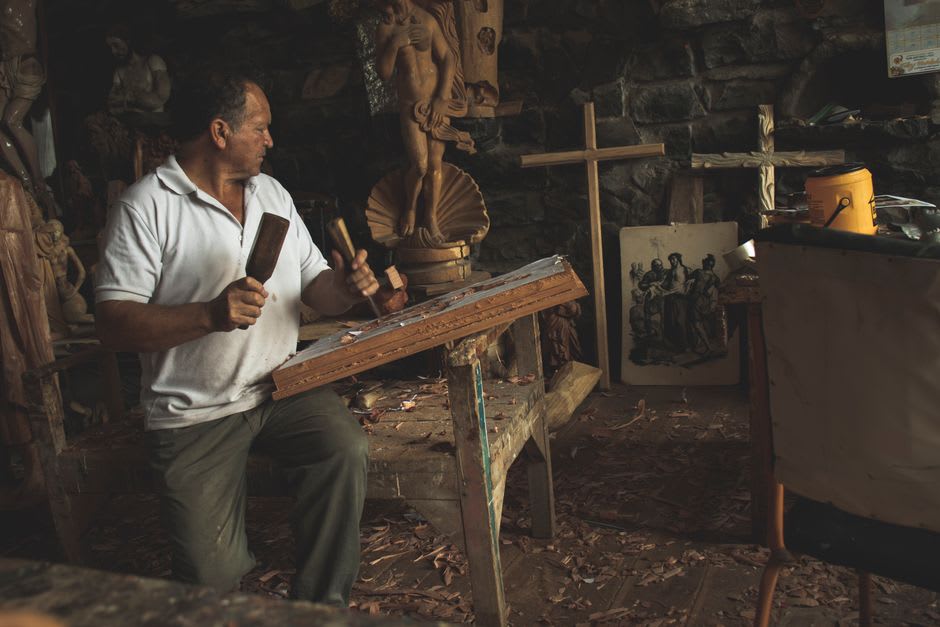
The town itself was founded on eighteenth-century silver mining and rebuilt its identity around woodworking and crafts sometime in the twentieth century, and today the main streets are lined with shops selling carved furniture, leather goods, and ceramics from artisans who mostly still make the pieces themselves in workshops attached to the storefronts. I spent an hour in one shop watching a carpenter turn a chair leg on a foot-powered lathe, a technique that looked exhausting and produced results indistinguishable from a machine’s. I bought a small wooden box I didn’t need and have used every day since.
The central plaza, framed by a whitewashed colonial church and red tile roofs on every surrounding building, fills on weekends with families eating pastelitos and drinking champurradas — a thick, cinnamon-spiced hot chocolate that felt exactly right in the mountain air. I ordered one from a stall run by a woman who’d clearly done this every Saturday for decades and didn’t need to ask what size I wanted.
Just up the road, Parque Nacional La Tigra protects one of the last significant cloud forests near the capital, and I took a half-day hike into it from the trailhead near Jutiapa, following an old mining trail past waterfalls and abandoned mine shafts from the same silver operation that built Valle de Ángeles in the first place. The forest was quiet in a way that made the town’s weekend bustle feel distant within twenty minutes of walking, ferns overhanging the path and a mist that never quite lifted the whole morning.
When to go: Weekdays are noticeably calmer than weekends, when day-trippers from Tegucigalpa fill the plaza and shops. The dry season, November through April, keeps the La Tigra trails in the best condition. Bring a layer — the elevation makes evenings genuinely cool even in the hottest months.
Keep exploring
More from Honduras
 honduras
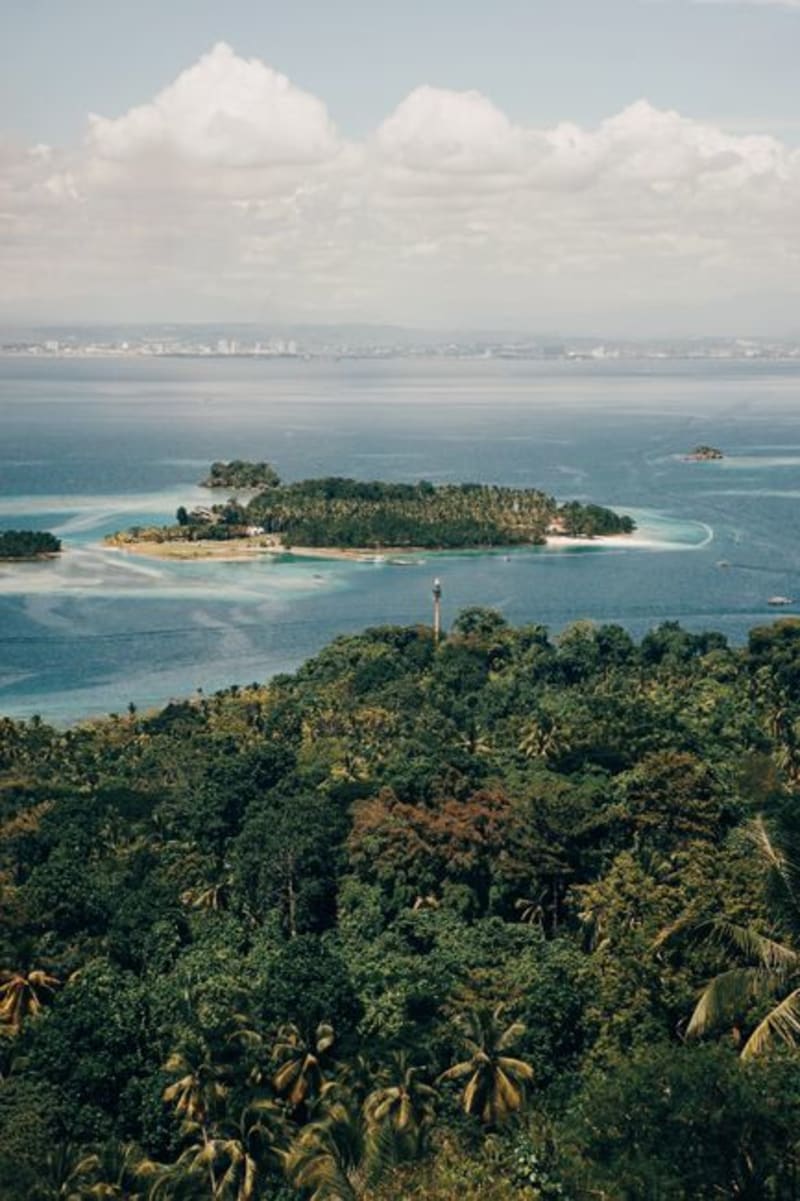
 Cayos Cochinos
A scattering of tiny islands and coral cays off the north coast, protected since 1993, where a Garifuna stilt village and some of the clearest water in the Caribbean sit side by side.
Explore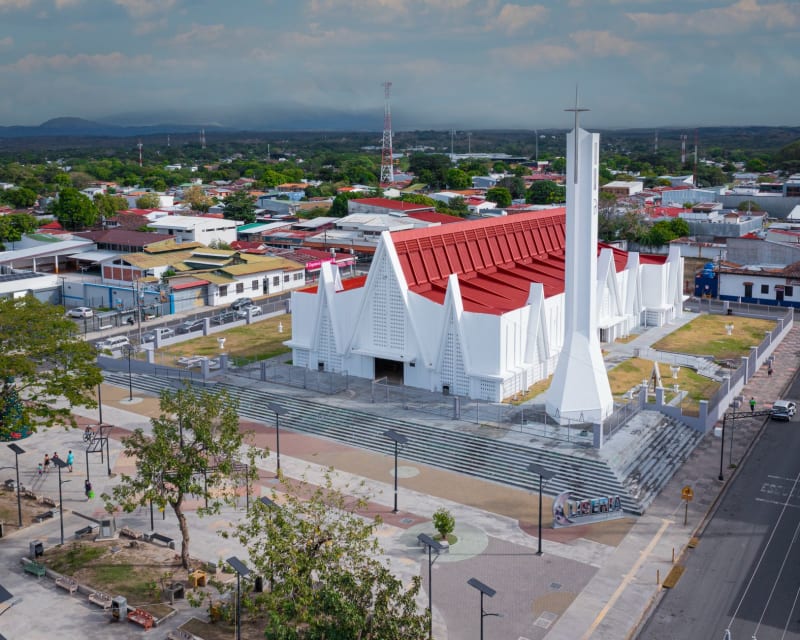 honduras
 Comayagua
Honduras's colonial heartland, where one of the oldest clocks in the Western Hemisphere still keeps time above a cathedral plaza that empties by nine in the evening and fills with light during Holy Week in ways that stop traffic.
Explore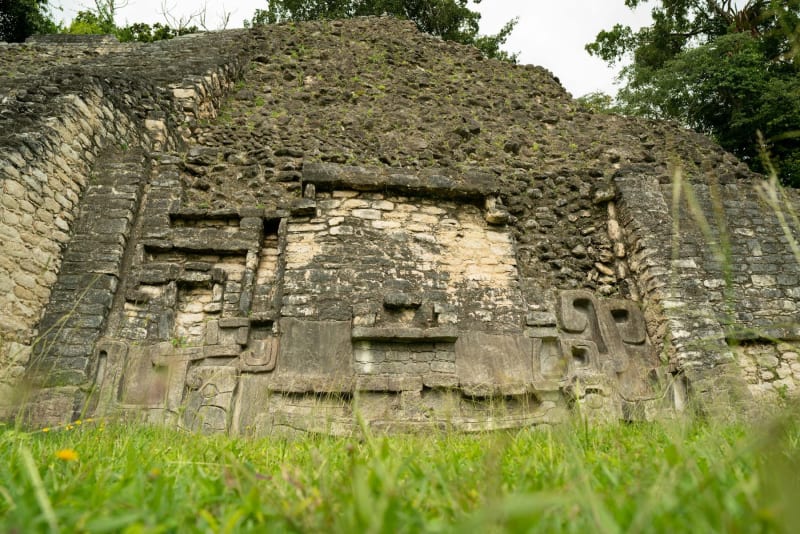 honduras
 Copan Ruins
The Athens of the Maya world, famous for the finest carved stelae and a hieroglyphic stairway of extraordinary detail.
Explore honduras
 Cusuco National Park
A dripping cloud forest above San Pedro Sula where a research station's night hikes reveal salamanders and glass frogs found almost nowhere else on earth.
Explore honduras
 Danlí
An eastern highland town built on cigars and corn, where a festival dedicated entirely to maize shuts down the streets once a year and cigar factories keep working every other week of it.
Explore honduras
 Gracias
The colonial capital of Central America for a brief sixteenth-century moment, now a quiet mountain town of cobblestones and thermal springs at the foot of Honduras's highest peak.
Explore