Gracias
"I kept waiting for Gracias to be discovered and then realizing that its whole appeal is that it hasn't been."
The colonial capital of Central America for a brief sixteenth-century moment, now a quiet mountain town of cobblestones and thermal springs at the foot of Honduras's highest peak.

In 1544, Gracias a Dios served as the seat of the Audiencia de los Confines — the administrative center of all of Central America, from Yucatán to Panama. That period lasted four years before the capital moved to Santiago de los Caballeros, and Gracias has been quietly going about its business ever since, which is to say: not very loudly at all. I arrived on a Tuesday afternoon when the square was mostly empty except for some schoolchildren in blue uniforms and a man selling raspados from a wheeled cart. The colonial churches were open and unguarded. The cobblestones were original. I hadn’t seen another tourist in three hours.
Cerro Las Minas and the Celaque Cloud Forest
Parque Nacional Celaque, twenty minutes west of town, contains the highest peak in Honduras — Cerro Las Minas at 2,849 meters — and some of the most intact cloud forest in Central America. Lia and I hired a guide named Santos in town for the day hike to the secondary summit, a commitment that requires an early start and a tolerance for mud that turned out to be somewhat higher than either of us had estimated. The forest above 2,000 meters is a different world: quetzals in the canopy (we heard one, glimpsed a flash of red and green), orchids on every surface, a permanent fine mist that soaks through everything within an hour. At the ridgeline, when the clouds parted briefly, the valleys dropped away in layers of green going all the way to the Salvadoran border.
The Thermal Baths
Between Gracias and the national park, a series of thermal pools sits along a creek at the base of the mountains. The water runs about 36 degrees Celsius — warm enough to be genuinely relaxing but not the punishing heat of some hot springs — and the pools are set among trees with views of the hillside. On a weekday morning we had most of it to ourselves. I spent two hours in the water, watching a hawk work the thermals above the valley and feeling no obligation whatsoever to be anywhere else. The entry fee was nominal. The towels I’d thought to bring were in the truck.
The Town Itself
Gracias has three colonial-era churches worth walking to, including La Merced with its classic whitewashed facade and the ruins of San Marcos on a hill above town where the fort San Cristóbal — built in 1539 — still commands a view of the surrounding valley. The local market runs most mornings and specializes in the specific chaos of western Honduras: plastic household goods, piles of dried chilies, chickens in wicker baskets, vendors from the Lenca communities in the hills selling hand-painted pottery with geometric designs that date back centuries. I bought a small jug there that I carried all the way home to Mexico without breaking it, which required patience with my own luggage decisions that I rarely manage.
Lenca Country
Gracias sits in the heart of the Lenca highland region, one of Honduras’s most significant indigenous communities. The villages surrounding the town — La Campa, San Manuel Colohete — are known for their pottery and their cofradías, the traditional religious brotherhoods that maintain a particular blend of Catholic and Lenca ritual. La Campa’s church square on a Sunday morning, with its hand-thrown ceramics for sale on woven mats and bells ringing from a sixteenth-century tower, is the kind of scene that makes you understand why some travelers stop in a place and don’t leave.
When to go: The dry season, November through April, is best for cloud forest hiking — trails are less muddy and summit visibility is better. The Celaque summit is ambitious and requires camping if you want to reach Cerro Las Minas; the lower trails are manageable as day hikes year-round. Gracias is small and has limited accommodation — book ahead if visiting during Semana Santa when Hondurans travel internally.
Keep exploring
More from Honduras
 honduras
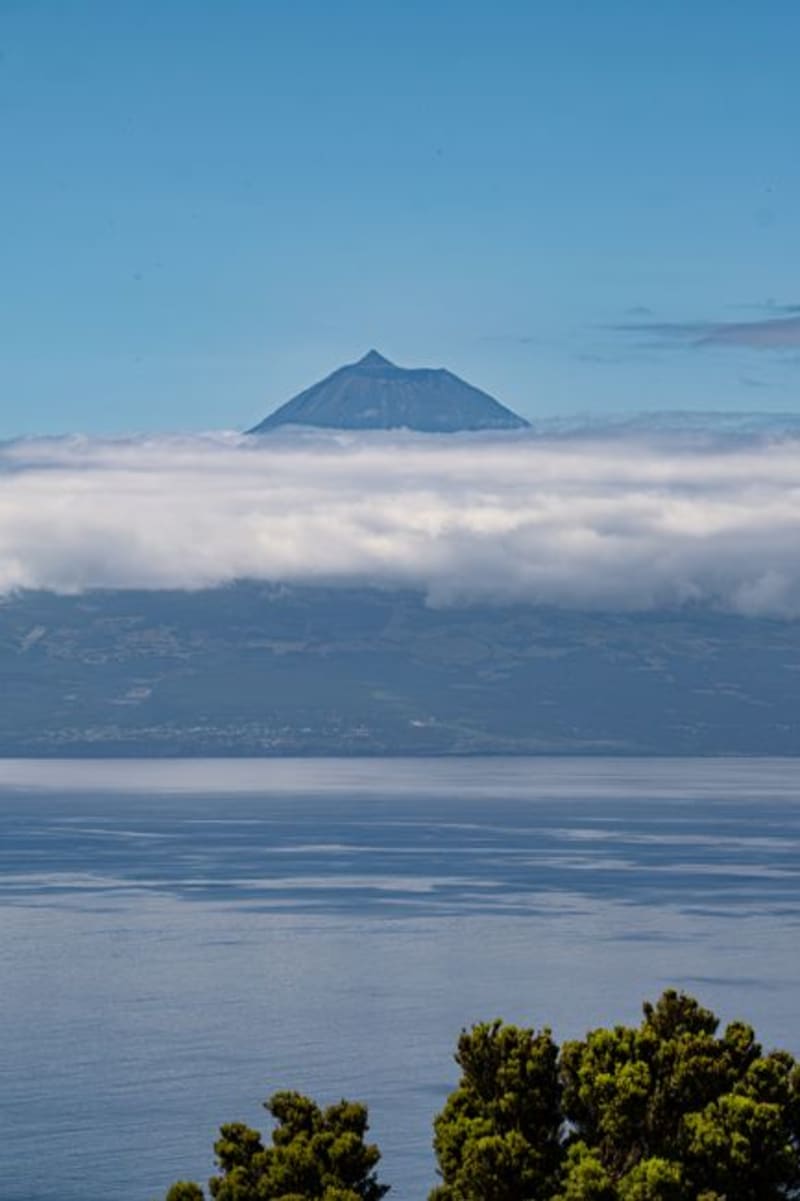
Isla del Tigre
A volcanic island in the Gulf of Fonseca where Honduras's Pacific coast quietly exists, black sand beaches ringing a cone with three countries' volcanoes visible from the summit.
Explore honduras
La Ceiba
Honduras's self-declared party capital where white-water rivers tumble out of cloud forest and straight into a Caribbean coast that never quite sleeps.
Explore honduras
La Mosquitia
The largest intact rainforest north of the Amazon — a roadless wilderness of river channels, indigenous villages, and almost complete silence that requires effort to reach and rewards that effort without reservation.
Explore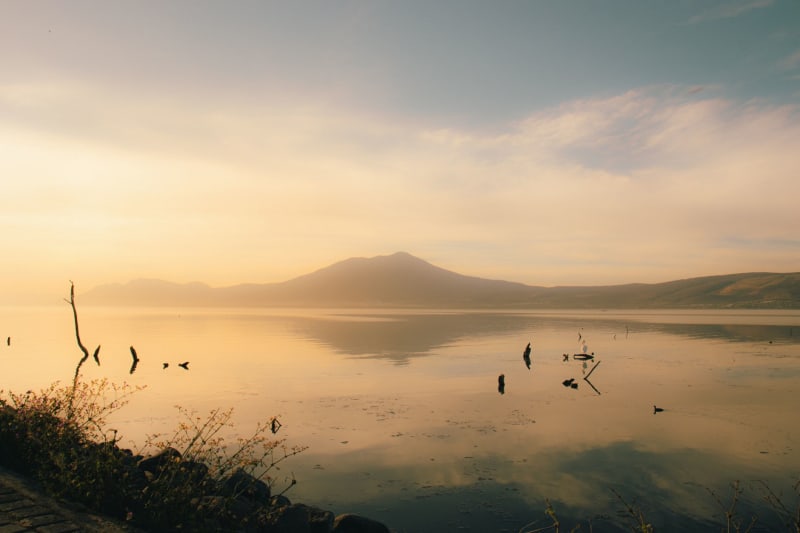 honduras
Lago de Yojoa
Honduras's only natural lake sits between two national parks in a bowl of cloud forest, producing the country's best craft beer and some of Central America's most rewarding birdwatching.
Explore honduras
Marcala
A misty highland coffee town in La Paz department where cooperatives have quietly built one of Central America's most respected organic coffee regions.
Explore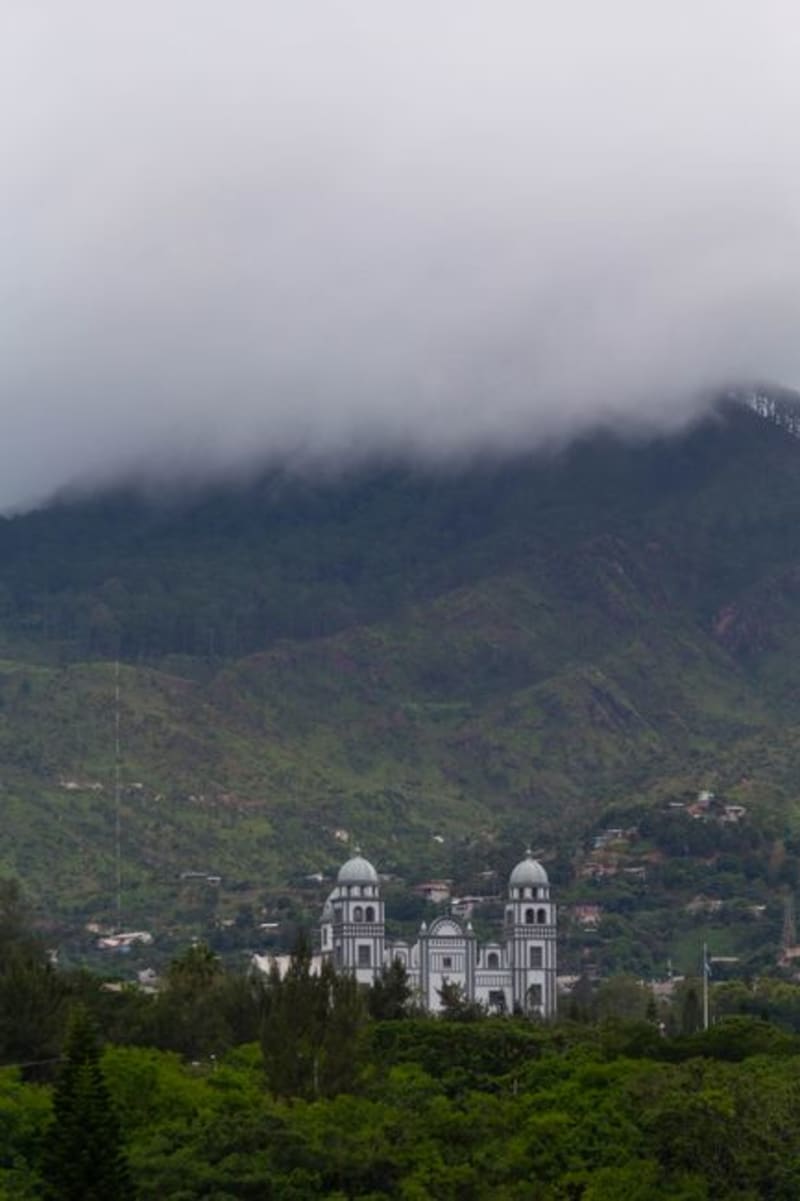 honduras
Omoa
A drowsy Caribbean beach town near the Guatemalan border, guarded by an eighteenth-century Spanish fort that once held off pirates and now mostly holds off nothing at all.
Explore