Cayos Cochinos
"I've seen a lot of postcard water in my life. Cayos Cochinos is the first time the postcard undersold it."
A scattering of tiny islands and coral cays off the north coast, protected since 1993, where a Garifuna stilt village and some of the clearest water in the Caribbean sit side by side.
Getting to Cayos Cochinos requires a boat from Sambo Creek or La Ceiba, about forty-five minutes across open water that can be smooth as glass or genuinely rough depending on the day, and I got the rough version — enough spray over the bow that I arrived soaked and grinning like an idiot. The archipelago is thirteen small islands and coral cays, protected as a marine reserve since 1993, and the water changes color about halfway out, from murky coastal brown to a blue so layered and clear it looks artificially saturated.
Chachahuate, the smallest cay with any permanent population, holds a Garifuna fishing village of maybe a hundred people living in thatched wooden huts that cover almost the entire visible surface of the island — there is no room here for anything but houses, a chapel, and narrow sand paths between them. Kids ran past me kicking a half-deflated football while their mothers grilled fish over charcoal for the lunch that every visiting boat eventually orders. I ate mine — a whole snapper, rice and beans, fried plantain — sitting on a plastic chair with my feet nearly in the water, which is roughly the entire dining setup on the cay.
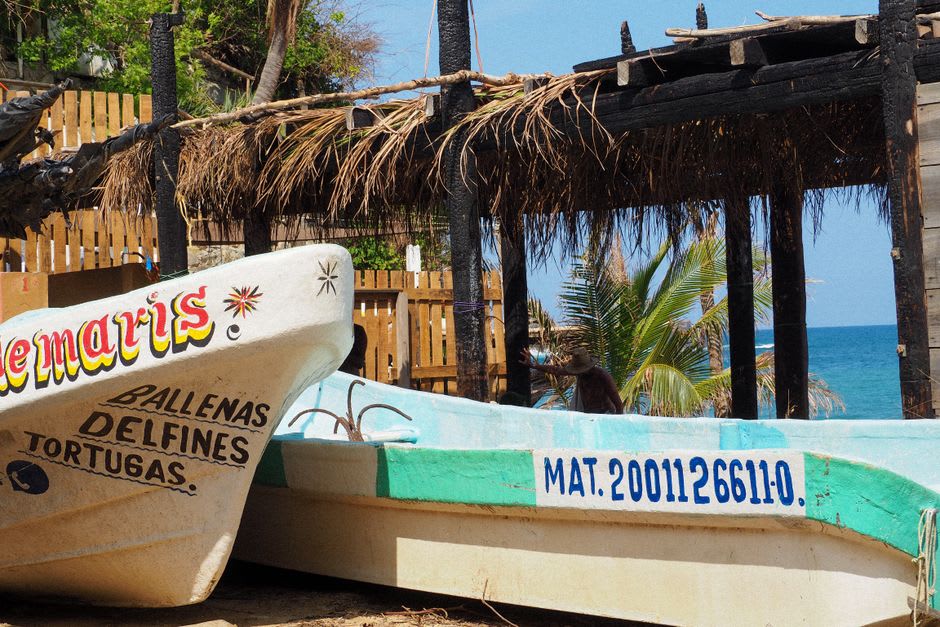
The snorkeling is what actually justifies the trip, though. Just off Cayo Menor and around the reef patches near Chachahuate, the coral is in noticeably better condition than in some of the more heavily dived spots off Roatán — healthier fans, less bleaching, a real density of parrotfish and the occasional eagle ray gliding past at depth. I snorkeled for almost two hours without wanting to get back in the boat, floating over staghorn formations with a current gentle enough that I barely had to kick. The cays are also home to a pink boa constrictor found nowhere else on earth, though I didn’t see one — the guides say they mostly stay hidden in the interior forest of the larger islands, which I was, frankly, fine with.
There’s a rhythm to a day out here that I didn’t expect to love as much as I did: boat out, snorkel, eat fish on the sand, snorkel again, boat back with the light going orange over the water. Nobody rushes any part of it. The guides on our boat, all from Sambo Creek, spent the ride back trading fishing stories in a mix of Spanish and Garifuna that I only understood about a third of, and didn’t mind at all.
When to go: March through May and September through October offer the calmest seas and best visibility for snorkeling. Day trips run year-round from La Ceiba and Sambo Creek, but confirm conditions the morning of — the crossing gets genuinely uncomfortable in rough weather.
Keep exploring
More from Honduras
 honduras
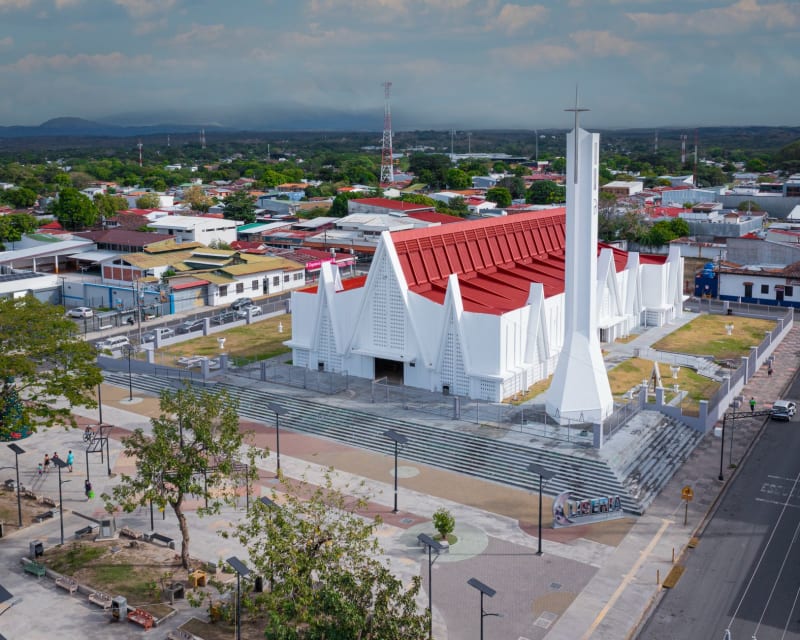
 Comayagua
Honduras's colonial heartland, where one of the oldest clocks in the Western Hemisphere still keeps time above a cathedral plaza that empties by nine in the evening and fills with light during Holy Week in ways that stop traffic.
Explore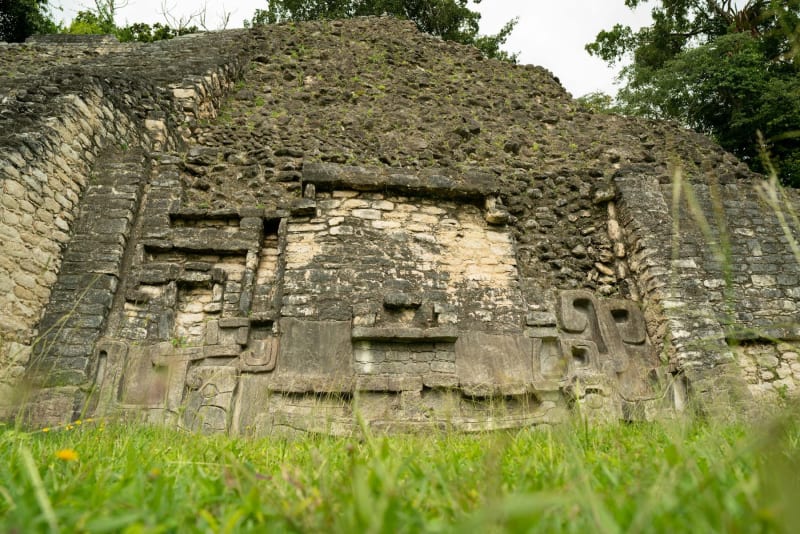 honduras
 Copan Ruins
The Athens of the Maya world, famous for the finest carved stelae and a hieroglyphic stairway of extraordinary detail.
Explore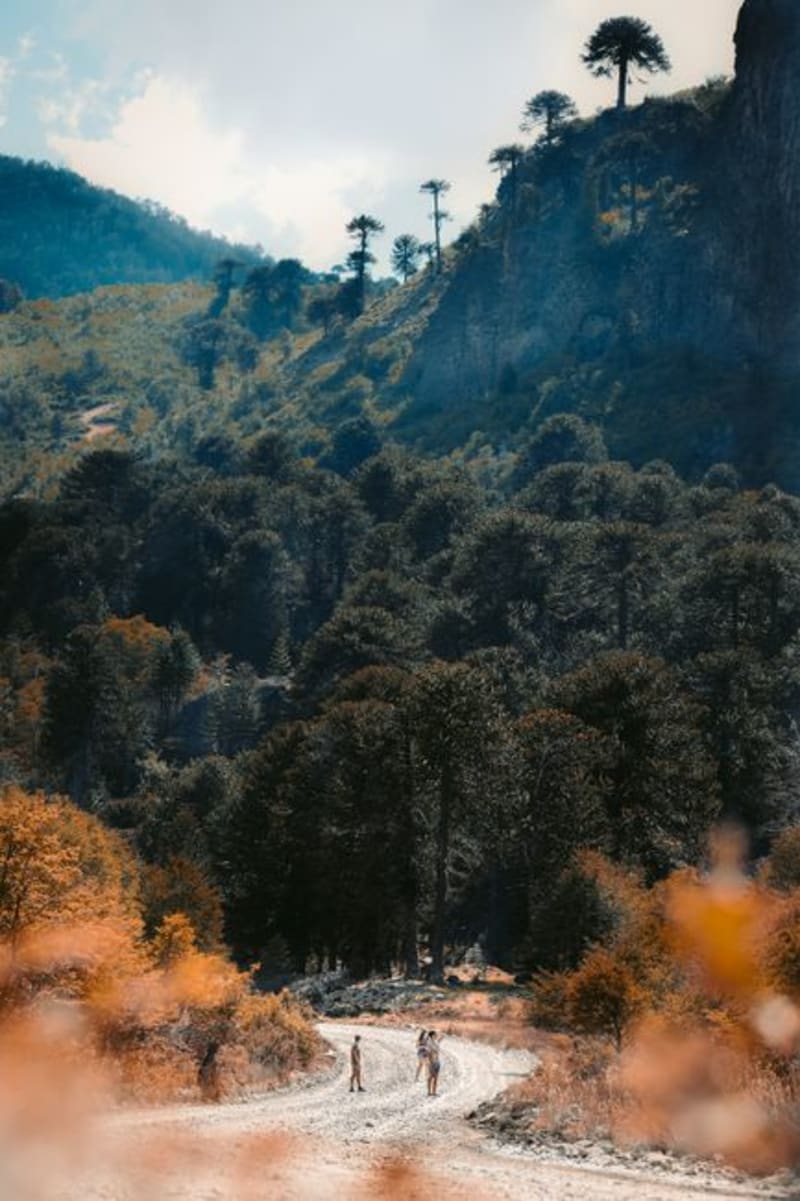 honduras
 Cusuco National Park
A dripping cloud forest above San Pedro Sula where a research station's night hikes reveal salamanders and glass frogs found almost nowhere else on earth.
Explore honduras
 Danlí
An eastern highland town built on cigars and corn, where a festival dedicated entirely to maize shuts down the streets once a year and cigar factories keep working every other week of it.
Explore honduras
 Gracias
The colonial capital of Central America for a brief sixteenth-century moment, now a quiet mountain town of cobblestones and thermal springs at the foot of Honduras's highest peak.
Explore honduras
 Isla del Tigre
A volcanic island in the Gulf of Fonseca where Honduras's Pacific coast quietly exists, black sand beaches ringing a cone with three countries' volcanoes visible from the summit.
Explore