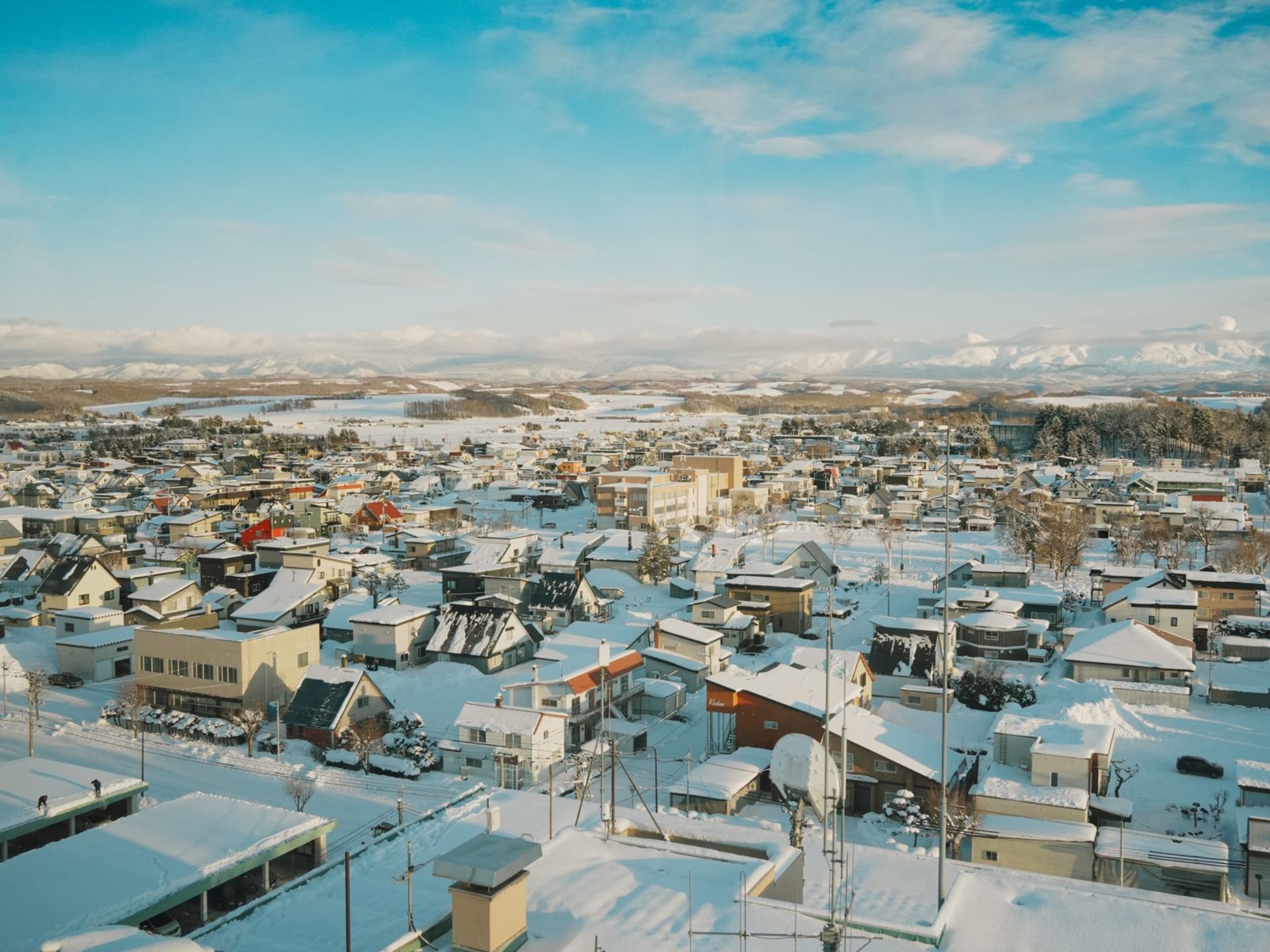
Kushiro Wetlands
"The cranes dance in the snow and you realize you've been holding your breath for several minutes."
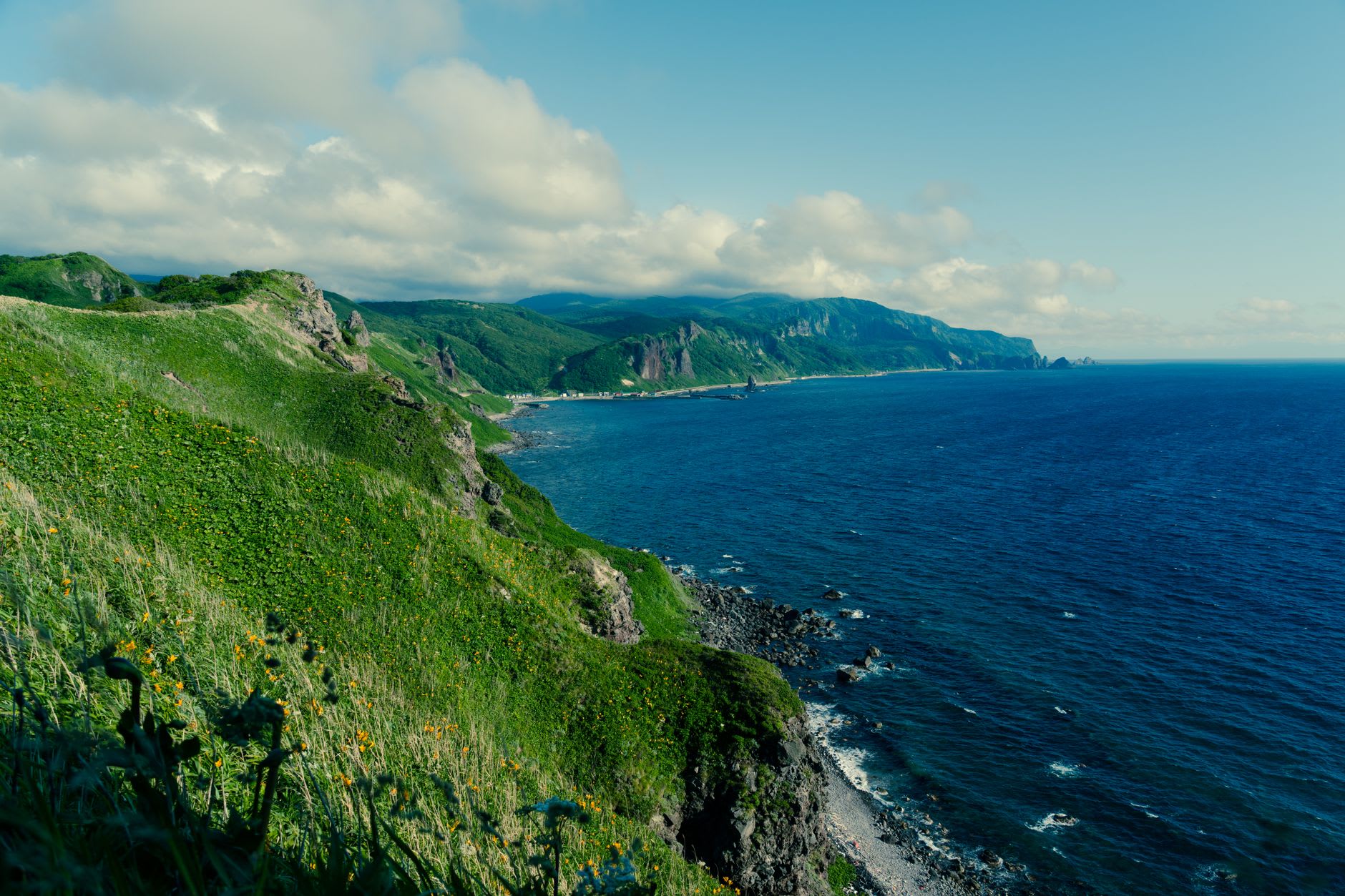
The canoe pushed off from the bank at six-thirty in the morning, the Kushiro River so still it reflected the pale sky exactly, and the mist sitting on the reed beds on either side made it impossible to tell where the water ended and the air began. My guide paddled in silence. A great blue heron lifted from the bank ahead and folded itself into the grey above us. The temperature was seven degrees and the reed beds smelled of cold water and something organic, the rich vegetable rot of a healthy wetland. I sat in the bow and did nothing except look, which is the appropriate response to the Kushiro Wetlands — the largest remaining wetland in Japan, a protected expanse of fen and bog and slow river that covers over two hundred and sixty square kilometers of eastern Hokkaido and has been largely undisturbed since the Meiji drainage projects failed to dry it out, the peat soil too soft to bear development.
The cranes come in winter. The red-crowned crane — tancho in Japanese, tancho-zuru in full, the crane depicted on the thousand-yen note and considered a national treasure — uses the Kushiro Wetlands as its primary wintering ground. In January and February the local agricultural cooperative runs feeding stations where the cranes gather in the snow, sometimes hundreds at a time, and the courtship dances begin: two birds facing each other, bowing, leaping, spreading their wings to their full two-meter span, calling in a sound that carries across the flat landscape with extraordinary clarity. I went to the Tsurui-Ito Tancho Crane Sanctuary on a Thursday morning in February when the temperature was minus fourteen and found thirty-two cranes in the snow. The dances started without preamble. Two birds would turn toward each other, something would pass between them, and then both would leap simultaneously, wings open, heads back. I stood with my hands in my pockets and watched for an hour, which was the entire duration of my warmth.
The observation towers scattered through the wetland offer views that expand the scale of the place in a way the canoe cannot. From the Hosooka observation tower, the reed beds stretch to the horizon on three sides, broken only by the river’s slow meanders and the occasional stand of alder and birch. In September, the wetland turns the amber and gold of drying reeds, the sky large and moving fast with clouds. I climbed the tower at dusk and watched the sky change colors over a landscape that seemed to extend without limit, and felt the specific vertigo of being somewhere that has not been compressed into someone’s idea of how much a place should contain.

Kushiro city itself sits at the edge of the wetland where the river meets the Pacific, a fishing town of mid-scale ambition whose waterfront fish market sells the enormous hairy crabs for which eastern Hokkaido is known. I ate one at a harbor restaurant, dipping the sweet white meat in butter and rice wine vinegar, and looked out at the fishing boats and the wetland marsh visible in the distance. The two things felt connected: the wild protein of the sea and the wild protein of the land, a town that exists because the surrounding nature has always been generous.
When to go: January and February for crane courtship dances — this is the reason most people come and it is worth organizing a trip around. September through November for autumn colors in the wetland and clear skies. Canoe tours operate May through October and are best in the early morning. Winter canoe tours are offered on ice-free sections but require proper cold-weather preparation.