Asia
Hokkaido
"The Japan nobody warns you about — wilder and colder and better for it."
I arrived in Sapporo in February, stepping off the train into minus fifteen degrees and a wall of steam from the ramen stalls outside the station. I had spent two weeks in Tokyo before this — orderly, vertical, exhausting in the best way — and nothing prepared me for how different Hokkaido would feel. Bigger sky. Fewer people. A quietness that isn’t just the absence of noise but something more deliberate, as if the island itself has decided to take its time.
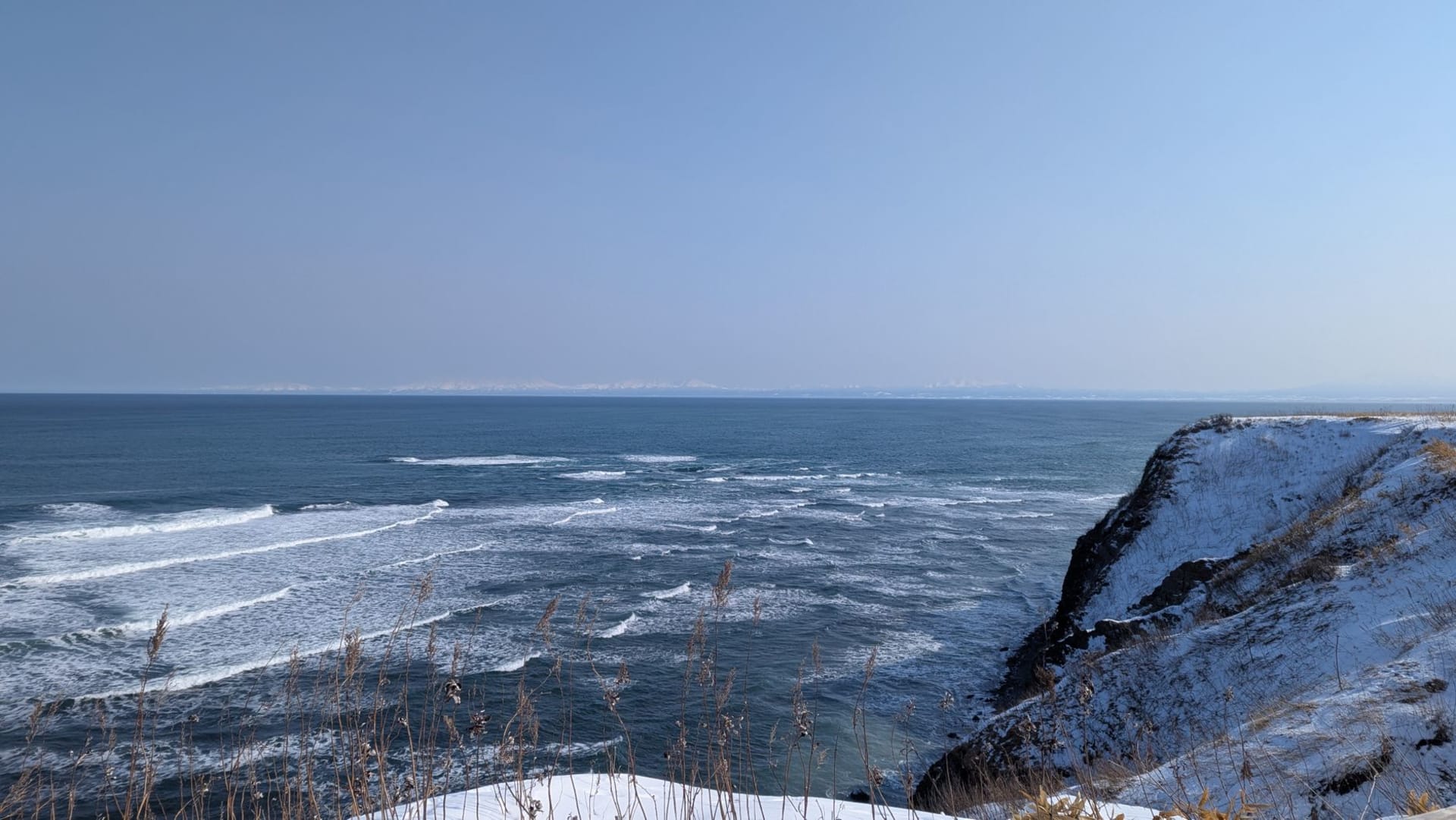
Most travelers who make it to Hokkaido come for the powder snow at Niseko, spend a week on the slopes, and leave thinking they’ve understood the place. They’ve seen one layer of it. The Hokkaido that stopped me in my tracks was further north and further east: the Shiretoko Peninsula, where brown bears fish the rivers in autumn and the coastline looks like it belongs to a different geological era entirely. Akan Mashu National Park, where the lakes are so clear and so cold they read almost purple at certain hours. Furano in late June, when the lavender fields flood the hillsides with color so concentrated it seems artificial until you’re standing in it. These are not hidden gems in the influencer sense — they’re just places that require intention to reach, which is enough to keep the crowds thin.
The food here deserves its own paragraph. Hokkaido dairy is a point of legitimate pride: the butter, the soft-serve, the milk that tastes like milk is supposed to taste. In Hakodate, I ate ikura and uni on rice at the morning market before 7am, watching fishing boats come back through the fog. In Sapporo, miso ramen — specifically Sapporo-style, with its thick noodles and pork-based broth reinforced with corn and a knob of butter — felt less like a meal and more like a position taken on what winter food should be.
When to go: February for drift ice on the Okhotsk coast and world-class powder snow. Late June to early July for lavender at Furano and green hillsides before the tourist buses arrive in force. September through October for clear skies, autumn foliage, and salmon running in the rivers — arguably the most beautiful month on the island. Avoid the stretch between late November and January unless you’re specifically after early ski season; the interior can be brutal and many smaller spots close.
What most guides get wrong: They treat Hokkaido as a winter destination with a lavender footnote in summer. It’s actually a four-season island where each season is extreme in a different direction, and the shoulder seasons — particularly September — are when it earns its reputation as Japan’s wild north. Come expecting scale. The distances between places are real, the roads are long, and the reward for covering them without rushing is the feeling that you’ve reached somewhere that hasn’t been entirely smoothed over for visitors.