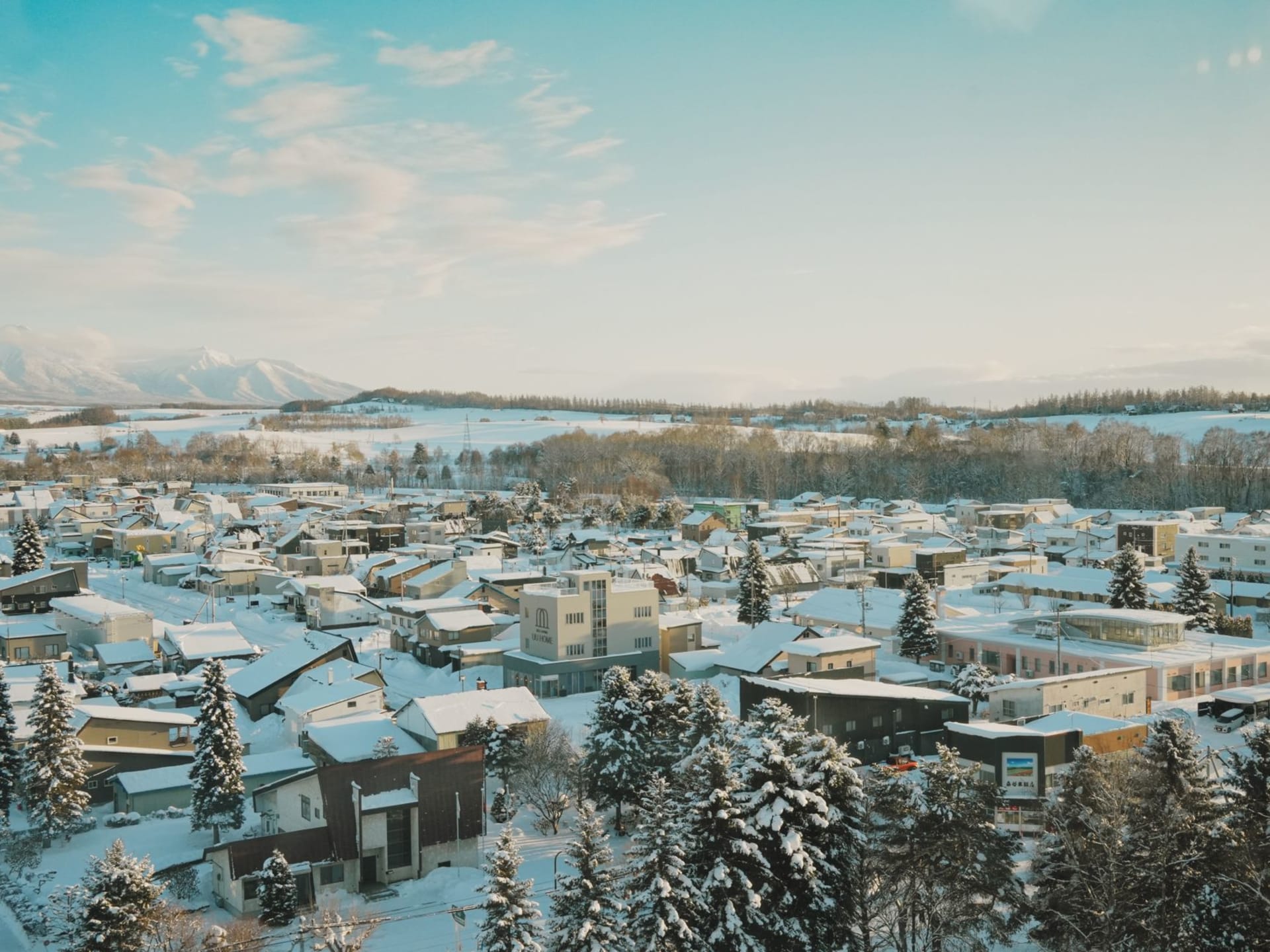
Furano
"I didn't expect to be moved by a lavender field. Furano has a way of making you wrong about things like that."
I smelled it before I saw it. Walking up the slope from the Farm Tomita parking lot on a Wednesday morning in late June, the lavender scent came on gradually and then all at once, the way strong perfume does in a small room. Then the rows appeared: purple running in parallel lines down the hillside, dense and even, the lavender at peak bloom, and I stopped where I was on the path and stood there doing nothing for a while. The color was so saturated it read almost artificial — the kind of purple you’d correct in a photograph — and the bees working through the flowers made a collective sound that was less buzzing and more like a low continuous hum, a single held note.
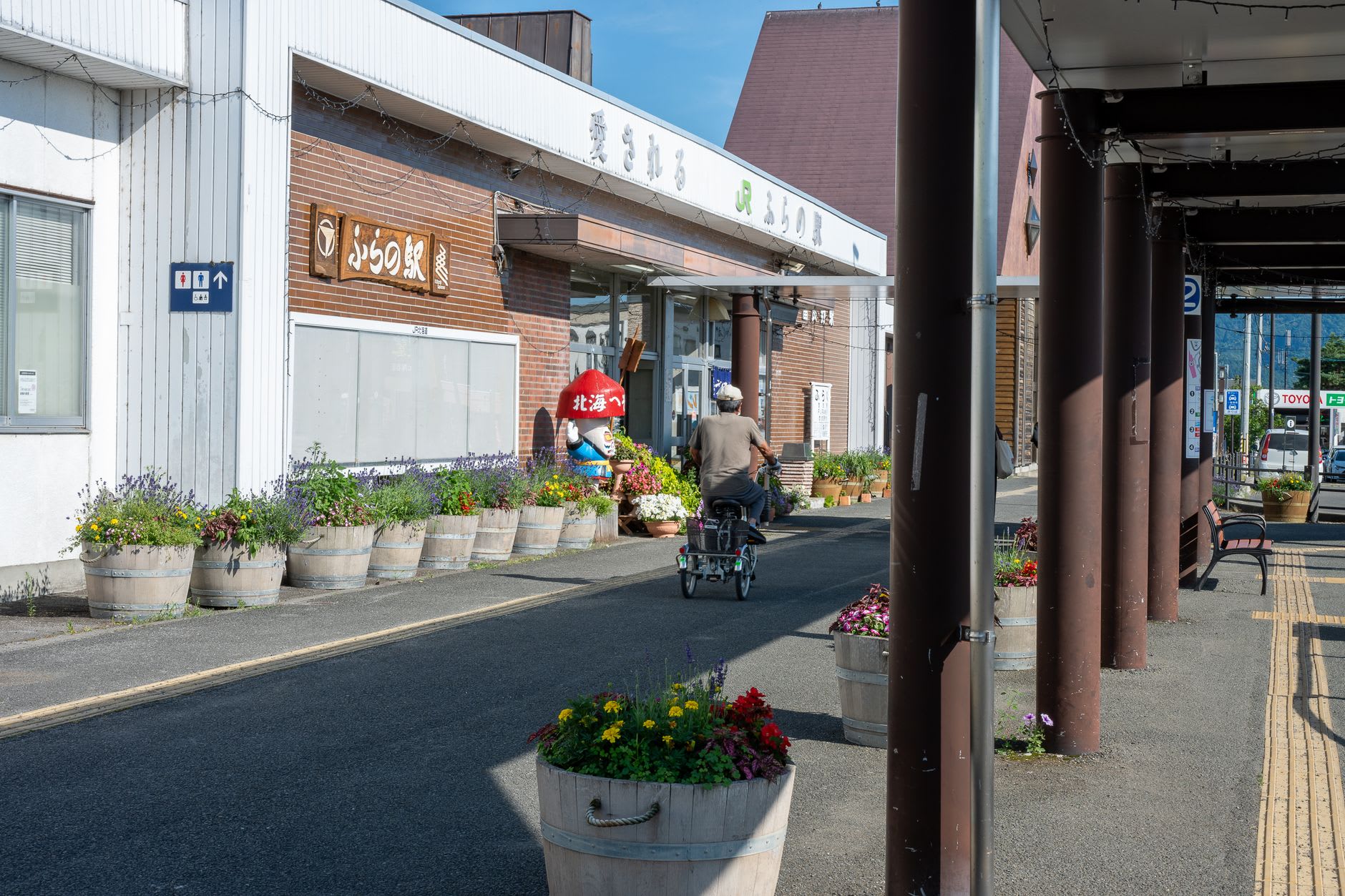
Farm Tomita has become iconic — the photographs circulate globally every summer — but what I wasn’t prepared for was the rest of the farm: the fields of poppies, of baby-blue eyes, of canola running golden alongside the lavender, the entire hillside organized into horizontal bands of color that have nothing to do with agricultural efficiency and everything to do with someone’s decision, decades ago, to make beauty the entire point. The farm’s shop sells lavender in every possible form — soap, oil, soft serve ice cream, dried bunches, chocolates — and I bought the soft serve and ate it at a picnic table in the sun surrounded by the smell, which is an experience I am not embarrassed to recommend.
The Furano basin is wider than the lavender farms. The valley runs between mountain ranges — the Tokachi range to the east, the Yubari mountains to the west — and the flat farmland between them is planted in melons, potatoes, corn, and wheat. Furano melon deserves its own sentence: a variety of cantaloupe grown in the mineral-rich volcanic soil, with a sweetness that is almost architectural in its precision. I ate a whole one sitting on the floor of my guesthouse room. The local wine, produced by the town’s winery from grapes grown in the valley, is modest and pleasant and benefits enormously from being drunk on a hillside looking at lavender.

The town of Furano itself is a ski resort out of season — a certain end-of-the-party atmosphere in the restaurants and the streets, cheerful enough but quieter than its summer crowds would suggest. The base village of the Furano ski area sits at the foot of a mountain that in winter draws serious skiers for its uncrowded steeps and reliable powder, and in July the gondola runs to the top for hikers who want the view without the effort. I took it up one afternoon and sat in the alpine meadow at the top, the lavender fields visible as purple patches far below, and felt that particular Hokkaido sensation of being somewhere that still has space in it.
When to go: Late June through mid-July for lavender at peak — the exact week shifts with the season, so check Farm Tomita’s website before booking. Late July brings sunflowers. September is quieter and beautiful for the harvest season. December through March is ski season, with Furano ski area known for consistent powder and manageable crowds.