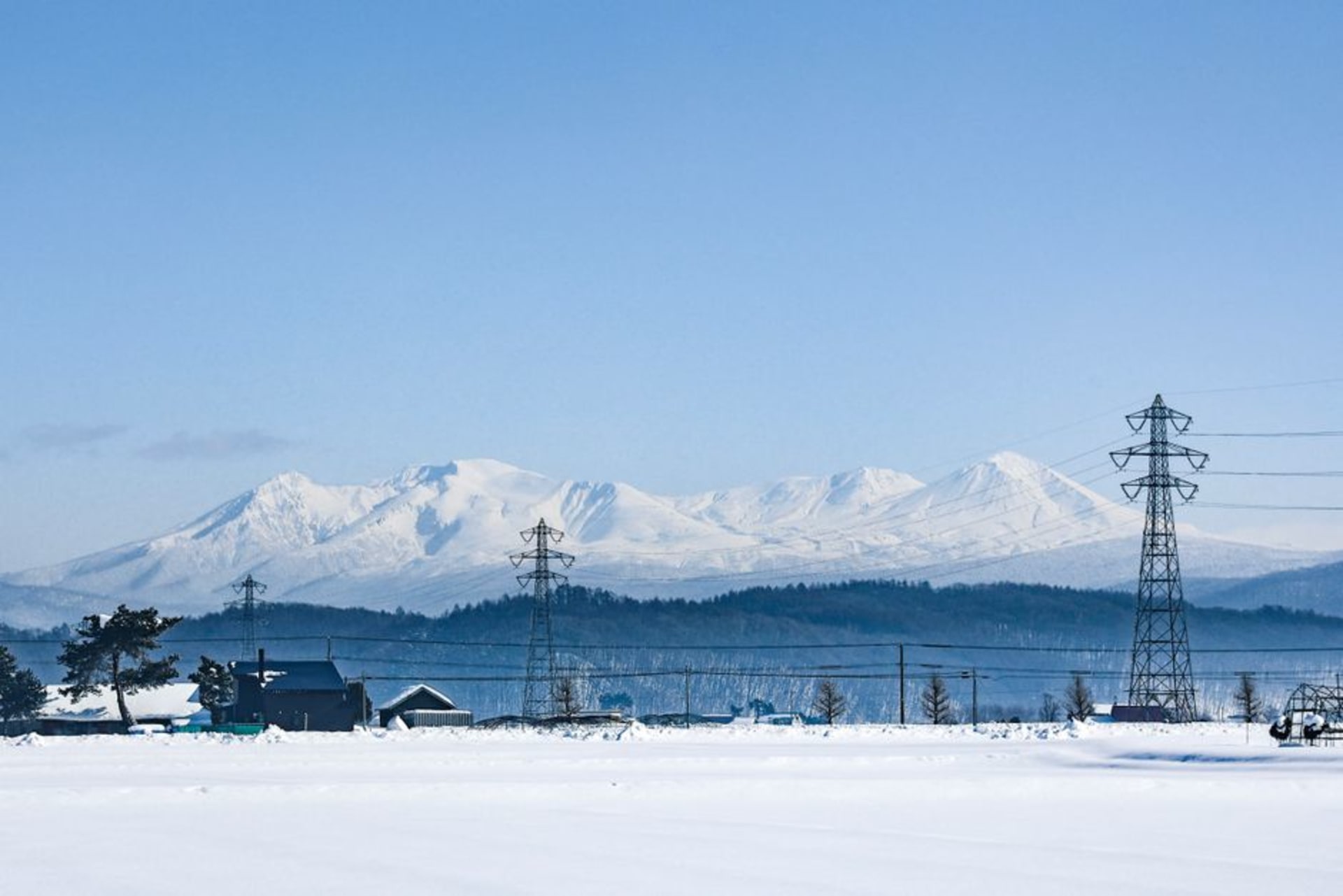
Daisetsuzan National Park
"Japan's autumn colors start here, on a mountain that's still actively venting sulfur — everything about Daisetsuzan feels a little unfinished, in the best way."
Japan's largest national park and the roof of Hokkaido, where autumn arrives first in the whole country and brown bears still outnumber the hikers on some trails.
Daisetsuzan means “great snow mountains,” and the name undersells how enormous the park actually is — it covers a chunk of central Hokkaido roughly the size of a small country, a jumble of volcanic peaks with almost none of the infrastructure that softens hiking in the rest of Japan. I took the ropeway up toward Asahidake, Hokkaido’s highest peak, in mid-September, and stepped out into a landscape of bare volcanic rock, sulfur-yellow vents hissing steam, and a wind that had teeth in it even though the base of the mountain had still been mild. The famous thing about Daisetsuzan is that its autumn foliage starts earlier than anywhere else in Japan, sometimes as early as late August at higher elevations, and the ridge I hiked was already going red and gold against black volcanic scree in a combination I hadn’t seen anywhere else on the island.
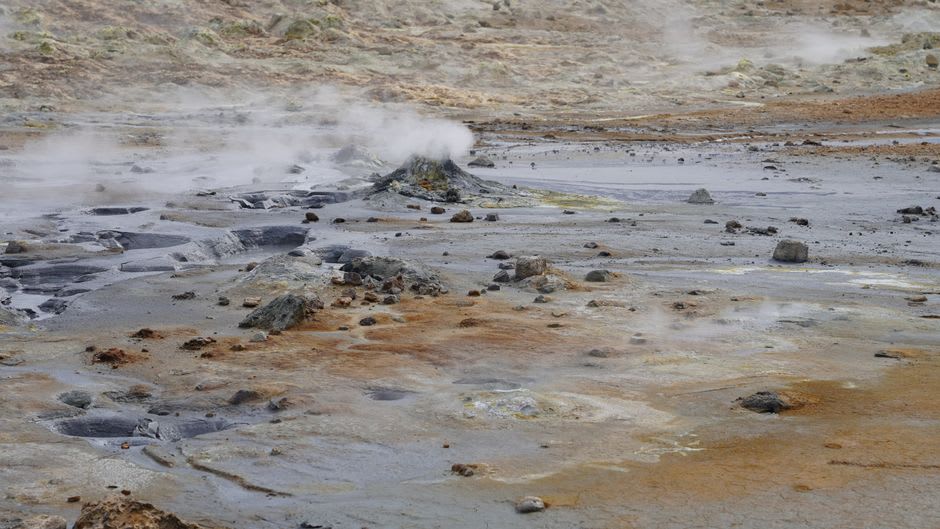
This is genuine brown bear territory, and it’s treated as such — trail information boards note recent sightings, some routes close temporarily after an encounter, and every hiker I passed had a bear bell clipped somewhere audible. I bought one at the ropeway station on the advice of a park ranger who said it plainly: this isn’t Shiretoko-level bear density, but it’s real, and the noise matters more than people think. I never saw a bear directly, though at one point on the ridge trail I found a print in a patch of mud that hadn’t fully dried, deep and wide enough that I stood there a while deciding whether to keep going, which I did, a little more loudly than before.
The onsen town of Sounkyo sits at the eastern edge of the park, a narrow gorge village that makes a good base, with a cable car up to another set of ridge trails and, in winter, an ice festival built inside the frozen gorge itself — sculpted ice tunnels lit from within, a strange and slightly absurd thing to find at the bottom of a canyon this remote. I stayed in a small ryokan there after the hike, soaking in an indoor onsen with a window onto the gorge wall, legs aching in the specific way that means the day was worth it.
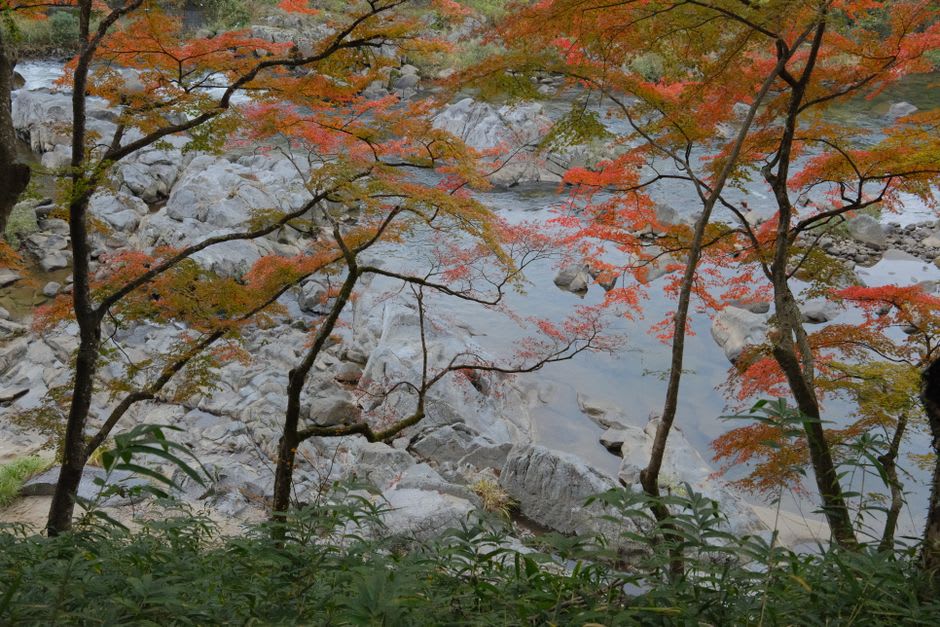
When to go: Late August through late September for the earliest autumn colors in Japan and relatively stable hiking weather. Winter brings the Sounkyo ice festival but the high trails close entirely; summer is short but green, with wildflowers on the alpine sections in July.