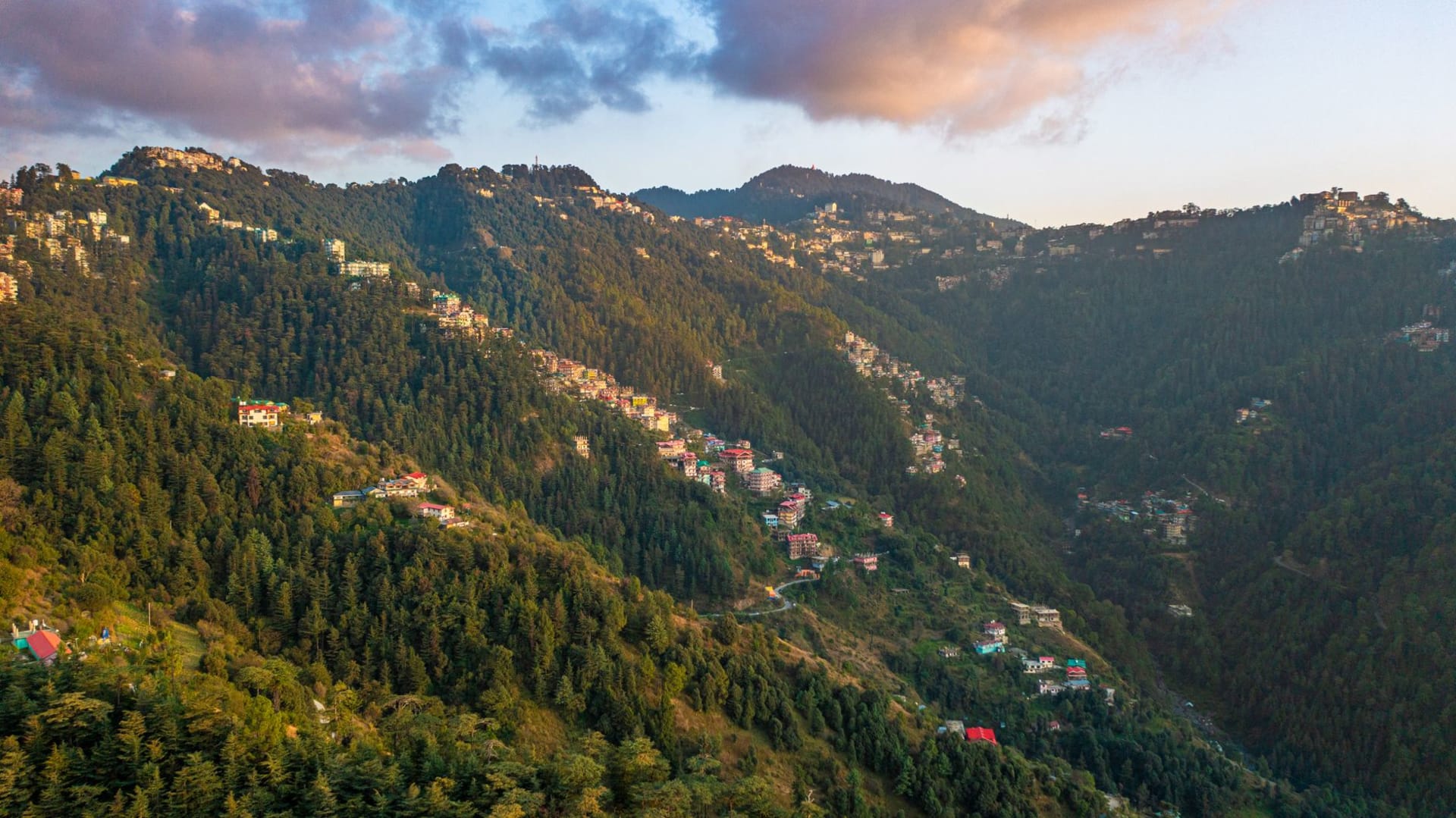
Shimla
"The Empire built this hill town to escape the heat of its own ambitions — and left behind something surprisingly human."
Shimla is the sort of place that surprises you twice: first by being odder than you expected, then by being more pleasant than it had any right to be. The approach by the old Kalka-Shimla narrow-gauge railway — a UNESCO World Heritage route that takes five hours to cover 96 kilometres through 102 tunnels and over 806 bridges — deposits you at the lower station in a state of gentle disorientation, not quite sure how much time has passed or how much altitude has accumulated. You walk up through bazaars that smell of spiced chickpeas and fresh marigold garlands and secondhand Bollywood CDs, climbing through layers of the town that seem to correspond to historical strata, until you emerge at the Ridge and find yourself looking at a neo-Gothic Christ Church and a mock-Tudor library standing against a backdrop of pine forests and distant snow peaks in a combination that seems to have been designed by someone who wanted to confuse future historians.
The British built Shimla as the summer capital of their Indian Empire from the 1860s onwards, and the architectural residue is both absurd and fascinating. The Viceregal Lodge — now the Indian Institute of Advanced Study — sits on Observatory Hill above the town looking like it was transported from a Scottish country estate and set down in the Himalaya without quite understanding the journey. Its ballroom hosted negotiations that shaped the Partition of India. The corridors feel genuinely haunted in the way that places do when they have held too much history for their dimensions to absorb gracefully. The current inhabitants — academics, researchers, the occasional tourist — move through it with the slightly apologetic air of people who know they are living in someone else’s set.
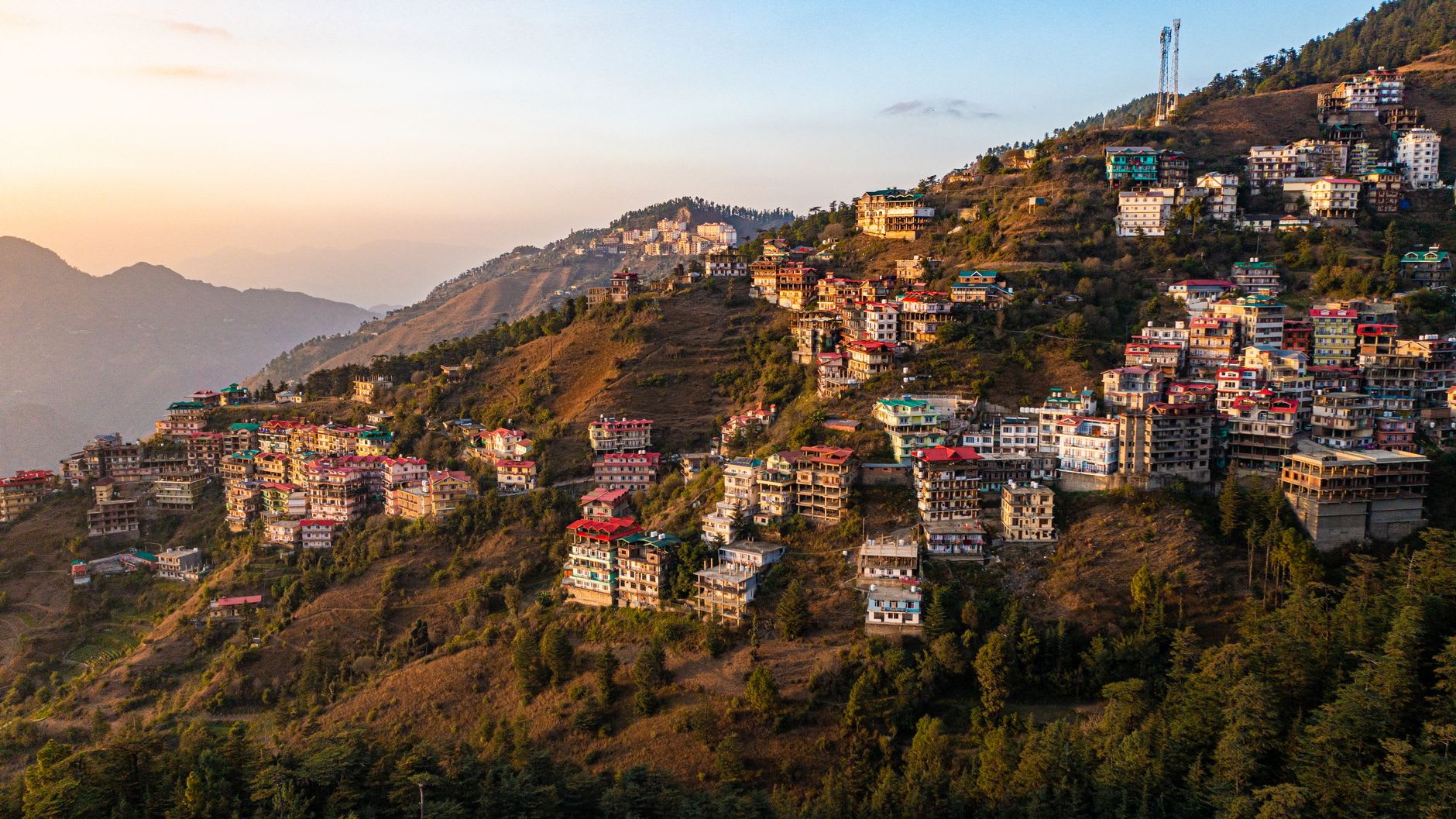
The Mall Road and the Ridge, the social heart of the colonial town, have survived in modified form. The Mall is pedestrianized now — no cars, which distinguishes it from almost everywhere else in India — and on evenings and weekends it fills with families from the plains who have come to photograph themselves in front of the mountains. This is not exactly the rarefied hill station atmosphere the British intended, but there is a democratic energy to it that I find more interesting than the alternative. Ice cream vendors. Children pointing at snow they have never seen before. Grandmothers in salwar kameez picking their way carefully around the edges. The mountains remain indifferent and magnificent above it all.
The Lower Bazaar, which runs below the Mall in the older part of town, is where I spent most of my time. Tibetan traders sell turquoise and coral. Himachali shawls — hand-woven wool in earthy reds and greens — hang from hooks outside dark shops where the owner sits cross-legged and makes no particular effort to sell you anything. The food in the bazaar is fast and unambitious and frequently excellent: plates of chhole bhature at eight in the morning, kachori stuffed with spiced lentils from a cart, sweet lime soda from a bottle that has been cooled in a bucket of water. The altitude makes everything taste slightly more urgent.
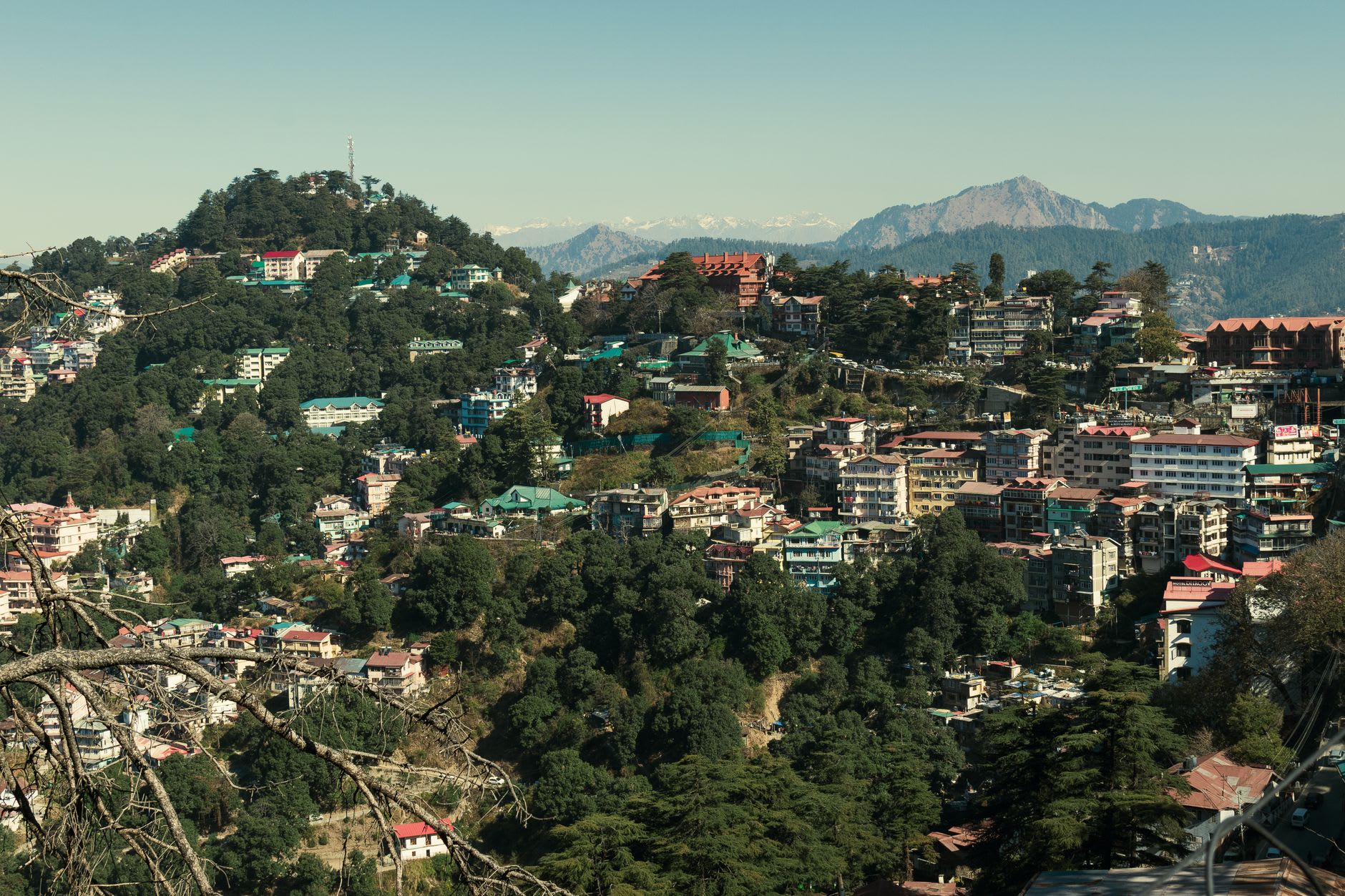
The surrounding ridges offer walks that get you out of the town’s density quickly: Jakhu Hill, with its temple to Hanuman and its aggressive monkeys who have learned that tourists carry food; the forested paths toward Chadwick Falls; the quieter ridge walks toward Prospect Hill where the pines are tall and the light, on clear mornings, turns everything gold. These are not dramatic Himalayan treks. They are the kind of walks that clear your head and remind you that you are, still, in the mountains.
When to go: September to November for clear skies and autumn colour in the forests. December to February for snow and the peculiar charm of a hill station in winter — cold, quiet, the Mall Road almost empty. Avoid May and June when school holidays bring enormous crowds from the plains and room prices triple. The Shimla Summer Festival in late May is worth attending if you can tolerate the chaos.