McLeod Ganj
"Breakfast momos, a monk on a phone, the Dalai Lama's temple two streets away — this is not what exile is supposed to look like."
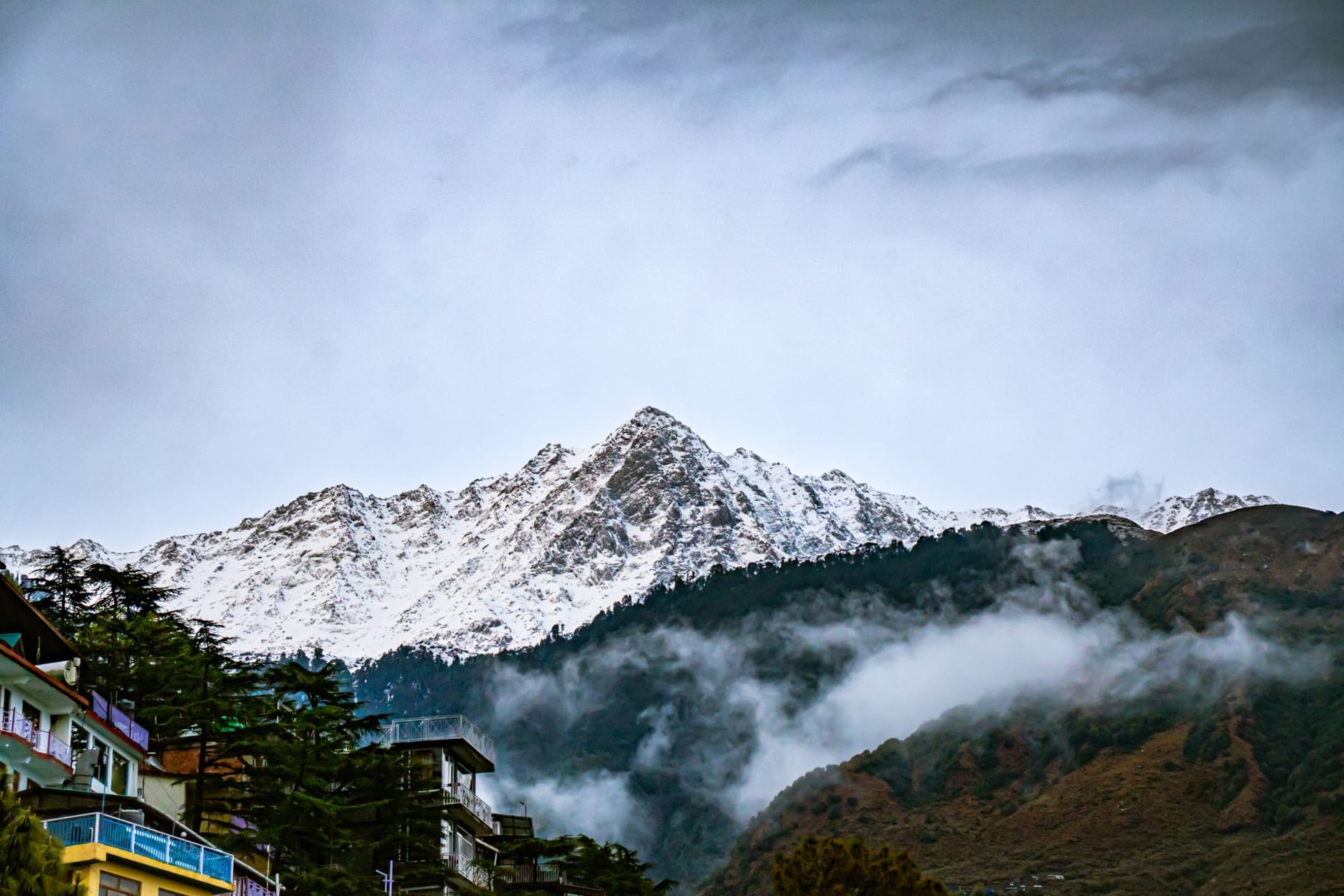
I arrived at McLeod Ganj in the late afternoon after a hairpin-heavy taxi ride from Dharamshala, the kind of road where the driver and the geometry of the hill are engaged in a negotiation you’d prefer not to observe too closely. The town appeared suddenly — a tangle of narrow lanes, monastery walls, stalls selling incense and yak butter and bootleg DVDs of Tibetan Buddhist teachings. And then, over the rooftops, the Dhauladhar range simply erupted from the earth: white and vertical and so close I felt I could reach out and touch the permanent snow on Triund’s shoulder.
What McLeod Ganj does that no travel brochure adequately conveys is hold two worlds simultaneously without forcing them to merge. The Tibetan community here — tens of thousands of people who came over the Himalayas on foot from a country that no longer exists for them in the same way — has built institutions. Real ones. The Namgyal Monastery behind the Dalai Lama’s residence functions as a working centre of religious learning, not a museum piece. The Library of Tibetan Works and Archives holds manuscripts that survived the Cultural Revolution because monks carried them on their backs through the passes. The Tibetan Medical and Astrological Institute still trains doctors in a system of medicine that predates anything in the Western tradition by centuries. This is a refugee community that arrived with almost nothing and reconstructed an entire civilisation in a hill town in northern India. That fact sits with you as you walk the circumambulation path around the temple at dawn, spinning the prayer wheels alongside elderly Tibetans who have been doing this every morning for forty years.
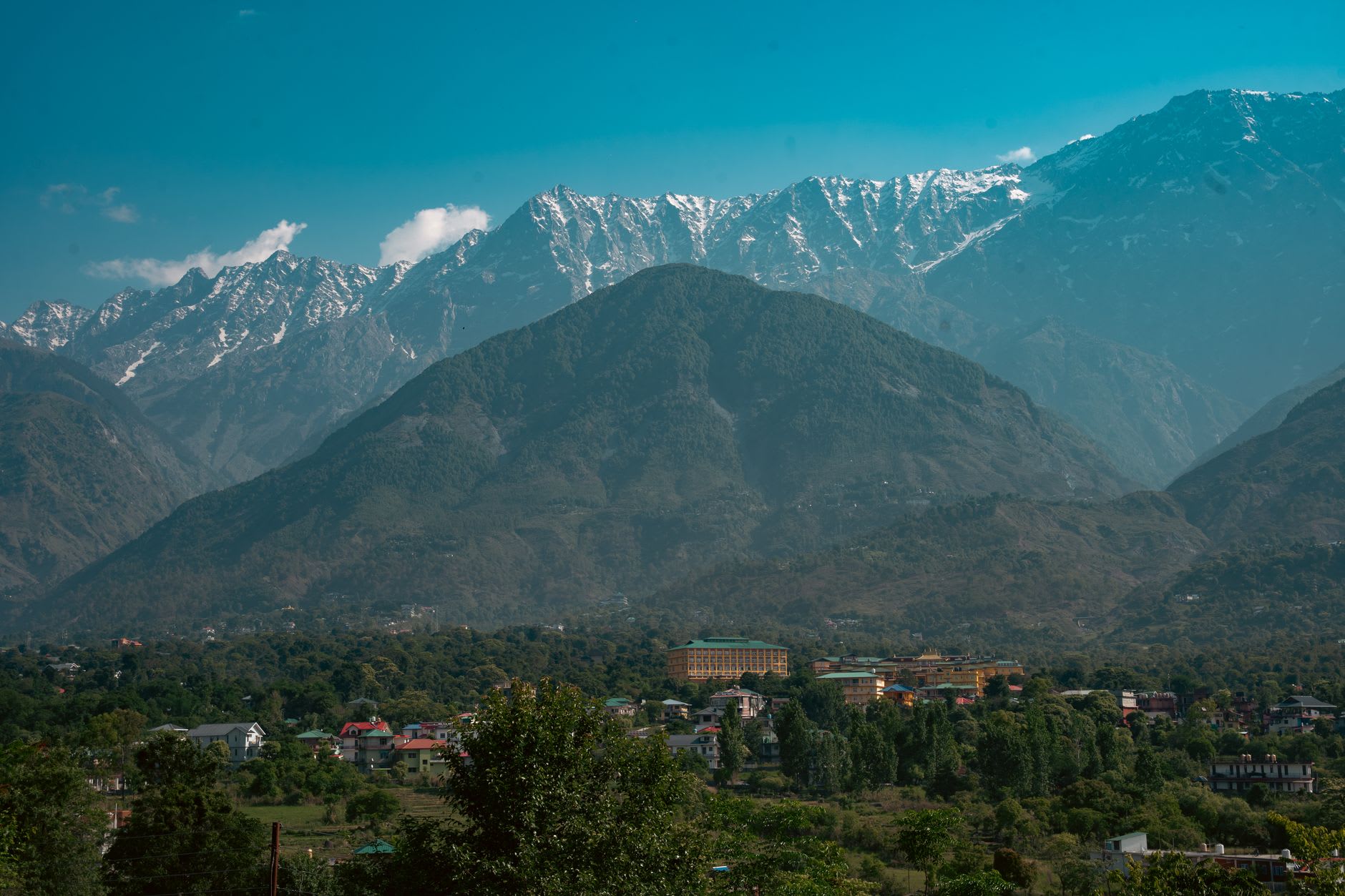
The food is the other thing. The breakfast momos — fat, steamed, filled with spiced cabbage or chicken — from the small Tibetan kitchen on Jogiwara Road are among the better things I have eaten in India. Not because they are extraordinary by themselves but because of where they are eaten: at a plastic table, at seven in the morning, while monks in burgundy robes walk past with smartphones and a street dog circles hopefully and the peaks above the town are going from pink to gold in the early light. Context does something to flavour that no recipe accounts for. There is also butter tea, which I will honestly say requires some adjustment: salty, fatty, served in a thermos, it is the taste of altitude and pragmatism. I learned to love it around day three.
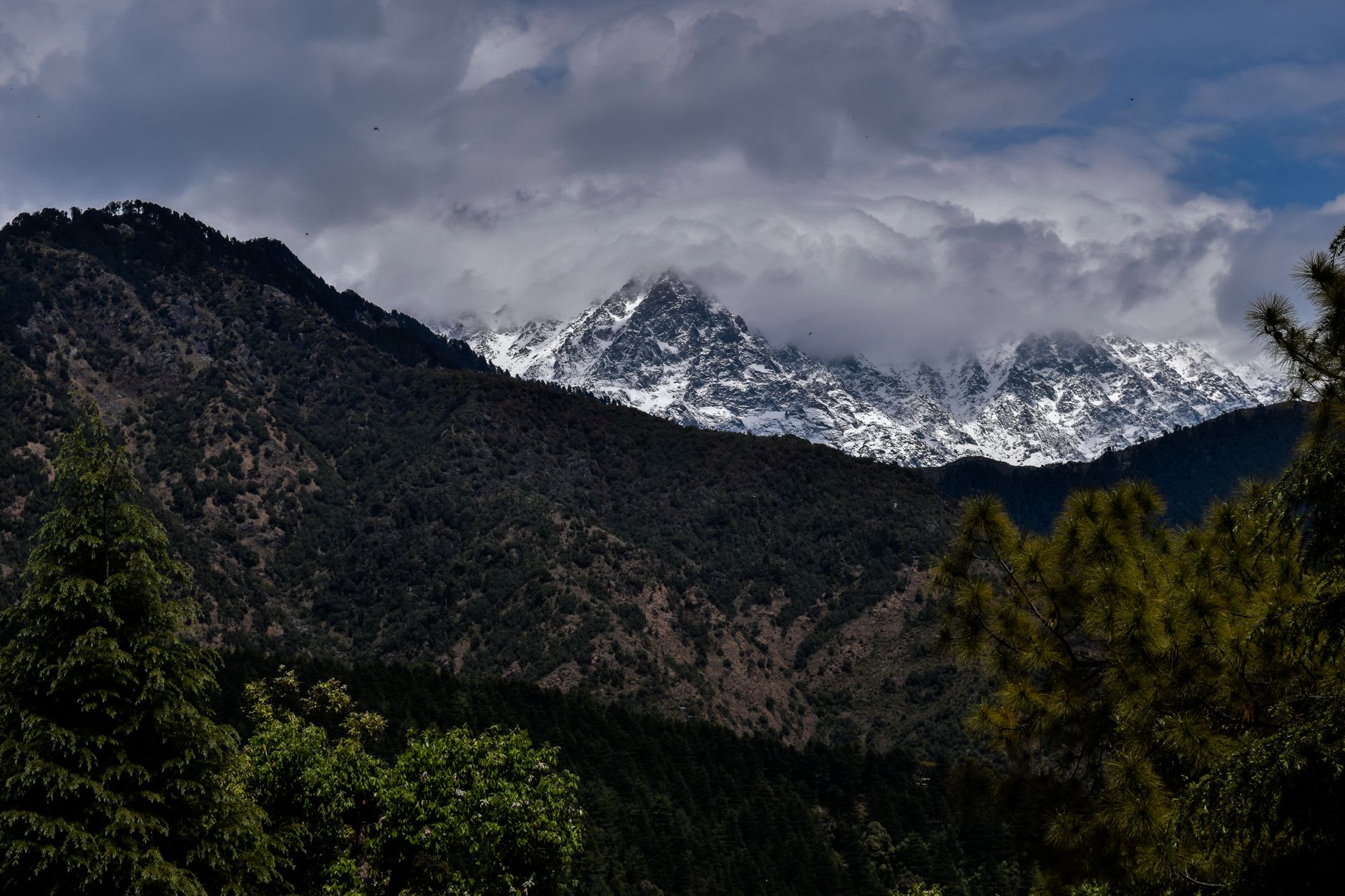
The town itself has outgrown its charms in ways that feel inevitable. Bhagsu Road has become a corridor of Israeli restaurants and mediocre guest houses — the particular globalised backpacker aesthetic that attaches itself to anywhere with spirituality and cheap accommodation. But walk thirty minutes uphill from the monastery and you are in a different place: cedar forest, mist, the sound of a stream. The Triund trek leaves from here, gaining 900 metres to a ridge with a panorama of the Dhauladhar and the plains of Punjab stretching south into the haze. I did it alone in late October, barely another soul on the path, and arrived at the top to find a single tea stall and a horizon so wide it felt like a reward for something I hadn’t yet done.
The Dalai Lama teaches here several times a year. If you can time your visit to coincide, it is worth every logistical inconvenience: thousands of people on the temple grounds, simultaneous translation into a dozen languages through small yellow radios distributed at the gate, the particular quality of attention in a crowd that has come from very far to listen to something it already believes.
When to go: March to May and September to November are ideal — clear skies, pleasant temperatures, the Dhauladhar range visible in full detail. Monsoon (July–August) brings clouds and leeches on the trails. Winters (December–February) are cold but magical with snow; the Tibetan New Year celebrations in February or March are worth planning around.