Kasol
"I came for the mountains and found a village that serves better hummus than most of the Middle East. India contains multitudes."
Kasol confused me for the first hour, and I mean that as a compliment. We had come up the Parvati Valley expecting a quiet Himalayan village and stepped off the bus into a place where the cafés advertise shakshuka and labneh in Hebrew, where the soundtrack is psytrance and acoustic guitars, and where half the travellers seem to be Israelis decompressing after military service. It is, in the most literal sense, a destination that does not match its postcard. I liked it more for that.
The river runs the show
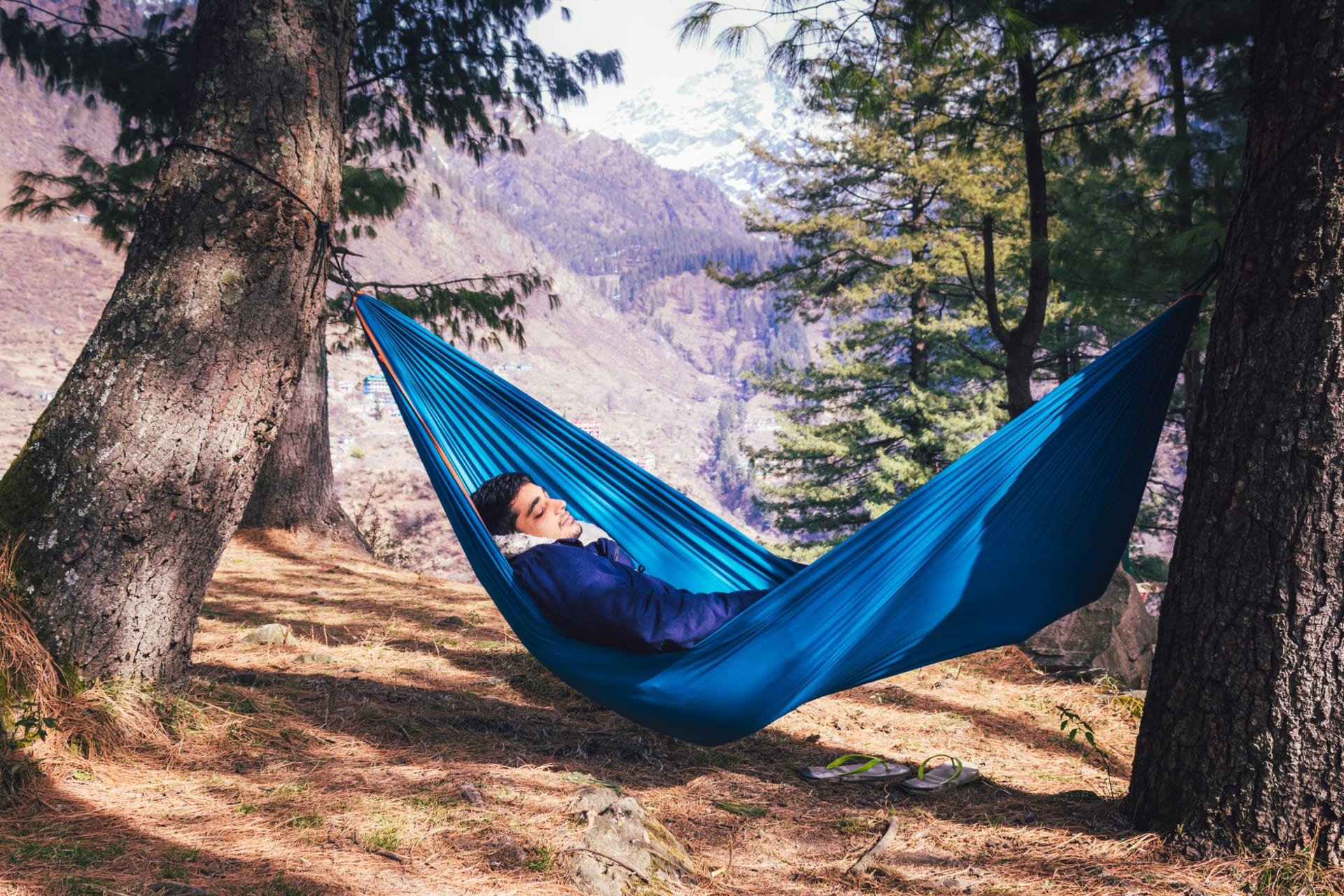
Whatever Kasol has become, the Parvati River does not care. It comes down from the glaciers grey-green and furious, loud enough that you raise your voice on the bank without noticing, cold enough that Lia put one hand in and withdrew it with an expression of personal betrayal. We took a room on the quieter far side, crossed by a footbridge that bounced in a way I chose not to think about, and spent the first afternoon just sitting on the boulders watching the water shoulder past while pine forest climbed the slopes behind us toward ridges still holding snow in May.

The café culture, which I’d been prepared to find irritating, turned out to be genuinely good. Decades of catering to long-staying travellers has produced kitchens that take food seriously: I ate a plate of hummus with warm flatbread that would hold its own anywhere, followed by a thali two doors down that reminded me which country I was actually in. Lia, ever the contrarian, ignored both and ate momos from a roadside cart run by a Tibetan woman who refused to tell her what was in the chutney. It was the best thing either of us had all week.
Walking out of the village
Kasol is really a basecamp, and the valley’s reward is up the trail. The classic walk is to Kheerganga — a long, steep, sometimes muddy climb of several hours through forest and past the village of Kalga, ending at natural hot springs at around 3,000 metres where you lower yourself into steaming water with the snow peaks directly overhead. We didn’t make the full distance that day; we turned back at a meadow where a chai stall had improbably set up, drank sweet milky tea from glasses, and watched a shepherd move his flock across the slope below. Sometimes the turnaround point is the destination.

A word of caution, because the valley earns it: the Parvati has a dark reputation for travellers who vanish, usually a combination of unmarked trails, fast water and the local cannabis that grows wild on every slope. Walk with sense, tell someone your route, and don’t follow a footpath into the dusk because it looks pretty. With that respect paid, Kasol is one of the more quietly addictive places I’ve stayed in the Indian Himalaya — equal parts mountain and misfit, and entirely unbothered by the contradiction.
When to go: April to June for green slopes and walkable trails, or September to November for crisp post-monsoon clarity. Winter buries the upper valley in snow and shuts much of it down; the monsoon turns the trekking paths to grease.