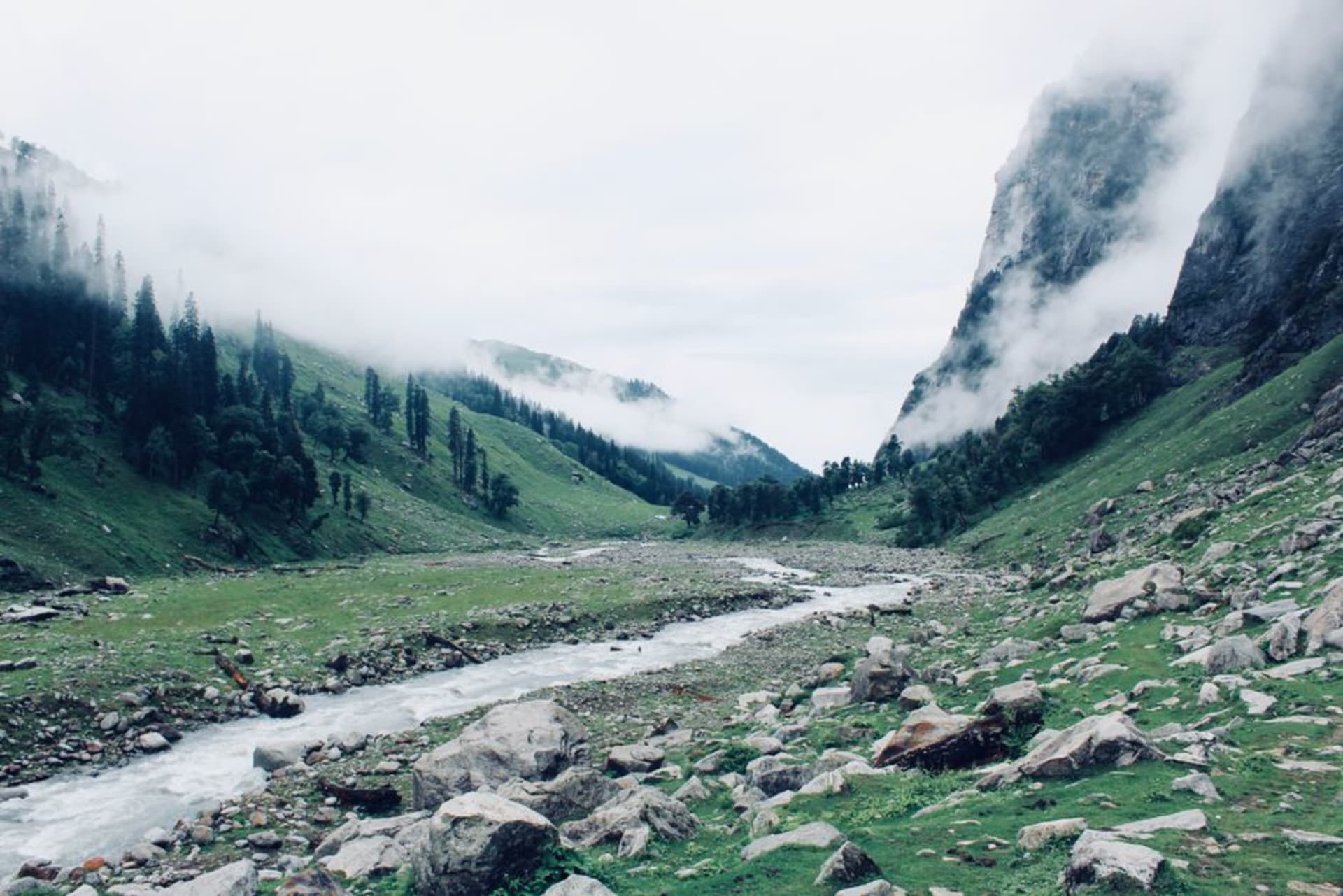
Barot Valley
"We came for the trek to Kothi and stayed for the sound of the river under our window."
A sleepy hydro-power settlement on the Uhl River where colonial cottages, trout hatcheries, and pine forest trails still set the pace of the day.
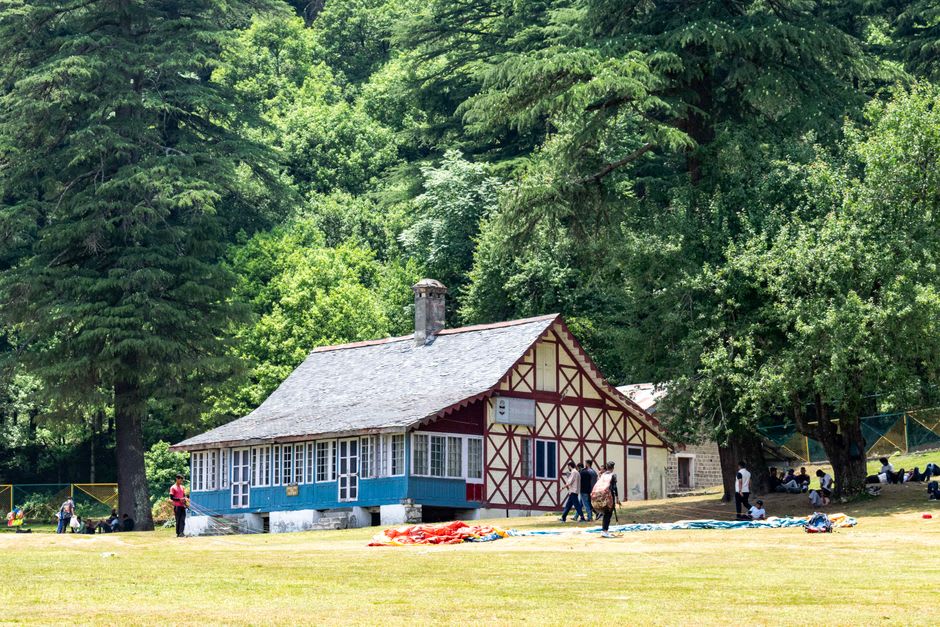
Lia found Barot on a forum thread about trout fishing, of all things, and I almost scrolled past it. Then I read that the whole settlement grew up around a hydroelectric project on the Uhl River that the British built and that’s still running today, and I was hooked in a different way. We took a shared jeep up from Jogindernagar, and the road narrows and climbs until suddenly you’re dropped into this cluster of old cottages and staff housing that look like they were airlifted from a Yorkshire mill town and set down in the Himalayas. We stayed in one of the guesthouses near the powerhouse, and the man who ran it had grown up in a family that had worked the plant for three generations. He talked about it the way some people talk about a family farm.
What surprised me most was the trout hatchery. I didn’t know India had one of its oldest trout breeding centers tucked into this particular valley, stocking the Uhl River since long before independence. We walked down to see the concrete runs one grey morning, water moving fast and clear over them, and an old caretaker let us peer into the tanks where the fry were still tiny, silver flecks against the dark bottom. Lia, who grew up nowhere near mountains, kept saying she couldn’t get over how cold the water was even in her hand for two seconds.
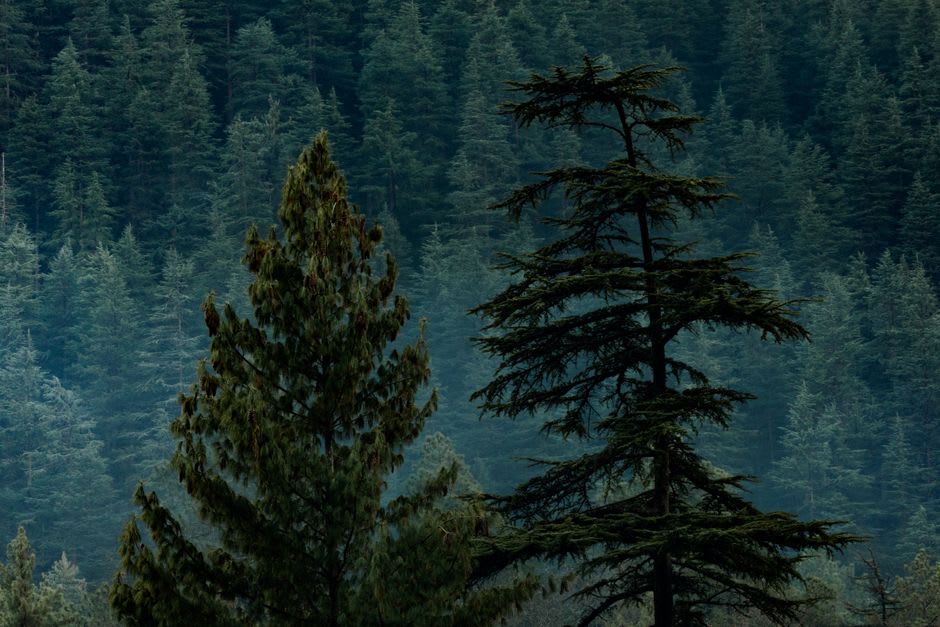
The real reason people come to Barot, though, is the trek to Kothi — about 13 kilometers through deodar and pine forest, following the river most of the way. We did it as a long day hike rather than camping, and I’m still thinking about the light coming down through the deodars in long, dusty shafts around midday. Barot sits right against the Nargu Wildlife Sanctuary, and though we didn’t see the Himalayan monal pheasants or black bears the sanctuary is known for, we did spot goral picking their way along a rock face above the trail, which felt like enough of a gift.
There’s a stillness to Barot that’s hard to describe without sounding like I’m exaggerating. No real traffic, no crowds, just the sound of the Uhl River and the occasional creak of the powerhouse machinery carrying up the hillside at night. We ate trout for dinner both nights we stayed, caught that same day, and I don’t think I’ve had fish that fresh anywhere else in India.
When to go: Aim for March to June or September to November, when the mountain views open up and the trail to Kothi is at its most walkable — we went in October and had cool, clear mornings the whole way.