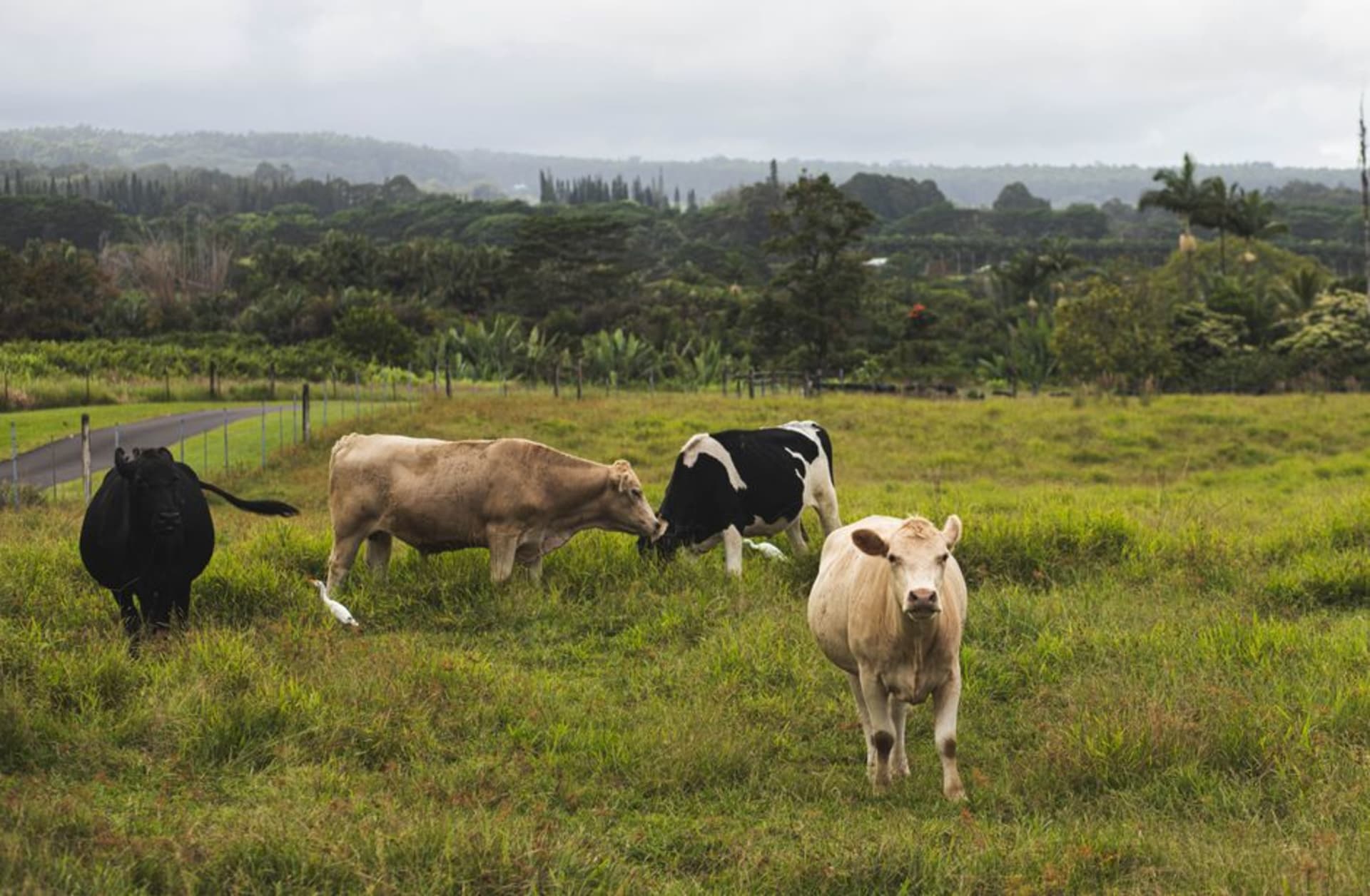
A working cattle ranch and vineyard on Haleakala's high southern slopes, where Maui trades beaches for paniolo culture and estate-grown wine.

Past Kula, the Upcountry road keeps climbing and the crowds thin to almost nothing, and somewhere around the 30-kilometer mark you arrive at Ulupalakua Ranch — a working cattle operation that’s been running since the 1840s, sprawled across Haleakalā’s southern flank with views that stretch clean down to the ocean on both sides of the island. We had come for the winery. We stayed for everything else.
Paniolo Country
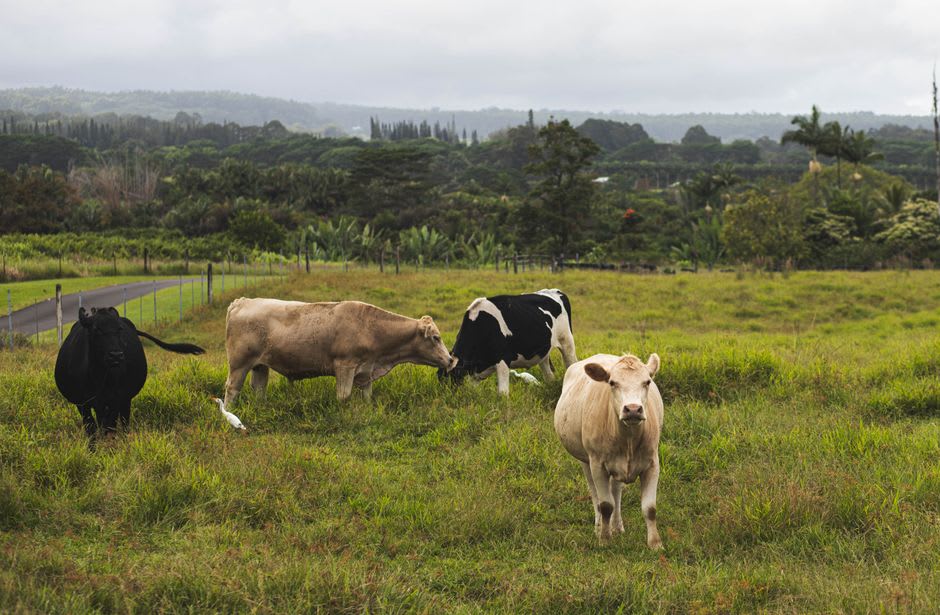
Hawai’i had cowboys — paniolo — before the American West did, brought over from Mexico and California in the early 1800s to manage cattle that Captain George Vancouver had gifted to King Kamehameha and that had, left alone, multiplied into a genuine problem. Ulupalakua Ranch is one of the working descendants of that history, and driving through it, watching actual cattle graze actual pasture against a backdrop of volcanic slope and distant ocean, felt like nothing else on Maui — no other stretch of the island looks remotely like this.
The general store at the ranch’s center, a plantation-era building with a wide covered porch, sells a venison chili made from the ranch’s own axis deer — an invasive species the ranch actively culls and turns into some of the best chili I’ve had anywhere, which felt like a genuinely satisfying way for a conservation problem to end up on a plate.
Wine on a Volcano
MauiWine, the estate winery on the property, occupies King Kalakaua’s former summer cottage and has been producing wine from pineapple and, more recently, actual wine grapes grown on these slopes since the 1970s. Lia, who takes wine more seriously than I do, was skeptical walking in and came out having bought a bottle of their sparkling pineapple wine along with a more conventional syrah, both of which she pronounced “genuinely better than I expected them to be,” which from her is a real compliment.
We sat on the lawn outside the tasting room with our glasses, the ranch’s peacocks wandering the grounds with the same proprietary confidence we’d find at the botanical garden down the hill, and watched the light shift over the whole southern coastline laid out below us.
When to go: Year-round, though clearest views come in the drier months (April to September). Late morning avoids both the coolest hours and the afternoon cloud that often builds over the ranch by mid-afternoon.
Keep exploring
More from Hawai'i
 hawaii
 Waianae Coast
Oahu's leeward edge, where the tourist infrastructure runs out entirely and the island's driest, least performed-for side begins.
Explore hawaii
 Wai'anapanapa State Park
A black-sand beach, freshwater lava caves, and a coastal blowhole along the Hana Highway, protected enough now to require a permit and quiet enough to reward the wait.
Explore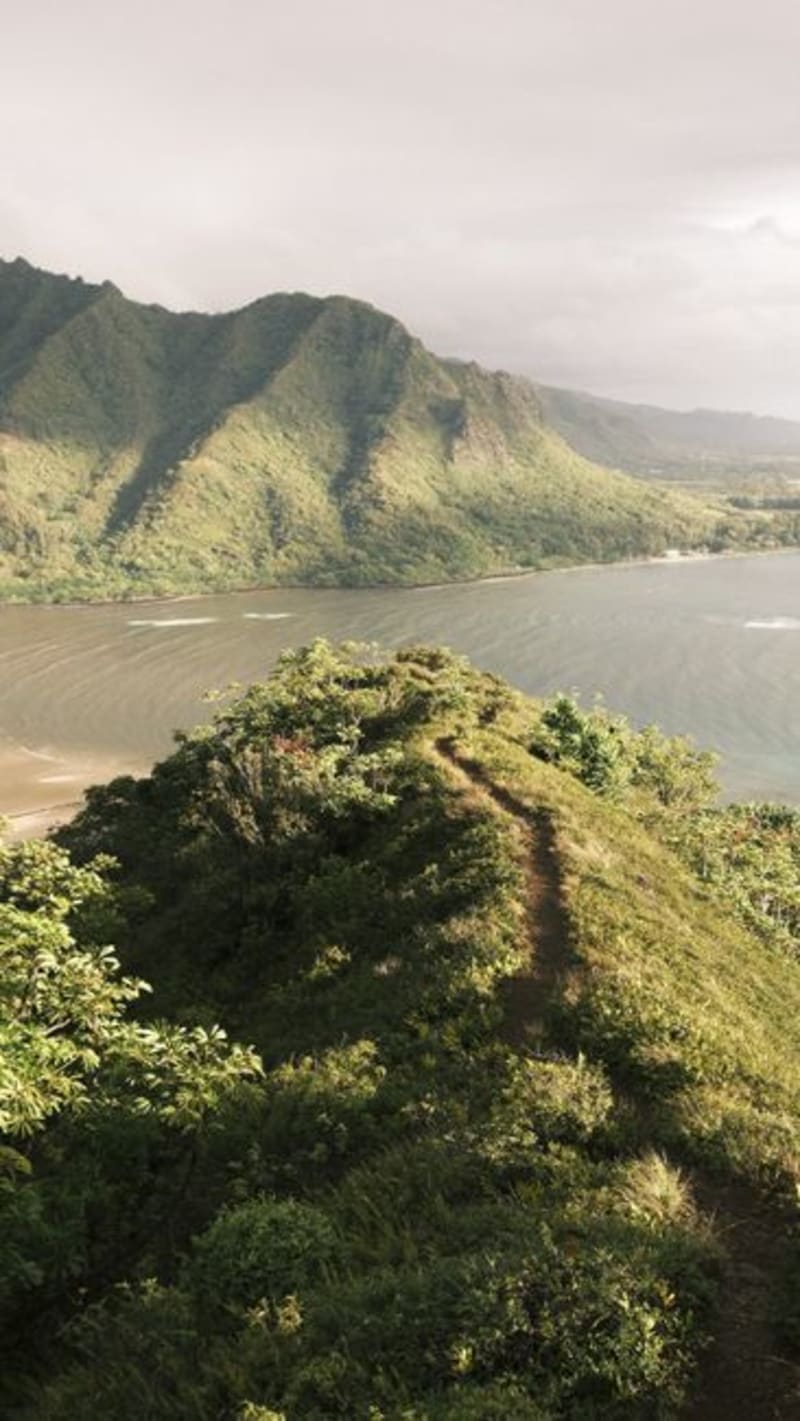 hawaii
 Waihe'e Ridge Trail
A steep 4.5-mile ridgeline hike above West Maui's rainforest, climbing to views of the island's oldest and least-visited mountains.
Explore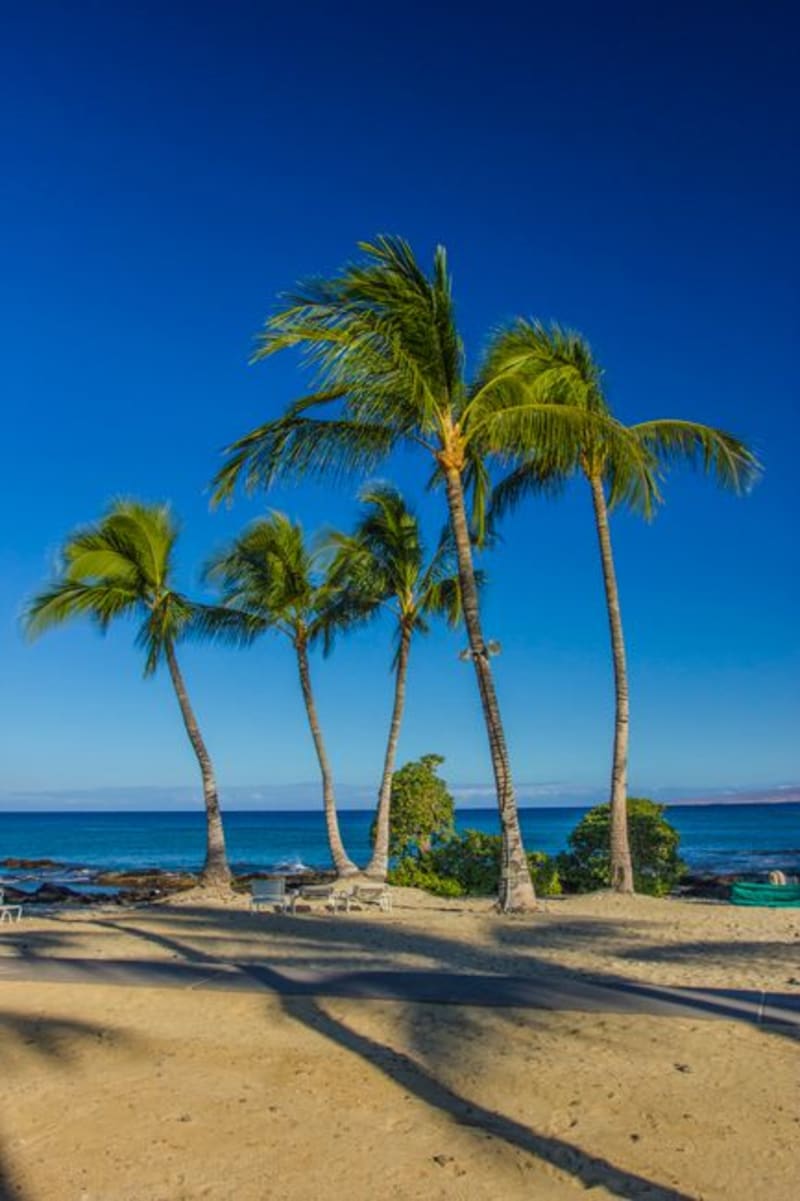 hawaii
 Waikoloa
A planned resort village on the dry Kohala Coast, built around petroglyph fields, tide pools, and a boat-served swim-up bar.
Explore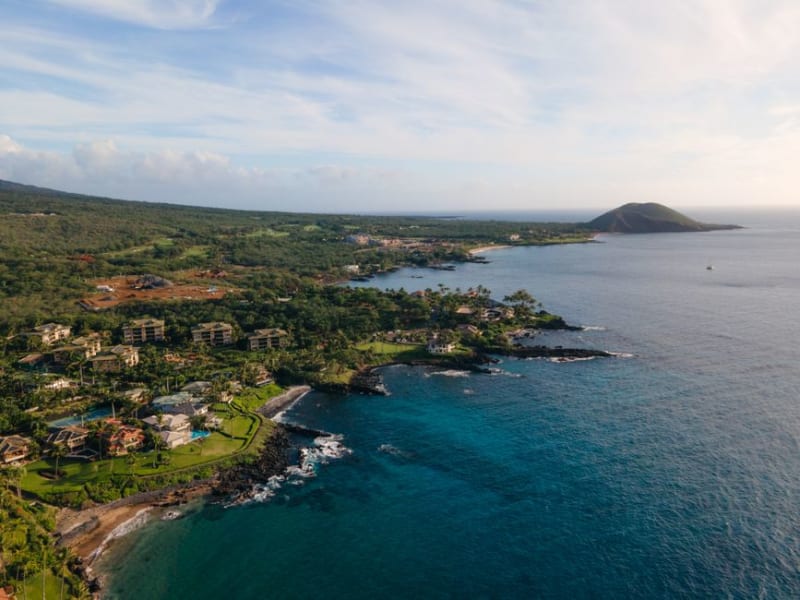 hawaii
 Wailea Beach Path
A 1.5-mile paved coastal walk linking five crescent beaches along Maui's manicured south shore, past sea turtles, tide pools, and some of the island's most polished resorts.
Explore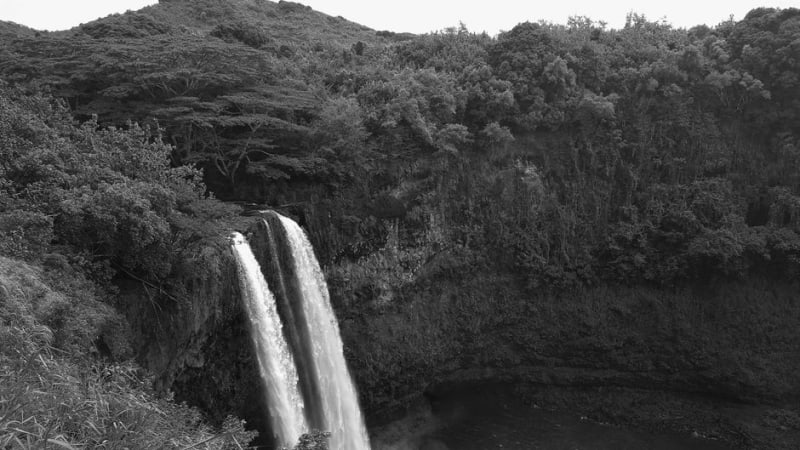 hawaii
 Wailua Falls
An 80-foot twin waterfall you can see from the parking lot, made famous by a 1970s TV intro and worth the stop regardless.
Explore