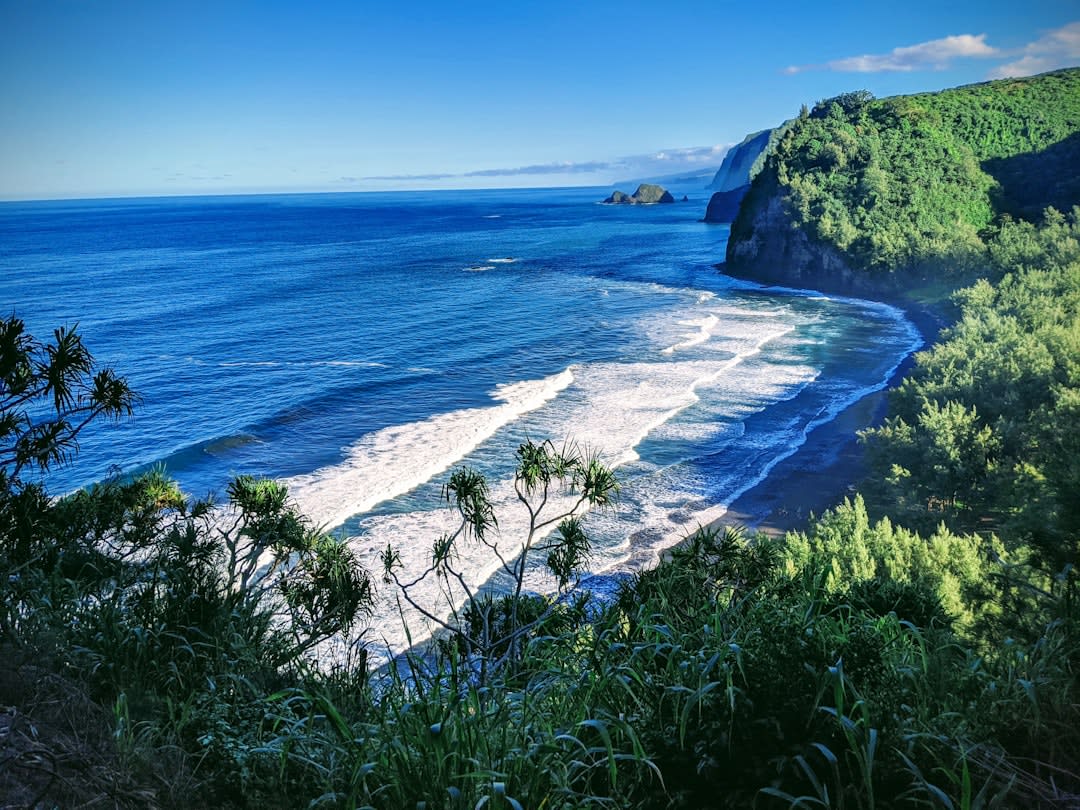
The dramatic end of the Kohala coastal road — a switchback trail down to a black sand beach ringed by sea cliffs.
Highway 270 ends at Pololu Valley the way a sentence ends with the right last word — abruptly, and exactly where it should. I had driven the whole Kohala Mountain Road that morning, through pasture land and eucalyptus groves that felt more like New Zealand than Hawai’i, and arrived at the overlook without quite expecting the view that opened up: a chain of fluted green cliffs marching north along the coast, each one drowning into the next in blue haze, with a black sand beach directly below looking impossibly small.
The Switchback Down
The trail drops about four hundred feet in less than half a mile, red dirt turning to loose gravel turning to a final scramble over roots, and it is steeper than the parking-lot signage suggests. I slipped once on the way down and Lia did not let me forget it for the rest of the trip. At the bottom, the beach is black sand mixed with smooth basalt cobbles, backed by ironwood trees that filter the wind into a constant low hiss. Swimming is genuinely dangerous here — strong currents and no lifeguard — so I stuck to wading at the ankle and watching a pair of local kids who clearly knew the water better than any visitor ever would.
Valleys Beyond Valleys
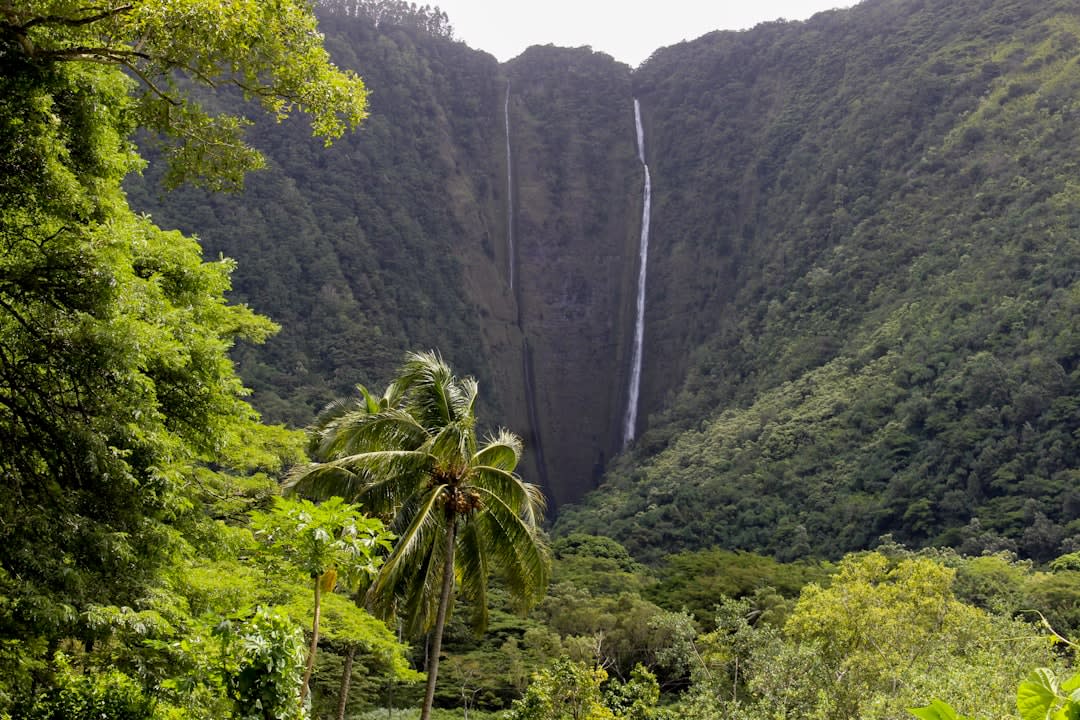
Pololu is the last of seven valleys carved into the windward flank of the Kohala volcano, the oldest on the island. The others — Honokane Nui, Waimanu, Waipi’o at the far southern end — are visible only by hiking a rugged, largely unmaintained coastal trail that locals still use but that most visitors should not attempt without real preparation. I stood at a viewpoint partway along that trail, looking north into Honokane Nui, and felt the particular vertigo of realizing a landscape is bigger and wilder than the parking lot suggested.
Kapa’au and the Kamehameha Statue
On the drive out, stop in the tiny town of Kapa’au, where the original statue of King Kamehameha I — not the more famous replica in Honolulu — stands in front of the old courthouse. It is a modest, slightly worn monument in a town of maybe a few hundred people, and I found it more affecting than its glossier Honolulu counterpart precisely because nobody was performing anything for tourists there.
When to go: Morning is best, both for cooler hiking temperatures and for light on the cliffs. Avoid the trail after heavy rain, when the switchback turns to mud. The overlook alone, without the hike, is worth the drive on its own.
Keep exploring
More from Hawai'i
 hawaii
 Princeville
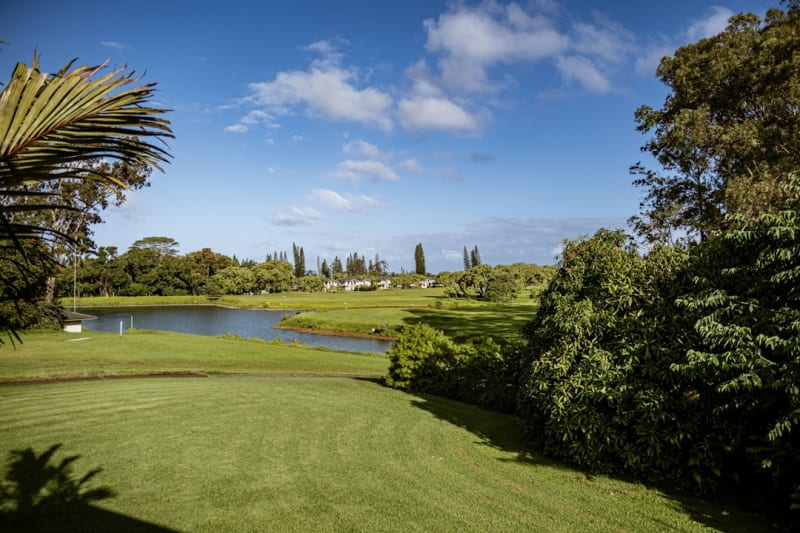
A clifftop resort community on Kaua'i's North Shore, with the island's best golf-course ocean views and a lighthouse walk that outshines the fairways.
Explore hawaii
 Naalehu and Punaluu Bakeshop
The southernmost town in the United States, and the bakery whose sweet Portuguese bread has fueled Big Island road trips for generations.
Explore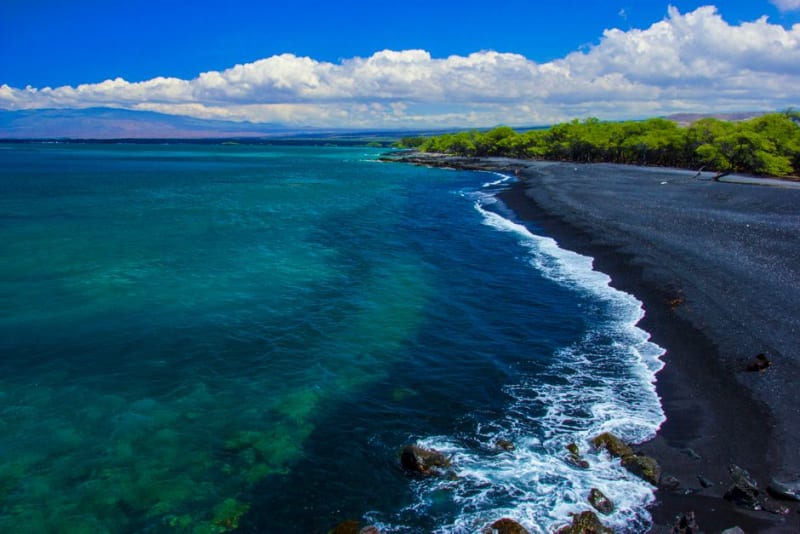 hawaii
 Punalu'u Black Sand Beach
Volcanic glass ground into sand over centuries, coconut palms leaning toward the surf, and green sea turtles that haul out to nap in the open.
Explore hawaii
 Purdy's Macadamia Nut Farm
A family-run grove on Molokai's upcountry where a hundred-year-old tree still produces, and the tour is really just a guy cracking nuts and telling stories.
Explore hawaii
 Pu'uhonua o Honaunau
A sacred place of refuge on the Kona Coast where ancient law once meant the difference between execution and forgiveness.
Explore hawaii
 Rainbow Falls
A single eighty-foot waterfall on the edge of Hilo, best seen with the morning sun still low enough to throw a rainbow.
Explore