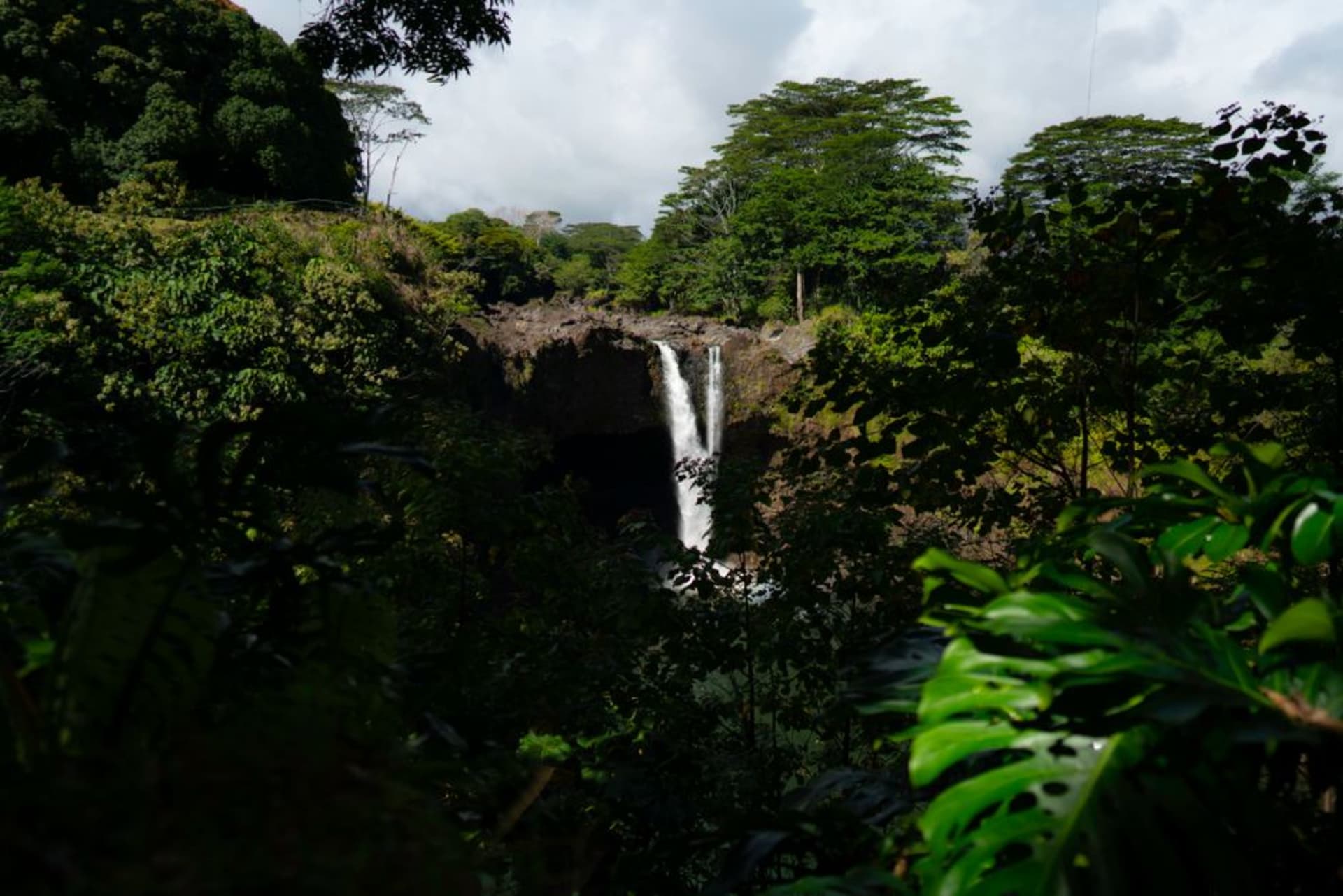
A single eighty-foot waterfall on the edge of Hilo, best seen with the morning sun still low enough to throw a rainbow.

Rainbow Falls sits so close to downtown Hilo that I almost dismissed it as a drive-by tourist stop — the kind of place with a parking lot right at the viewpoint and a bus schedule to match. It is that. It is also genuinely beautiful, and the reason it works on postcards is the same reason it worked on me standing there at eight in the morning: under the right light, actual rainbows form in the mist at the base, hanging over the pool like something staged for a camera crew that never showed up.
Timing the Light
The falls drop about eighty feet over a natural lava rock ledge into the Wailuku River, and the rainbow effect depends entirely on the sun angle — mornings work best, ideally before ten, with clear skies overhead but enough humidity in the mist to catch the light. I got lucky on my second attempt, having missed it the first morning under cloud cover. When it appeared, faint but unmistakable, arcing low over the plunge pool, I understood why Hawaiians named the cave behind the falls after Hina, the moon goddess said to live there — the whole scene has a slightly otherworldly quality even before the color shows up.
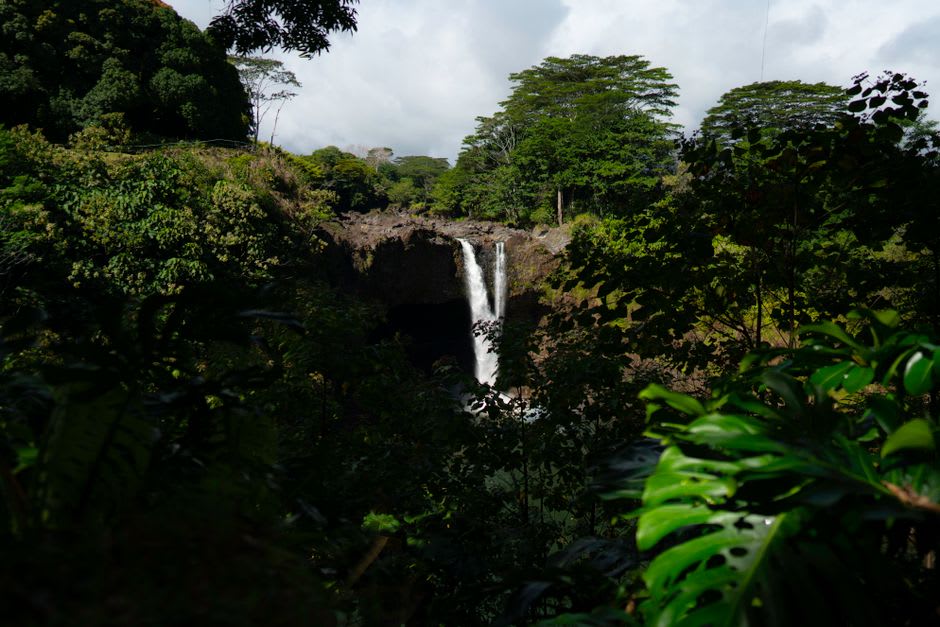
The Banyan Roots
What the postcards leave out is the massive banyan tree growing at the edge of the overlook, its roots cascading down the cliff face in thick woody ropes that look almost like a second waterfall frozen mid-fall. I spent longer looking at the roots than at the falls themselves on my second visit, tracing individual strands down toward the water. A local guide told me the cave behind the falls is considered the mythological home of Hina, and that swimming in the pool below was traditionally treated with real respect rather than casual recreation — which changed how I looked at the tourists wading in below.
Combine It With Boiling Pots
A five-minute drive upstream leads to Pe’epe’e Falls and the Boiling Pots, a series of circular pools along the Wailuku River that churn and bubble during high water, named for the way the current froths against volcanic rock formations. It’s a quieter, less-photographed companion stop, and I found it worth the short detour precisely because we had it almost entirely to ourselves.
When to go: Morning, ideally before 10am, on a clear day for the best chance at the rainbow effect. The falls run fuller and more dramatic after recent rain, which on the Hilo side is most of the time.
Keep exploring
More from Hawai'i
 hawaii
 Salt Pond Beach Park
A sheltered, family-friendly cove on Kauai's sunny south shore where Hawaiians still harvest sea salt in shallow clay pans by hand.
Explore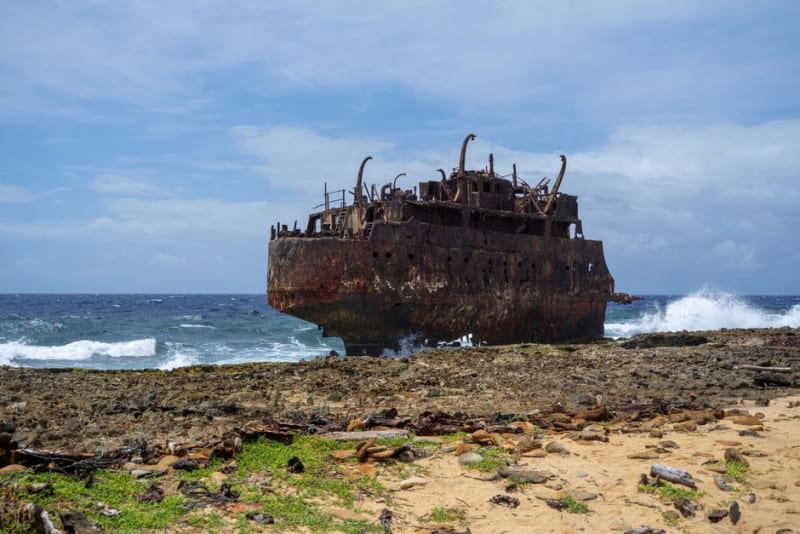 hawaii
 Shipwreck Beach
A wind-scoured stretch of Lanai's north shore where a rusting World War II tanker still sits offshore, and the shoreline is one long open-air museum of debris and driftwood.
Explore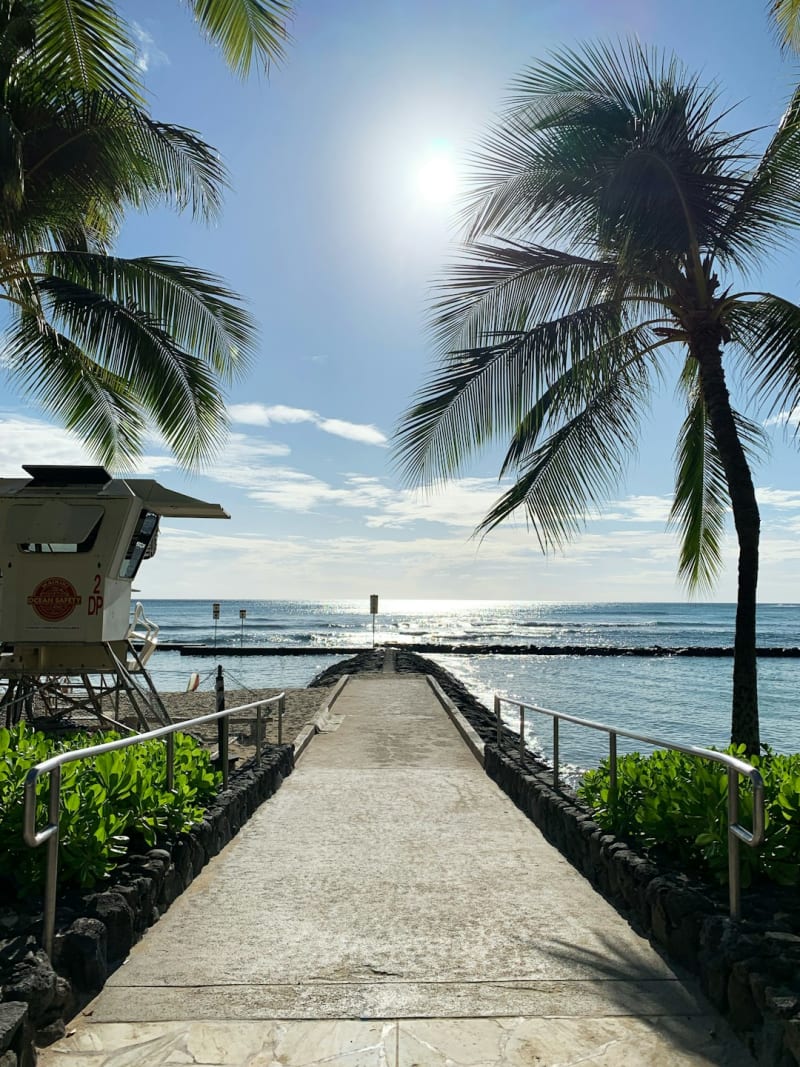 hawaii
 South Point
The southernmost point in the United States — wind-scoured cliffs, cliff-jumping fishermen, and a trail to a green sand beach found almost nowhere else on Earth.
Explore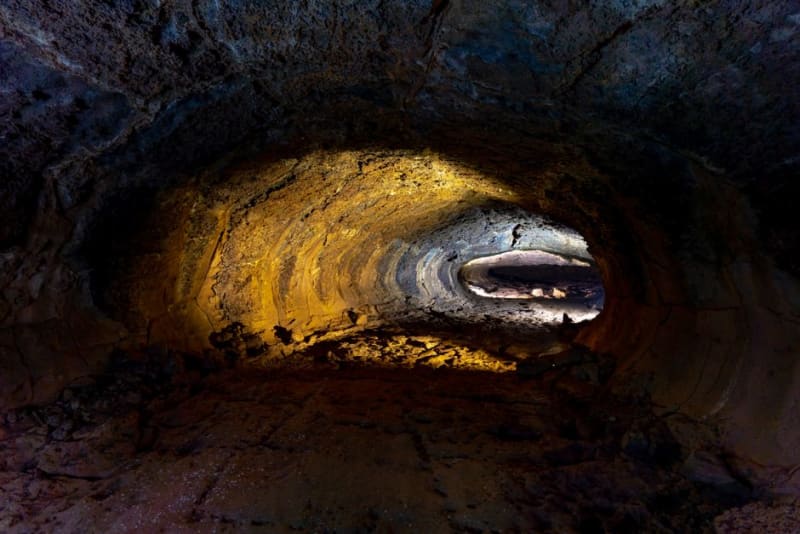 hawaii
 Thurston Lava Tube
A walk-through tunnel carved by molten rock centuries ago, framed by one of the lushest fern forests on the Big Island.
Explore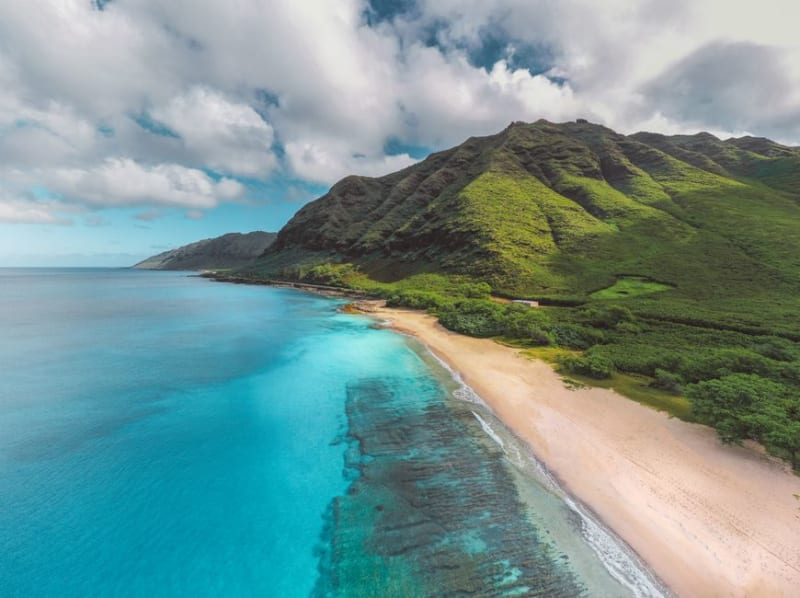 hawaii
 Tunnels Beach
A crescent reef at the foot of the Nā Pali cliffs where lava tubes riddle the coral and Mount Makana rises straight out of the sand.
Explore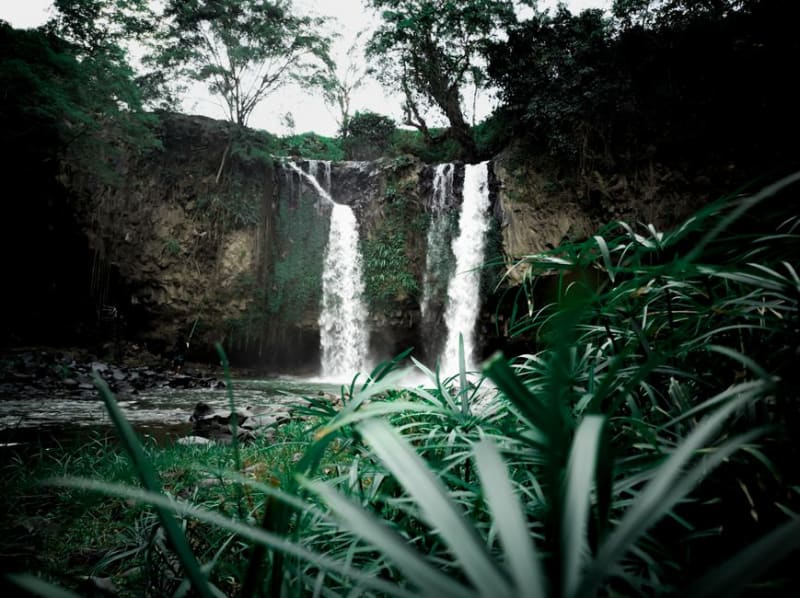 hawaii
 Twin Falls
The first real waterfall stop on the Road to Hana, a family-run fruit stand and a network of swimmable pools that reward an early start.
Explore