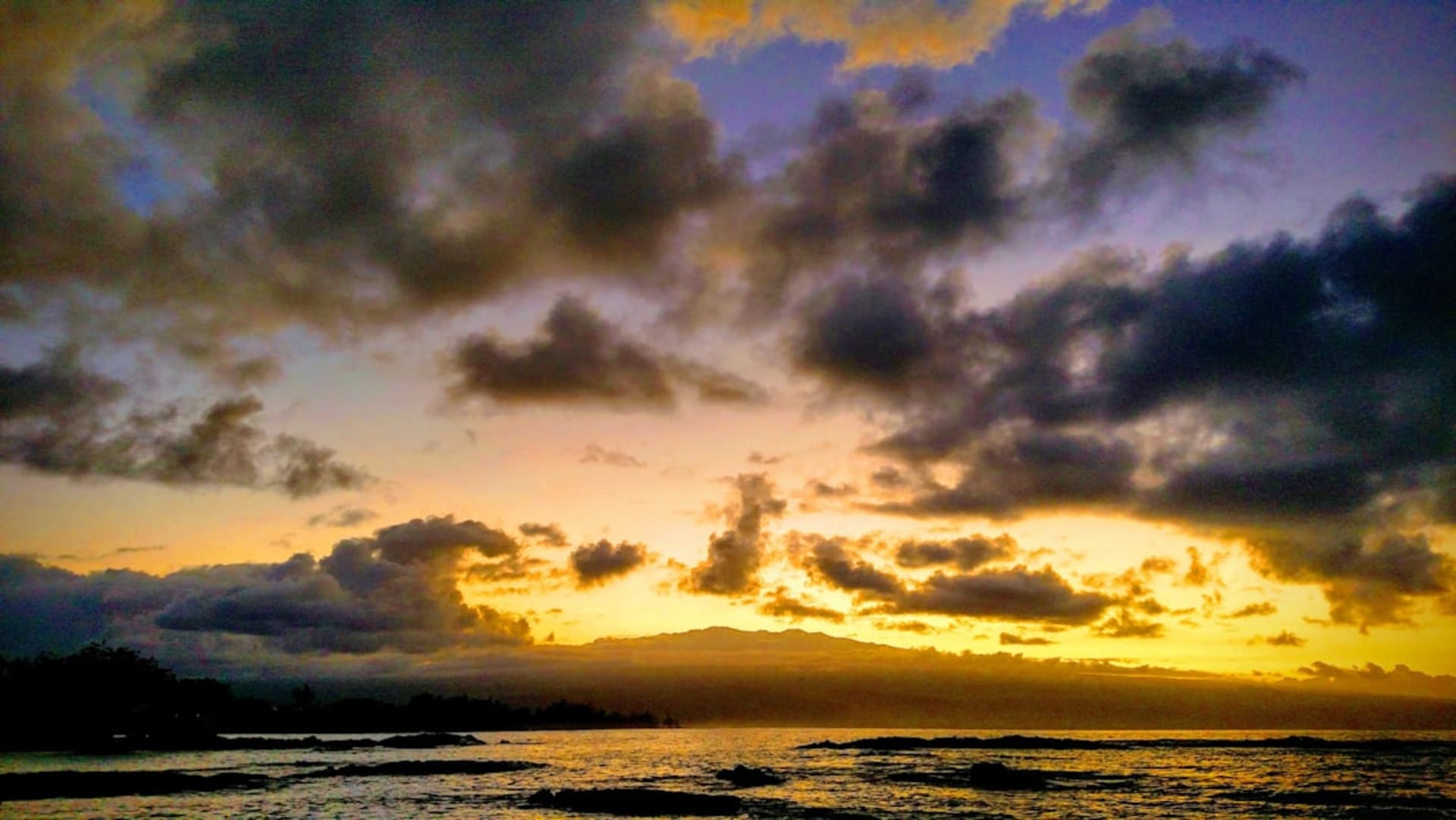
The tallest mountain on Earth measured from its true base, with a summit above the clouds and some of the clearest night skies left on the planet.
Nobody warned us properly about the cold. We left our Kona hotel in shorts because it was thirty-two degrees at sea level, and ninety minutes later we were standing at 4,207 meters in a wind that cut straight through the thin jackets we’d packed as an afterthought, watching our breath turn visible for the first time in Hawai’i. Mauna Kea does that to you — it refuses to be reconciled with the beach you left that morning.
A Mountain Taller Than Everest
Measured from its base on the ocean floor to its summit, Mauna Kea is over ten thousand meters tall — taller than Everest, just mostly submerged. What rises above sea level is still enough: a dormant shield volcano capped, most winters, with actual snow, its upper slopes bare red and black cinder that looks more like Mars than anything I associate with a tropical island. The road climbs through cloud forest, then scrubland, then nothing at all, and a 4WD vehicle is mandatory past the visitor station — rental sedans are turned back, and we watched one couple argue with a ranger about it for a good ten minutes.
Sunset Above the Clouds
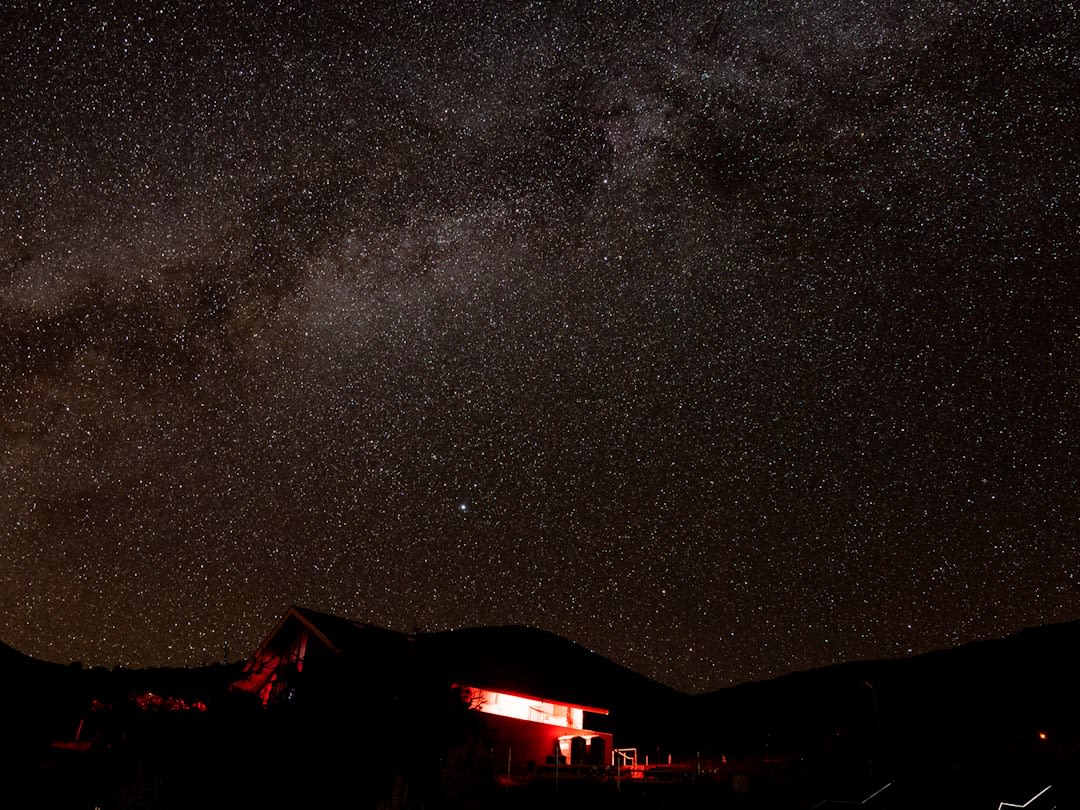
We stopped at the Onizuka Visitor Center at 2,800 meters for an hour to acclimatize — altitude sickness is a real risk if you drive straight to the top — and watched the sun drop toward a cloud layer that sat, improbably, below us the whole time. By the time we continued up to the summit, the light had gone gold and then pink across a dozen white observatory domes, remnants of the international array that has made this one of the most important astronomical sites on Earth. Standing at the crater rim with the wind screaming and the whole cloud deck glowing underneath us, Lia said it was the first time Hawai’i had felt genuinely otherworldly rather than just beautiful. I agreed completely.
The Stars Afterward
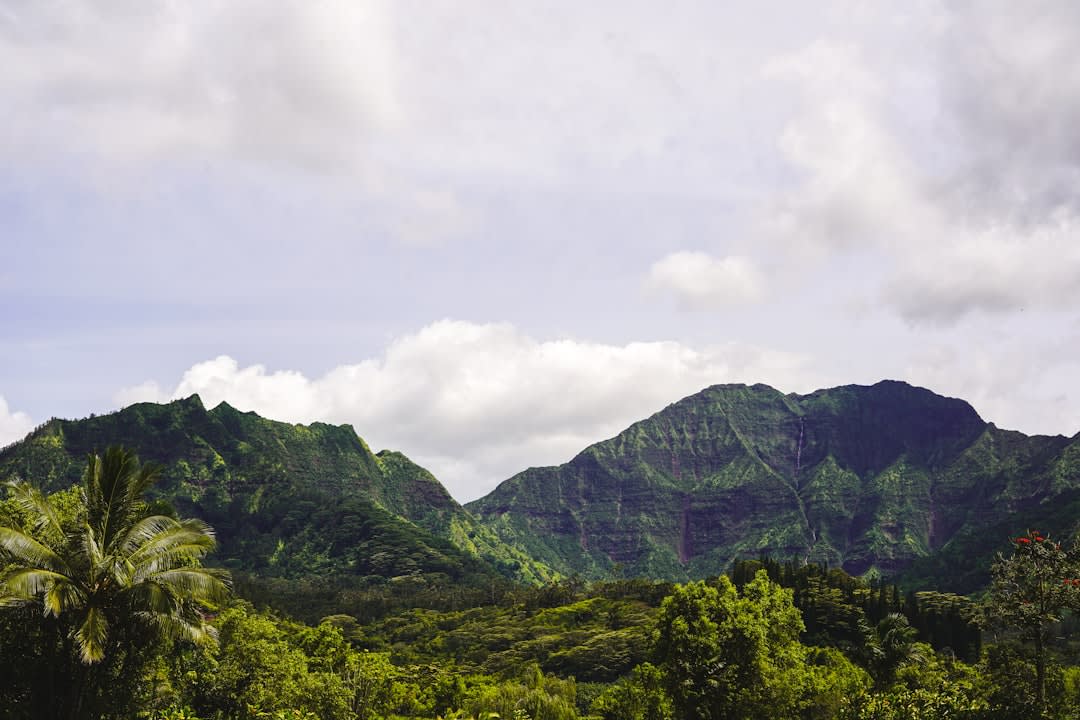
We drove back down to the visitor center for the evening stargazing program, where volunteers set up a bank of telescopes and pointed out Saturn’s rings so crisply defined it looked fake, plus a smear of the Milky Way overhead that neither of us had seen with that much clarity since a desert night in Baja. The summit itself is considered sacred ground by Native Hawaiians (it’s the piko, or umbilical cord, connecting the islands to the heavens), and cultural protocols ask visitors to stay on marked paths and keep the mood respectful rather than purely recreational — worth knowing before you go.
When to go: Year-round for stargazing, though winter occasionally closes the summit road for snow and ice. Go for sunset, allow the mandatory acclimatization stop, and bring far warmer layers than Hawai’i logic tells you to pack — expect freezing temperatures and high wind regardless of season.