Pacific
Hawai'i
"The most geologically dramatic place I have ever stood."
Hawai’i suffers from its own success. The resort version — Waikiki towers, luau buffets, helicopter tours — has so thoroughly colonized the popular imagination that most people arrive without any sense of what the islands actually are. What they are is extraordinary: the most isolated landmass on earth, born from volcanic hotspots on the ocean floor, home to ecosystems that exist nowhere else, shaped by a Polynesian culture that navigated thousands of miles of open ocean by reading stars and swells. The beach holiday is fine. The real Hawai’i is something far more interesting.
Each island is a different country. O’ahu has Honolulu, the North Shore’s winter surf, and the Windward Coast where the Ko’olau mountains drop into the sea in vertical green walls that look like the opening scene of a film about paradise. Maui has Haleakalā, a shield volcano whose summit sits above the clouds at three thousand meters — you drive up in the dark, watch the sunrise paint the crater in reds and golds, and understand why the Hawaiians considered it sacred. The Big Island has active lava, snow-capped Mauna Kea, black sand beaches, and the Hamakua Coast’s waterfalls. Kaua’i has the Nā Pali Coast, which is simply one of the most beautiful stretches of coastline on the planet — accessible only by boat, helicopter, or an eleven-mile trail along cliffs that fall a thousand feet into the Pacific.
The food has evolved far beyond the plate lunch stereotype, though a good plate lunch — kalua pork, macaroni salad, rice, eaten from a styrofoam container at a roadside stand — remains one of the great comfort meals. Modern Hawaiian cuisine draws on Japanese, Filipino, Portuguese, and Native Hawaiian traditions in combinations that nobody else has thought to try. Poke bowls at a gas station counter in Kailua-Kona. Malasadas from Leonard’s at 6am. A tasting menu at a farm-to-table restaurant in Wailea that sources everything from within twenty miles. The range is immense.
When to go: Year-round, but April to June and September to November avoid both peak tourist seasons and offer the best balance of weather and value. Winter (November to February) brings the biggest waves to the north shores and whale watching season. Summer is calmest for ocean activities.
What most guides get wrong: They treat Hawai’i as a single destination. It is not. Each island demands its own trip. Trying to island-hop through three or four in a week is the surest way to see nothing well. Pick one or two islands, stay longer, go deeper. Drive the back roads. Hike the trails that are not in the guidebook. The Hawai’i that exists beyond the resort fence line is the one worth the flight.
Explore
Places in Hawai'i
Big Island
Active lava, snow-capped summits, black sand beaches, and eleven climate zones on a single island.
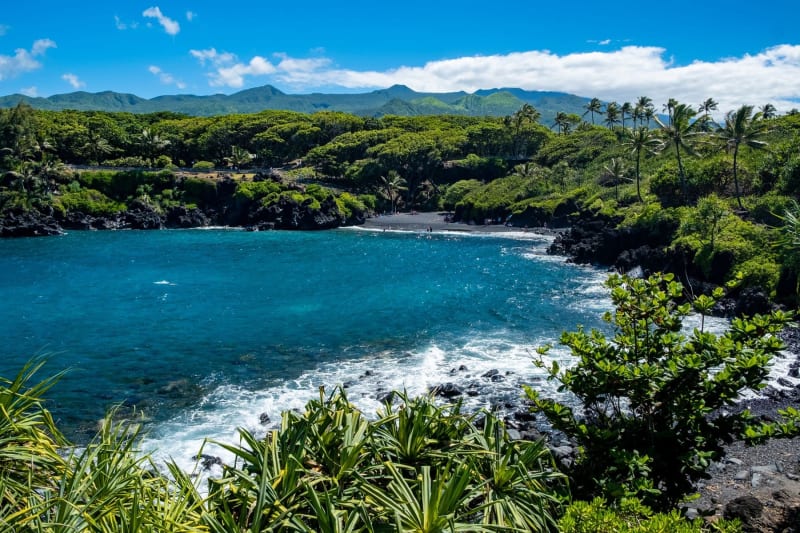
Hana Coast
Maui's legendary winding road past 617 curves, 59 bridges, and waterfalls pouring into black-sand pools.
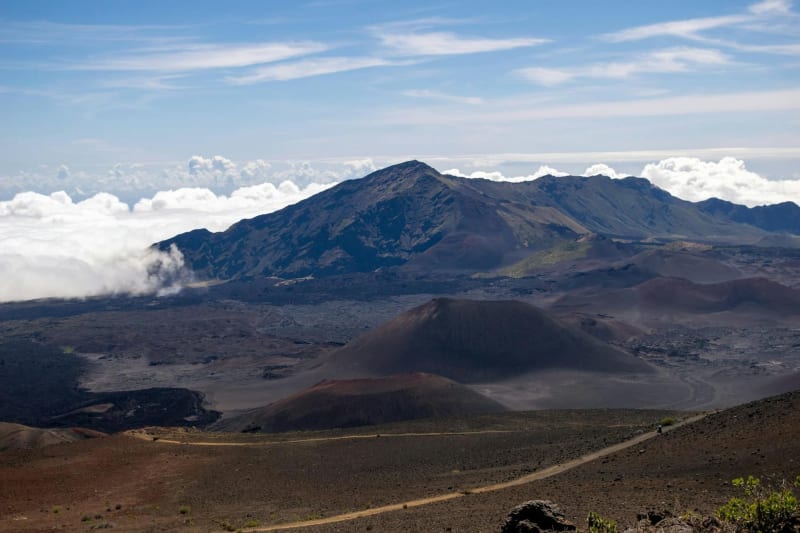
Hawaii Volcanoes
Where Kilauea's lava flows into the ocean in clouds of steam — the only place to watch an island being built.
Kaua'i
The Garden Isle — Nā Pali cliffs, Waimea Canyon, and the oldest, greenest, most cinematic island in Hawai'i.
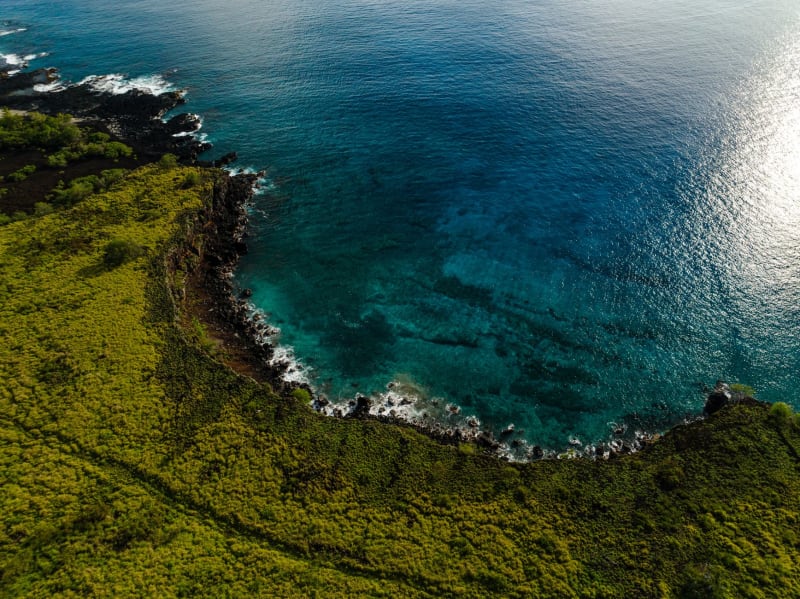
Lanai
A former pineapple plantation turned private-feeling escape where red dirt roads end at boulders that look carved by a god with too much time.
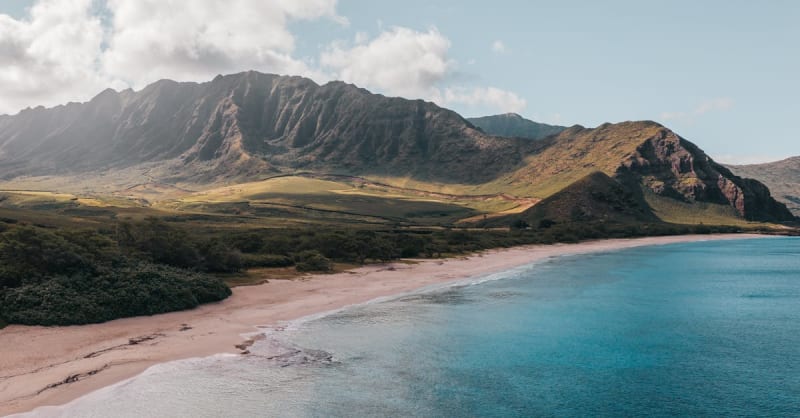
Maui
Haleakalā's sunrise, the Road to Hana, and a balance of adventure and comfort that makes it the most versatile Hawaiian island.
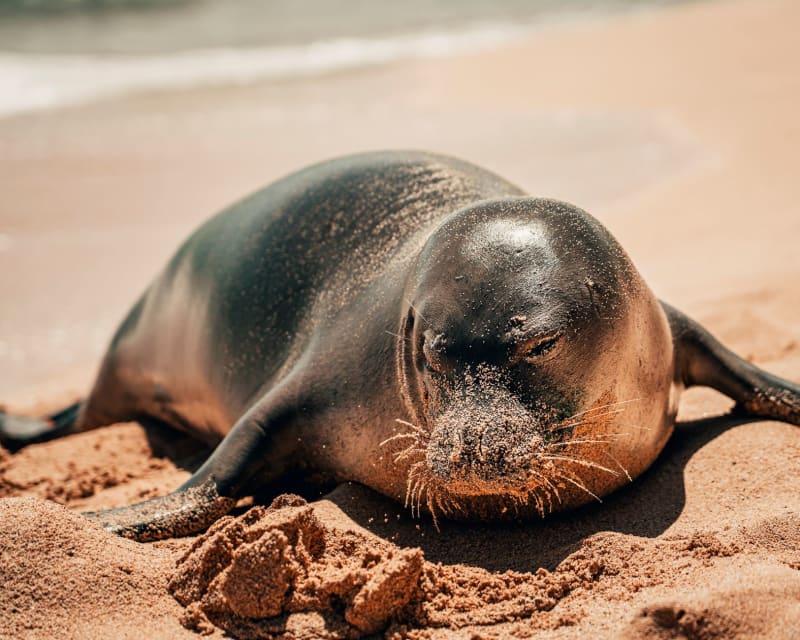
Molokai
The island that refused to become a resort, where the world's tallest sea cliffs drop into open ocean and the silence is deliberate, not accidental.

Na Pali Coast
Kauai's inaccessible cathedral cliffs — 4,000-foot sea walls draped in waterfalls and accessible only by sea or trail.
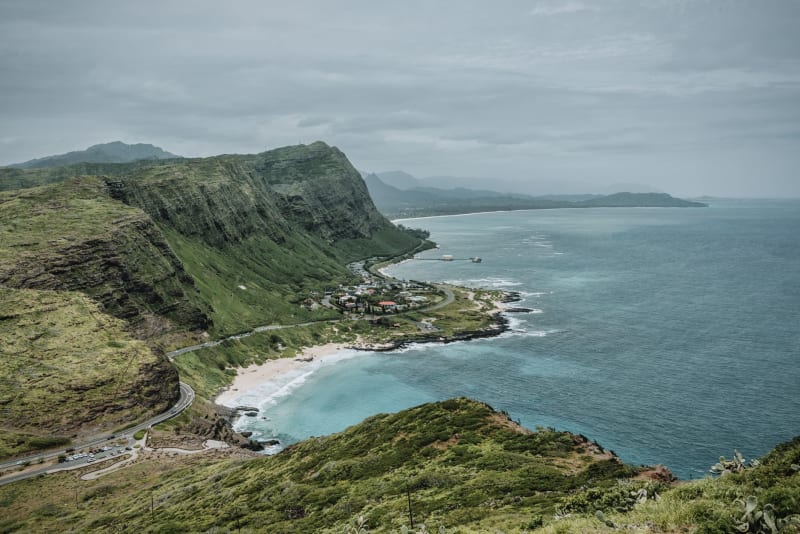
Oahu
The island that holds Honolulu's neon pulse and Diamond Head's volcanic silence within the same afternoon.
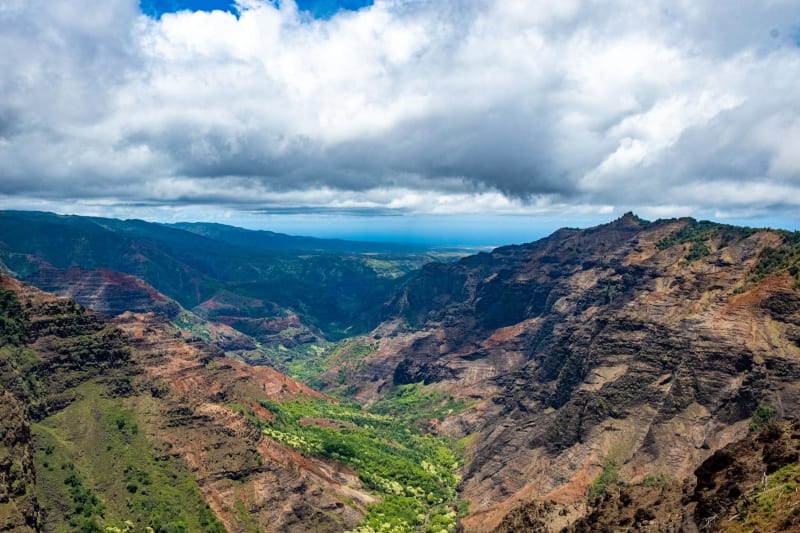
Waimea Canyon
The 'Grand Canyon of the Pacific' — a 3,600-foot-deep red-rock gorge carved by rain on a volcanic island.