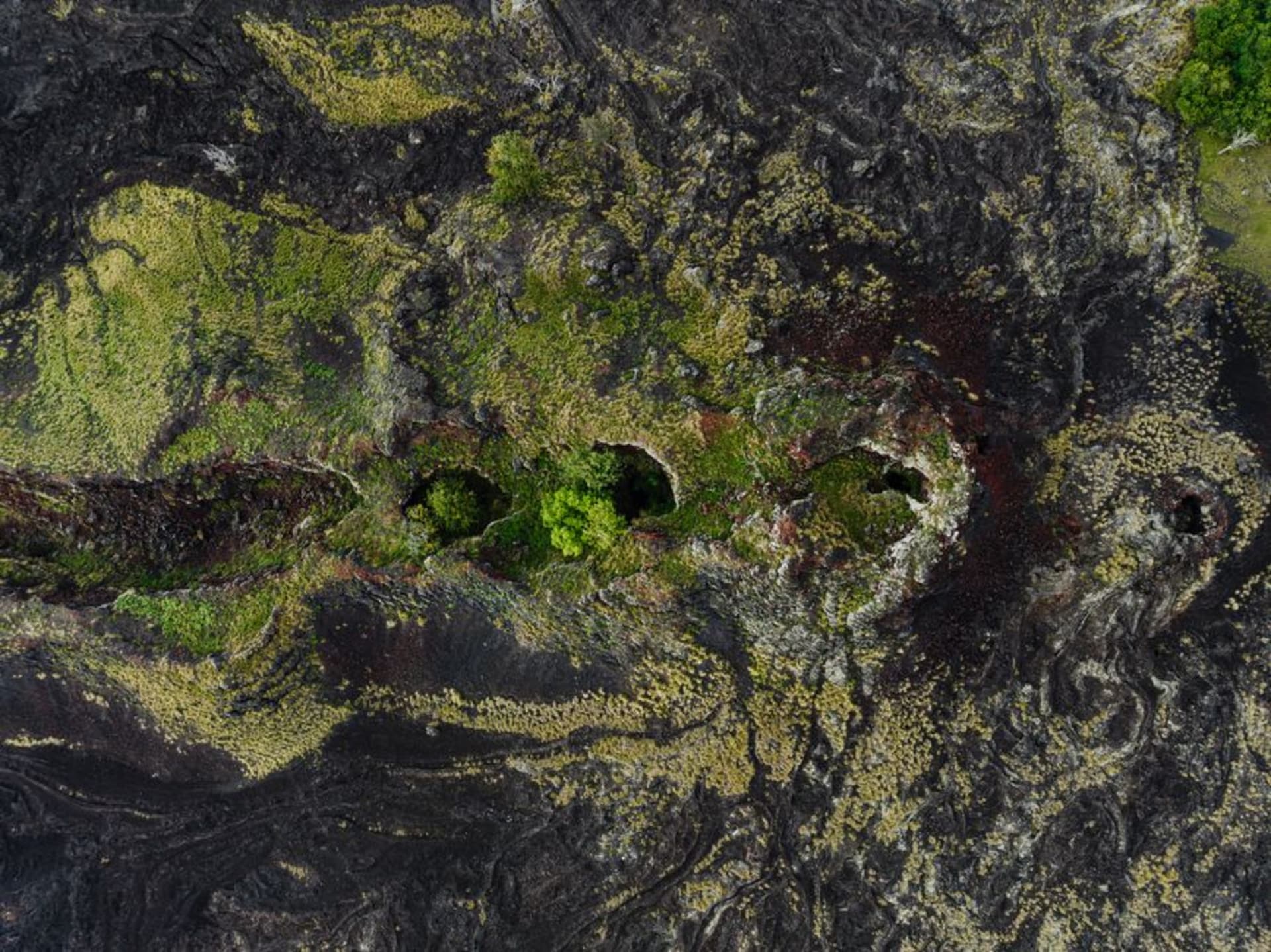
A shaded grove on the Big Island where 1790 lava flowed around an ohia forest and left behind eerie stone tree molds.
Most people driving the Big Island’s Puna district are headed to lava fields or black sand beaches, and Lava Tree State Park gets treated as a five-minute pull-off between the two. We gave it an hour and it earned every minute — a strange, quiet little forest that records, in stone, the exact moment it burned.
How a Tree Becomes a Mold
In 1790, a fast-moving lava flow swept through what was then a dense ohia forest here. The lava was fluid enough to pool around the base of each tree trunk, and hot enough that it began cooling and hardening against the bark before the tree itself burned away entirely — leaving behind a hollow stone cylinder, a perfect negative impression of a trunk that no longer exists. Walk the loop trail and you’re surrounded by dozens of these lava tree molds, some just knee-high, others rising ten or twelve feet, standing like an eerie stone congregation in the middle of a forest that has long since regrown around them.
A Forest That Grew Back Anyway
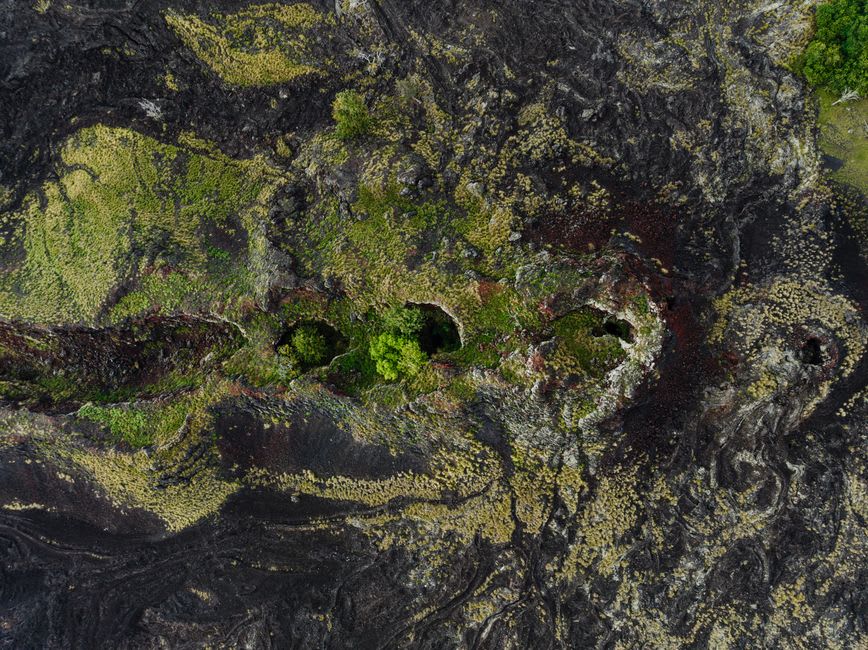
What struck me most wasn’t the geology — though it is genuinely strange to put your hand inside a two-hundred-year-old cast of a tree that burned to nothing — it was how completely alive the surrounding forest is now. Ohia trees with their red lehua blossoms canopy the whole loop, tree ferns crowd in at eye level, and the trail floor is a tangle of roots and moss. The destruction that made these molds possible happened two centuries ago, and the forest simply grew back around its own fossils, indifferent to them.
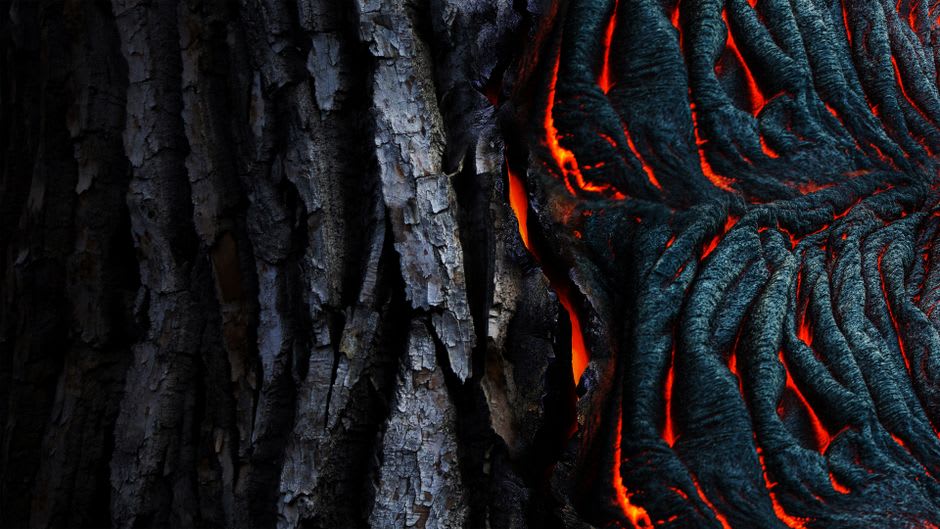
Lia found this more unsettling than I did — she kept comparing the molds to the plaster casts of Pompeii’s victims, and once she said it out loud I couldn’t unsee the resemblance. Same principle, entirely different scale and consequence, but the same basic idea: a fast, hot event capturing a shape that would otherwise have vanished.
An Easy, Underrated Stop
The full loop trail is under a mile, flat, and shaded almost the entire way, which makes it one of the more pleasant short walks on an island where most hikes involve either lava rock in full sun or serious elevation. Mosquitoes are aggressive here thanks to the standing water in some of the deeper cracks, so this is one of the few places on the Big Island I’d actually recommend repellent over sunscreen.
When to go: Any time of day works since the trail is fully shaded, making it a good midday break from sun-exposed lava fields elsewhere in Puna. Pair it with a visit to nearby Kapoho tide pools or the lava fields further down the coast for a full Puna day.
Keep exploring
More from Hawai'i
 hawaii
 Lydgate Beach Park
A rock-walled lava pool on Kaua'i's east side, built for exactly the kind of calm, safe swimming the rest of the island rarely offers.
Explore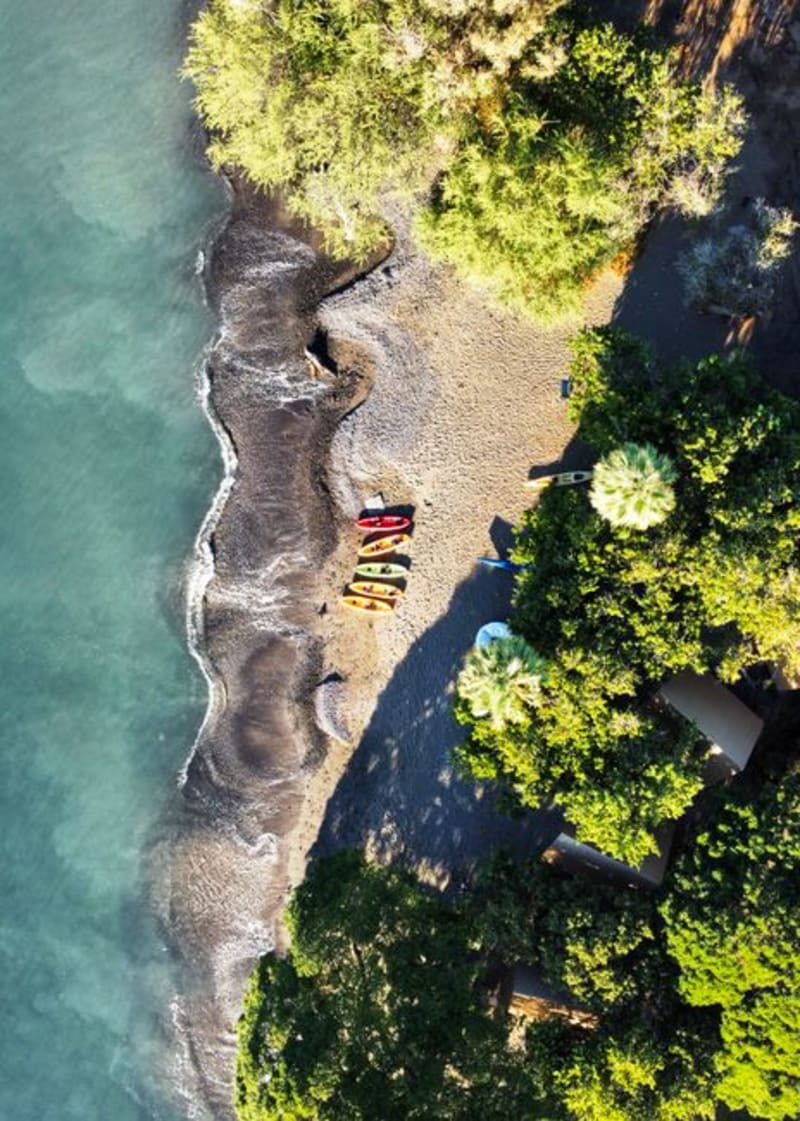 hawaii
 MacKenzie State Recreation Area
A wind-bent ironwood forest on a raw sea-cliff coastline, threaded by a forgotten section of the old King's Highway.
Explore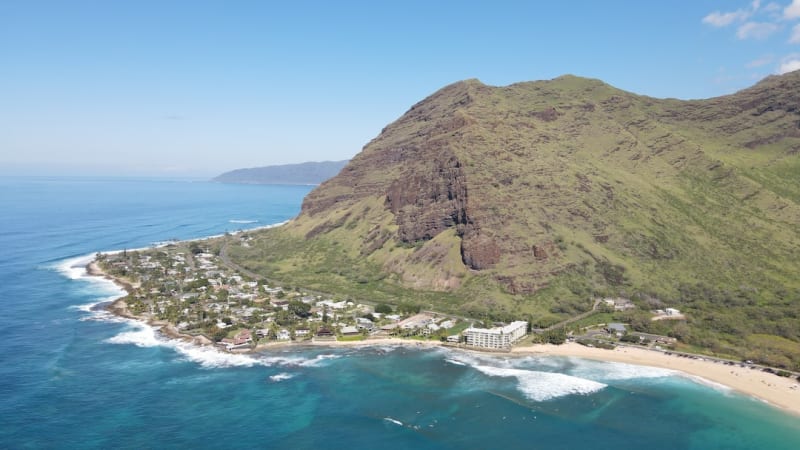 hawaii
 Makaha
A working-class surf town on Oahu's Waianae Coast where the waves are enormous, the beach is local, and the tourist buses genuinely never come.
Explore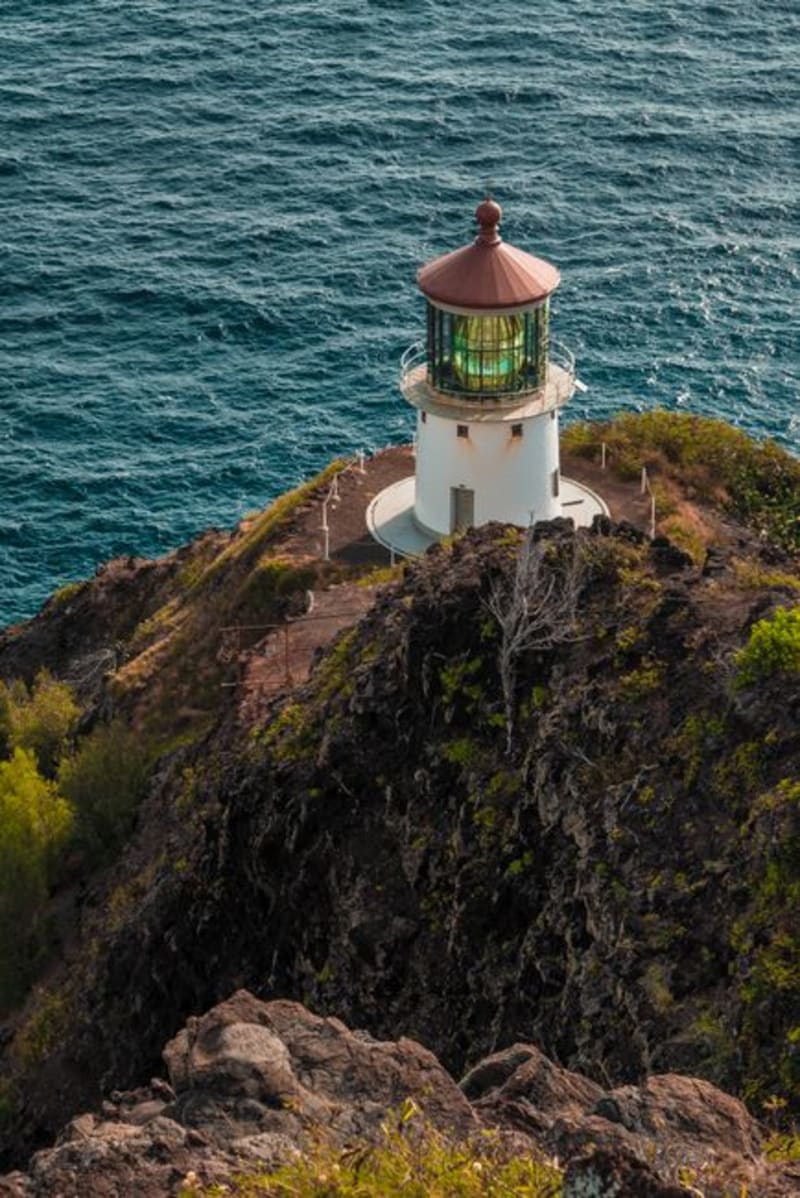 hawaii
 Makapu'u Point
Oahu's easternmost tip, where a paved lighthouse trail delivers whale-watching views and tide pools without a single step of technical hiking.
Explore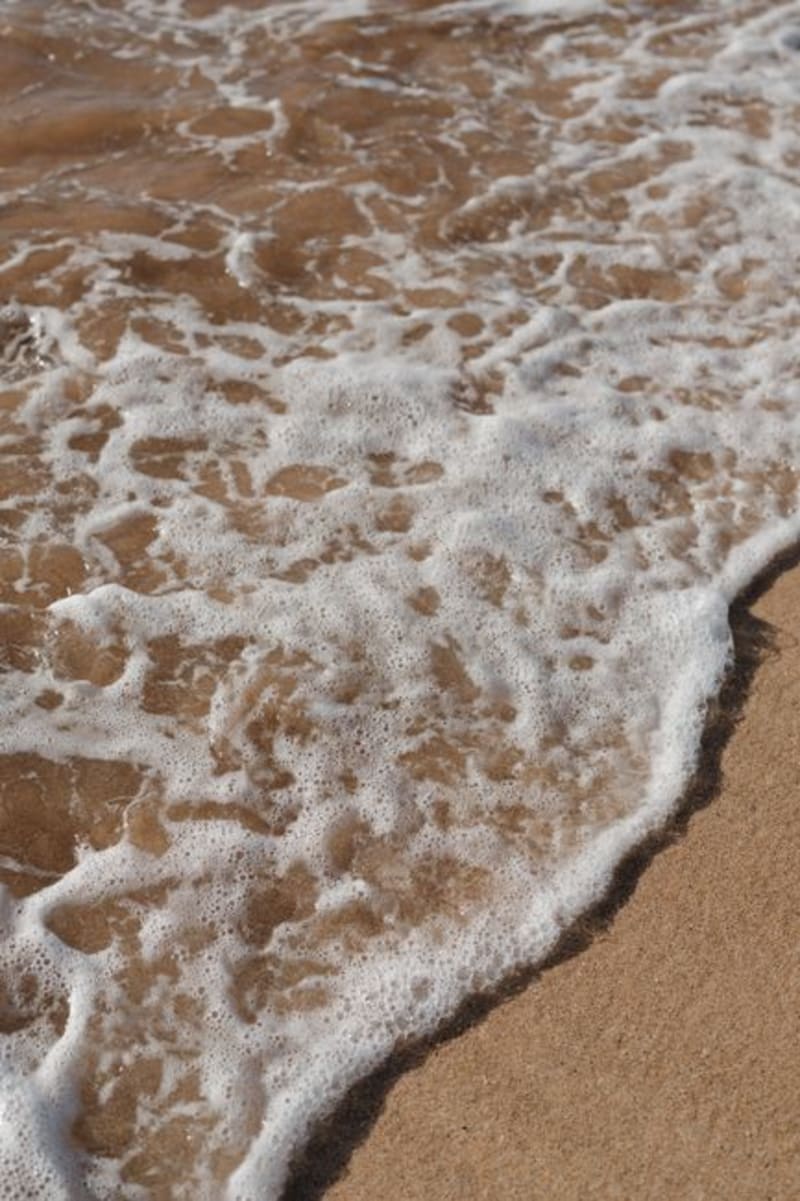 hawaii
 Makena
South Maui's wildest beach stretch — a mile of undeveloped golden sand, punishing shore break, and a coastline that resisted resort development.
Explore hawaii
 Manele Small Boat Harbor
The tiny harbor beside Hulopoe Bay on Lanai where the ferry from Maui docks, dolphins loiter at dawn, and the whole island's connection to the outside world funnels through one short pier.
Explore