Koke'e State Park
"Four thousand feet up, Kaua'i stops being a beach and starts being a forest."
The misty highland forest above Waimea Canyon — Kalalau Lookout, native birdsong, and a climate that feels like a different island.

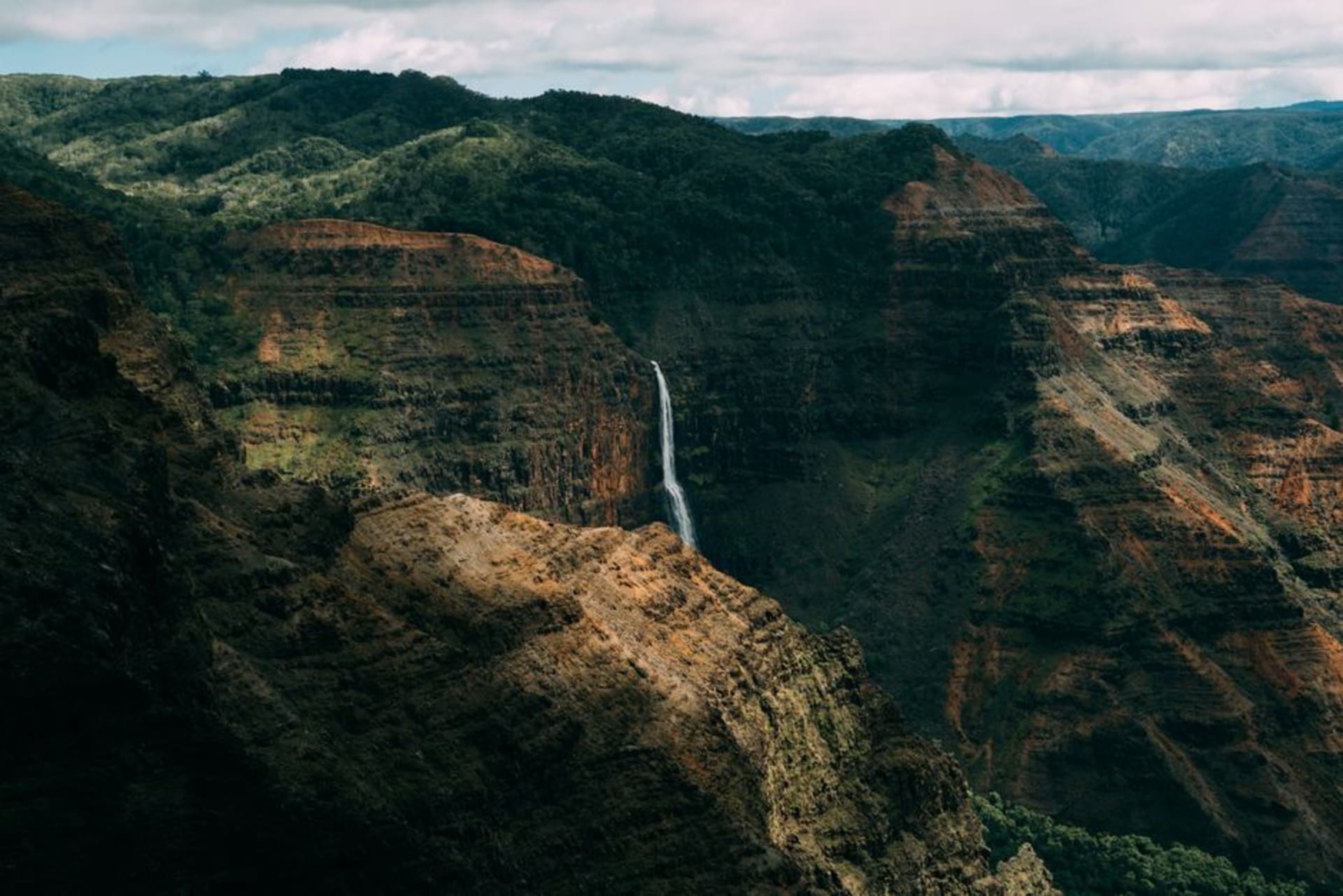
Everyone drives through Koke’e on their way to Waimea Canyon’s upper lookouts without necessarily registering that it’s its own place — a four-thousand-foot-high plateau of native forest that feels less like Hawai’i and more like a cool, damp corner of somewhere in the Pacific Northwest. Lia noticed it first: the temperature drop of maybe fifteen degrees as we climbed, the smell changing from salt to something greener and colder, the fact that we both instinctively reached for jackets we hadn’t needed anywhere else on the island.
Kalalau Lookout on a Clear Day
The payoff, when the clouds cooperate, is the Kalalau Lookout — a view straight down into the Kalalau Valley, the same one the trail on the Nā Pali Coast eventually reaches after eleven grinding miles, except here you get it for the price of a parking spot. We got lucky. The clouds parted for maybe six minutes while we were there, revealing fluted green ridges dropping toward a distant sliver of ocean, and then closed again as if a curtain had been pulled. A ranger told us later that a clear view is closer to a coin flip than a guarantee.

The Alaka’i Swamp and a Different Kind of Hike
Beyond the lookouts, Koke’e is a genuine hiking base — the Alaka’i Swamp Trail crosses a boardwalk through a bog forest that is one of the wettest ecosystems on Earth, home to native honeycreepers found nowhere else on the planet. We didn’t spot the birds everyone hopes for — the ‘i’iwi and its improbable curved bill — but we heard something in the canopy that the ranger later identified, with visible satisfaction, as an ‘apapane. It counted.

The Museum and the Lodge
The small Koke’e Natural History Museum near the lodge is worth the ten minutes — a modest, unpolished collection of taxidermy and trail maps staffed by volunteers who clearly love the place more than the building deserves. We ate lunch on the lodge’s porch afterward, wrapped in the jackets we’d finally admitted we needed, watching the clouds do their slow work over the canyon rim below.
When to go: Year-round, but expect clouds and rain at any time — this is one of the wettest parts of the island. Mornings, especially in summer, offer the best odds of clear lookout views before afternoon clouds build.
Keep exploring
More from Hawai'i
 hawaii
 Kona
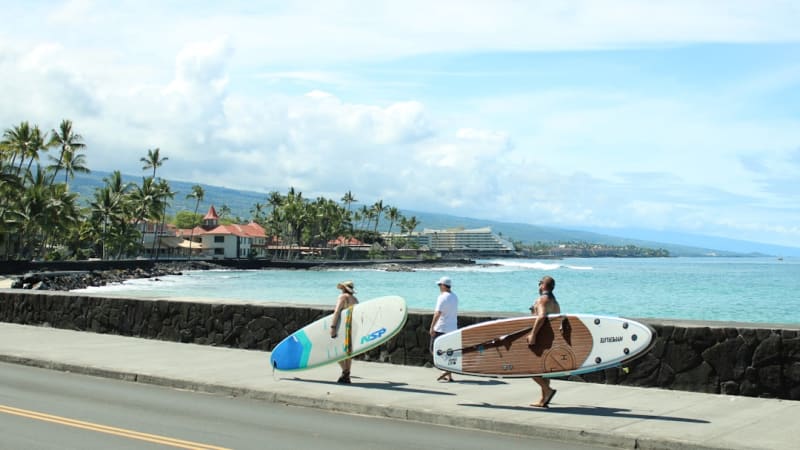
Coffee farms clinging to volcanic slopes, manta rays feeding under floodlights, and a harbor town that never quite decided to become a resort.
Explore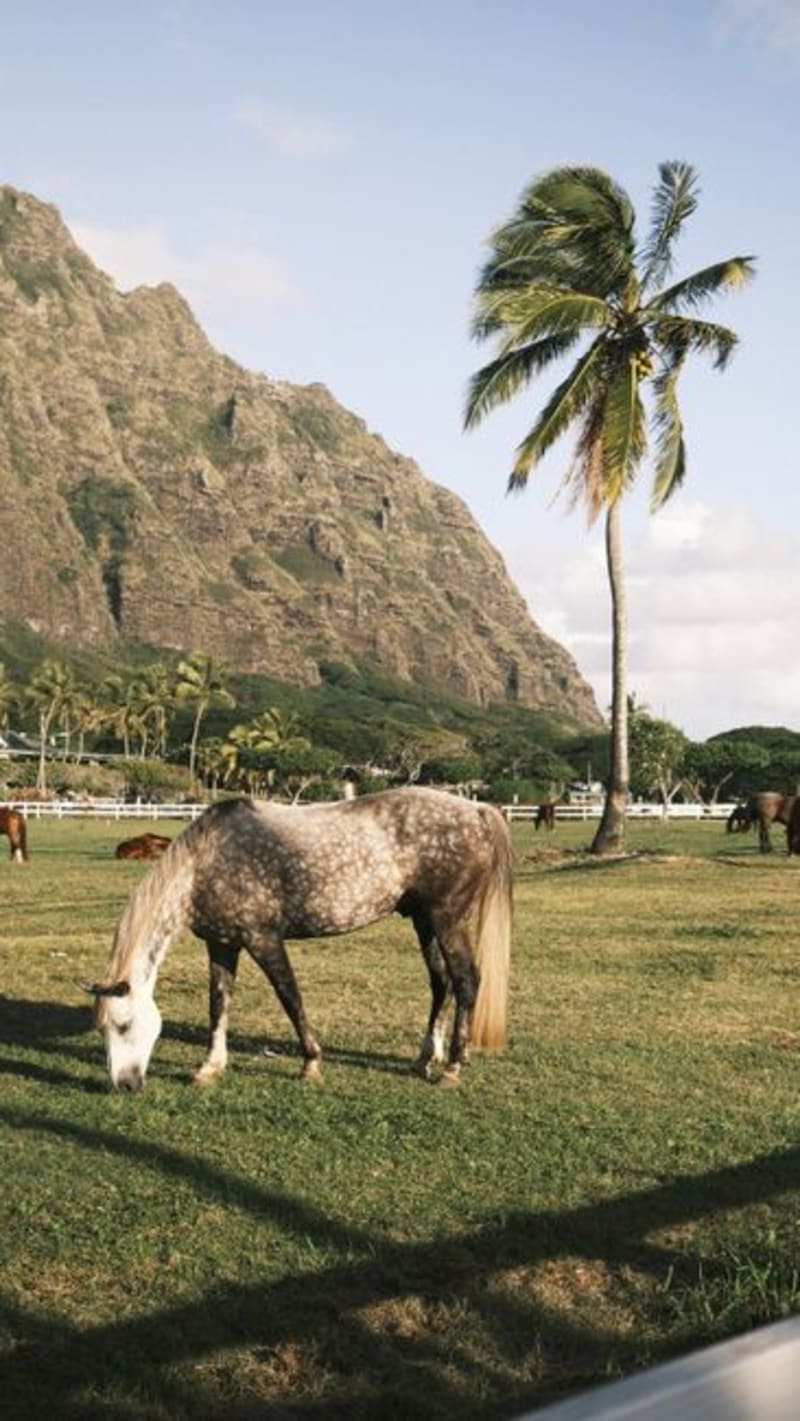 hawaii
 Kualoa Ranch
A working cattle ranch beneath the Ko'olau cliffs that has doubled as Jurassic Park, Godzilla's island, and half of Hollywood's tropical backlot.
Explore hawaii
 Kula Botanical Garden
A cool-climate garden on Haleakala's slopes where proteas, orchids, and a resident flock of peacocks make Maui feel briefly like the Scottish Highlands.
Explore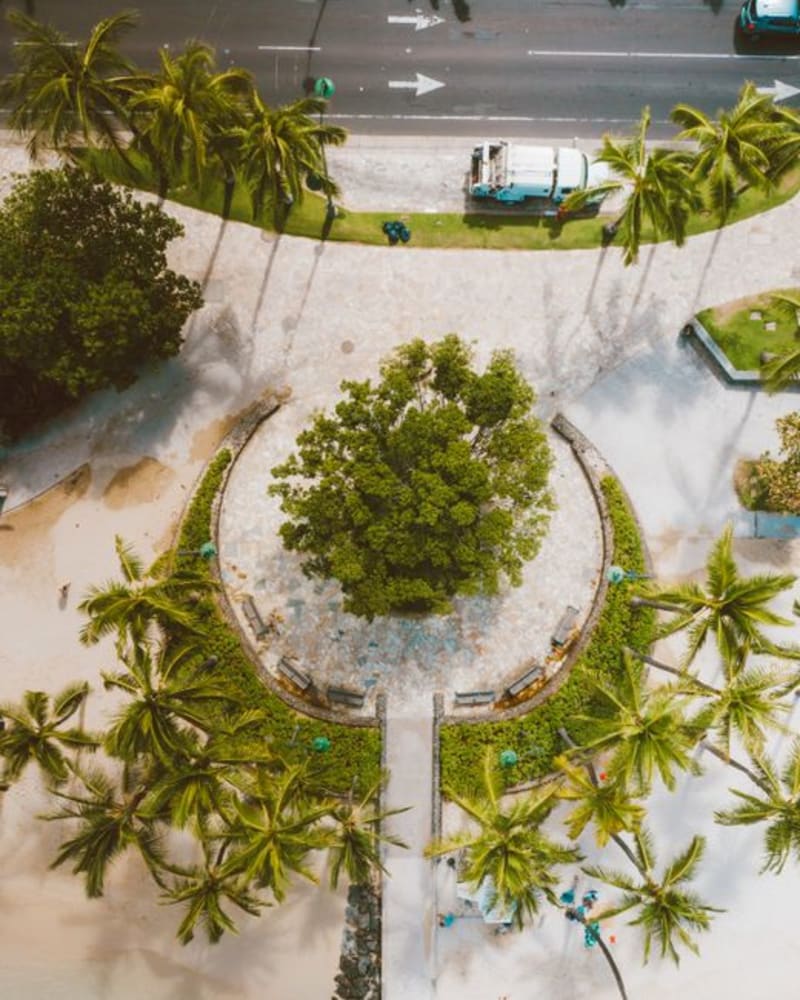 hawaii
 Lahaina Banyan Tree
The largest banyan tree in the United States, a living landmark at the heart of Lahaina that survived the 2023 wildfire and has become a symbol of the town's slow recovery.
Explore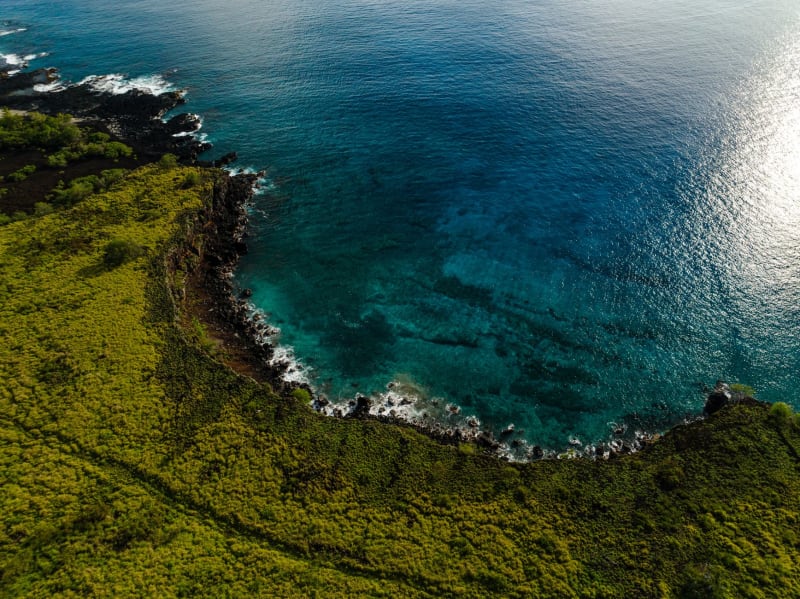 hawaii
 Lanai
A former pineapple plantation turned private-feeling escape where red dirt roads end at boulders that look carved by a god with too much time.
Explore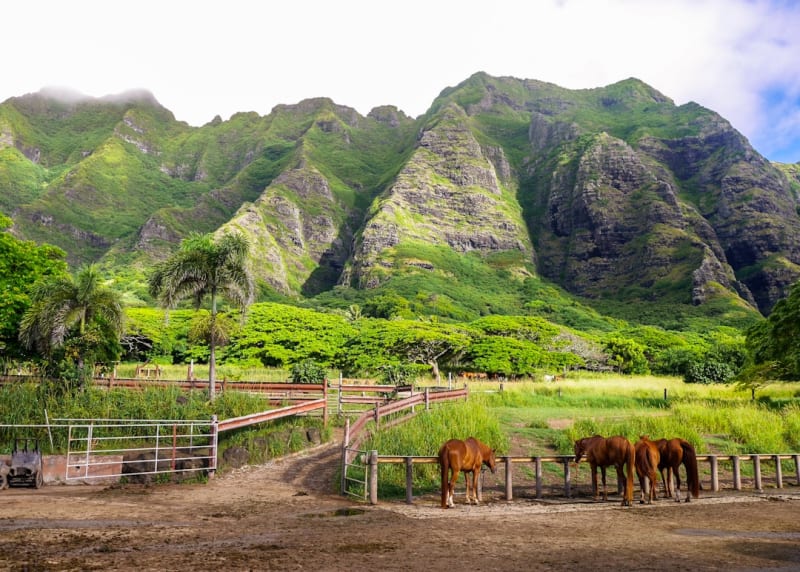 hawaii
 Lanai Cat Sanctuary
Six hundred rescued cats living free-roaming in a fenced sanctuary at the island's dry edge, built to keep them off a reef and out of a native bird colony — and to give them the best life on the island.
Explore