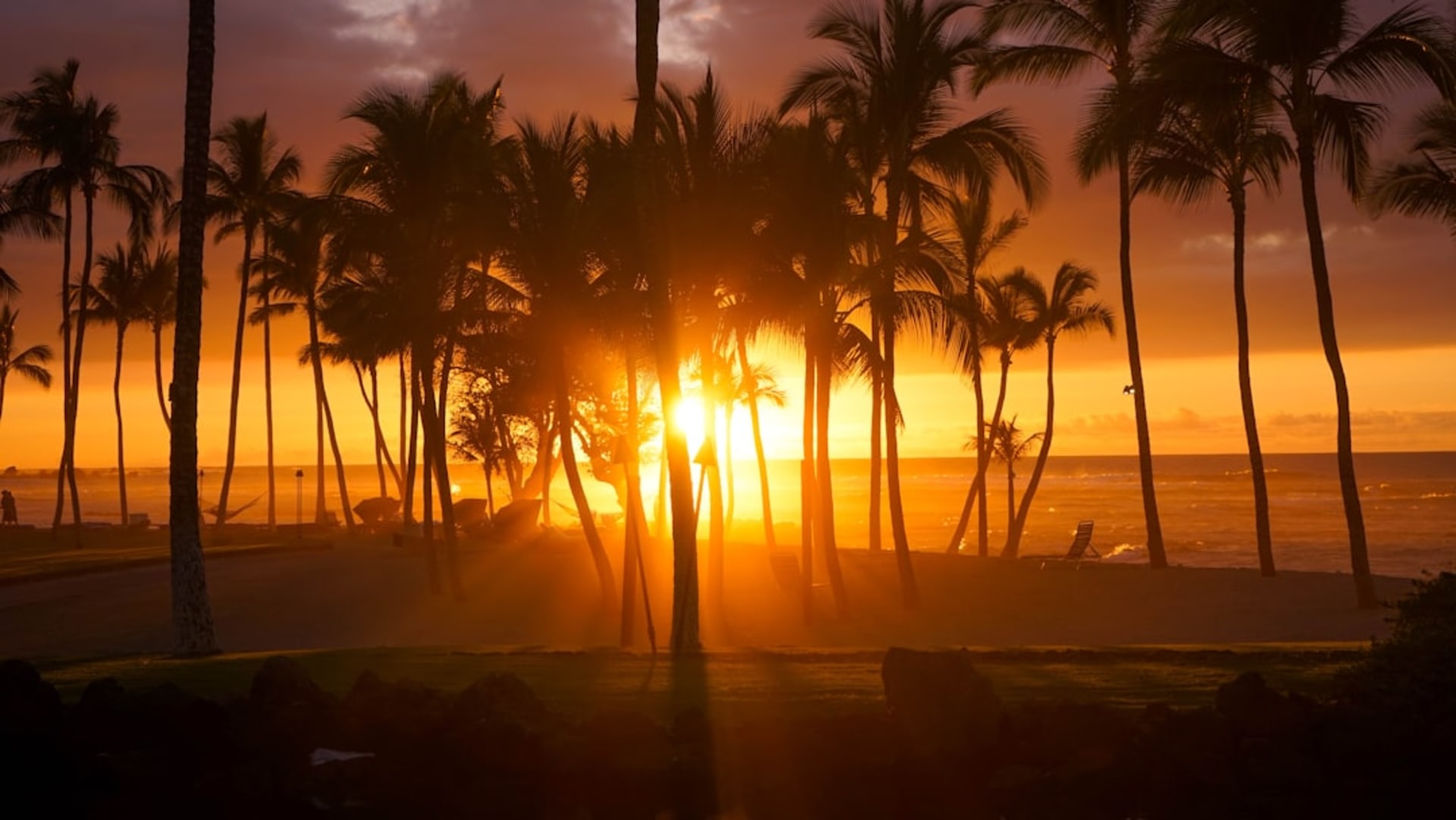
Kohala Coast
"Air-conditioned lobbies built directly on top of a thousand-year-old fishpond wall."
Lava-field resorts, ancient fishponds, and some of the calmest turquoise water in the Hawaiian islands.
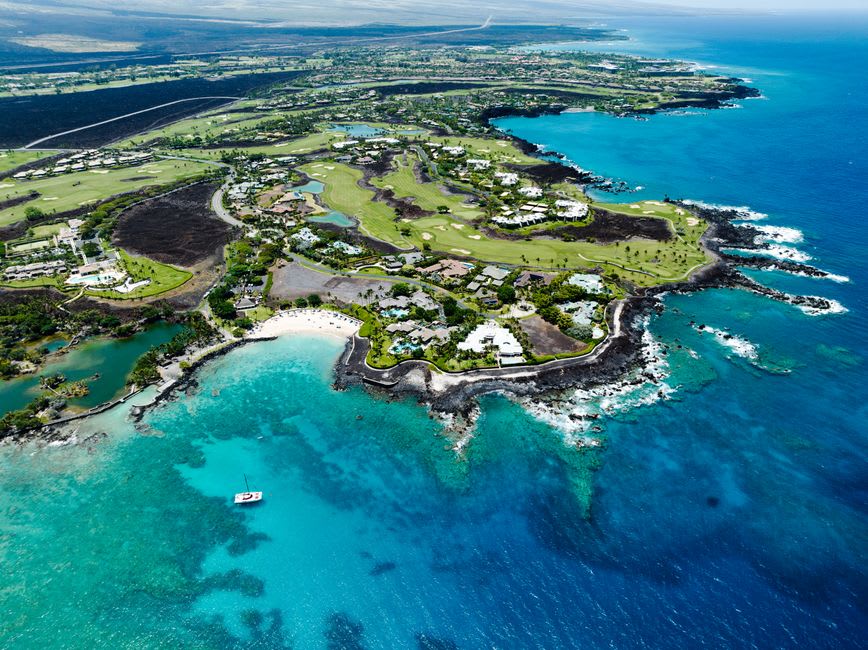
The drive north from Kona along the Kohala Coast crosses miles of black lava field so barren it looks lunar — and then, without warning, a resort appears, green and irrigated and glittering, like someone air-dropped a golf course onto the moon. I found the contrast almost funny the first time. By the third resort I understood it was the whole point: this coast has always been about finding the improbable oasis in the middle of hardened lava, going back centuries before anyone built a swimming pool.
Anaeho’omalu Bay
This was the beach that made me reconsider what I thought I knew about Hawaiian beaches. A’A Bay, or “Anaeho’omalu,” backs onto ancient royal fishponds still stocked with mullet, the water in front calm enough that Lia swam laps rather than just floating. Coconut groves line the sand, planted deliberately by ali’i centuries ago as a sign of the area’s importance. I rented a paddleboard from a shack at the north end and spent an hour gliding over a reef shallow enough to see every fish beneath me — parrotfish mostly, and a green sea turtle that surfaced twice near the shoreline while a resort wedding photographer, oblivious, posed a couple thirty meters away.
Puako’s Petroglyphs
A short detour off the highway near Puako leads to one of the largest concentrations of petroglyphs in Hawai’i — thousands of images pecked into pahoehoe lava by Native Hawaiians over hundreds of years. Walking the marked trail at dusk, when the low sun rakes across the rock and every carving throws a shadow, felt closer to a pilgrimage than a sightseeing stop. Human figures, canoes, dots that may represent births in a family line. Nobody fully agrees on what all of it means, and I liked that the guide at the visitor center admitted as much rather than inventing certainty.
Where the Money Went
The Kohala resorts built in the 1980s — Mauna Kea, Mauna Lani, the Hilton Waikoloa with its own tram and dolphin lagoon — are a study in how much infrastructure it takes to make lava habitable. I am generally allergic to resort culture, but even I had to admit that the Mauna Kea Beach Hotel’s stretch of sand, ranked among the best in the country for decades, earns its reputation. You do not need to be a guest to walk the public beach access; you do need to get there early, because parking is limited and strictly enforced.
When to go: Year-round sun and low rainfall define this coast, which is exactly why the resorts are here. December through March brings the best whale watching from shore. Water is calmest in summer.
Keep exploring
More from Hawai'i
 hawaii
 Koke'e State Park
The misty highland forest above Waimea Canyon — Kalalau Lookout, native birdsong, and a climate that feels like a different island.
Explore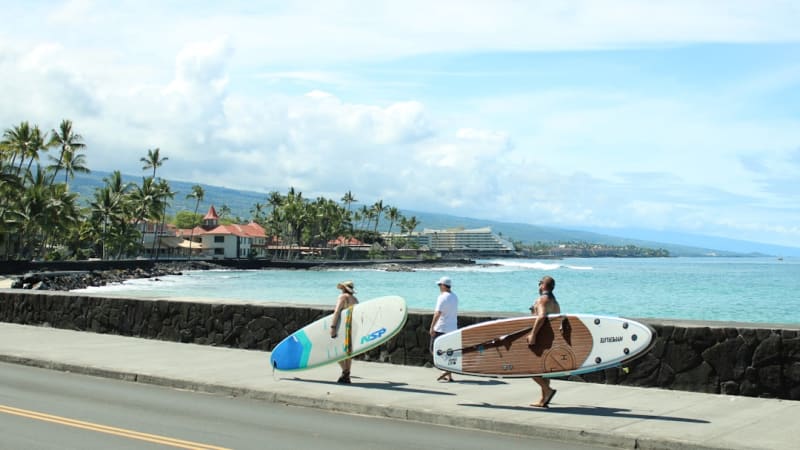 hawaii
 Kona
Coffee farms clinging to volcanic slopes, manta rays feeding under floodlights, and a harbor town that never quite decided to become a resort.
Explore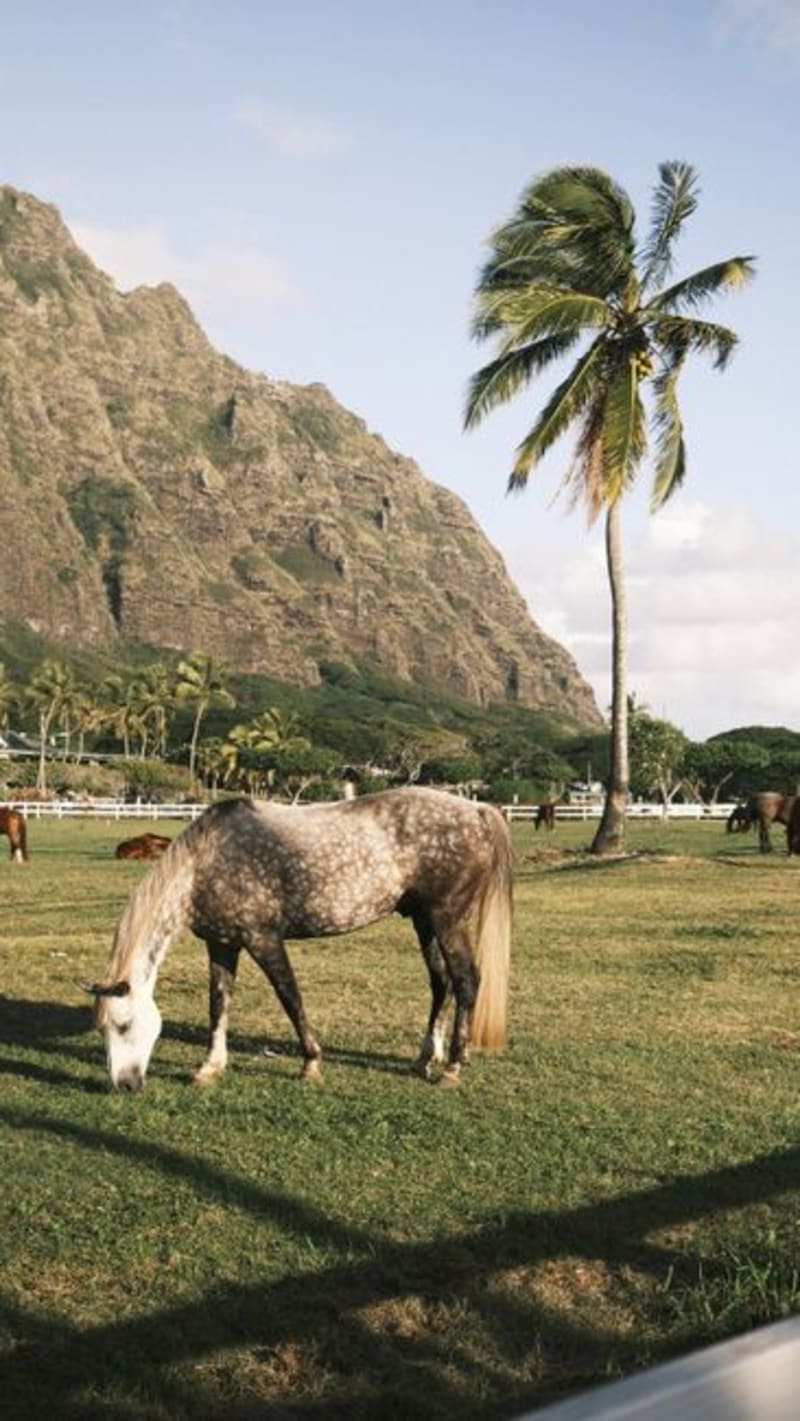 hawaii
 Kualoa Ranch
A working cattle ranch beneath the Ko'olau cliffs that has doubled as Jurassic Park, Godzilla's island, and half of Hollywood's tropical backlot.
Explore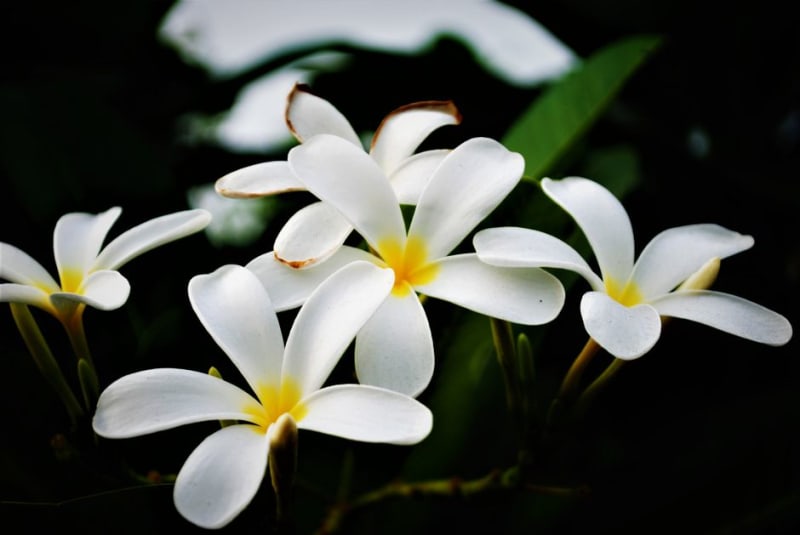 hawaii
 Kula Botanical Garden
A cool-climate garden on Haleakala's slopes where proteas, orchids, and a resident flock of peacocks make Maui feel briefly like the Scottish Highlands.
Explore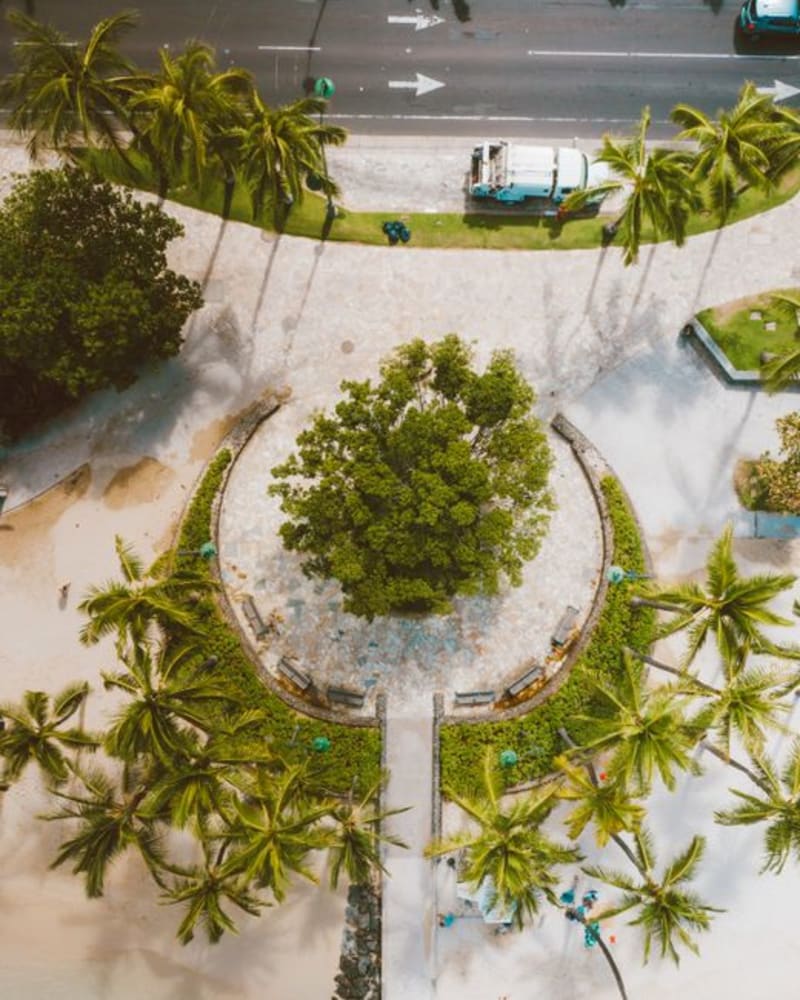 hawaii
 Lahaina Banyan Tree
The largest banyan tree in the United States, a living landmark at the heart of Lahaina that survived the 2023 wildfire and has become a symbol of the town's slow recovery.
Explore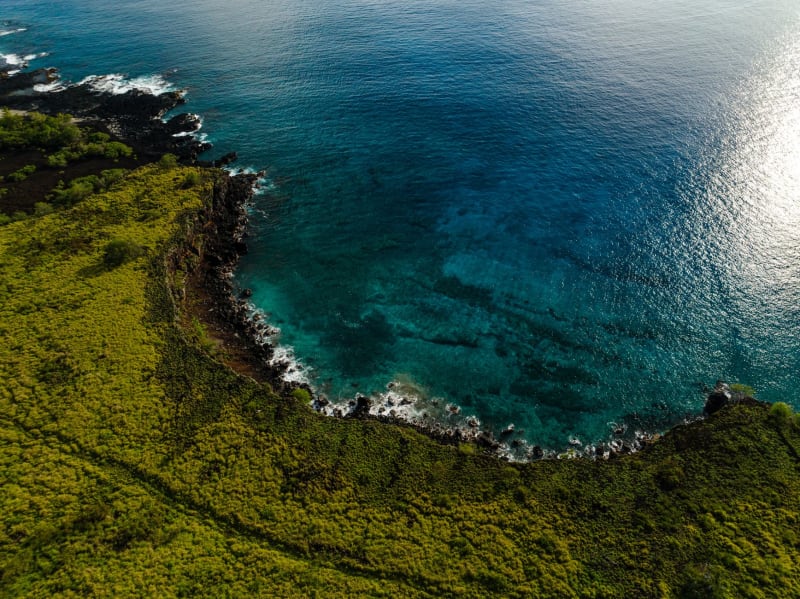 hawaii
 Lanai
A former pineapple plantation turned private-feeling escape where red dirt roads end at boulders that look carved by a god with too much time.
Explore